
Start Construction 2026: Master the 10 Critical Phases to Build Your Home
Construction isn’t random it’s a precise sequence of 10 critical phases that must occur in order. Skip a step or rush the process, and you risk failed inspections, structural issues, and massive cost overruns. Follow our proven system to build your home on time, on budget, and avoid the costly mistakes that plague 60% of first-time builders. Each phase builds on the previous one, creating a solid, safe, and valuable home.
Your Complete Construction Roadmap: 10 Essential Phases
These 10 phases must occur in sequence each one prepares your home for the next. Skipping steps or rushing phases leads to failed inspections and expensive rework. Follow this roadmap to build successfully from groundbreaking to landscaping.
Site Preparation
Clear and grade your lot, establish access roads, connect temporary utilities, and prepare the foundation area. Proper site prep prevents drainage issues and foundation problems.
Start Phase 1 →Foundation Work
Pour and cure the foundation that supports your entire structure. This is the most critical phase, foundation mistakes are permanent and expensive to fix later.
Start Phase 2 →Framing
Build the structural skeleton including floor systems, wall frames, and roof structure. Framing defines your home’s layout and must be square, level, and structurally sound.
Start Phase 3 →Roofing
Install roof decking, underlayment, and final roofing material. Getting the building weather-tight protects all interior work and prevents moisture damage during construction.
Start Phase 4 →Plumbing & Electrical
Install rough plumbing, water supply lines, drain systems, electrical panels, wiring, and outlets. This “rough-in” work must be completed and inspected before walls close up.
Start Phase 5 →HVAC Installation
Install heating and cooling systems, ductwork, and vents. Proper HVAC sizing and installation ensure comfort, efficiency, and lower operating costs for decades.
Start Phase 6 →Insulation & Drywall
Insulate exterior walls and attics, then hang, tape, and finish drywall. Proper insulation reduces energy costs by 30-50% while creating a comfortable living environment.
Start Phase 7 →Interior Finishes
Install flooring, cabinets, countertops, trim, doors, fixtures, and paint. Interior finishes have the widest cost range and the biggest impact on your home’s style and value.
Start Phase 8 →Exterior Finishes
Apply siding, exterior paint, install windows and doors, complete gutters and downspouts. Exterior finishes protect your investment and create crucial curb appeal.
Start Phase 9 →Landscaping
Complete final grading, install driveways and walkways, plant grass and landscaping. Proper landscaping prevents drainage issues while adding significant value and appeal.
Start Phase 10 →Essential Construction Management Tools
Professional-grade calculators and tracking systems to keep your construction project on time and on budget.
Construction Budget Tracker
Track costs across all 10 phases, monitor spending against budget, and identify overruns before they become problems.
Track Budget →Timeline Planner
Create realistic construction schedules, coordinate subcontractors, and track milestones to ensure on-time completion.
Plan Timeline →Renovation Cost Guides
Access detailed cost breakdowns for every construction phase and finish across 32 categories with 600+ guides.
View Costs →ROI Calculator
Analyze return on investment for different construction choices and finishes to maximize your home’s value.
Calculate ROI →Find Subcontractors
Connect with vetted contractors for every phase from foundation work through landscaping with hiring guides.
Find Pros →Find Inspectors
Locate qualified building inspectors to ensure every phase meets code requirements and passes inspection.
Find Inspector →Common Construction Questions Answered
A standard home construction typically takes 6-9 months from site preparation through final landscaping. Site preparation and foundation work take 1-2 months, framing and exterior work require 2-3 months, interior systems and finishes need 2-3 months, and final touches take 1 month. Custom homes, complex designs, or challenging sites may extend this to 12-18 months. Weather, material availability, and contractor scheduling significantly impact timelines.
Foundation work is arguably the most critical phase. A properly built foundation prevents structural issues, moisture problems, and costly future repairs. While foundation work represents only 10-15% of total construction costs, it’s the one phase where cutting corners creates permanent, expensive problems. Every subsequent phase depends on a level, properly cured, and structurally sound foundation.
No, these 10 phases must occur in sequence for structural, safety, and code compliance reasons. Attempting to skip or rush phases leads to failed inspections, rework, and dangerous structural issues. For example, you cannot install drywall before completing electrical and plumbing rough-in, and you cannot do interior finishes before the building is weather-tight. Following the proper sequence prevents costly mistakes and ensures your home is built correctly.
Budget allocation varies by home design, but typical percentages are: Site preparation 5-8%, foundation 10-15%, framing 15-20%, roofing 5-10%, plumbing and electrical 10-15%, HVAC 5-8%, insulation and drywall 8-12%, interior finishes 20-25%, exterior finishes 8-12%, and landscaping 3-5%. Always include a 10-20% contingency for unexpected issues. Use our Construction Budget Tracker to manage costs across all phases.
General contractors add 15-25% to labor costs but provide expertise, subcontractor relationships, scheduling coordination, and problem-solving. Owner-builders can save money but need significant time commitment, construction knowledge, and management skills. First-time builders typically benefit from hiring a GC for peace of mind. Experienced builders with available time may successfully self-manage. Consider your skills, time availability, and risk tolerance.
Required inspections vary by location but typically include: foundation inspection after forms are set, framing inspection before closing walls, plumbing rough-in inspection, electrical rough-in inspection, HVAC rough-in inspection, insulation inspection, and final inspection before occupancy. Some jurisdictions also require footing inspections, gas line inspections, and specialty inspections for features like pools or solar panels. Always coordinate inspections with your building department.
Prevent overruns by: establishing a detailed budget with 10-20% contingency, making all selections before construction starts, minimizing change orders (the #1 cause of overruns), tracking expenses weekly, requiring itemized quotes from contractors, scheduling regular progress meetings, and addressing issues immediately before they compound. Our Construction Budget Tracker helps monitor costs in real-time across all phases.
The biggest mistake is underestimating both costs and time requirements. First-time builders commonly fail to budget for site issues, permitting delays, material price increases, and change orders. They also rush decisions, hire based on lowest bid rather than quality, and don’t maintain adequate contingency funds. Following our 10-phase system helps prevent these mistakes by providing structure, realistic timelines, and proper budgeting guidance.
Ready to Start Your Construction Journey?
Follow our proven 10-phase system to build your home on time, on budget, and avoid costly mistakes
Your Starter Investment Tools
Access your essential tools to plan, track, and manage your projects efficiently. Then work through the steps above and complete the tasks and voila! Your first home build will be completed!

Your Journey, Step by Step
Believe it or not, there are sequences in construction. If there were not, we would all end up building our own individual portion of the project at the same time or at random times and we would wind up having an awful mess on our hands (not to mention a complete train wreck of a project)! In this episode of Electrician U, Dustin digs into the different phases of building a house.
Building a Smart Home From Scratch: The Ultimate Integration Guide
When building a new home, incorporating smart technology from the ground up offers unparalleled efficiency, convenience, and long-term value. Unlike retrofitting existing structures
Learn More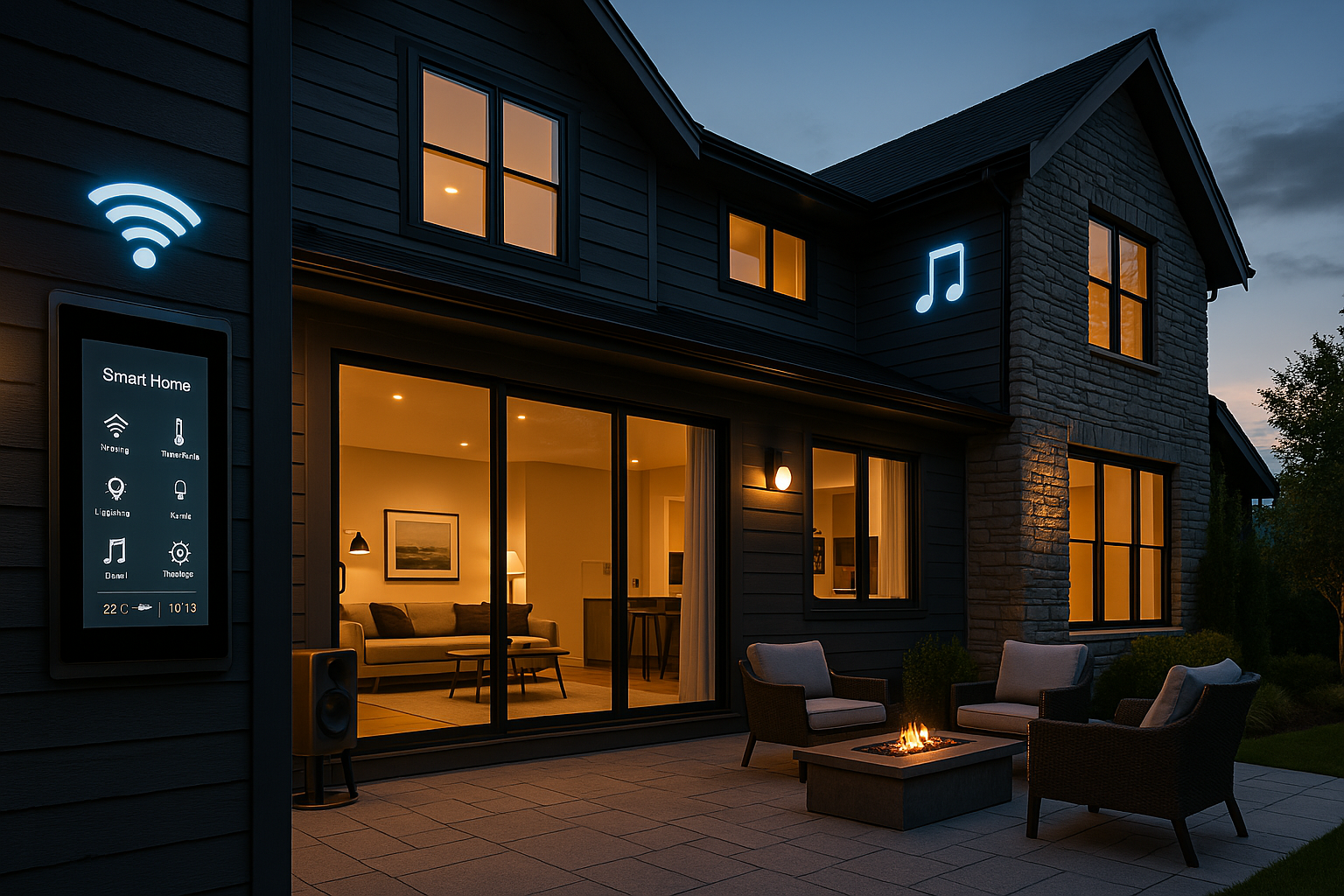
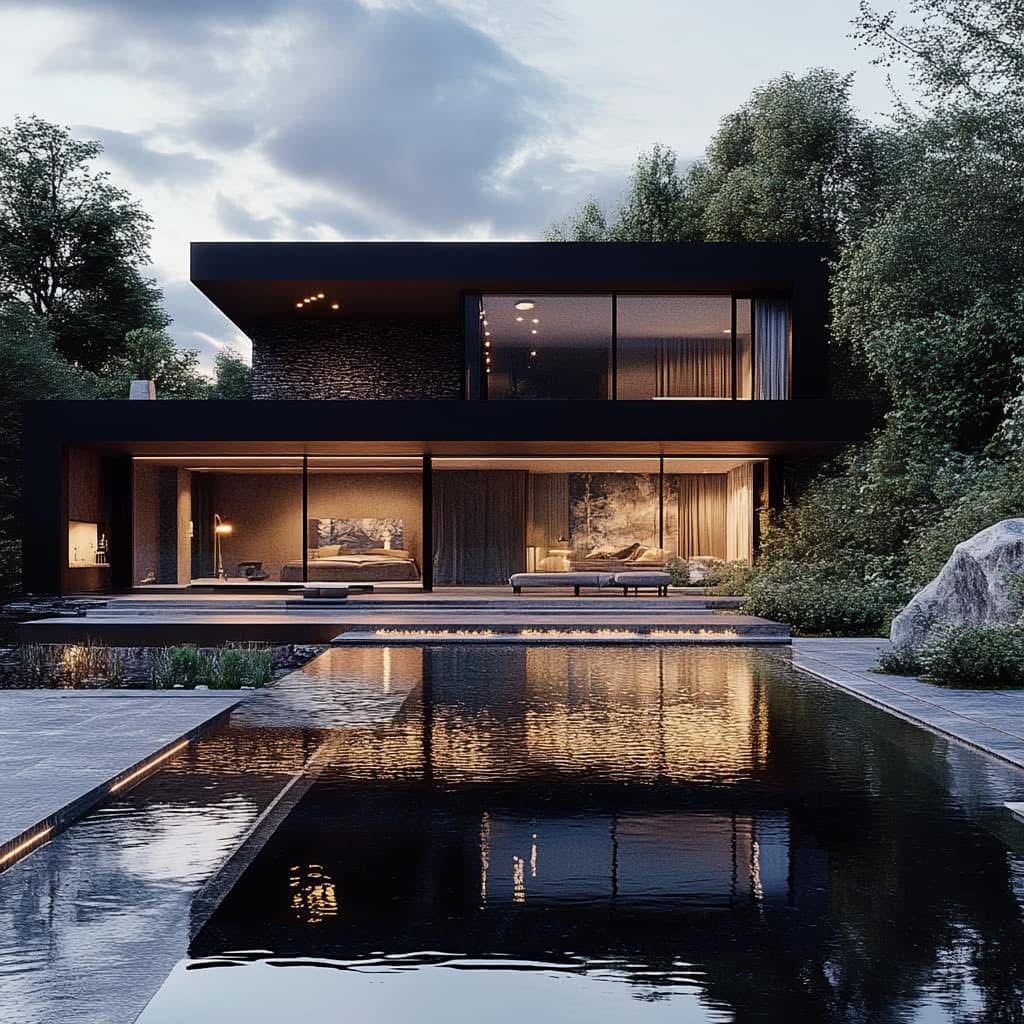
Consider a Pool in Your Build Plan
Thinking about adding a pool? The best time to plan for one is in the pre-construction stage! A well-integrated pool design can save you thousands in excavation costs, and your foundation team may even assist in building the structural base for an in-ground pool. By planning early, you ensure your dream home includes the outdoor space you truly want.
How to Build a Pool
Real Estate News And Knowledge
Stay informed with the latest trends, insights, and updates in the real estate world.



