Foundation Work 2026: Building the Backbone of Your Structure
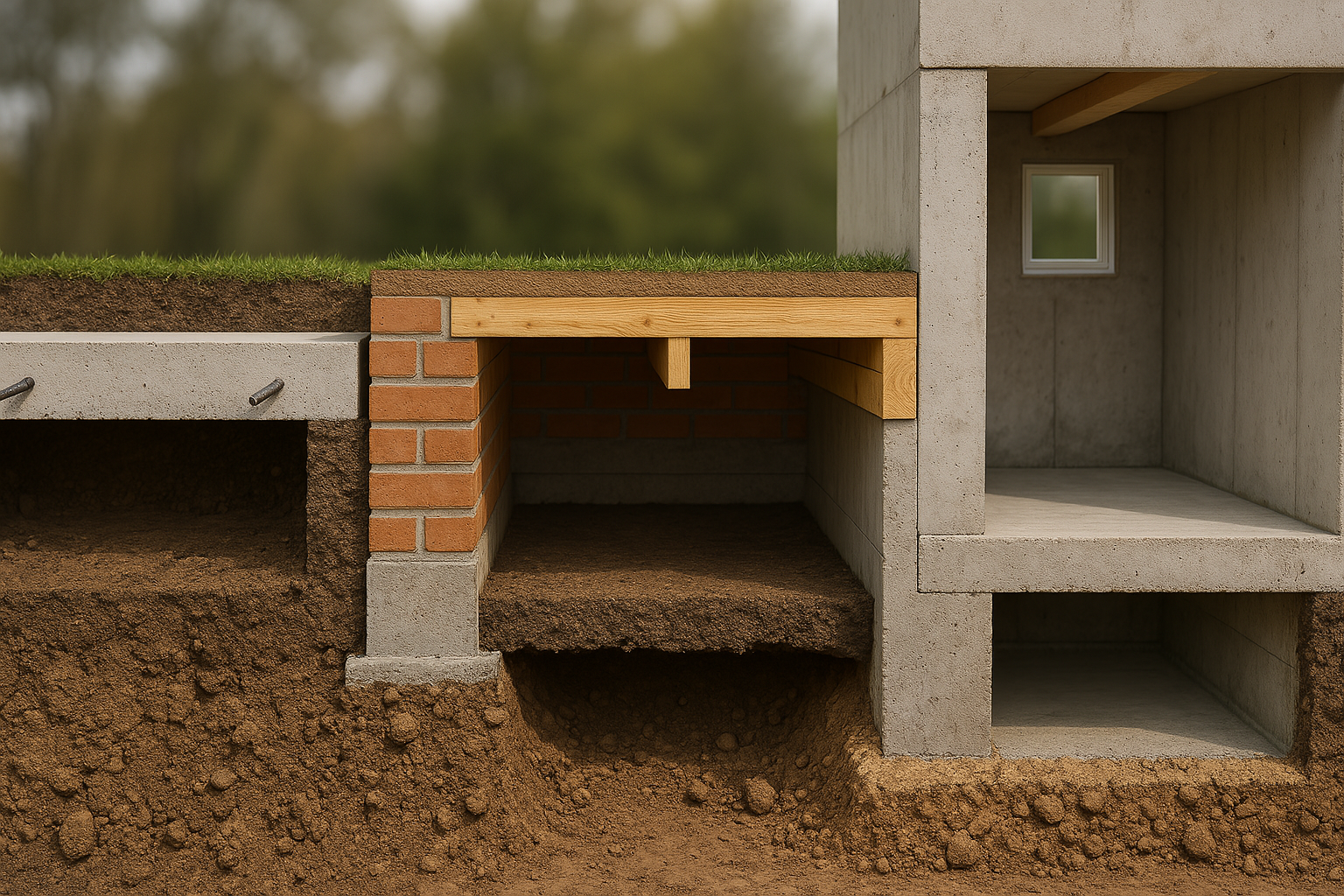
Foundation work is the critical phase that determines your building’s structural integrity and longevity. Studies show that 80% of structural failures can be traced back to foundation issues, and proper foundation work can extend a building’s lifespan by 30-50 years. This comprehensive guide explores professional techniques, industry standards, and expert strategies to ensure your foundation delivers maximum stability, durability, and value.
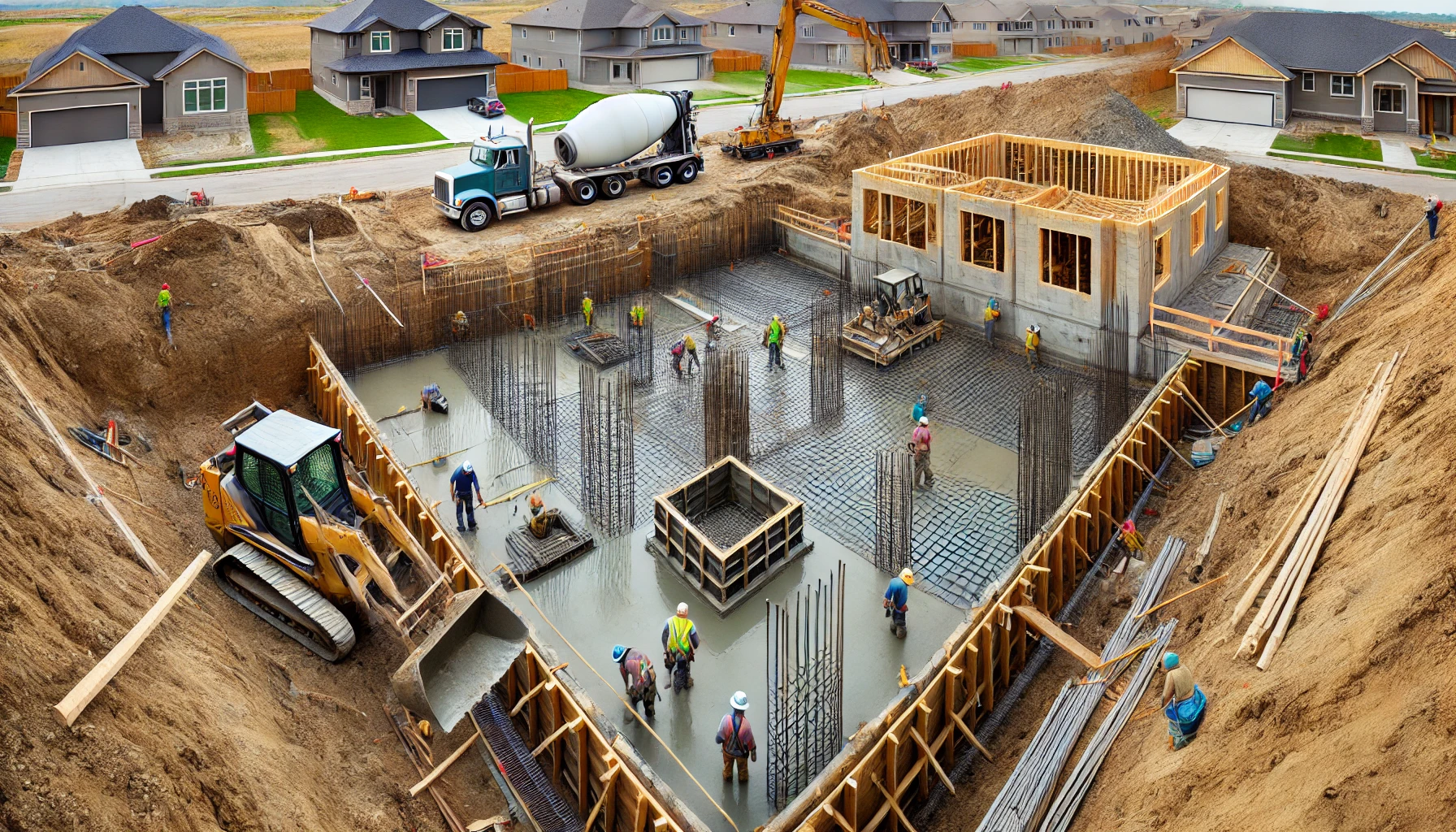
[Image: Professional Foundation Construction in Progress]
⚡ Quick Answers: Foundation Costs, Timing & Common Problems (Click for instant answers)
▼📍 See How Foundations Are Actually Built in Your Region Completely different approaches worldwide
▼Key Steps in Foundation Work
These key steps ensure a robust foundation for your building:
1. Excavation
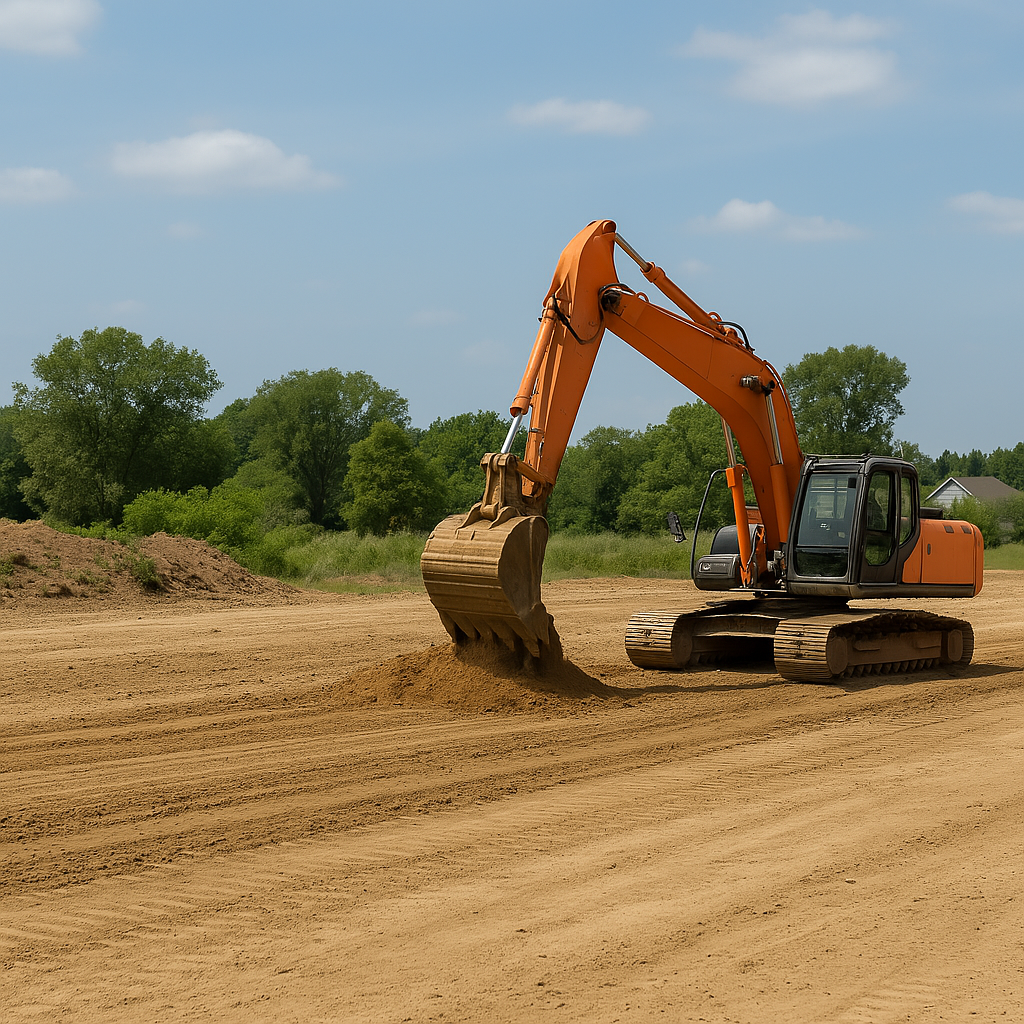
Dig the site to the required depth while ensuring proper slope and drainage. This critical first step establishes the base conditions that will support your entire structure and prevent future moisture problems.
- Excavation depth: Must extend at least 12″ below the frost line in cold climates (typically 36″-48″ in northern regions)
- Base preparation: Installation of 4″-6″ of compacted granular fill (3/4″ crushed stone) creating a level, stable base
- Drainage considerations: Sloping excavation bottom at 1/4″ per foot away from center to direct subsurface water
2. Formwork Installation
Set up accurate molds or forms to shape the foundation. Proper formwork is essential for achieving the desired dimensions and structural strength that will define your foundation’s geometry and alignment.
- Form materials: Professional-grade steel or engineered plywood (minimum 3/4″ MDO plywood) for walls
- Dimensional precision: Forms must maintain tolerances of ±1/4″ horizontally and ±1/8″ vertically per 10′ of length
- Bracing requirements: Lateral supports spaced 16″-24″ on center to prevent form movement during concrete placement
3. Reinforcement Placement
Place steel rebar or mesh within the forms to reinforce the foundation and prevent cracking under load. Proper reinforcement dramatically increases tensile strength and the foundation’s ability to withstand ground movement.
- Footing reinforcement: Minimum two runs of #4 (1/2″) rebar placed continuously in footings
- Wall reinforcement: Vertical #4 rebar spaced 16″-24″ on center, with horizontal runs at 16″-24″ vertically
- Corner reinforcement: L-shaped rebar configurations extending 24″ minimum in both directions from corners
4. Concrete Pouring
Pour high-quality concrete into the forms, ensuring even distribution and proper vibration to eliminate air pockets. The concrete mix design and placement technique directly impact your foundation’s strength and durability.
- Concrete mix specifications: Minimum 3,000-3,500 PSI compressive strength; 4″-6″ slump; 3/4″ maximum aggregate size
- Placement method: Concrete pumping in 16″-24″ lifts to prevent segregation and allow proper consolidation
- Vibration requirements: Mechanical vibration with 1″-3″ diameter head inserted vertically every 18″-24″ to eliminate voids
5. Curing
Maintain adequate moisture and temperature control to allow the concrete to harden properly and reach its full strength. Proper curing is essential for developing the concrete’s maximum strength and durability.
- Moisture retention: Apply curing compound or cover with plastic sheeting/wet burlap within 1 hour of finishing
- Curing duration: Minimum 7-day moist curing period (14 days recommended for maximum strength development)
- Temperature control: Maintain 50°F-85°F curing temperature; use insulating blankets below 40°F
6. Waterproofing
Apply comprehensive moisture protection to the exterior foundation walls before backfilling. Effective waterproofing is critical for preventing basement water issues and protecting your foundation from water damage.
- Barrier application: Apply minimum 60-mil polymer-modified asphalt membrane or 40-mil rubber polymer sheets
- Drainage layer: Install dimpled drainage board or geocomposite drainage mat to create air gap between waterproofing and soil
- Footing drainage: Place 4″ perforated pipe surrounded by 12″ of 3/4″ washed gravel at foundation perimeter
7. Foundation Inspection
Conduct a thorough inspection to ensure the foundation meets engineering standards and complies with local building codes before proceeding with framing. This verification step prevents costly corrections later in the construction process.
- Dimensional verification: Check foundation dimensions, levelness, and squareness against construction plans
- Concrete quality: Inspect for proper curing, absence of significant cracking, and surface finish quality
- Waterproofing inspection: Verify complete waterproofing coverage and drainage system installation
Hidden Foundation Costs That Destroy Budgets
These are the “surprises” that hit 68% of foundation projects—costs your contractor won’t mention until it’s too late:
The Foundation “Gotcha” List:
| Hidden Cost | Typical Range | Prevention Strategy |
|---|---|---|
| Soil Amendments Your dirt is garbage? Pay to fix it. |
$8,000–$30,000 | Get geotechnical report BEFORE buying land ($1,500) |
| Dewatering Hit water table? Pump forever. |
$500–$2,000/week | Drill test holes first, plan for seasonal water levels |
| Over-Excavation Bad soil = dig deeper, import fill. |
$5,000–$25,000 | Multiple soil borings, not just one |
| Winter Heating Concrete in cold? Heat everything. |
$1,000–$5,000/pour | Schedule for warmer months or budget 30% extra |
| Engineering Changes Inspector says “redesign this.” |
$3,000–$15,000 | Have engineer review plans WITH building dept first |
| Waterproofing Failures Cheap system = wet basement forever. |
$15,000–$40,000 to fix | Spend extra $3-5k now on quality system |
| Radon Mitigation High radon area? System required. |
$2,000–$5,000 | Check EPA radon maps, install passive system during construction |
| Expansive Soil Treatment Clay that swells 30%? Special design. |
$10,000–$50,000 | Know your soil type—post-tension slabs or deep piers |
Foundation Disasters: Learn From These $100k+ Mistakes
Real foundation failures that destroyed homes and budgets—don’t let this be you:
💀 The Sinking McMansion
Location: Dallas, Texas | Loss: $180,000 + home condemned
5,000 sq ft home on expansive clay. Builder used standard slab instead of post-tension. After 3 years: 8″ differential settlement, walls cracking, doors won’t close. Insurance denied claim—”foundation failure” excluded.
- No soil report (saved $1,500, lost $180,000)
- Builder said “we always use this foundation” (from out of state)
- Ignored neighbors’ warnings about soil
💀 The Flooded “Dry” Basement
Location: Minneapolis, MN | Loss: $95,000 + ongoing mold issues
Contractor used “damp-proofing” (tar spray) instead of waterproofing. First spring: 6″ of water in finished basement. Mold everywhere. Had to excavate entire foundation exterior to properly waterproof.
- Trusted contractor who said “we’ve always done it this way”
- No exterior drainage system installed
- Saved $4,000 on waterproofing, spent $95,000 fixing it
💀 The Frost Heave Horror
Location: Denver, CO | Loss: $140,000 + legal fees
Garage foundation only went down 24″ (code required 36″). Two winters later: 10″ of frost heave, garage separating from house, massive structural cracks. Builder bankrupt, insurance fought claim for 3 years.
- No inspection of foundation depth before backfill
- Trusted builder’s “20 years experience”
- Attached garage foundation treated as “less important”
💀 The Hillside Slide
Location: Los Angeles, CA | Loss: Total loss – $850,000 home
Hillside home with “standard” foundation. No geotechnical report. After heavy rains: foundation slid 15 feet downhill. House split in half. Cause: Ancient landslide zone reactivated.
- No geological survey (saved $5,000)
- Ignored old aerial photos showing slide scars
- Foundation not anchored to bedrock
Foundation Money-Saving Secrets Contractors Hate
Industry insiders share how to cut foundation costs WITHOUT compromising quality:
🎯 Concrete Timing Tricks
Best Days to Pour (Save 20-30%):
- Tuesday-Thursday: Concrete plants give discounts (Monday/Friday are busy)
- Winter pours: November-February = 30% off labor (in mild climates)
- Batch plant deals: Order 100+ yards = wholesale pricing
- “Short load” fees: Combine with neighbors to avoid $150/yard penalties
Real Example: Same 2,500 sq ft foundation: Friday summer pour: $18,000 | Tuesday winter pour: $12,500
💰 Smart Material Substitutions
| Standard Spec | Smart Alternative | Savings |
|---|---|---|
| Waterproofing membrane | Spray-on + dimple board | $2,000-3,000 |
| Formed footings | Trenched footings (where allowed) | $1,500-2,500 |
| Steel forms | Insulated concrete forms (ICF) | Labor savings + insulation |
| Rebar placement | Pre-tied rebar mats | 40% labor reduction |
🔨 DIY Prep Work (Save $5,000-10,000)
What You CAN Legally Do:
- Layout & Marking: Stake foundation corners yourself ($500 savings)
- Access Roads: Clear/grade concrete truck path ($1,000-2,000)
- Material Staging: Create level areas for forms/rebar delivery ($500)
- Excavation Prep: Remove topsoil, clear rocks (save excavator time)
- Form Stripping: Remove forms after concrete sets ($1,000-1,500)
⚠️ NEVER DIY: Excavation below 4 feet, rebar placement, concrete pouring, waterproofing
🎪 Negotiation Power Moves
- “Package Deal”: Foundation + flatwork + driveway = 20% discount
- “Cash Discount”: Many contractors give 5-10% for cash payment
- “Off-Season Special”: Book winter work in summer for lower rates
- “Referral Network”: Find 2-3 neighbors = group discount
- “Material Direct Buy”: You buy concrete/rebar = save contractor markup (15-20%)
⚡ Power Move: Get 5 bids, show the lowest to others, say “match this price but with your quality.”
Future-Proof Your Foundation: Install Now, Save $100k+ Later
Smart builders install these during foundation work. Adding them later means jackhammering concrete:
🔌 Future Utility Rough-Ins
Install sleeves/conduits NOW for $200-500 each | Retrofit LATER for $2,000-5,000 each
- Future Bathroom: 4″ waste pipe + 2″ vent + water lines stubbed and capped
- Home Theater: Multiple 2″ conduits for speaker wires and HDMI
- Workshop/Garage: 220V conduit, compressed air lines, dust collection
- Outdoor Kitchen: Gas line, water, waste, and electrical conduits
- Hot Tub/Sauna: 50-amp electrical, water supply, floor drain
💡 Pro Tip: Install 4″ PVC sleeves every 20′ through foundation. Cap them. Future-you will thank present-you.
🏗️ Structural Preparations
| Future Addition | Foundation Prep Now | Cost Now vs Later |
|---|---|---|
| Second Story | Thicker footings, extra rebar | $3,000 vs $25,000 |
| Basement Finish | Interior drain tile, sump pit | $2,000 vs $15,000 |
| Safe Room | Reinforced corner, thicker walls | $5,000 vs impossible |
| Elevator | Pit and shaft provisions | $3,000 vs $20,000 |
🏠 Smart Home Foundation Prep
- Whole-House Grounding: Enhanced grounding grid for electronics ($500)
- Central Vac Rough-In: PVC pipe network in slab ($800)
- Floor Heating Zones: Insulation and pipe layouts ($1,200)
- Security Pre-Wire: Conduits to all entry points ($400)
- Radon System: Passive pipes and gravel bed ($300)
🚨 Emergency & Disaster Prep
- Generator Connection: Transfer switch conduit and grounding
- Storm Shelter: Reinforced area or access to safe room
- Sump Pump Backup: Secondary pit and discharge line
- Water Storage: Underground cistern connections
- Geothermal Loops: Horizontal loops under slab
📸 Document Everything Underground!
Before concrete pour, create a detailed map showing:
- Every pipe, conduit, and sleeve location (use measuring tape from corners)
- Depths and directions of all utilities
- Photos from multiple angles with measuring tape visible
- Upload to cloud + print laminated copies for electrical panel
This map is worth $20,000+ in prevented “oops we hit a pipe” disasters!
Foundation Cost Calculator: Know Your Real Numbers
Stop getting shocked by foundation quotes. Here’s what different foundation types REALLY cost:
Foundation Type Cost Comparison
| Foundation Type | 1,500 sq ft | 2,500 sq ft | 3,500 sq ft | Best For |
|---|---|---|---|---|
| Slab-on-Grade | $6,000-10,000 | $10,000-16,000 | $14,000-22,000 | Warm climates, flat lots |
| Crawl Space | $8,000-15,000 | $13,000-25,000 | $18,000-35,000 | Moderate climates, sloped lots |
| Full Basement | $20,000-35,000 | $35,000-55,000 | $50,000-75,000 | Cold climates, extra space needed |
| Pier & Beam | $15,000-25,000 | $25,000-40,000 | $35,000-55,000 | Flood zones, poor soil |
| Post-Tension Slab | $9,000-14,000 | $15,000-23,000 | $21,000-32,000 | Expansive soils, earthquake zones |
Hidden Cost Multipliers (Add to Base Price):
- Rocky Site: Add 50-100% for blasting/removal
- High Water Table: Add $10,000-20,000 for dewatering
- Poor Soil: Add $15,000-40,000 for soil replacement
- Steep Slope: Add 30-60% for specialized equipment
- Remote Location: Add 20-40% for material delivery
- Winter Work: Add 25-50% for heating/protection
💡 Budget Reality Check:
Foundation costs have increased 40% since 2020. Always get 5+ quotes and add 35% contingency. The “lowest bid” often becomes the highest final cost due to change orders.
Foundation Q&A: Your Burning Questions Answered
The questions every homeowner needs answered (but contractors dodge):
Q: “Can I pour a foundation in winter?”
A: Yes, BUT it costs 30-50% more. You need heated enclosures, hot water for mixing, blanket insulation, and accelerating admixtures. Below 20°F, most contractors won’t guarantee the work. If you must pour in winter: demand 4,000+ PSI mix, calcium chloride accelerator, and 14-day heated curing. Better option: excavate in fall, cover, pour in spring.
Q: “My contractor says waterproofing is ‘overkill.’ True?”
A: HELL NO. This contractor is either incompetent or planning to be gone when your basement floods. Proper waterproofing costs $3,000-8,000. Fixing water damage costs $50,000-150,000. Every foundation needs: membrane waterproofing, drainage board, perimeter drains, and gravel backfill. No exceptions.
Q: “What’s the #1 foundation mistake?”
A: Skipping the soil report. It’s like surgery without X-rays. Bad soil = foundation failure, period. Spend $1,500-3,000 on geotechnical investigation or spend $100,000+ fixing foundation problems. Recent study: 73% of foundation failures traced to “unexpected” soil conditions that testing would have revealed.
Q: “How do I know if my foundation is failing?”
A: Early warning signs: doors/windows sticking, diagonal cracks from corners, gaps between walls and ceiling, floors no longer level. Use the “marble test”: place marble on floor – if it rolls consistently one direction, you have settling. Catch problems early = $5,000-20,000 fix. Wait until obvious = $50,000-200,000 nightmare.
Q: “Why are foundation quotes all over the map?”
A: Because contractors bet on your ignorance. Low quotes exclude: proper excavation depth, adequate reinforcement, waterproofing, drainage, backfill, compaction testing. They make money on change orders. High quotes might include unnecessary work OR honest pricing for quality. Always demand itemized quotes with exact specifications. The “middle quote” is often most realistic.
Q: “Should I use ICF (Insulated Concrete Forms)?”
A: ICF costs 20-30% more upfront BUT: R-value of 23+ vs 0 for regular concrete, 50% energy savings, superior moisture/sound control, faster construction, disaster resistance. In cold climates or for basement finishing, ICF pays for itself in 5-7 years. Bonus: some utilities offer $2,000-5,000 rebates for ICF foundations.
Best Times to Pour Foundations (By Region)
Pour at the right time = save money + avoid problems:
| Region/Climate | IDEAL Months | ACCEPTABLE | AVOID | Special Considerations |
|---|---|---|---|---|
| Northern US/Canada | May-Sep | Apr, Oct | Nov-Mar | Frost protection critical below 40°F |
| Southern US | Oct-May | Sep, Jun | Jul-Aug | Hot weather precautions above 90°F |
| Desert Southwest | Oct-Apr | May, Sep | Jun-Aug | Night pours in summer, flash flood risk |
| Pacific Northwest | Jun-Sep | May, Oct | Nov-Apr | Continuous rain = curing problems |
| Midwest | May-Oct | Apr, Nov | Dec-Mar | Spring thaw = unstable soil |
| Hurricane Zones | Nov-May | Oct | Jun-Sep | Hurricane season work = insurance issues |
🌡️ Temperature Rules for Concrete:
- Below 40°F: Use hot water, heated aggregates, accelerators, insulated blankets
- 40-50°F: Standard cold weather precautions, longer cure time
- 50-85°F: IDEAL – concrete cures perfectly
- 85-90°F: Ice in mix water, wet cure constantly
- Above 90°F: Night pours only, continuous water curing, retarders
Money Fact: Pouring in ideal conditions saves 20-30% vs extreme weather pours!
Related Construction Guides
Continue your construction journey with these essential guides:
Site Preparation Guide
Essential first step before foundation work. Learn proper grading, drainage, and soil prep.
Read More →Framing Guide
Your next step after foundation. Master wall systems, roof structures, and framing best practices.
Read More →Electrical Rough-In
Plan electrical needs during foundation phase. Future-proof with proper conduit placement.
Read More →Complete Build Process
See all 10 construction phases from site prep through final landscaping.
Read More →Who Handles Foundation Work?
Foundation construction requires various specialized professionals working as a coordinated team:
- Excavation Contractor: Manages the site digging and grading with precision equipment that ensures proper depth and base preparation
- Formwork Specialist: Installs and verifies the accuracy of the concrete forms that determine foundation dimensions and alignment
- Steel Reinforcement Specialist: Places rebar or mesh according to engineering specifications to increase structural strength
- Concrete Contractor: Oversees concrete mix design, placement, and curing procedures that impact long-term durability
- Waterproofing Expert: Applies moisture protection systems that prevent water infiltration and potential foundation damage
- Structural Engineer: Designs foundation specifications based on soil conditions, building loads, and local code requirements
- Building Inspector: Verifies compliance with building codes at multiple inspection points throughout the foundation process
Time & Cost Estimates
The timeline and budget for foundation work vary based on project size, foundation type, and site conditions. Here are detailed estimates for each major phase:
| Foundation Phase | Estimated Time | Estimated Cost | Key Value Points |
|---|---|---|---|
| Excavation | 3–5 days | $1,800–$5,000 | Prevents settlement issues and water infiltration problems |
| Formwork & Reinforcement | 4–7 days | $3,500–$9,000 | Ensures structural precision and crack resistance |
| Concrete Pouring & Curing | 7–14 days | $3,500–$12,000 | Provides the core structural integrity for the building |
| Waterproofing Systems | 2–4 days | $2,800–$8,000 | Prevents moisture damage and basement water issues |
| Inspection & Adjustments | 1–2 days | $800–$2,500 | Verifies quality and compliance before framing begins |
| Total Estimates | 17–32 days | $12,400–$36,500 | Structural integrity and long-term building performance |
These cost estimations provide a general guideline and cover a range from basic to mid-tier builds. They may not reflect costs for high-end or luxury projects. For more precise estimates, consult with professionals based on your specific requirements.
Cost-Saving Tips
Optimize your foundation investment with these expert strategies:
- Timing optimization: Schedule concrete work during off-peak seasons (typically fall or early spring) for better contractor rates
- Equipment coordination: Combine excavation and concrete pouring schedules to minimize equipment mobilization fees
- Material efficiencies: Purchase rebar, concrete, and waterproofing materials in bulk where possible, saving 10-15% on larger projects
- Form rental: Consider renting rather than purchasing concrete forms if you have access to experienced labor for assembly
- Expert consultation: Invest in preliminary consultation with structural engineers to optimize foundation design
- Quality verification: Hire experienced contractors familiar with local soil conditions to avoid costly rework
Summary: Your Foundation Work Action Plan
1. Establish a Solid Foundation
Follow every step from excavation to waterproofing with attention to technical specifications and quality standards to create a lasting base for your structure.
2. Engage Qualified Professionals
Work with specialized contractors who understand the critical nature of foundation work and can implement the proper techniques for your specific soil conditions and building requirements.
3. Invest in Quality Materials
Use appropriate concrete mixes, reinforcement configurations, and waterproofing systems that will provide decades of structural stability and moisture protection.
A well-constructed foundation is the backbone of your building. Following these guidelines ensures structural integrity and long-term durability while protecting your investment for decades to come.
Build Your Foundation With Confidence
Track Your Progress: Monitor your foundation milestones with our interactive tools
Stay Notified: Receive alerts for concrete deliveries, inspections, and curing timelines
Step-by-Step Guidance: Follow detailed instructions on formwork, reinforcement, concrete placement, and waterproofing
Reduce Stress: Keep all foundation specifications and documentation organized in one secure location
Whether you’re constructing a new building or renovating an existing one, a reliable foundation is essential for a safe and lasting structure. Explore our Step-by-Step Builds, Step-by-Step Buys, and Step-by-Step Invest resources for more expert guidance.
When building your own home, always do your due diligence. Consult the professionals you’ve hired—such as your architect, subcontractors, or engineers—and confirm that your work complies with all local building codes and inspections required in your country, state, or province. Builds and Buys is for educational purposes only. Always verify with licensed professionals.
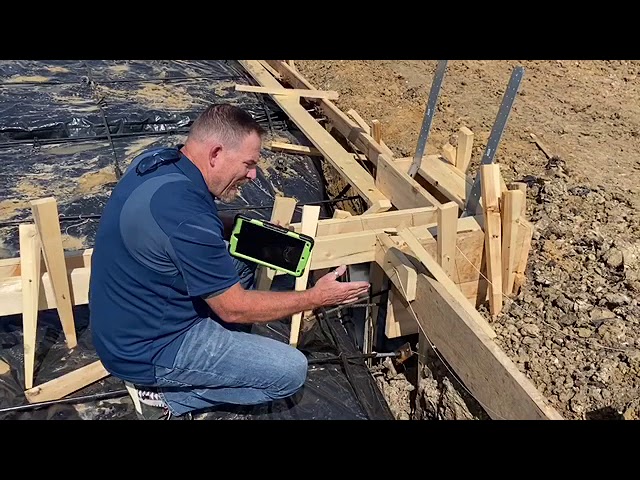
Start to Finish Home Building Series: Foundation Layout – Building Forms
Welcome to the next exciting episode of our “Start to Finish Home Building Series”! In this episode, we’re taking a deep dive into the construction of a home, showcasing every step of the process. Join us as we kick off this episode by laying the groundwork for the foundation, constructing footer forms, and pouring concrete to set the foundation for this future home.
Check out more informative Videos

Knowledge Quiz: Foundation Work
Open Quiz
5 quick questions - see how much you learned!
1) According to the guide, what percentage of structural failures can be traced back to foundation issues?
Answer: A
The introduction states that "Studies show that 80% of structural failures can be traced back to foundation issues."
2) What is the minimum compressive strength (PSI) required for concrete used in foundation work?
Answer: C
The "Concrete Pouring" section specifies "Concrete mix specifications: Minimum 3,000-3,500 PSI compressive strength."
3) What is the minimum recommended moist curing duration for concrete to achieve maximum strength development?
Answer: B
The "Curing" section states "Curing duration: Minimum 7-day moist curing period (14 days recommended for maximum strength development)."
4) What contingency percentage should you budget for foundation work according to the guide?
Answer: D
The "Hidden Foundation Costs" section includes the tip: "Budget 35-40% contingency for foundations (not the standard 10-15%). Foundation surprises are the most expensive surprises in construction."
5) In cold climates, excavation depth must extend at least how many inches below the frost line?
Answer: A
The "Excavation" section states "Excavation depth: Must extend at least 12″ below the frost line in cold climates (typically 36″-48″ in northern regions)."
News And Knowledge
Stay informed with the latest trends, insights, and updates in the real estate world.