Landscaping 2026: Transform Your Outdoors into a Beautiful Space
Landscaping creates essential outdoor living space that enhances property value and lifestyle quality. Research shows that professional landscaping can increase property values by 15-20% and deliver an ROI of 150-175% at resale. This comprehensive guide explores landscape design principles, installation techniques, and expert strategies to ensure your outdoor space delivers maximum beauty, functionality, and environmental benefit.
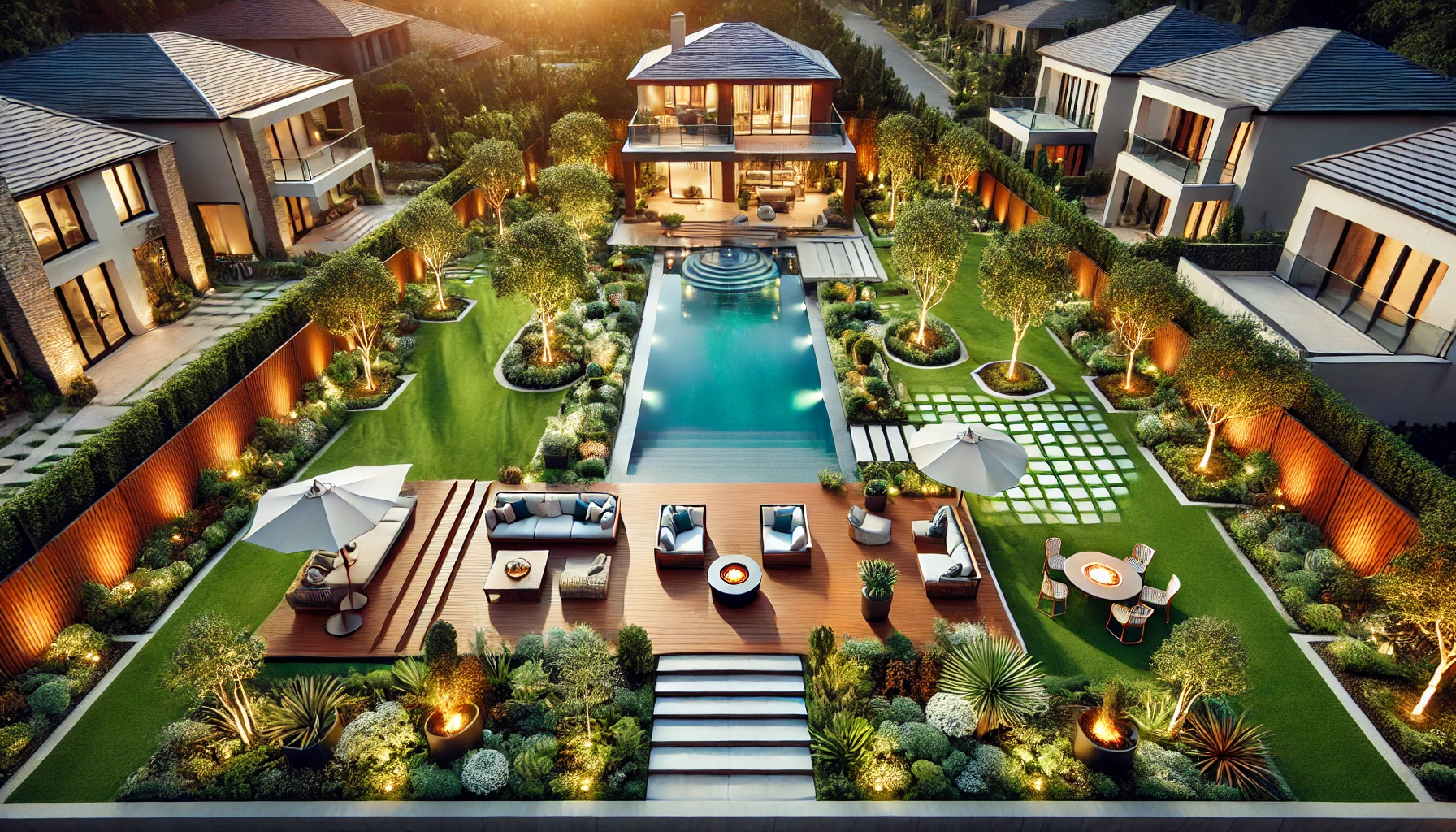
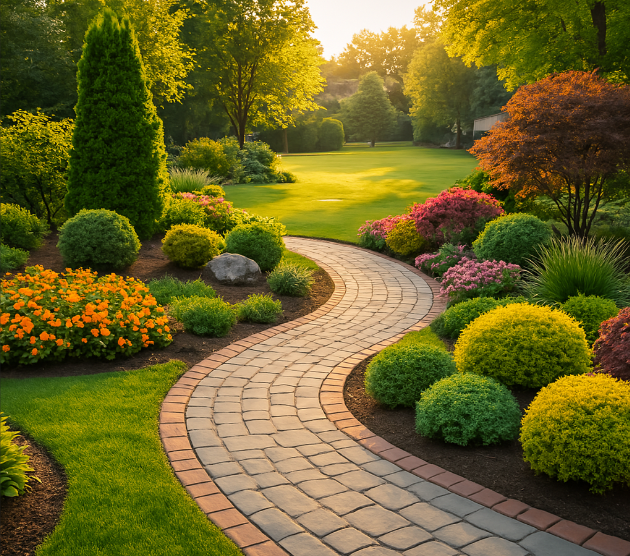
[Image: Professional Landscaping Installation in Progress]
⚡ Quick Answers: Landscaping Costs, Timing & Common Questions (Click for instant answers)
▼📍 See Global-Specific Landscaping Requirements for Your Area Critical plant choices & techniques that ensure success
▼Key Steps in Landscaping
These are the critical steps involved in creating a beautiful, functional landscape that enhances your property:
1. Site Analysis and Planning
Evaluate existing site conditions and develop a comprehensive landscape plan. Professional site analysis identifies opportunities and constraints that inform all subsequent design and implementation decisions.
- Topographical assessment: Analyze drainage patterns, slope gradients (ideal lawn slope 1-2%, maximum 3:1 for plantable slopes), and identify low points for proper water management
- Soil evaluation: Test soil pH (ideal range 6.0-7.0 for most plants), texture (loam preferred), and organic content (minimum 5% for healthy plant growth), amending as needed with specific materials
- Sun/shade mapping: Document sun exposure patterns throughout the day and seasons to select appropriate plant materials (full sun: 6+ hours direct sun, part shade: 3-6 hours, full shade: <3 hours)
2. Grading and Drainage Implementation
Reshape the terrain to manage water flow and create proper foundation for landscape elements. Effective grading and drainage prevents costly water damage while creating suitable conditions for plants and hardscape features.
- Positive drainage creation: Grade soil to direct water away from structures with minimum 2% slope (1/4″ per foot) for at least 10′ from foundations, with strategic swales to channel water to appropriate outlet points
- Subsurface drainage installation: Install French drains in poorly draining areas using 4″ perforated pipe surrounded by 3/4″ clean gravel wrapped in filter fabric, at minimum 1% slope for proper flow
- Erosion control methods: Implement temporary measures during construction (silt fencing, erosion control blankets on slopes >3:1) and permanent solutions (groundcover plantings, terracing for slopes >4:1)
3. Hardscape Construction
Install non-living landscape elements such as patios, walkways, retaining walls, and other structures. Hardscaping creates the essential framework that defines outdoor living spaces and circulation patterns.
- Base preparation: Excavate to proper depth (minimum 6″ for walkways, 8-12″ for driveways) and install compacted granular base (crushed stone or gravel at 95% compaction) with geotextile fabric in poor soil conditions
- Patio/walkway installation: Create proper slope for drainage (minimum 1/8″ per foot away from structures), with appropriate edge restraints (concrete, metal, or plastic), and joint material (polymeric sand for pavers, appropriate spacing for flagstone)
- Retaining wall construction: Build with proper base (minimum 6″ compacted gravel), backfill (3/4″ clear stone with filter fabric), drainage (4″ perforated pipe), and engineering for walls over 4′ high (often requiring permits and structural design)
4. Plant Selection and Installation
Select and install appropriate trees, shrubs, perennials, and turf. Plant material selection based on site conditions and design objectives is essential for long-term landscape success with minimal maintenance.
- Plant selection criteria: Choose species appropriate for your climate zone, soil conditions, and light exposure, emphasizing native plants (requiring 60-80% less water than non-natives) and considering mature sizes to prevent overcrowding
- Tree planting technique: Dig hole 2-3 times wider than root ball but only as deep as root ball height, backfill with native soil (not amended), create 3-4″ high water ring at drip line, and mulch 2-3″ deep (keeping mulch 2-3″ away from trunk)
- Planting design principles: Create interest through layering (trees as canopy, shrubs as understory, perennials and groundcovers as ground layer), with consideration for seasonal interest, bloom time succession, and complementary colors/textures
5. Irrigation System Installation
Design and install an efficient watering system to maintain landscape health. Proper irrigation ensures plant establishment and long-term vigor while conserving water resources.
- System design principles: Create separate hydrozones grouping plants with similar water needs, with head-to-head coverage for spray irrigation and proper spacing for drip emitters (typically 12-18″ apart for shrubs, 6-12″ for perennials)
- Component selection: Choose appropriate delivery methods for different plants (drip irrigation for shrubs and gardens at 1-4 gallons per hour, rotors for large turf areas, spray heads for smaller turf areas) and install pressure regulation (30-50 PSI) to prevent system damage
- Smart controller implementation: Install weather-based or soil moisture sensor controllers that automatically adjust watering schedules based on actual conditions, reducing water consumption by 30-50% compared to traditional timers
6. Landscape Lighting Design
Install outdoor lighting to enhance safety, security, and aesthetics. Strategic lighting extends the usability of outdoor spaces and highlights key landscape features after dark.
- Lighting techniques: Implement layered lighting approaches including path lighting (fixtures 14-18″ high, spaced 6-8′ apart), uplighting for trees and architectural features (positioned 12-18″ from base, angled at 45°), and downlighting from trees (mounted 12-15′ high for natural moonlight effect)
- System specifications: Use low-voltage systems (12-15V) with direct burial cable (minimum 12-gauge for runs over 100′), proper transformers sized at 20% above total wattage requirements, and photocell/timer controls for automatic operation
- Fixture selection: Choose fixtures with appropriate IP ratings for outdoor use (minimum IP65 for wet locations), corrosion-resistant materials (brass, copper, or quality powder-coated aluminum), and compatible LED lamps (2700K-3000K color temperature for warm, natural appearance)
7. Mulching and Final Detailing
Apply mulch and complete finishing touches to enhance appearance and plant health. Proper mulching and detailing significantly improve both the appearance and maintenance requirements of the landscape.
- Mulch application: Apply organic mulch (shredded hardwood, pine straw, or composted bark) at 2-3″ depth in planting beds, maintaining 2-3″ clearance around plant stems and tree trunks to prevent rot, covering approximately 1,000 sq.ft. per cubic yard
- Edging installation: Create distinct transitions between lawn and planting areas using appropriate edging materials (metal, plastic, stone, or spade-cut) installed at proper depth (minimum 4-5″ for metal/plastic edging) to prevent grass encroachment
- Final grading and detail work: Perform fine grading in planting beds with smooth transitions and proper drainage patterns, removing debris and creating clean, crisp edges for a professional finished appearance
Who Handles Landscaping?
Professional landscaping requires various specialized experts with specific knowledge and skills:
- Landscape Architect: Designs comprehensive landscape plans with detailed specifications, planting plans, and construction documents based on site analysis and client requirements
- Landscape Designer: Creates aesthetic planting and hardscape designs with knowledge of plant materials, design principles, and spatial relationships
- Landscape Contractor: Implements landscape plans with expertise in construction techniques, plant installation, and project management
- Hardscape Specialist: Installs patios, walkways, retaining walls, and other structural elements with knowledge of proper construction techniques and material applications
- Certified Arborist: Provides expertise in tree selection, proper planting techniques, health assessment, and preservation of existing specimens
- Irrigation Technician: Designs and installs efficient watering systems with knowledge of hydraulics, equipment selection, and water conservation techniques
- Landscape Lighting Designer: Creates lighting plans that enhance landscape features and provide safety/security with knowledge of electrical systems and lighting techniques
Time & Cost Estimates
The timeline and budget for landscape installation vary based on property size, design complexity, and material selections. Here are detailed estimates for each major phase:
| Landscape Component | Estimated Time | Estimated Cost | Key Value Points |
|---|---|---|---|
| Site Analysis & Planning | 1–2 weeks | $1,500–$5,000 | Creates foundation for successful implementation |
| Grading & Drainage | 3–7 days | $2,000–$6,500 | Prevents water damage and ensures proper conditions |
| Hardscape Construction | 1–3 weeks | $5,000–$20,000 | Provides structure and usable outdoor living space |
| Plant Installation | 3–10 days | $3,000–$15,000 | Creates visual impact and environmental benefits |
| Irrigation System | 2–5 days | $2,500–$7,500 | Ensures plant health and reduces maintenance |
| Landscape Lighting | 1–3 days | $1,800–$5,500 | Extends usability and enhances beauty at night |
| Mulching & Detailing | 1–3 days | $1,200–$3,500 | Completes professional appearance and aids plant health |
| Total Estimates | 3–8 weeks | $17,000–$63,000 | Complete landscape transformation with long-term benefits |
These cost estimations provide a general guideline and cover a range from basic to mid-tier landscaping projects. They may not reflect costs for high-end or luxury installations. For more precise estimates, consult with professionals based on your specific requirements.
Hidden Landscaping Costs That Can Destroy Your Budget
Here’s what landscapers don’t mention in their initial quotes—costs that hit 68% of landscaping projects:
The “Surprise” Cost List:
| Hidden Cost | Typical Range | How to Avoid/Minimize |
|---|---|---|
| Soil Amendment Your soil is dead dirt. |
$2,000–$8,000 | Test soil BEFORE quotes, specify who pays for amendments |
| Tree Removal “Just trim” becomes full removal. |
$1,500–$5,000/tree | Get arborist report first, remove before landscaping |
| Drainage Fixes Water pooling everywhere. |
$3,000–$15,000 | Test with hose during site visit, not after |
| Utility Conflicts Sprinkler meets gas line. |
$2,000–$10,000 | Get utility locates BEFORE design, not during |
| Plant Warranty Deaths 25% die in year one. |
$1,000–$5,000 | Negotiate 2-year warranty, proper watering system |
| Access Damage Equipment crushes driveway. |
$2,000–$8,000 | Photo everything first, specify equipment routes |
| Grade Changes “Slight slope” needs retaining wall. |
$5,000–$20,000 | Get topographical survey, not eyeball estimate |
| Permit Surprises Trees, walls, grading all need permits. |
$500–$3,000 | Ask “what permits needed?” in writing first |
Landscaping Disasters: Real Stories, Real Lessons
Learn from these expensive mistakes—photos and stories from actual landscaping projects:
⚠️ The $65,000 Drainage Disaster
Location: Seattle, Washington | Loss: $65,000 + foundation damage
Homeowner installed beautiful landscaping without addressing yard slope. First winter: water flowed directly into basement, cracked foundation, killed all plants. Had to rip out everything, regrade entire yard, repair foundation, then re-landscape.
- Water should flow AWAY from house (2% min slope)
- Test with garden hose before planting anything
- French drains cheaper than foundation repair
⚠️ The Bamboo Nightmare
Location: Atlanta, Georgia | Loss: $45,000 + lawsuit
Planted “clumping” bamboo for privacy. It was running bamboo. Within 3 years: invaded 3 neighbors’ yards, cracked pool, lifted driveway. Removal required excavator, lawyers, and 2 years of herbicide treatments.
- Never trust “clumping” bamboo claims
- Invasive plants = legal liability
- Check state invasive species lists first
⚠️ The Pool Chemical Kill Zone
Location: Phoenix, Arizona | Loss: $35,000 landscape dead
Spent $35k on desert landscape. Pool contractor drained chlorinated water onto landscape “just once.” Everything died within weeks. Insurance didn’t cover it—”maintenance error.”
- Never let pool water touch plants
- Install barriers during any construction
- Specify protection in all contracts
⚠️ The Sprinkler System Flood
Location: Denver, Colorado | Loss: $28,000 + neighbors’ damage
DIY sprinkler install to save $3,000. Didn’t winterize properly. Pipes burst, created ice rink in January, flooded neighbor’s basement. Insurance paid but tripled premiums.
- Irrigation = potential flood zone
- Winterization is not optional
- Backflow preventers required by law
Landscaping Money-Saving Secrets From 30-Year Veterans
Landscapers hate when homeowners know these tricks—but here they are:
🎯 Timing = Everything (Save 40-50%)
Best Times to Hire:
- Fall Installation: Plants 50% off at nurseries, contractors need work before winter
- Winter Planning: Design work 30% cheaper Dec-Feb
- August Deals: Everyone wants spring install—August is dead (25% discounts)
- End of Month: Crews need to hit quotas—negotiate hard on the 28th
Real Example: Same backyard design: April quote: $45,000 | September quote: $28,500 | Saved: $16,500
💰 Material Hacks That Save Thousands
- Buy Direct: Stone yards sell to public—save 60% vs contractor markup
- Craigslist Gold: Free rocks, pavers, plants from people renovating
- Bulk Mulch: $25/yard from tree services vs $65/yard from landscaper
- Plant Swaps: Facebook groups trade plants—build whole garden free
- End-of-Season: Nurseries dump inventory at 70% off in October
🔨 Smart DIY (Save $10,000-25,000)
| DIY This | Savings |
|---|---|
| Plant installation (not trees) | $3,000-8,000 |
| Mulch spreading | $1,000-2,500 |
| Sod installation | $2,000-5,000 |
| Garden bed edging | $1,500-3,000 |
| Decorative rock placement | $1,000-2,000 |
⚠️ NEVER DIY: Grading, large trees, irrigation mainlines, retaining walls over 2 feet
🎪 Negotiation Secrets
- Bundle Neighbors: Get 3 yards done together = 25% group discount
- Cash Talks: Offer cash payment = 10-15% instant discount
- Material Credit: Buy materials yourself, just pay labor
- Off-Season Labor: Hire crew during slow season at hourly rate
- Phase It: Commit to multi-phase project = better rates
🌱 Long-Term Savings
- Native = Free: Native plants need zero water after year 1 (save $200/month)
- No Lawn: Replace grass with groundcover = save $3,000/year maintenance
- Smart Controller: $200 device saves 40% on water bills forever
- Perennials: Cost 2x annuals but last forever—ROI in year 2
- Trees: Strategic shade trees cut AC bills by $500+/year
💡 Smart Move: Start with hardscaping in fall, add plants in spring when on sale. Same result, 40% less cost.
Future-Proof Your Landscape: Plan Now, Save $30,000+ Later
Smart landscapers prepare for future additions during initial installation. Here’s what to install NOW while equipment is already there:
👨🍳 Future Outdoor Kitchen
Do NOW for $1,500-3,000 | Do LATER for $8,000-15,000
- Run gas line to future location (stub with shutoff)
- Install 220V electrical in weatherproof box
- Pour concrete pad or reinforce area for weight
- Install water line and drainage for sink
- Build underground conduit for future lighting
💡 Smart Move: Install utilities during hardscaping. Cutting concrete later costs 5x more than planning ahead.
🔥 Fire Pit/Fireplace Infrastructure
Prep work saves thousands later
- Gas Line: Install now for $500 vs $2,500 later (under patio)
- Base Prep: Reinforced gravel base while equipment on-site
- Electric: For ignition, lights, or blower ($300 now vs $1,500 later)
- Drainage: Ensure water flows away from fire feature location
💧 Future Water Features
- Electrical: 220V for future pool/hot tub (under patio now)
- Plumbing Rough-In: Sleeve pipes for fountain/pond
- Auto-Fill Lines: For ponds/fountains ($200 now vs $1,000 later)
- Drainage: Overflow routes planned and graded
- Equipment Vault: Underground box for pumps/filters
🏠 Smart Landscape Technology
| Future Addition | Install Now | Cost Now vs Later |
|---|---|---|
| Landscape Lighting | 12V wire runs under hardscaping | $500 vs $3,000 |
| Outdoor Speakers | Conduit and speaker wire paths | $300 vs $2,000 |
| WiFi/Security | Ethernet runs to key locations | $400 vs $2,500 |
| Automated Gates | Power and control wire conduits | $600 vs $3,500 |
🏗️ Future Structure Preparation
- Pergola Footings: Pour concrete bases while mixer on-site ($800 vs $3,000)
- Shed Foundation: Level and prep area with gravel base
- Greenhouse Utilities: Water, electric, and gas rough-ins
- Play Structure Area: Safety surface prep and drainage
⚠️ Critical Documentation!
Create a detailed “Landscape Infrastructure Map”:
- Photo every utility run BEFORE covering
- GPS mark all underground features
- Measure distances from permanent structures
- Create digital and paper copies
- Include depths and pipe/wire specifications
This map is worth $15,000+ in prevented damage and makes future additions simple!
Landscaping Cost Calculator: Get Real Numbers
Stop getting shocked by quotes. Here’s what landscaping ACTUALLY costs based on your project scope:
Cost Breakdown by Project Type
| Yard Size | Basic (Sod + minimal plants) |
Standard (+ hardscape + irrigation) |
Premium (+ lighting + features) |
|---|---|---|---|
| 5,000 sq ft | $15,000-25,000 | $35,000-55,000 | $65,000-100,000 |
| 10,000 sq ft | $25,000-40,000 | $55,000-85,000 | $100,000-150,000 |
| 20,000 sq ft | $40,000-65,000 | $85,000-130,000 | $150,000-250,000 |
| 1+ Acre | $60,000-100,000 | $130,000-200,000 | $250,000-400,000+ |
Individual Element Costs:
| Sod Installation | $0.80-1.50/sq ft installed |
| Planting Beds | $8-15/sq ft (includes plants) |
| Concrete Patio | $12-18/sq ft |
| Paver Patio | $15-25/sq ft |
| Retaining Wall | $25-50/sq ft face |
| Irrigation System | $0.50-1.00/sq ft coverage |
| Landscape Lighting | $150-300/fixture installed |
| Trees (15-gal) | $200-500 each planted |
Cost Multipliers (Add These):
- Steep Slopes: Add 30-50% for equipment difficulty
- Poor Access: Add 20-30% for hand labor
- Rock/Clay Soil: Add 25-40% for amendments
- Existing Demo: Add $5,000-15,000 for removal
- High-End Materials: Natural stone = 2-3x concrete
- Rush Timeline: Add 25-40% for quick completion
💡 Regional Price Variations:
- California/NY: Add 40-60% to base prices
- Texas/Florida: Baseline pricing
- Midwest: Subtract 10-20%
- Rural Areas: Subtract 20-30% (but less contractor choice)
Rule of Thumb: Quality landscaping costs $8-12 per square foot for complete installation.
Anything under $4/sq ft = corners cut. Over $15/sq ft = premium materials or complex site.
Landscaping Q&A: Your Questions Answered
Here are the questions every homeowner asks (but landscapers dodge):
Q: “Why do 3 landscapers give me prices from $20k to $80k for the same yard?”
A: They’re not bidding the same job. Low bid likely excludes: drainage fixes, soil amendments, plant warranties, proper base prep, or uses tiny plants and cheap materials. High bid might include unnecessary work or huge profit margins. Get ITEMIZED quotes and compare line-by-line. The middle bid from an established company (5+ years, good reviews) is usually most honest.
Q: “Do I really need to fix drainage before landscaping?”
A: YES! Skip drainage = 100% guaranteed problems. Water kills plants ($5k+ replacements), ruins hardscaping ($10k+ repairs), floods basements ($30k+ damage), and breeds mosquitoes. Proper drainage costs $3-8k but prevents $50k+ in damage. Test with garden hose—if water pools anywhere for 30+ minutes, fix it first.
Q: “How much can I really save doing it myself?”
A: DIY savings: Planting (save 70% on labor = $3-8k), mulching (save $1-2k), sod installation (save $2-5k), simple patios (save 50%). Total potential: $10-20k. BUT never DIY: grading (disaster if wrong), irrigation mainlines (flood risk), retaining walls over 2 feet (collapse danger), large trees (equipment needed). Mess these up = pay 2x to fix.
Q: “What’s the #1 plant that everyone regrets?”
A: BAMBOO (even “clumping” types). Runners: Bradford pear (breaks in storms), Wisteria (destroys structures), English ivy (kills everything), Mint (takes over), Willow near houses (roots destroy pipes). That “cute” plant at the nursery might become a $20k removal project. Always Google “[plant name] invasive problems” before buying.
Q: “Why did half my new plants die in the first year?”
A: 90% of plant deaths = watering mistakes. New plants need DEEP watering 2-3x/week, not daily sprinkles. Other killers: planted too deep (crown rot), mulch against trunk (bark rot), wrong sun exposure, or planted in summer heat. Demand 2-year warranty and detailed watering instructions. Good landscapers guarantee plants because they plant correctly.
Q: “Is artificial turf really maintenance-free?”
A: NO! Artificial turf needs: monthly rinsing, annual deep cleaning ($500), infill replacement every 3-5 years ($1,500), gets 20-40° hotter than real grass, costs $8-15/sq ft installed, lasts 8-15 years before replacement. It saves water but isn’t “no maintenance.” Great for dogs/high traffic, terrible for environment/heat. Calculate 10-year costs before deciding.
Best Time to Landscape (Save 30-40% + Better Plant Survival)
Timing is everything. Plant at the right time = 90% survival rate. Wrong time = 50% death + replacements:
| Region | BEST Months (Plants thrive) |
OK Months (Needs extra care) |
AVOID (Plant death likely) |
Why? |
|---|---|---|---|---|
| Northeast US | Sep-Oct, Apr-May | Nov, Mar | Jun-Aug, Dec-Feb | Fall = roots grow all winter. Summer = heat stress kills |
| Southeast US | Oct-Nov, Mar-Apr | Dec, Feb | May-Sep | Brutal summer heat/humidity = fungus + death |
| Pacific NW | Sep-Nov, Mar-May | Dec-Feb | Jun-Aug | Summer drought surprises rain-loving plants |
| Southwest US | Oct-Nov, Mar-Apr | Dec-Feb | May-Sep | 120°F soil = instant root death |
| Midwest US | Sep-Oct, Apr-May | Nov, Mar | Jun-Aug, Dec-Feb | Extreme temps both directions |
| Mountain West | May-Jun, Sep | Apr, Oct | Jul-Aug, Nov-Mar | Short season + random freezes |
| California | Oct-Dec, Feb-Apr | Jan, May | Jun-Sep | Plant before rains, not during drought |
| Florida | Nov-Feb | Mar, Oct | Apr-Sep | Hurricane season + extreme heat/humidity |
🌡️ Temperature Rules for Success:
- Soil Temp for Planting: 50-85°F (measure 4″ deep at 8am)
- Air Temp: Consistently above 40°F nights, below 85°F days
- No Planting If: Ground frozen, drought restrictions, or 90°F+ forecast
- Trees/Shrubs: Need 6-8 weeks before first frost to establish
- Perennials: Need 4-6 weeks before ground freezes
💰 Seasonal Price Reality:
| Spring (Peak) | 100% pricing – everyone wants landscaping |
| Summer | 80-90% – hot but still busy |
| Fall (BEST) | 60-70% – contractors need winter work |
| Winter | 50-60% – design/planning only in cold regions |
Smart Strategy: Design in winter, hardscape in early spring, plant in fall = save 30-40% total
Cost-Saving Tips
Optimize your landscaping investment with these expert strategies:
- Native plant prioritization: Focus on regionally appropriate native species that require 60-80% less water and maintenance than non-native alternatives, reducing annual maintenance costs by $500-$2,000 depending on property size
- Phased implementation: Develop a comprehensive master plan but install landscape elements over multiple seasons, allowing budget flexibility while ensuring cohesive final results
- Hardscape material alternatives: Consider concrete pavers ($12-$20 per sq.ft. installed) instead of natural stone ($25-$40 per sq.ft. installed) or stamped concrete ($15-$25 per sq.ft.) instead of brick pavers ($18-$30 per sq.ft.) for similar aesthetic at lower cost
- Strategic tree placement: Position deciduous trees on south and west sides of buildings to provide summer shade and winter sun, potentially reducing cooling costs by 15-35% and heating costs by 10-20%
- Plant size optimization: Install smaller plant material (1-gallon perennials vs. 3-gallon, #5 shrubs vs. #7) that will reach mature size within 2-3 growing seasons at 40-60% less initial cost
- Water efficiency investment: Allocate budget for smart irrigation controllers and high-efficiency delivery systems that reduce water usage by 30-50%, qualifying for rebates in many municipalities while lowering ongoing utility costs
Related Landscaping & Construction Guides
Continue your outdoor transformation with these essential guides:
Pool Construction Guide
Planning a pool? Coordinate with landscaping for huge savings on excavation and utilities.
Read More →Site Preparation
Must-read before landscaping. Proper grading and drainage prevents costly landscape failures.
Read More →Find Landscape Architects
Connect with qualified professionals who can design your dream outdoor space.
Read More →Electrical Work Guide
Plan outdoor lighting and power. Install conduits during landscaping to save thousands.
Read More →Plumbing Installation
Install outdoor water lines and irrigation during landscaping. Plan for future outdoor kitchens.
Read More →Complete Build Process
See how landscaping fits into the overall construction timeline and sequence.
Read More →Summary: Your Landscaping Action Plan
1. Start With Proper Planning
Invest time and resources in professional site analysis and comprehensive landscape design before beginning installation. This critical first step ensures that your landscape addresses site challenges, meets your specific needs, and can be implemented efficiently.
2. Prioritize Infrastructure Elements
Focus first on essential infrastructure including grading, drainage, and hardscape elements. These foundational components determine how your landscape functions and are difficult to modify later, while also providing immediate usability for outdoor living.
3. Select Appropriate Plant Material
Choose plants suited to your specific site conditions, climate zone, and maintenance capabilities. Regionally appropriate selections will establish more quickly, require less supplemental water and care, and provide greater long-term success with minimal intervention.
A thoughtfully designed and properly installed landscape enhances your property value while creating beautiful outdoor living space. Following these professional guidelines ensures that your landscape will mature gracefully while requiring minimal maintenance and resources.
Transform Your Landscape With Confidence
Track Your Progress: Monitor your landscaping milestones with our interactive tools
Stay Notified: Receive alerts for optimal planting windows, irrigation scheduling, and seasonal maintenance tasks
Step-by-Step Guidance: Follow detailed instructions on installation techniques, plant selection, and landscape care
Reduce Stress: Keep all landscape plans, plant information, and maintenance guidelines organized in one secure location
Whether you’re creating a landscape for a new property or renovating existing outdoor spaces, professional landscaping transforms your environment into a beautiful, functional extension of your home. Explore our Step-by-Step Builds, Step-by-Step Buys, and Step-by-Step Invest resources for more expert guidance.
When building your own home, always do your due diligence. Consult the professionals you’ve hired—such as your architect, subcontractors, or engineers—and confirm that your work complies with all local building codes and inspections required in your country, state, or province. Builds and Buys is for educational purposes only. Always verify with licensed professionals.
How to make a landscape design 🪴 THE STEPS 🪴 Plus DIY tips for a first time landscape design
Learn how to make a landscape design! Do you know the main steps? I hope these tips for a first time landscape design will help you get started!
Check out more informative Videos

Knowledge Quiz: Landscaping
Open Quiz
5 quick questions - see how much you learned!
1) According to the guide, professional landscaping can increase property values by what percentage?
Answer: B
The introduction states that "Research shows that professional landscaping can increase property values by 15-20% and deliver an ROI of 150-175% at resale."
2) What is the ideal soil pH range for most plants according to the soil evaluation section?
Answer: C
The "Site Analysis and Planning" section specifies "Test soil pH (ideal range 6.0-7.0 for most plants)."
3) What is the minimum slope requirement for positive drainage away from structures?
Answer: A
The "Grading and Drainage Implementation" section states "Grade soil to direct water away from structures with minimum 2% slope (1/4″ per foot) for at least 10′ from foundations."
4) What is the recommended mulch depth and clearance from plant stems according to the mulching guidelines?
Answer: D
The "Mulching and Final Detailing" section specifies "Apply organic mulch...at 2-3″ depth in planting beds, maintaining 2-3″ clearance around plant stems and tree trunks to prevent rot."
5) What contingency percentage does the guide recommend adding to landscaping budgets?
Answer: C
The "Hidden Landscaping Costs" section includes the PRO TIP: "Add 30-35% contingency to landscaping budgets. If contractor says 'no surprises,' they're lying or new."
News And Knowledge
Stay informed with the latest trends, insights, and updates in the real estate world.