Plumbing and Electrical 2026: Install Essential Systems for Your Building
Plumbing and electrical systems are the critical infrastructure that powers and services your entire building. Research shows that 67% of building failures relate to these core systems, and proper installation can reduce maintenance costs by up to 40% over 15 years. This comprehensive guide explores professional installation techniques, code requirements, and expert strategies to ensure your systems provide decades of reliable, efficient service.
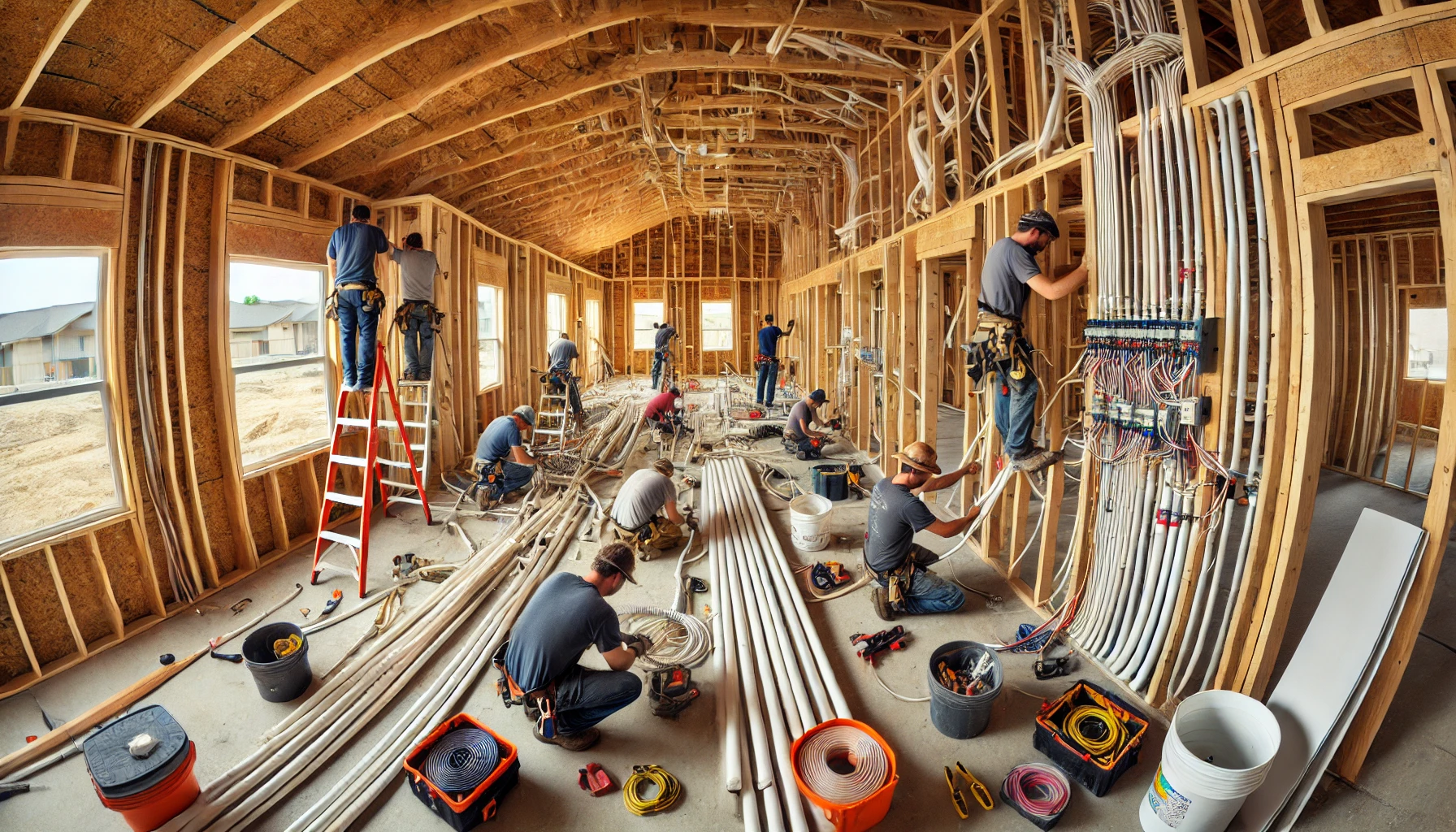
[Image: Professional Plumbing and Electrical Installation in Progress]
⚡ Quick Answers: Plumbing & Electrical Costs, Common Problems (Click for instant answers)
▼📍 Global Plumbing & Electrical Standards for Your Region Critical differences that prevent disasters
▼Key Steps in Plumbing and Electrical Work
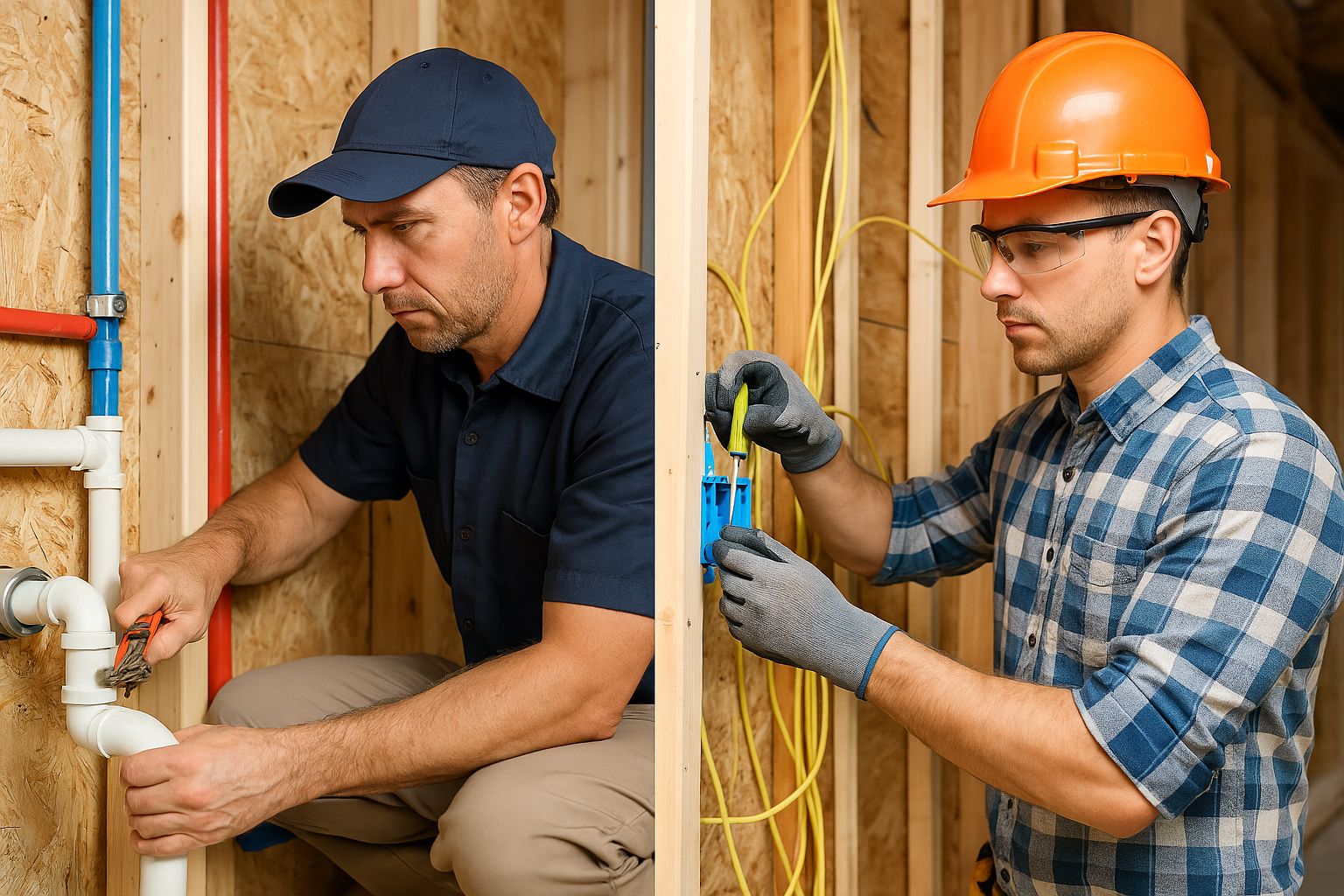
These are the critical tasks involved in installing proper plumbing and electrical systems:
1. Plumbing Layout and Planning
Map out the entire plumbing system, mark pipe routes, and designate fixture locations. This crucial planning phase establishes the foundation for an efficient water distribution and drainage system while minimizing potential conflicts with other building elements.
- Water supply design: Create a trunk and branch system with 3/4″ main lines reducing to 1/2″ fixture supplies, maintaining minimum 45 PSI at fixtures
- Drainage planning: Design with proper slope (1/4″ per foot for horizontal runs), vent stacks within 5′ of fixtures, and clean-out access points every 100′
- Material selection: Choose between PEX, copper, or CPVC for supply lines based on local codes, water chemistry, and pressure requirements
2. Rough-In Plumbing
Install water supply lines, drain pipes, and vent pipes before walls and floors are closed. This phase establishes the hidden infrastructure that will serve your building for decades and must be executed with precision.
- Supply line installation: Secure pipes every 6′ horizontally and 8′ vertically with proper hangers, allowing for thermal expansion (especially for copper)
- Waste pipe configuration: Install 3″-4″ main drain lines with 2″ branch lines, ensuring proper fall and support at maximum 4′ intervals
- Pressure testing: Test water supply lines at 100 PSI for 2 hours without pressure drop; test DWV systems with 10′ water column for 15 minutes
3. Plumbing Fixture Installation
Install sinks, toilets, bathtubs, showers, and other fixtures after finishing work is complete. Proper fixture installation ensures leak-free operation, easy maintenance, and user comfort throughout the building’s life.
- Fixture mounting: Secure fixtures to structural elements with appropriate fasteners (lag bolts for toilets, silicone and clip systems for undermount sinks)
- Sealing techniques: Apply 100% silicone caulk at fixture-to-surface joints, wax rings for toilet flanges, and plumber’s putty for certain drain assemblies
- Water efficiency: Install WaterSense-certified fixtures (1.28 GPF toilets, 1.5 GPM faucets) to reduce consumption by 20-30% compared to standard options
4. Electrical Layout and Planning
Design the electrical system and plan wiring routes for outlets, switches, and appliances. A well-designed electrical plan ensures adequate capacity, safety, and flexibility for current and future needs.
- Load calculation: Determine service size using NEC guidelines (typically 200A for modern homes), with minimum 3VA per square foot for general lighting
- Circuit planning: Design dedicated 20A circuits for kitchens and bathrooms, 15A circuits for general lighting/outlets, with maximum 10 outlets per general circuit
- Panel location: Position main electrical panel in accessible location at least 3′ from water sources, with minimum 36″ clearance in front
5. Rough-In Wiring
Run electrical wiring and set up electrical panels and breakers prior to finishing walls. This phase establishes the electrical infrastructure that will power all systems and devices throughout the building.
- Cable selection: Use 14 AWG for 15A circuits, 12 AWG for 20A circuits, and 10 AWG for 30A circuits, with appropriate insulation rating (THHN/THWN-2)
- Box installation: Mount outlet boxes 12″-18″ above finished floor, switch boxes 48″ above floor, with proper box volume for number of conductors
- Circuit protection: Install GFCI protection for all kitchen, bathroom, garage, and outdoor outlets; AFCI protection for bedrooms and living areas
6. Electrical Fixture and Outlet Installation
Install outlets, switches, lighting fixtures, and test for proper functionality. This finishing phase makes the electrical system usable and must be completed with attention to both safety and aesthetics.
- Connection methods: Use side screw terminals for solid wire, back-wire holes for stranded wire, with proper torque specifications (12-14 inch-pounds for #14-10 wire)
- Light fixture mounting: Ensure boxes for ceiling fixtures can support minimum 50 lbs, with fan-rated boxes (70 lbs capacity) for ceiling fans
- Grounding compliance: Verify all metal components are properly grounded, including switch/outlet boxes, light fixtures, and appliance housings
7. Inspection and Final Testing
Schedule inspections and perform comprehensive testing to ensure both systems meet safety codes and performance standards. Final verification prevents potential hazards and ensures full functionality before occupancy.
- Plumbing verification: Confirm fixture operation, check for leaks under full pressure, verify drainage speed, and test water temperature regulation
- Electrical testing: Measure voltage at outlets (120V ±5%), check GFCI/AFCI trip function, verify polarity, and confirm proper grounding (max 25 ohms resistance)
- Documentation: Create as-built plans showing actual installation locations, valve positions, and circuit designations for future reference
Who Handles Plumbing and Electrical Work?
These technical installations require highly trained professionals with proper licensing and certification:
- Master Plumber: Oversees the entire plumbing installation, designs systems according to codes, and pulls required permits with minimum 7-10 years of experience and licensing
- Journeyman Plumbers: Execute the installation of pipes, fixtures, and components under master plumber supervision, typically with 4-5 years of experience
- Plumbing Apprentices: Assist with material handling, basic installations, and learn trade skills under direct supervision of journeyman or master plumbers
- Master Electrician: Designs electrical systems, determines load requirements, and oversees the entire electrical installation with licensing requiring 8-10 years of experience
- Journeyman Electricians: Install primary electrical components, run circuits, and connect fixtures under master supervision with 4-6 years of experience
- Electrical Apprentices: Support journeyman electricians, handle basic tasks, and develop skills through hands-on experience and classroom training
- Mechanical Engineer: Provides specifications for complex systems integration, especially in larger buildings with multiple mechanical systems
Time & Cost Estimates
The timeline and budget for plumbing and electrical work vary based on building size, system complexity, and fixture/equipment quality. Here are detailed estimates for each major phase:
| System Component | Estimated Time | Estimated Cost | Key Value Points |
|---|---|---|---|
| Plumbing Layout & Planning | 2–3 days | $1,200–$3,500 | Prevents costly corrections and ensures efficient water distribution |
| Rough-In Plumbing | 5–8 days | $4,500–$12,000 | Creates the hidden infrastructure that serves the building for decades |
| Plumbing Fixture Installation | 2–4 days | $1,800–$5,500 | Provides the user interface for the plumbing system with proper sealing |
| Electrical Layout & Planning | 2–3 days | $1,200–$3,800 | Designs system with adequate capacity for current and future needs |
| Rough-In Wiring | 5–9 days | $4,800–$14,000 | Establishes safe, code-compliant power distribution throughout building |
| Electrical Fixture Installation | 2–4 days | $1,500–$5,000 | Makes the electrical system functional with proper connections |
| Inspection & Testing | 1–2 days | $800–$2,200 | Verifies safety compliance and proper operation before occupancy |
| Total Estimates | 19–33 days | $15,800–$46,000 | Complete, integrated systems with long-term reliability and safety |
These cost estimations provide a general guideline and cover a range from basic to mid-tier builds. They may not reflect costs for high-end or luxury projects. For more precise estimates, consult with professionals based on your specific requirements.
Hidden Plumbing & Electrical Costs That Destroy Budgets
These sneaky costs hit 81% of builds—contractors conveniently “forget” to mention them:
The “Oh, We Didn’t Mention That” Cost List:
| Hidden Cost | Typical Range | How to Avoid/Minimize |
|---|---|---|
| Service Entrance Upgrade “Your panel is only 100 amps? That’s not enough.” |
$2,500–$5,000 | Check panel BEFORE planning. 200A minimum for modern homes |
| Copper Price Surge Wire prices change daily, quotes expire fast. |
$1,000–$4,000 | Lock in material prices or buy wire yourself upfront |
| GFCI/AFCI Requirements “Code changed, need $50 breakers everywhere.” |
$800–$2,500 | Know current code. Budget $50-75 per required breaker |
| Sewer Lateral Replacement Old clay pipe to street is cracked/crushed. |
$3,000–$15,000 | Camera inspection BEFORE buying property ($300) |
| Water Meter Upgrade City requires new meter for renovations. |
$1,500–$4,000 | Call water department before starting work |
| Concrete Cutting Slab plumbing = jackhammering floors. |
$2,000–$8,000 | Run plumbing through walls/ceiling when possible |
| Permit Upgrades “Inspector wants whole house brought to code.” |
$2,000–$10,000 | Get written scope limits from building department first |
| Drywall Repairs Plumber/electrician doesn’t patch holes. |
$1,500–$3,500 | Get “patch included” in writing or hire separately |
| Fixture Rough-In Mismatch That $2k toilet doesn’t fit the rough-in. |
$500–$2,000 | Buy fixtures BEFORE rough-in, give specs to plumber |
| Temporary Power/Water Need utilities during construction. |
$800–$2,000 | Include in contract or arrange yourself |
Plumbing & Electrical Disasters: Real Horror Stories
Learn from these catastrophic mistakes—actual insurance claims and lawsuits:
⚠️ The $180,000 Flood Disaster
Location: Denver, Colorado | Loss: $180,000 + lawsuit
Plumber used push-fit SharkBite fittings in concealed wall (code violation). Fitting failed after 8 months, flooded 3 floors of luxury condo. Insurance denied claim due to improper installation. Owner sued plumber AND general contractor.
- Push-fit fittings hidden in walls (NEVER allowed)
- No inspection of concealed work
- Hired unlicensed “plumber” to save $2,000
- No pressure test before closing walls
⚠️ The Aluminum Wiring Fire
Location: Phoenix, Arizona | Loss: Total loss – $450,000 home
1970s home with aluminum wiring. Electrician connected new copper circuits directly to old aluminum. Dissimilar metals created resistance, overheating, fire. Family escaped but lost everything. Insurance paid but sued electrician.
- Mixed aluminum and copper without special connectors
- Didn’t identify aluminum wiring (looks like copper)
- No AFCI breakers that would have prevented fire
- Electrician wasn’t familiar with aluminum wiring
⚠️ The Sewer Gas Death Trap
Location: Miami, Florida | Loss: $95,000 + criminal charges
DIY landlord installed bathroom without proper venting. Sewer gases backed up into apartment. Tenant hospitalized with methane poisoning. Health department condemned building. Criminal negligence charges filed.
- No vent stack (thought it was “optional”)
- S-traps instead of P-traps (sucked dry)
- No permit or inspection
- Ignored “rotten egg” smell complaints
⚠️ The Neutral Wire Nightmare
Location: Toronto, Canada | Loss: $75,000 electronics destroyed
Electrician lost neutral in main panel during service upgrade. Sent 240V through 120V circuits. Every electronic device in home destroyed instantly – TVs, computers, appliances, HVAC systems. Insurance covered but family displaced for 3 months.
- Worked on live panel (saved 2 hours)
- No voltage testing after work
- Homeowner not warned to unplug electronics
- No whole-house surge protector
⚠️ The Frozen Pipe Explosion
Location: Minneapolis, Minnesota | Loss: $125,000 + mold
Plumber ran water lines in exterior wall without insulation. Pipes froze, burst during vacation. Water ran for 5 days. Destroyed kitchen, floors, basement. Black mold developed. 6-month remediation nightmare.
- Water lines in exterior walls (code violation)
- No insulation between pipe and sheathing
- No shutoff valve accessible to homeowner
- No freeze alarm system
⚠️ The Ground Fault Electrocution
Location: Houston, Texas | Loss: Near-fatal injury + $2.5M lawsuit
Electrician skipped GFCI protection on outdoor outlet to save $40. Homeowner’s daughter shocked while washing dog. Cardiac arrest, permanent nerve damage. Electrician lost license, criminal charges, bankruptcy from lawsuit.
- No GFCI on outdoor outlet (mandatory since 1973)
- Improper grounding on metal hose bib
- Told homeowner “GFCI not necessary”
- Saved $40, cost someone’s life
🚨 Common Thread in ALL Disasters:
- Unlicensed “professionals” – saved pennies, lost fortunes
- Skipped inspections – every disaster was preventable
- Cheap materials in critical spots – failed within 2 years
- Ignored code requirements – codes exist because people DIED
Remember: Good plumbing/electrical is expensive. Bad plumbing/electrical is CATASTROPHIC.
Plumbing & Electrical Money-Saving Secrets From Master Tradesmen
Legitimate ways to cut costs WITHOUT cutting corners (or cutting power to your neighborhood):
🎯 Timing Your Trades (Save 20-40%)
Best Times to Hire:
- January-February: Post-holiday slow season = 30% discounts
- August: Too hot for construction = desperate for indoor work
- End of Quarter: Companies need revenue for reports
- Group Scheduling: “I have 3 neighbors who need work too” = bulk discount
Real Example: Same master bathroom rough-in: June quote: $4,800 | January quote: $3,200 | With 2 neighbors: $2,600 each
💰 Material Strategies That Work
- PEX vs Copper: PEX costs 60% less, installs 70% faster, better freeze resistance
- Buy Your Own Fixtures: Contractor markup is 40-100% on fixtures
- Wholesale Accounts: Open account at supply house (save 30-40%)
- Wire Buying Strategy: Buy all wire when copper prices dip
- Fixture Packages: Buy all from one supplier = 20-30% package discount
🔨 Smart Labor Savings
| Strategy | Typical Savings |
|---|---|
| Centralize plumbing (back-to-back bathrooms) | $2,000-4,000 |
| Stack plumbing vertically (kitchen over laundry) | $1,500-3,000 |
| Run your own low-voltage (ethernet, speakers) | $1,000-2,500 |
| Install boxes/straps before electrician arrives | $500-1,200 |
| Combine trades (same day rough inspection) | $300-800 |
🎪 The “Future-Ready” Method
Install Infrastructure Now, Finish Later:
- Extra Bathroom Rough-In: $800 now vs $3,000 to add later
- 220V Outlet for EV: $300 during build vs $1,500 retrofit
- Whole-House Water Filter Loop: $200 rough-in vs $800 later
- Generator Transfer Switch: $500 now vs $1,500 after drywall
- Central Vacuum Pipes: $600 now vs impossible later
📋 Negotiation Scripts That Work
“I have 3 quotes. You’re not the lowest, but I prefer your work. Can you help me out?”
→ Usually gets 10-15% discount
“If I pay cash/check immediately upon completion?”
→ 5-10% cash discount common
“I’m flexible on timing. When’s your slow season?”
→ 20-30% savings for flexibility
“What if I buy all materials and fixtures?”
→ Reduces quote by 20-30% (labor only)
NEVER SAY: “What’s your best price?” or “That seems high” = instant markup
⚠️ False Economy Warnings
NEVER Cheap Out On:
- Main water shutoff valve (emergency use = must work)
- Main electrical panel (fires start here)
- GFCI/AFCI protection (prevents death/fire)
- Pipe/wire inside walls (impossible to replace)
- Sewer line to street (replacement = $10,000+)
Save money on fixtures you can see and touch. NEVER on infrastructure you can’t.
Future-Proof Your Plumbing & Electrical: Plan Now, Save Thousands Later
Smart infrastructure investments during construction that pay off huge when needs change:
🏠 Smart Home Infrastructure
Install NOW for $500-1,500 | Retrofit LATER for $5,000-10,000
- Neutral Wires: Run to all switch boxes (required for smart switches)
- Deep Boxes: Use deep boxes for smart device bulk
- CAT6 Everywhere: Hardwired is ALWAYS better than WiFi
- Dedicated IoT Network: Separate VLAN-capable infrastructure
- Extra Circuits: For high-draw smart appliances coming soon
💡 Smart Move: Run 2″ conduit from basement to attic = future-proof any cable needs
⚡ Electric Vehicle & Solar Ready
| Future Need | Install Now | Cost Now vs Later |
|---|---|---|
| Level 2 EV Charger | 60A circuit + NEMA 14-50 outlet | $400 vs $1,800 |
| Solar Panel System | 225A+ panel, conduit to roof | $800 vs $2,500 |
| Battery Backup | Critical loads panel + space | $600 vs $2,000 |
| Second EV | Another 60A circuit rough-in | $200 vs $1,500 |
💧 Advanced Water Systems
- Whole-House Filter: Install bypass loop now ($150), add filter anytime
- Hot Water Recirculation: Run return line now ($300) vs impossible later
- Greywater Ready: Separate drain stubs for future recycling system
- Leak Detection: Install sensor wire routes during rough-in
- Soft Water Loop: Pre-plumb for water softener addition
♿ Aging-in-Place Infrastructure
Install blocking and infrastructure now for future needs:
- Bathroom Blocking: 2×10 blocking for future grab bars ($50)
- Wider Doorways: 36″ rough openings everywhere ($0 extra)
- Stair Lift Prep: Dedicated circuit + mounting blocks ($200)
- Roll-in Shower: Curbless drain now vs major remodel later
- Elevator Shaft: Frame it as closets now, convert later
⚠️ Document EVERYTHING for Future You!
Create a “House Manual” with:
- Photos of all walls BEFORE drywall (shows pipe/wire locations)
- Circuit diagram with ACTUAL breaker labels
- Water shutoff map (every fixture + main)
- Model numbers of all installed components
- Save to cloud + physical binder + give to realtor
This documentation is worth $10,000+ to future buyers!
Plumbing & Electrical Cost Calculator: Real Numbers by Home Size
Stop getting shocked by quotes. Here’s what it REALLY costs based on your project:
Complete Installation Costs (New Construction)
| Home Size | Basic (Builder Grade) |
Standard (Good Quality) |
Premium (High-End) |
|---|---|---|---|
| 1,000-1,500 sq ft 2 bed/1 bath |
Plumbing: $4,500-6,500 Electrical: $3,500-5,000 Total: $8,000-11,500 |
Plumbing: $6,500-9,000 Electrical: $5,000-7,500 Total: $11,500-16,500 |
Plumbing: $9,000-15,000 Electrical: $7,500-12,000 Total: $16,500-27,000 |
| 1,500-2,500 sq ft 3 bed/2 bath |
Plumbing: $7,000-10,000 Electrical: $5,500-8,000 Total: $12,500-18,000 |
Plumbing: $10,000-14,000 Electrical: $8,000-12,000 Total: $18,000-26,000 |
Plumbing: $14,000-22,000 Electrical: $12,000-18,000 Total: $26,000-40,000 |
| 2,500-3,500 sq ft 4 bed/3 bath |
Plumbing: $10,000-14,000 Electrical: $8,000-11,000 Total: $18,000-25,000 |
Plumbing: $14,000-20,000 Electrical: $11,000-16,000 Total: $25,000-36,000 |
Plumbing: $20,000-32,000 Electrical: $16,000-25,000 Total: $36,000-57,000 |
| 3,500+ sq ft 5+ bed/4+ bath |
Plumbing: $14,000-20,000 Electrical: $11,000-15,000 Total: $25,000-35,000 |
Plumbing: $20,000-30,000 Electrical: $15,000-22,000 Total: $35,000-52,000 |
Plumbing: $30,000-50,000+ Electrical: $22,000-35,000+ Total: $52,000-85,000+ |
Cost Multipliers (Add to Base Prices):
- Old Home Rewire/Replumb: Add 40-60% (demolition + patching)
- Slab Foundation: Add 25-35% (concrete cutting/trenching)
- Multi-Story: Add 15-20% per floor above first
- Luxury Features: Steam shower (+$3-5k), Whole-house audio (+$2-8k)
- Remote Location: Add 20-30% for travel time
- Rush Job: Add 25-50% for overtime/priority
💡 Per-Fixture Average Costs:
- Toilet rough-in: $300-600
- Sink rough-in: $250-500
- Shower/tub: $400-1,200
- Water heater: $800-2,500
- Outlet: $150-300
- Switch: $100-200
- Light fixture box: $75-150
- 240V outlet: $300-600
Plumbing & Electrical Q&A: Your Burning Questions Answered
The questions every homeowner has (but contractors dodge):
Q: “Why does my electrician want $3,000 just for the panel upgrade?”
A: It’s not just swapping a box. They must: coordinate utility disconnect (full day), pull new service wire from street ($500+ materials), install new meter base, upgrade grounding system, reconnect EVERY circuit properly, get utility inspection. One mistake = house fire or electrocution. You’re paying for expertise that keeps you alive. Fair price: $2,000-4,000 depending on amperage.
Q: “Can I use SharkBite fittings to save money?”
A: ONLY where you can see and access them – under sinks, water heater connections. NEVER in walls, ceilings, or underground. They’re great for repairs but have a 25-year warranty vs 50+ years for soldered copper. Insurance companies are denying claims for concealed SharkBite failures. Use them wisely: visible locations only.
Q: “My contractor says I need all AFCI breakers now. Is this a scam?”
A: Not a scam – it’s code in most areas since 2014. AFCI breakers prevent arc-fault fires (cause of 50% of electrical fires). Yes, they’re expensive ($40-60 vs $8 regular breakers). Yes, they trip more often. But they’ve prevented thousands of fires. Required in bedrooms, living areas, hallways. Kitchen/bathroom need GFCI instead.
Q: “PEX vs copper pipes – what’s the real truth?”
A: PEX wins for most homes. Costs 60% less, installs 70% faster, won’t burst when frozen, lasts 50+ years. Copper is better for: exposed locations (UV destroys PEX), areas with high chlorine (degrades PEX faster), or if you’re selling to old-school buyers. Avoid PEX only near water heaters (use copper for first 18″).
Q: “Why do plumbers charge $200/hour when electricians charge $100?”
A: You’re not comparing apples to apples. Master plumbers often include: expensive equipment (cameras, jetters), higher insurance costs (water damage claims), more licensing requirements, and fewer available (5-year apprenticeships). Also, plumber hourly rates usually include truck/tools, while electricians often charge separately. Real rates: both $75-150/hour plus materials.
Q: “Can I DIY rough plumbing/electrical then hire pros to connect?”
A: Legally? Usually no. Most jurisdictions require licensed professionals for rough-in. Practically? No licensed pro will connect DIY rough work – too much liability. If it fails, they’re sued. Plus, inspectors will ask who did rough-in. Getting caught = redo everything + fines. Exception: some areas allow homeowner electrical (not plumbing) with permit and test.
Q: “What’s this ‘expansion tank’ the plumber wants to add for $300?”
A: It’s required by code if you have a backflow preventer (most cities mandate). When water heats, it expands. Without expansion tank, pressure spikes damage fixtures, cause leaks, void warranties. That $300 prevents: blown water heater ($1,500), failed fixtures ($2,000+), and constant drips. Not optional – it’s protection.
Q: “My electrician says aluminum wiring is fine with special connectors. True?”
A: Technically true, practically risky. COPALUM crimps or AlumiConn connectors can make aluminum wiring “safe.” But: insurance companies hate it (higher premiums), buyers run away, and one missed connection = fire. If you own aluminum wiring: budget for complete rewire within 5 years. Band-aids don’t fix broken bones.
Best Time for Plumbing & Electrical Work (Avoid Disasters + Save Money)
Timing matters MORE for these trades than any other. Here’s when to schedule:
| Region | BEST Months (Ideal Conditions) |
OK Months (Manageable) |
AVOID (Problems) |
Why It Matters |
|---|---|---|---|---|
| Northeast US | Apr-Jun, Sep-Oct | Mar, Nov | Dec-Feb, Jul-Aug | Frozen pipes in winter, no AC while power off in summer |
| Southeast US | Oct-Dec, Feb-Apr | Jan, May | Jun-Sep | Attic work impossible in summer (140°F+) |
| Pacific NW | Jun-Sep | May, Oct | Nov-Apr | Crawlspace flooding makes work impossible |
| Southwest US | Oct-Mar | Apr, Sep | May-Aug | Solder won’t work in 115°F, workers get heat stroke |
| Midwest US | May-Jun, Sep-Oct | Apr, Nov | Dec-Mar, Jul-Aug | Extreme temps both directions = material failures |
| Mountain West | Jun-Sep | May, Oct | Nov-Apr | Pipes freeze while working, glues don’t cure |
🌡️ Temperature Rules for Materials:
- PVC/CPVC Glue: Won’t cure below 40°F – joints fail
- Solder: Difficult above 95°F – joints won’t seal
- PEX: Becomes brittle below 20°F during install
- Wire Pulling: Insulation cracks below 14°F
- Caulk/Sealants: Won’t cure properly below 45°F
⚠️ Critical Timing Considerations:
- Water Shutoff: Plan for 4-8 hours without water (fill bathtubs first)
- Power Outage: Electrical work = no power for 2-6 hours minimum
- Open Walls: Schedule insulation/drywall immediately after rough inspection
- Material Delivery: Order 2 weeks early – supply chain still unstable
- Inspection Windows: Book inspections 2-3 weeks ahead in busy season
Cost-Saving Tips
Optimize your plumbing and electrical investment with these expert strategies:
- Consolidated fixture locations: Design plumbing with back-to-back bathrooms and stacked wet walls to minimize pipe runs, potentially reducing material costs by 15-20%
- Strategic material selection: Use PEX instead of copper for supply lines where code permits, saving 30-40% on material costs while improving freeze resistance
- Bulk purchasing power: Order fixtures, wiring, and components directly from wholesale suppliers rather than through contractors, often saving 20-25%
- Energy-efficient planning: Install dedicated electrical circuits and water lines for energy-efficient appliances, qualifying for utility rebates of $200-$500
- Future-proofing preparation: Install extra electrical conduits and water line sleeves during rough-in phase at minimal cost, avoiding costly wall/floor opening for future additions
- Quality balance strategy: Invest in higher quality components for critical hidden infrastructure (pipes, wiring) while economizing on easily replaceable fixtures
Related Construction & Systems Guides
Continue building with these essential guides for your project:
HVAC Installation
Your next major system. Learn sizing, efficiency ratings, and installation timing.
Read More →Insulation & Drywall
What happens AFTER plumbing/electrical. Critical for energy efficiency.
Read More →Framing Guide
What comes BEFORE plumbing/electrical. Understanding framing helps planning.
Read More →Foundation Systems
Foundation type affects plumbing routing. Essential pre-planning reading.
Read More →Find an Electrician
How to hire the RIGHT electrical contractor for your project.
Read More →Find a Plumber
Vetting plumbers properly prevents disasters. Know what to ask.
Read More →Summary: Your Plumbing and Electrical Action Plan
1. Prioritize Proper Design and Planning
Invest time and resources in comprehensive system layouts that integrate plumbing and electrical needs while accommodating future expansion possibilities and current code requirements.
2. Work With Licensed Professionals
Partner with properly licensed and experienced plumbers and electricians who understand both technical requirements and code compliance issues specific to your area.
3. Focus on Quality Where It Matters Most
Allocate your budget strategically by investing in high-quality materials for in-wall components that are difficult to access later, while finding cost efficiencies in more easily replaceable elements.
Properly installed plumbing and electrical systems form the critical infrastructure of your building. Following these professional guidelines ensures these systems will operate safely and efficiently for decades, protecting your investment and providing essential functionality.
Install Your Essential Systems With Confidence
Track Your Progress: Monitor your plumbing and electrical milestones with our interactive tools
Stay Notified: Receive alerts for inspections, material deliveries, and coordination points with other trades
Step-by-Step Guidance: Follow detailed instructions on system layout, installation techniques, and testing procedures
Reduce Stress: Keep all specifications, permits, and inspection records organized in one secure location
Whether you’re building a new structure or upgrading existing systems, professional plumbing and electrical installation is essential for safety, efficiency, and long-term building performance. Explore our Step-by-Step Builds, Step-by-Step Buys, and Step-by-Step Invest resources for more expert guidance.
When building your own home, always do your due diligence. Consult the professionals you’ve hired—such as your architect, subcontractors, or engineers—and confirm that your work complies with all local building codes and inspections required in your country, state, or province. Builds and Buys is for educational purposes only. Always verify with licensed professionals.
How To Start Plumbing A House
In this video, I will show you how to start the plumbing in a house. If you are wondering how your home plumbing works then this video will help you start to understand the process. If you are plumbing with PEX for the first time then this brief video will introduce you to it. .
Check out more informative Videos


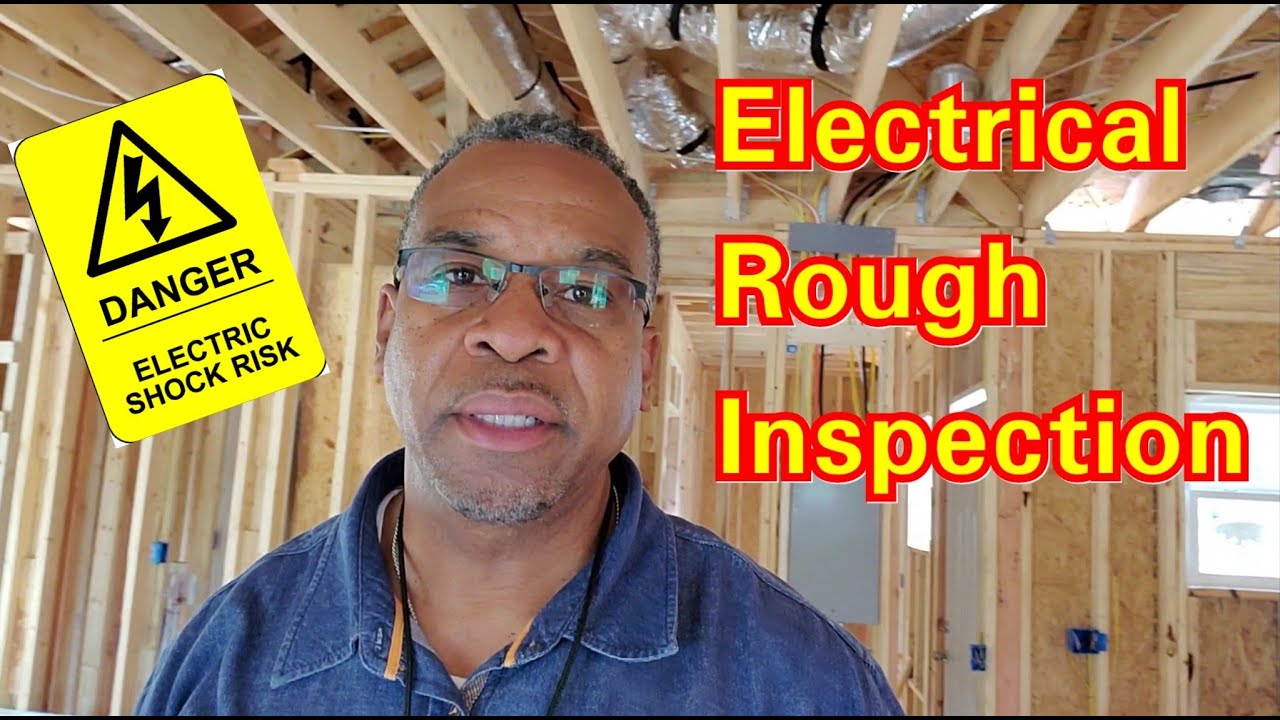
How To Install Rough In Electricity In A New Construction House – Beginners Guide To Electrical
In this video I will show you how to install rough in electricity in a new construction house. This is how to do wire a new construction house for beginners. I go over the 6-12 rule for receptacle or outlet code. Roughing in house for electricity is something that will be inspected so be to follow your local electrical codes.
Check out more informative Videos


Knowledge Quiz: Plumbing and Electrical
Open Quiz
5 quick questions - see how much you learned!
1) According to the guide, what percentage of building failures relate to plumbing and electrical systems?
Answer: C
The introduction states that "Research shows that 67% of building failures relate to these core systems."
2) What is the required slope for horizontal drain pipe runs according to the guide?
Answer: B
The "Plumbing Layout and Planning" section specifies "Design with proper slope (1/4″ per foot for horizontal runs)."
3) What wire gauge (AWG) should be used for 20-amp electrical circuits?
Answer: A
The "Rough-In Wiring" section states "Use 14 AWG for 15A circuits, 12 AWG for 20A circuits, and 10 AWG for 30A circuits."
4) What contingency percentage does the guide recommend for plumbing and electrical budgets?
Answer: D
The "Hidden Plumbing & Electrical Costs" section includes the PRO TIP: "Add 35% contingency to plumbing/electrical budgets. These trades have the most 'surprises' once walls are opened."
5) At what PSI and for how long should water supply lines be pressure tested during rough-in?
Answer: B
The "Rough-In Plumbing" section specifies "Test water supply lines at 100 PSI for 2 hours without pressure drop."
News And Knowledge
Stay informed with the latest trends, insights, and updates in the real estate world.