
☀️ Solar Shingles Installation Cost Guide 2026
Generate electricity while protecting your home with integrated solar roofing
💰 Solar Shingles Cost Overview
Tesla Solar Roof
CertainTeed Apollo
GAF Timberline
Total Installed
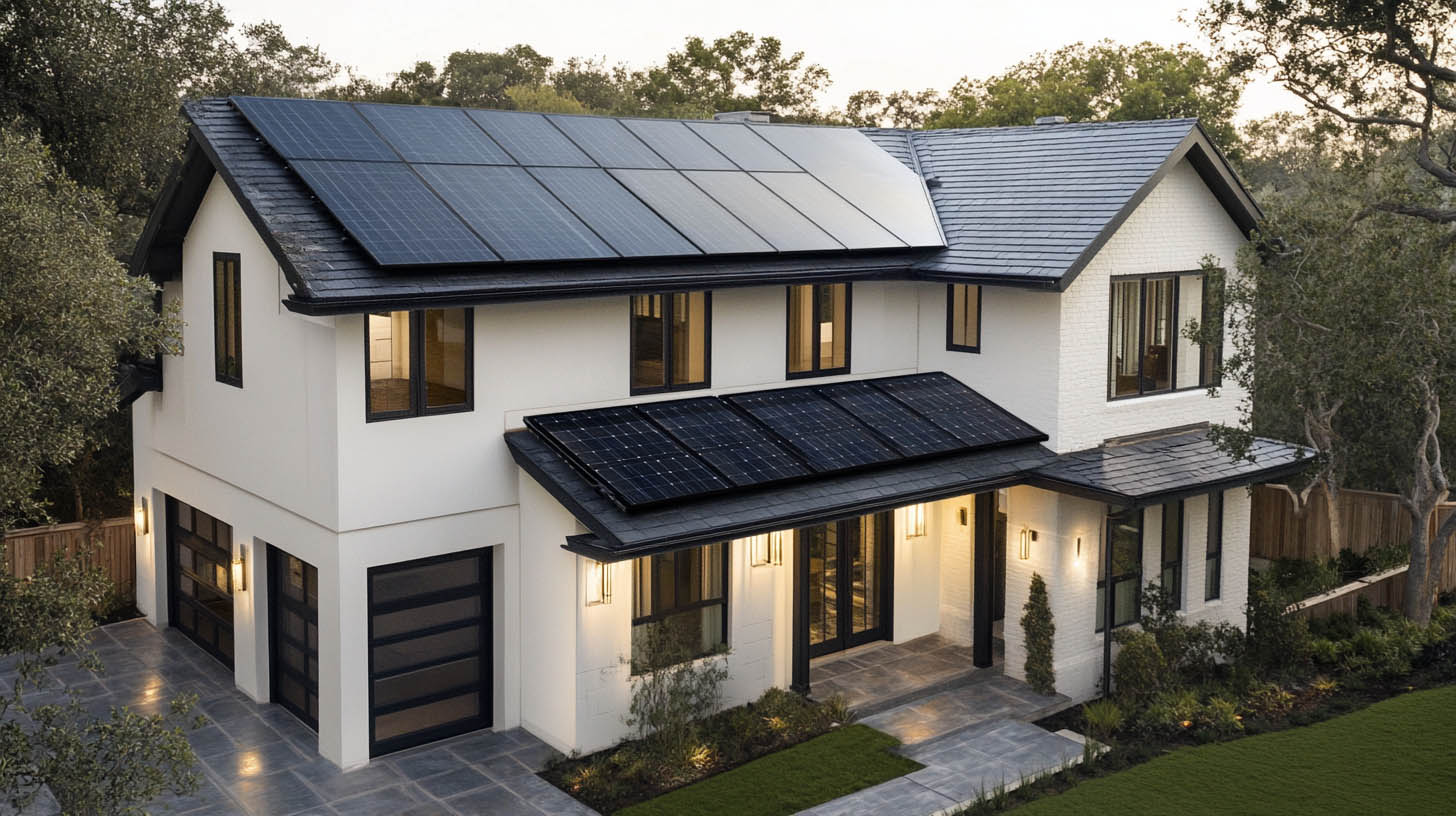
Professional Solar Shingles Installation Example
Solar Shingle Types & Complete Costs
Cutting-edge technology combining protection and power generation
Complete Solar Roofing Options
| Brand/Type | Cost Per Square | Total System Cost | Watts/Square | Warranty |
|---|---|---|---|---|
| Tesla Solar Roof V3 | $2,100 – $2,500 | $40,000 – $65,000 | 75-100W | 25 years + lifetime tiles |
| CertainTeed Apollo II | $1,800 – $2,200 | $35,000 – $55,000 | 63W per shingle | 25 years power |
| GAF Timberline Solar | $1,600 – $2,000 | $30,000 – $50,000 | 45W per shingle | 25 years |
| Luma Solar Shingles | $1,900 – $2,300 | $38,000 – $58,000 | 80W per shingle | 25 years + 5 production |
| SunTegra Shingles | $1,500 – $1,900 | $28,000 – $45,000 | 65-105W | 25 years |
| Dow Powerhouse 3.0 | $1,700 – $2,100 | $32,000 – $52,000 | 50W per shingle | 25 years |
| Traditional Panels (Comparison) | $800 – $1,200 | $15,000 – $25,000 | 300-400W panel | 25 years |
Critical Installation Warning
Solar shingles require certified installers! Unlike traditional roofing, solar shingles involve electrical work requiring licensed electricians and solar certification. DIY is impossible and voids all warranties. Installation typically requires both roofing contractors AND solar installers working together. Verify both licenses and specific product certifications.
Installation Requirements & Process
Complex integration of roofing and electrical systems
Solar Shingle Installation Components
Electrical Infrastructure
Inverters: $2,000-4,000
Wiring: $1,500-3,000
Panel upgrade: Often required
• DC optimizers included
• Monitoring systems
• Net meter installation
Battery Storage Options
Tesla Powerwall: $11,000
LG Chem: $9,000
Capacity: 10-13.5 kWh
• Backup power capability
• Peak shaving benefits
• Time-of-use optimization
Roof Preparation
Complete tear-off: Required
Deck inspection: Critical
Structural analysis: $500-1,500
• Perfect substrate needed
• No existing damage
• South-facing ideal
Active vs Inactive Tiles
Tesla approach: Mix tiles
Active tiles: Generate power
Inactive: Match appearance
• Strategic placement
• Cost optimization
• Aesthetic consistency
Grid Connection
Permits: $500-2,000
Inspection: Multiple required
Utility approval: 30-90 days
• Net metering setup
• Interconnection agreement
• Safety disconnects
Monitoring Systems
Real-time production: Standard
App integration: All brands
Consumption tracking: Included
• Individual tile monitoring
• Fault detection
• Performance analytics
Complete System Components & Costs
| Component | Cost Range | Necessity | Notes |
|---|---|---|---|
| Solar Shingles | $25,000 – $45,000 | Core system | 60-70% of total cost |
| Inverter System | $2,000 – $4,000 | Required | String or micro-inverters |
| Electrical Work | $3,000 – $5,000 | Required | Licensed electrician only |
| Permits/Inspections | $500 – $2,000 | Required | Varies by location |
| Monitoring System | $500 – $1,000 | Included usually | Essential for warranty |
| Battery Storage | $8,000 – $15,000 | Optional | Increases independence |
| Panel Upgrade | $1,500 – $3,000 | Often required | 200-amp service needed |
| Structural Reinforcement | $2,000 – $5,000 | Sometimes | Older homes especially |
Financial Analysis & Incentives
Understanding the economics of solar shingle investment
Cost Recovery & Savings Analysis
Federal Tax Credit
2026 Credit: 30% of system
Average savings: $12,000-20,000
Expires: Reduces after 2032
• Applies to full system
• Including battery storage
• Can carry forward
State/Local Incentives
Rebates: $500-5,000
Tax credits: 0-25% additional
Net metering: Varies widely
• California: Best programs
• Northeast: Good incentives
• Check DSIRE database
Payback Period
Average: 8-12 years
Best case: 6 years
Factors: Location, rates
• Electricity cost key
• Sun exposure critical
• Usage patterns matter
Monthly Savings
Average: $100-300/month
Peak summer: $200-500
Annual: $1,500-3,600
• Eliminates most bills
• Excess sold to grid
• Hedge against increases
Property Value Impact
Average increase: 4-6%
Dollar value: $15,000-25,000
Market dependent: Varies
• California: High value
• Eco-conscious buyers
• Energy independence appeal
Production Estimates
Average home: 6-10kW system
Annual production: 8,000-15,000 kWh
Coverage: 70-100% needs
• South facing best
• Shade reduces 20-80%
• Weather dependent
State-by-State Solar Economics
| State/Region | Avg Electric Rate | Payback Period | Additional Incentives |
|---|---|---|---|
| California | $0.28/kWh | 6-8 years | SGIP rebates, NEM 3.0 |
| Hawaii | $0.35/kWh | 5-7 years | State tax credit 35% |
| Northeast (MA, NY, CT) | $0.22-0.25/kWh | 7-10 years | SREC programs, rebates |
| Texas | $0.13/kWh | 10-14 years | Local utility rebates |
| Arizona/Nevada | $0.12-0.14/kWh | 9-12 years | Excellent sun exposure |
| Pacific Northwest | $0.10/kWh | 12-16 years | Limited sun, cheap hydro |
Solar Shingles vs Traditional Panels
Comprehensive comparison for informed decisions
Side-by-Side Comparison
Cost Comparison
Solar shingles: $35-65k
Panels + new roof: $30-40k
Panels only: $15-25k
• Shingles premium: 50-100%
• But replace roof too
• Combined function value
Aesthetic Impact
Shingles: Nearly invisible
Panels: Obvious addition
HOA issues: Shingles win
• Seamless integration
• Multiple style options
• Maintains home lines
Efficiency Differences
Panels: 20-22% efficient
Shingles: 14-18% efficient
Space needs: Shingles +30%
• Panels produce more/sq ft
• Shingles cover more area
• Total output similar
Maintenance & Repairs
Panels: Easy individual repair
Shingles: Complex replacement
Access: Panels simpler
• Shingle repair = roofing work
• Panel swap independent
• Monitoring more critical
Installation Flexibility
Panels: Any roof condition
Shingles: New roof only
Timing: Shingles less flexible
• Panels retrofit anytime
• Shingles need roof replacement
• Major renovation required
Future Considerations
Technology updates: Panels easier
Expansion: Panels flexible
Removal: Panels simpler
• Shingles locked in longer
• Panels swap for newer tech
• Consider 25-year commitment
Real Estate Investment Strategy
Solar shingles impact on property value and marketability
Primary Residence
Value Add: $15k-$25k
Break-even: 8-12 years
Best Markets:
• High electricity costs
• Eco-conscious areas
• Premium neighborhoods
Rental Properties
Strategy: Generally avoid
Exception: Luxury rentals
Challenges:
• Tenant gets savings
• Complex billing
• Maintenance liability
Fix & Flip
ROI: Market dependent
Premium markets: Yes
Standard flips: No
• Takes months to install
• Ties up capital
• Only luxury flips
Smart Installation Strategies
Maximize value and minimize costs
Optimize Active Tile Placement
Not all tiles need to be active. Tesla and others mix active/inactive tiles. Place active tiles on optimal sun-facing sections only. Saves 20-30% on system cost while maintaining full roof coverage and aesthetics.
Stack All Incentives
Federal 30% + state credits + utility rebates + SREC programs can cover 50-60% of costs. Time installation for maximum incentive overlap. Some programs expire or have caps – research thoroughly before committing.
Time With Roof Replacement
If roof needs replacement within 5 years, wait and do both together. Saves $5,000-8,000 in redundant labor. Solar shingles require complete tear-off anyway. Perfect timing maximizes investment.
Delay Battery Purchase
Battery prices dropping 10-15% annually. Install solar shingles now, add battery in 2-3 years. System designed for easy battery addition. Saves $3,000-5,000 while technology improves.
Consider Hybrid Approach
Solar shingles on visible front/sides, traditional panels on rear for maximum production. Maintains curb appeal while boosting efficiency 20-30%. Some installers specialize in hybrid systems.
Finance Strategically
Solar loans at 3-6% beat paying cash if you invest the difference. Many credit unions offer special solar rates. Factor in electricity savings as income. Some loans structured to match savings.
Frequently Asked Questions
Critical questions about solar shingle installation
☀️ Ready for Solar Shingle Installation?
Connect with certified solar roofing specialists

Knowledge Quiz: Solar Shingles Installation Cost Guide
Open Quiz
5 quick questions - see how much you learned!
1) What is the typical total installed cost range for solar shingles on an average home?
Answer: C
The "Solar Shingles Cost Overview" section clearly states "Total Installed: $35,000 – $65,000 - Average home" for complete solar shingle system installation including all electrical work and components.
2) What is the 2026 federal tax credit percentage for solar shingle systems?
Answer: C
The "Federal Tax Credit" section shows "2026 Credit: 30% of system" with average savings of $12,000-20,000. The FAQ confirms: "You claim 30% of the total system cost (including installation, permits, electrical work) on your federal taxes." This credit is crucial for ROI.
3) What specialized licensing is required for solar shingle installation?
Answer: B
The "Critical Installation Warning" emphasizes: "Solar shingles require certified installers! Unlike traditional roofing, solar shingles involve electrical work requiring licensed electricians and solar certification. Most installations need two crews: certified roofers for the shingles and licensed electricians for connections."
4) What happens to solar shingles during a power outage if you don't have battery backup?
Answer: A
The FAQ clearly states: "Without battery backup, solar shingles shut down during outages for safety (preventing backfeed to grid workers). This surprises many homeowners – you have no power even on sunny days during outages. Adding battery storage ($8,000-15,000) provides backup power."
5) What is the average payback period for solar shingle systems?
Answer: B
The "Payback Period" section shows "Average: 8-12 years" with best case of 6 years. The FAQ provides more detail: "Honestly: 10-15 years in most markets when including all costs (increased insurance, maintenance, inverter replacement). Best-case scenarios (California, Hawaii) can see 6-8 years."
🏠 More Roofing & Exterior Guides
Explore our complete roofing renovation library
View All Roofing Guides (20) ▼
🏠 Roofing Materials
Last updated: Jan 2026
Sources: National Roofing Contractors Association, GAF Materials, Owens Corning, CertainTeed, Builds and Buys Research Team



