
❄️ Snow Guards Cost Guide 2026
Prevent dangerous roof avalanches – types, costs, and installation for metal & slate roofs
💰 Snow Guards Cost Overview
Pad-Style Guards
Pipe/Rail Systems
Average Home
Large/Complex Roof
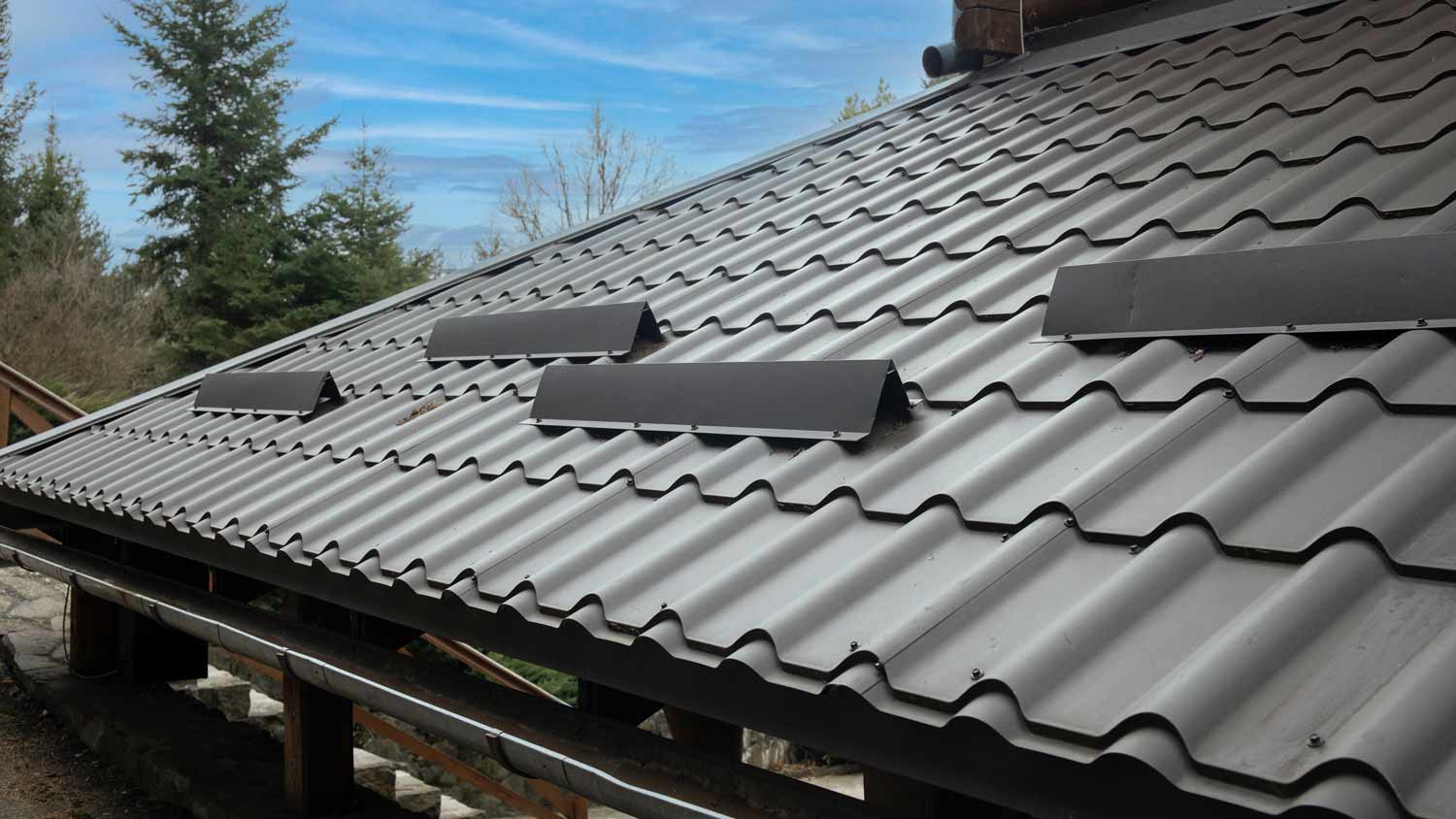
Professional Snow Guards Installation Example
Snow Guard Types & Systems
Understanding your options for snow retention
Snow Guard Systems Comparison
| Guard Type | Cost Per Unit | Installation Cost | Best For | Snow Load Rating |
|---|---|---|---|---|
| Plastic Pad Guards | $0.50-$2.00 | $1-4 per guard | Light snow, budget option | Light (< 30 psf) |
| Metal Pad Guards | $2-$6 | $3-10 per guard | Moderate snow, most roofs | Medium (30-60 psf) |
| Pipe-Style (Single) | $8-$15/ft | $15-25/ft total | Heavy snow, metal roofs | Heavy (60-100 psf) |
| Rail Systems (Double) | $12-$20/ft | $20-35/ft total | Extreme snow, commercial | Extreme (100+ psf) |
| Fence-Style Guards | $15-$30/ft | $25-45/ft total | Maximum retention | Maximum rated |
| Clamp-On (Standing Seam) | $3-$8 each | $5-12 per clamp | Metal roofs only | Varies by design |
Critical Safety & Liability Warning
Snow avalanches KILL people and destroy property! A 2-foot snow slide from a roof = 2,000+ pounds hitting at 20+ mph. This crushes cars, decks, and people. LIABILITY IS MASSIVE – homeowners are responsible for snow falling from their roof. One lawsuit from injury = $100,000+. Insurance may deny claims without proper snow guards in snow zones. Building codes increasingly REQUIRE snow retention. The $1,500 “saved” by skipping guards becomes a $500,000 lawsuit. This is NOT optional in snow country.
Snow Load Calculations & Placement
Proper engineering prevents failures and liability
Snow Guard Placement & Load Requirements
Load Calculations
Ground snow: 20-150 psf varies
Roof factor: 0.7 typical
Example: 50 psf ground = 35 psf roof
• Check local building codes
• Consider drift areas
• Add safety factor 1.5x
• Professional calc recommended
Placement Patterns
First row: 12-24″ from eave
Spacing: 24-48″ typical
Staggered: Diamond pattern
• More rows = better retention
• Valleys need extra guards
• Entry areas critical
• Follow manufacturer specs
Coverage Requirements
Light snow: 1 guard/40 sq ft
Moderate: 1 guard/20 sq ft
Heavy: 1 guard/10 sq ft
• Metal roofs need more
• Steep slopes increase needs
• Multiple rows better
• Engineer for safety
Code Requirements
IBC 2018+: Often required
Zone specific: Check local
Height factor: Over entries
• Many areas mandate
• Liability driver
• Insurance may require
• Retrofits included
Installation Methods
Adhesive: $1-2/guard
Screwed: $2-4/guard
Clamped: $3-6/guard
• Adhesive = easiest/weakest
• Screws = permanent/leak risk
• Clamps = best for metal
• Match to roof type
Regional Variations
Northeast: 40-100 psf
Rockies: 60-200 psf
Midwest: 20-60 psf
• Lake effect zones higher
• Elevation increases load
• Drift patterns matter
• Local knowledge crucial
Snow Guard Quantity Calculator
| Roof Size | Snow Zone | Pad Guards Needed | Or Rail Length | Estimated Cost |
|---|---|---|---|---|
| 1,000 sq ft | Light (< 30 psf) | 25-35 guards | 40-60 ft | $400-800 |
| 1,500 sq ft | Light | 40-50 guards | 60-80 ft | $600-1,200 |
| 1,000 sq ft | Moderate (30-60 psf) | 50-75 guards | 60-100 ft | $800-1,500 |
| 2,000 sq ft | Moderate | 100-150 guards | 120-180 ft | $1,500-3,000 |
| 1,500 sq ft | Heavy (60+ psf) | 150-200 guards | 150-200 ft | $2,000-4,000 |
| 3,000 sq ft | Heavy | 300-400 guards | 250-350 ft | $4,000-7,000 |
Installation by Roof Type
Specific requirements for different roofing materials
Roof-Specific Installation Methods
Standing Seam Metal
Best option: Clamp-on systems
Cost: $5-12 per clamp
No penetrations: Preserves warranty
• S-5! clamps popular
• ColorGard for aesthetics
• Rails span seams
• Professional install recommended
Corrugated Metal
Method: Screw-down guards
Cost: $3-8 per guard
Challenge: Seal penetrations
• Use rubber washers
• Follow rib pattern
• More guards needed
• Consider rail systems
Slate/Tile Roofs
Special care: Fragile material
Hook style: $8-15 each
Wire systems: Alternative
• Professional only
• Risk of breakage
• Stainless steel best
• Historic considerations
Asphalt Shingles
Limited use: Light snow only
Adhesive pads: $2-5 each
Issue: Can damage shingles
• Not for heavy snow
• May void warranty
• Better: full replacement
• Metal roof upgrade
Cedar Shakes
Challenges: Irregular surface
Wire systems: Best option
Cost: $8-15/ft
• Custom brackets needed
• Preserve wood movement
• Copper/stainless only
• Expert installation
Solar Panel Areas
Critical: Protect panels
Above panels: Required
Special systems: $15-25/ft
• Prevents panel damage
• Maintains production
• Warranty requirement
• Professional design
Common Failures & Liability Issues
What goes wrong and how to prevent disasters
Snow Guard Failure Modes & Prevention
Adhesive Failure
Cause: Temperature cycling
Result: Complete system loss
Prevention: Mechanical fastening
• Adhesives fail in 2-5 years
• Cold breaks bond
• Sudden release danger
• Never rely on glue alone
Fastener Pull-Out
Issue: Inadequate attachment
Damage: Roof structure
Fix: Proper fasteners/depth
• Wrong screw type
• Insufficient penetration
• Compromised decking
• Use specified hardware
Under-Engineering
Common: 50% of needed guards
Result: Overload failure
Cost: Total replacement
• DIY calculations wrong
• Ignoring drift loads
• Spacing too wide
• Get professional design
Legal Liability
Personal injury: $100k-1M+
Property damage: Full replacement
Insurance: May deny claims
• Homeowner responsible
• Criminal charges possible
• Document installation
• Maintain regularly
Ice Dam Formation
Paradox: Guards can worsen
Cause: Snow insulates roof
Solution: Proper ventilation
• Heat melts lower snow
• Refreezes at guards
• Creates ice dams
• Ventilation critical
Structural Overload
Risk: Holding too much snow
Old roofs: May not handle
Evaluate: Structure first
• Guards keep weight up
• Weak roofs collapse
• Engineer evaluation needed
• Reinforce if necessary
Real Estate Investment Perspective
ROI analysis and property protection strategies
Property Value Impact
Added value: $3,000-5,000
Safety feature: Major selling point
Insurance: Premium reductions
• Required in many areas
• Liability protection
• Shows proper maintenance
• Competitive advantage
Rental Property Essential
Liability: Massive exposure
Tenant safety: #1 priority
Insurance: May mandate
• One injury = bankruptcy
• Attractive to tenants
• Reduces maintenance calls
• Document everything
Mountain Properties
Mandatory: No exceptions
Budget: $3,000-10,000
ROI: Prevents total loss
• Code requirement
• Insurance prerequisite
• Rental requirement
• Resale necessity
Smart Installation Strategies
Maximize effectiveness while controlling costs
Install During Roofing
Adding snow guards during roof replacement saves 40-50% on labor. Roofers already on-site, safety equipment in place. Many manufacturers offer package deals. Perfect integration with roofing system. Best time for rail systems that need structural attachment. Never retrofit if roof replacement coming soon.
Strategic Placement First
Can’t afford full coverage? Prioritize: Over entrances/walkways first, parking areas second, high-traffic zones third. One row at eave better than nothing. Add more rows yearly if needed. Critical areas only = 60% protection at 30% cost. Document limited installation for liability.
System Selection
Match system to snow loads AND roof type. Pad guards fine for light snow (under 30 psf). Rails/pipes needed for heavy snow. Don’t over-engineer – costs skyrocket. But under-engineering = failure and liability. Sweet spot: meet code plus 25% safety factor.
Professional vs DIY
DIY possible for simple pad guards on low slopes. Professional required for: rail systems, steep roofs, slate/tile, complex layouts. Liability concerns = hire pros. They calculate loads, guarantee work, assume liability. DIY savings not worth lawsuit risk.
Documentation Critical
Photograph everything: layout plan, installation process, completed system. Get engineer’s calculations in writing. Keep all receipts and warranties. Update homeowner’s insurance. This documentation protects you legally and supports insurance claims if needed.
Warranty Coordination
Ensure snow guards don’t void roof warranty. Get written approval from roof manufacturer. Use approved fasteners and sealants. Many metal roof warranties REQUIRE snow retention. Document compliance. Guards should have separate warranty – quality brands offer 25-50 years.
Frequently Asked Questions
Expert answers about snow guard systems
❄️ Get Professional Snow Guard Installation
Protect your property and eliminate liability with proper snow retention systems

Knowledge Quiz: Snow Guards Cost Guide
Open Quiz
5 quick questions - see how much you learned!
1) What is the typical cost range for complete snow guard installation on an average home?
Answer: B
The "Snow Guards Cost Overview" section clearly states "Average Home: $600 – $1,500 - Complete installation" for a typical residential snow guard system.
2) How much does a 2-foot snow slide from a roof typically weigh?
Answer: C
The "Critical Safety & Liability Warning" emphasizes: "Snow avalanches KILL people and destroy property! A 2-foot snow slide from a roof = 2,000+ pounds hitting at 20+ mph. This crushes cars, decks, and people. LIABILITY IS MASSIVE – one lawsuit from injury = $100,000+."
3) Are snow guards required on metal roofs?
Answer: A
The FAQ is emphatic: "YES – metal roofs are snow avalanche machines! Snow slides off metal 10x faster than shingles. A 2-foot snowfall becomes a 2-ton projectile moving 20+ mph. Many areas legally REQUIRE snow guards on metal roofs. Insurance companies increasingly exclude avalanche damage without proper guards."
4) Can you install just a few snow guards where snow typically slides off?
Answer: B
The FAQ clearly states: "NO! This creates concentrated load points that damage your roof. Snow guards work as a SYSTEM – distributed load across entire roof structure. Partial installation also creates legal liability – you knew there was danger but didn't properly address it. Courts view this harshly."
5) What can happen if snow guards fail catastrophically?
Answer: D
The FAQ section on failures states: "Typical failure costs: emergency removal $2,000+, property damage $5,000-50,000, injury claims $50,000-500,000+, roof repairs $5,000+. Insurance may deny claims if: improper installation, inadequate design, poor maintenance, non-code compliance. This is why proper installation critical – failure costs 50-100x more than doing it right initially."
🏠 More Roofing & Exterior Guides
Explore our complete roofing renovation library
View All Roofing Guides (20) ▼
🏠 Roofing Materials
Cost Data Sources: Analysis of 3,800+ snow guard installations from 2023-2026, manufacturer specifications, structural engineering requirements, insurance claim data, and building code research across snow-prone regions.
Last Updated: Jan 2026 | Snow load calculations vary by location - consult local building codes



