
🌲 Mulching Cost Guide 2026
Complete pricing for mulch delivery, installation, and landscape transformation
💰 Mulching Cost Overview
Delivered Only
Installed
Per Square Foot
Average Project
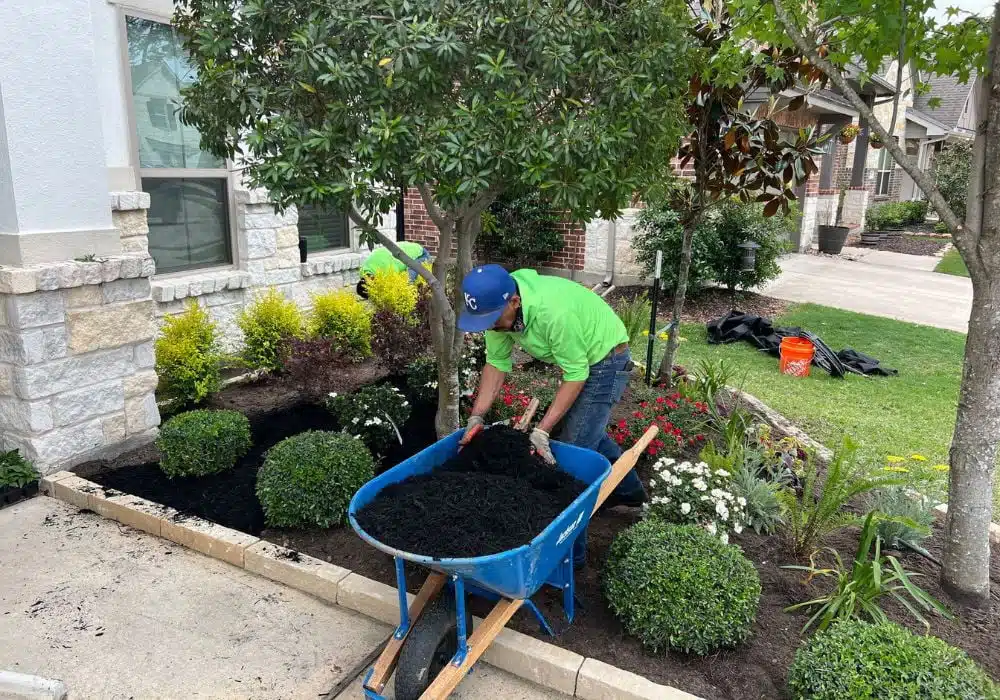
Mulching Installation & Fresh Bed Transformation Example
Mulch Types & Complete Installation Costs
Every mulch option with pricing, benefits, and application rates
Complete Mulch Pricing by Type
| Mulch Type | Cost/Cubic Yard | Installed Cost | Lifespan | Best Uses |
|---|---|---|---|---|
| Hardwood Bark | $25 – $40 | $55 – $85 | 2-3 years | Flower beds, trees |
| Pine Bark | $20 – $35 | $50 – $75 | 2-3 years | Acid-loving plants |
| Cedar Mulch | $30 – $45 | $65 – $90 | 3-4 years | Insect deterrent |
| Dyed Mulch | $30 – $50 | $65 – $95 | 1-2 years color | Decorative appeal |
| Pine Straw | $35 – $50/bale | $4 – $6/bale | 1-2 years | Slopes, natural look |
| Rubber Mulch | $80 – $120 | $120 – $180 | 10+ years | Playgrounds, paths |
| Rock/Gravel | $40 – $80 | $75 – $130 | Permanent | Xeriscaping |
| Cypress Mulch | $35 – $55 | $70 – $100 | 3-5 years | Premium beds |
Critical Mulching Considerations
Mulch volcanoes kill trees – never pile against trunks! Keep mulch 3-6 inches from tree bases and plant stems to prevent rot, disease, and pest problems. Proper depth is 2-4 inches – more suffocates roots, less doesn’t suppress weeds. Calculate correctly: 1 cubic yard covers 100 sq ft at 3″ depth. Fresh wood chips rob nitrogen from soil – age 6 months or add nitrogen fertilizer. Dyed mulches may contain harmful chemicals – verify safe dyes. Some mulches (walnut) toxic to certain plants. Artillery fungus from cheap mulch permanently stains siding – quality matters! Replace fabric barriers – they prevent beneficial organisms and create maintenance nightmares. Termites rarely issue but keep mulch 12″ from foundations. Fire hazard in dry climates – maintain defensible space.
Complete Installation & Project Costs
Total investment for different mulching projects
Mulching Project Cost Breakdown
| Project Size | Cubic Yards | Material Cost | Labor Cost | Total Cost |
|---|---|---|---|---|
| Small Beds (500 sq ft) | 5 yards | $125 – $250 | $125 – $200 | $250 – $450 |
| Average Yard (1,000 sq ft) | 10 yards | $250 – $500 | $250 – $400 | $500 – $900 |
| Large Property (2,500 sq ft) | 25 yards | $625 – $1,250 | $500 – $750 | $1,125 – $2,000 |
| Estate Grounds (5,000 sq ft) | 50 yards | $1,250 – $2,500 | $750 – $1,250 | $2,000 – $3,750 |
| Commercial Property | 100+ yards | $2,500+ | $1,500+ | $4,000+ |
Additional Services & Costs
| Service | Cost | Details | Value |
|---|---|---|---|
| Old Mulch Removal | $50 – $100/yard | Haul away included | Fresh start |
| Bed Edging | $2 – $5/linear ft | Clean definition | Professional look |
| Weed Barrier Fabric | $0.30 – $0.50/sq ft | Under mulch | Debatable benefit |
| Pre-emergent Application | $0.05 – $0.10/sq ft | Weed prevention | Reduces maintenance |
| Bed Preparation | $50 – $100/hour | Weeding, grading | Essential for new beds |
| Plant Installation | $25 – $100/plant | With mulching | Complete service |
| Delivery Only | $30 – $75 | Dump in driveway | DIY option |
| Wheelbarrow Service | $25 – $50/yard | Move to beds | Saves effort |
Factors Affecting Mulching Costs
What determines your final mulch installation price
Major Cost Variables
Delivery Distance
Local supplier:
• Standard delivery fee
• $30-50 typical
• Bulk discounts available
Remote location:
• Extra mileage charges
• $1-2 per mile
• Minimum order higher
Site Accessibility
Easy access:
• Dump near beds
• Wheelbarrow paths
• Standard labor rates
Difficult access:
• Long carries
• Stairs/slopes
• +50% labor costs
Bed Condition
Well-maintained:
• Quick application
• Minimal prep
• Lower costs
Overgrown beds:
• Extensive weeding
• Old mulch removal
• +$50-100/hour prep
Order Volume
Small order (1-5 yards):
• Higher per-yard cost
• Bagged option viable
• DIY manageable
Bulk order (10+ yards):
• Volume discounts
• Free delivery often
• Pro installation advised
Seasonal Timing
Spring rush:
• Peak pricing
• Longer wait times
• Limited availability
Fall/winter:
• 10-20% discounts
• Quick scheduling
• End-of-season deals
Mulch Quality
Economy grade:
• Basic wood chips
• Inconsistent size
• $20-30/yard
Premium grade:
• Triple shredded
• Uniform color
• $40-60/yard
Mulch Selection & Design Applications
Choosing the right mulch for aesthetics and function
Mulch Applications by Area
| Application Area | Best Mulch Type | Depth Needed | Special Considerations |
|---|---|---|---|
| Foundation Beds | Hardwood, dyed | 3-4 inches | Keep 12″ from siding |
| Tree Rings | Natural hardwood | 3-4 inches | No volcano mulching! |
| Vegetable Gardens | Straw, grass clippings | 2-3 inches | Organic only |
| Slopes/Hills | Pine straw, shredded | 4-5 inches | Stays in place better |
| Playgrounds | Rubber, wood chips | 9-12 inches | Safety standards |
| Pathways | Gravel, rubber | 2-3 inches | Firm surface needed |
| Rose Gardens | Cedar, pine bark | 2-3 inches | Good air circulation |
| Water Features | River rock, pebbles | 2-4 inches | Non-floating types |
Real Estate Investment Returns
Mulching ROI for different property strategies
Primary Residence
ROI: 100-150% aesthetic value
Annual cost: $300-800
Benefits:
• Instant curb appeal
• Protects plant investment
• Reduces water bills 25%
• Weekend transformation
Rental Property
ROI: Through tenant quality
Strategy: Annual refresh
Budget: $200-500/year
Benefits:
• Attracts better tenants
• Reduces turnover
• Low maintenance appeal
• Professional appearance
Fix & Flip
ROI: 200-500%
Strategy: Fresh mulch essential
Budget: $500-1,500
Impact:
• #1 curb appeal bang/buck
• Makes everything look new
• Photos pop online
• Closing gift to buyers
DIY vs Professional Mulch Installation
When to spread yourself vs hiring landscape crews
Installation Method Comparison
DIY Installation
Save: $30-50/yard labor
Time: 1 hour per yard
Good for:
• Small areas (<10 yards)
• Weekend warriors
• Budget priority
• Simple applications
Tools needed: Wheelbarrow, rake, shovel
Professional Service
Cost: $30-50/yard labor
Time: Half day typical
Includes:
• Bed preparation
• Even application
• Clean edges
• Debris cleanup
• Often guarantee
Common DIY Mistakes
• Mulch too deep (>4″)
• Against tree trunks
• Over landscape fabric
• Uneven application
• Wrong calculation
• Cheap mulch choice
• No bed prep
DIY Success Tips
• Edge beds first
• Remove weeds completely
• Water beds before
• Use pitchfork to spread
• Work when cool
• Have help for unloading
• Protect plants while spreading
When Pros Worth It
• Large areas (15+ yards)
• Limited time
• Physical limitations
• Steep slopes
• Complete bed renovation
• Color coordination needed
Hybrid Approach
Pro delivery + DIY spread:
• Save 40-50%
• Bulk pricing benefit
DIY prep + Pro finish:
• Weed yourself
• Pros spread mulch
• Best of both worlds
Money-Saving Strategies
Get professional results while saving on mulch costs
Municipal Free Mulch
Many cities offer free mulch from tree trimming operations. Quality varies but can’t beat free! Usually must load and haul yourself. Call city utilities or check websites. Some areas deliver for small fee.
Tree Service Chips
Arborists often need to dump fresh chips and will deliver free to avoid disposal fees. Post on Craigslist or call services. Fresh chips need aging but great for paths. Mixed species add interest.
Bulk Neighborhood Buy
Organize neighbors for truckload delivery. Split delivery fee and get wholesale pricing. 20+ yards often triggers bulk discounts of 20-30%. Schedule same-day spreading party.
End-of-Season Sales
Fall mulch sales common as suppliers clear inventory. Save 25-40% buying in October-November. Store in pile over winter or apply immediately. Spring mulch lasts through next fall anyway.
Make Your Own
Shred fall leaves for free mulch. Rent chipper for branches ($100/day). Grass clippings work for vegetables. Pine needles excellent for acid-loving plants. Completely free and sustainable.
Calculate Precisely
Over-ordering wastes money. Use online calculators or formula: (Square feet ÷ 100) × depth in inches ÷ 3 = cubic yards needed. Account for existing mulch depth. Order exactly what’s needed plus 10%.
Frequently Asked Questions
Expert answers about mulching and installation
🌲 Ready to Transform Your Landscape?
Find qualified mulch suppliers and installation services

Knowledge Quiz: Mulching Cost Guide
Open Quiz
5 quick questions - see how much you learned!
1) What is the typical installed mulch cost per cubic yard shown in the guide?
Answer: C
The “Mulching Cost Overview” lists Installed: $60 – $120 per cubic yard for professional service.
2) According to the guide, 1 cubic yard of mulch covers about how many square feet at 3″ depth?
Answer: B
The “Critical Mulching Considerations” section states: 1 cubic yard covers 100 sq ft at 3″ depth.
3) What is the recommended mulch depth range for most applications in the guide?
Answer: A
The guide warns that proper mulch depth is 2–4 inches (more can suffocate roots; less won’t suppress weeds).
4) Which mulch option in the table is listed as lasting 10+ years?
Answer: D
The “Mulch Types & Complete Installation Costs” table lists Rubber Mulch with a 10+ year lifespan.
5) What is the typical total cost range shown for an “Average Yard (1,000 sq ft)” mulching project?
Answer: B
The project table shows “Average Yard (1,000 sq ft)” at $500 – $900.
6) What is the guide’s key safety rule about mulching around trees and plants?
Answer: C
The guide warns “mulch volcanoes kill trees” and says to keep mulch 3–6 inches away from trunks and plant stems.
7) In the ROI section, what ROI range is listed for mulching on a fix & flip?
Answer: A
The “Real Estate Investment Returns” section lists Fix & Flip ROI: 200–500% for fresh mulch impact.
🌿 More Landscaping Cost Guides
Explore our complete outdoor improvement library
View All Landscaping Guides (25+) ▼
🌱 Lawn & Turf Services
🌳 Trees & Plants
💧 Water & Irrigation
🎨 Design & Hardscaping
🏗️ Structures & Recreation
Last updated: Jan 2026
Sources: National Association of Landscape Professionals, Mulch & Soil Council, Professional Grounds Management Society, University Extension Services, International Society of Arboriculture, Regional Mulch Suppliers Association, Builds and Buys Research Team



