
🎨 Garden Design Cost Guide 2026
Complete pricing for professional landscape design, plans, and consultations
💰 Garden Design Cost Overview
Consultation
Basic Design
Full Design
Master Plan
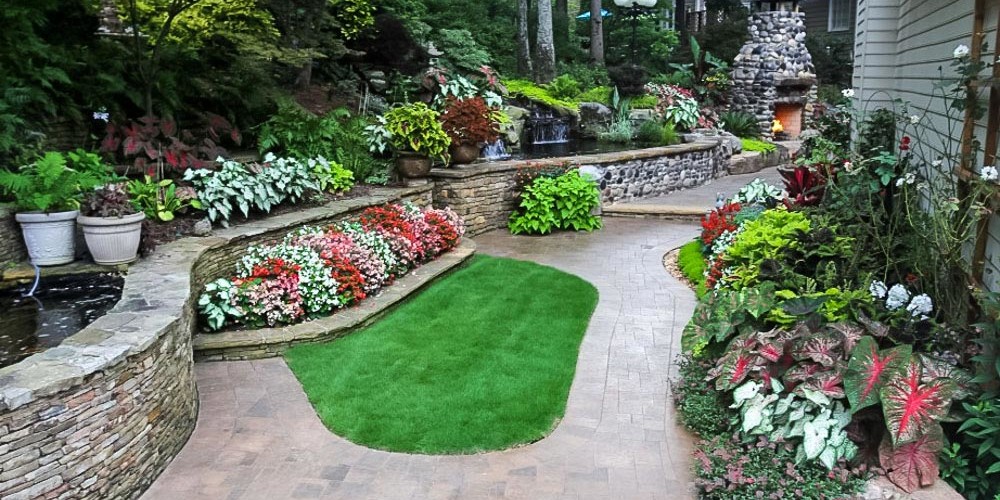
Professional Garden Design Plan & Consultation Example
Garden Design Services & Complete Pricing
Every design option from consultations to full landscape architecture
Complete Garden Design Service Pricing
| Service Type | Cost Range | What’s Included | Timeline | Best For |
|---|---|---|---|---|
| Design Consultation | $150 – $500 | 2-hour visit, verbal ideas | Same day | DIY guidance |
| Concept Plan | $800 – $1,500 | Basic layout, plant suggestions | 1-2 weeks | Simple projects |
| Detailed Design | $2,000 – $5,000 | Scaled drawings, plant list | 2-4 weeks | Full renovations |
| 3D Rendering | $3,000 – $6,000 | Virtual walkthrough, visuals | 3-4 weeks | Major investments |
| Master Plan | $5,000 – $15,000 | Phased plan, full property | 4-8 weeks | Estate properties |
| Planting Plan Only | $500 – $2,000 | Plant selection, placement | 1-2 weeks | Existing hardscape |
| Hardscape Design | $1,500 – $4,000 | Patios, paths, structures | 2-3 weeks | Outdoor living |
| Hourly Services | $75 – $300/hour | As-needed consultation | Flexible | Small questions |
Critical Garden Design Considerations
Design fees are separate from installation – budget accordingly! Good design saves thousands in mistakes and plant replacements. Beware ultra-cheap designs – often generic templates not tailored to your site. Check designer credentials: landscape architect (licensed), landscape designer (certified), or garden designer (experience varies). Ask for local references and visit completed projects if possible. Design should include: site analysis, soil testing recommendations, drainage solutions, sun/shade mapping, maintenance requirements, and phased installation options. Get ownership rights to design in writing. Many contractors offer “free design” but markup installation 20-30%. Climate-appropriate plant selection crucial – pretty pictures don’t guarantee success. Design revisions typically cost extra after initial concepts.
Design Process & Deliverables
What to expect from professional garden design services
Garden Design Package Components
| Design Phase | Deliverables | Purpose | Add-On Cost |
|---|---|---|---|
| Site Analysis | Existing conditions map | Baseline documentation | Included |
| Concept Design | 2-3 layout options | Explore possibilities | Included |
| Final Plan | Scaled master drawing | Installation guide | Included |
| Planting Plan | Species, sizes, quantities | Shopping list | Included |
| Construction Details | Technical drawings | Builder specifications | +$500-1,500 |
| 3D Visualization | Realistic renderings | See before building | +$1,000-3,000 |
| Lighting Plan | Fixture locations | Night aesthetics | +$500-1,000 |
| Irrigation Design | Sprinkler layout | Water efficiency | +$500-1,500 |
Design Service Levels Comparison
| Service Level | Basic ($1,500-3,000) | Standard ($3,000-6,000) | Premium ($6,000-15,000) |
|---|---|---|---|
| Site Visits | 1-2 visits | 3-4 visits | 5+ visits |
| Design Options | 1 concept | 2-3 concepts | Multiple iterations |
| Plan Detail | Hand sketch | CAD drawings | Full technical set |
| Plant Selection | Generic list | Specific varieties | Source coordination |
| Project Support | Email only | Installation visits | Full oversight |
| Revisions | 1 round | 2-3 rounds | Until satisfied |
| Timeline | 2-3 weeks | 3-6 weeks | 6-12 weeks |
Factors Affecting Garden Design Costs
What determines your final design investment
Major Cost Variables
Property Size
Small (under 5,000 sq ft):
• $1,500-3,000 typical
• Simple plans suffice
• 2-3 week timeline
Large (1+ acre):
• $5,000-15,000+
• Complex coordination
• 6-12 week process
Design Complexity
Simple refresh:
• Plant replacement
• Basic layout
• Minimal hardscape
Complete overhaul:
• Grading changes
• Multiple features
• Outdoor rooms
Designer Credentials
Garden designer:
• $50-100/hour
• Plant expertise
• Residential focus
Landscape architect:
• $100-250/hour
• Licensed professional
• Technical drawings
Regional Pricing
Rural/suburban:
• Lower hourly rates
• Fewer specialists
• Simpler designs
Major metros:
• Premium pricing
• More options
• Cutting-edge design
Design Style
Traditional:
• Established patterns
• Common materials
• Predictable costs
Contemporary:
• Custom elements
• Unique materials
• Higher design fees
Site Challenges
Level, clear site:
• Straightforward design
• Standard solutions
• Lower fees
Slopes, drainage:
• Engineering needed
• Creative solutions
• +30-50% fees
Garden Design Styles & Approaches
Popular design aesthetics and their cost implications
Design Styles Cost Comparison
| Design Style | Design Fee Range | Installation Cost | Maintenance Level |
|---|---|---|---|
| English Cottage | $2,000 – $4,000 | Moderate | High – frequent pruning |
| Modern Minimalist | $3,000 – $6,000 | High – precision required | Low – clean lines |
| Native/Natural | $1,500 – $3,500 | Low – native plants | Very low once established |
| Japanese Garden | $4,000 – $8,000 | Very high – specialty | Moderate – pruning art |
| Mediterranean | $2,500 – $5,000 | Moderate-high | Low – drought tolerant |
| Formal/Symmetrical | $3,000 – $7,000 | High – precise layout | High – hedge trimming |
| Edible/Permaculture | $2,000 – $4,500 | Moderate | Moderate – seasonal |
| Tropical/Resort | $3,000 – $6,000 | High – large plants | Moderate – growth control |
Real Estate Investment Returns
Garden design ROI for different property strategies
Primary Residence
ROI: 100-200% at sale
Living value: Daily enjoyment
Budget: 5-10% of home value
Key Points:
• Professional design worth it
• Increases property value 5-12%
• Creates outdoor living space
• Quality over quick fixes
Rental Property
ROI: Through tenant quality
Strategy: Low maintenance focus
Budget: Minimal design fees
Priorities:
• Durability over beauty
• Automatic irrigation
• Hardy plant selection
• Simple lawn areas
Fix & Flip
ROI: 150-300%
Strategy: Curb appeal focus
Budget: $1,500-3,000 design
Must-haves:
• Front yard priority
• Clean, fresh look
• Mulch and edges
• Color at entry
DIY Design vs Professional Designer
When to design yourself vs hiring landscape professionals
Design Approach Comparison
DIY Design
Cost: $0-500 (software/books)
Time: 40-80 hours learning
Good for:
• Small areas
• Simple plant swaps
• Tight budgets
• Learning experience
Success rate: 40-60%
Professional Designer
Cost: See tables above
Time: 2-8 weeks
Delivers:
• Site-specific solutions
• Avoid costly mistakes
• Plant guarantees
• Phasing plans
• Contractor coordination
Common DIY Mistakes
• Wrong plant choices
• Ignoring mature sizes
• Poor drainage planning
• No seasonal interest
• Impulse plant buying
• Scale/proportion errors
• Maintenance nightmares
DIY Success Tips
• Start with site analysis
• Use design software
• Visit garden centers
• Study neighbors’ yards
• Design in phases
• Join garden clubs
• Test with annuals first
When Pros Essential
• Major grade changes
• Drainage problems
• Large investments
• Structural elements
• Permit requirements
• Complex irrigation
Hybrid Approach
Pro consultation:
• 2-hour guidance
• DIY implementation
Concept only:
• Pro does layout
• You select plants
• Save 40-60%
Money-Saving Strategies
Get professional design results without breaking the budget
Group Design Sessions
Organize 3-4 neighbors for group rate. Designers offer 20-30% discount for multiple adjacent properties. Share site visit costs. Learn from each other’s plans. Great for new developments.
Landscape Students
University landscape programs need real projects. Students provide designs for portfolio at 70-80% discount. Professor oversight ensures quality. Spring semester best timing. Win-win arrangement.
Concept Plan Only
Buy basic concept ($800-1,500) instead of full design package. Provides layout and ideas. You research specific plants and details. Saves $2,000-5,000 while getting professional foundation.
Phase Your Design
Design entire property but implement over 3-5 years. Spreads costs manageable chunks. Designer creates logical phases. Start with highest impact areas. Eventually achieve complete vision.
Virtual Consultations
Many designers offer virtual services at 30-40% less than on-site. You provide photos, measurements, videos. Great for simple projects or second opinions. Technology makes this very effective.
Garden Tours Research
Visit local garden tours for inspiration. Take photos, note plant names. Many gardeners happy to share sources. Free education in what works locally. Build your own design vocabulary.
Frequently Asked Questions
Expert answers about garden design services
🎨 Ready to Transform Your Outdoor Space?
Find qualified garden designers and landscape architects near you

Knowledge Quiz: Garden Design Cost Guide
Open Quiz
5 quick questions - see how much you learned!
1) What is the typical cost range for a basic garden design (small yard plan) in the guide?
Answer: B
The “Garden Design Cost Overview” lists Basic Design: $1,500 – $3,000 for a small yard plan.
2) Which service is described as a 2-hour visit with verbal ideas and same-day delivery?
Answer: A
The pricing table lists Design Consultation as a 2-hour visit with verbal ideas delivered same day.
3) CRITICAL: What does the guide warn about design fees vs installation costs?
Answer: C
The “Critical Garden Design Considerations” section states clearly that design fees are separate from installation, so you must budget for both.
4) In the “Design Process & Deliverables” table, what is the add-on cost range for 3D visualization?
Answer: D
The deliverables table lists 3D Visualization as an add-on costing +$1,000 – $3,000.
5) Which design style is shown with the highest “installation cost” level in the styles comparison table?
Answer: B
The “Garden Design Styles & Approaches” table lists Japanese Garden with Very high installation cost due to specialty materials and craftsmanship.
6) In the “Garden Design Services & Pricing” table, what is the listed hourly range for “Hourly Services”?
Answer: A
The services table lists Hourly Services: $75 – $300/hour for as-needed consultation.
7) CRITICAL: What does the guide warn about “free design” offered by some contractors?
Answer: C
The “Critical Garden Design Considerations” section warns that many contractors offering “free design” may markup installation 20–30% to recover that cost, and you should confirm design ownership in writing.
🌿 More Landscaping Cost Guides
Explore our complete outdoor improvement library
View All Landscaping Guides (25+) ▼
🌱 Lawn & Turf Services
🌳 Trees & Plants
💧 Water & Irrigation
🎨 Design & Hardscaping
🏗️ Structures & Recreation
Last updated: Jan 2026
Sources: American Society of Landscape Architects, Association of Professional Landscape Designers, National Association of Landscape Professionals, Garden Design Institute, Landscape Architecture Foundation, Better Homes & Gardens Design Center, Builds and Buys Research Team



