
🌺 Garden Bed Installation Cost Guide 2026
Complete pricing for raised beds, flower gardens, and professional landscaping
💰 Garden Bed Cost Overview
Basic Bed
Raised Bed
Large Garden
Per Square Foot
Garden Bed Examples (Raised Beds vs Flower Beds vs Full Backyard Layouts)
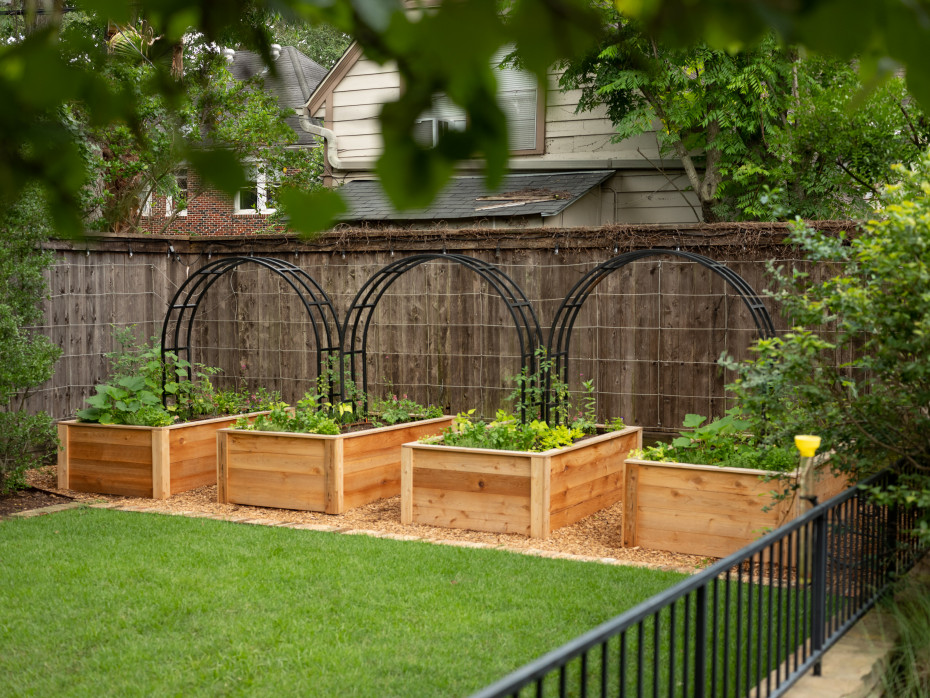
Garden Bed Types & Complete Installation Costs
Every garden bed style with materials, labor, and setup pricing
Complete Garden Bed Pricing by Type
| Bed Type | Cost per Bed | Size | Materials | Best For |
|---|---|---|---|---|
| Ground-Level Bed | $75 – $150 | 4×8 feet | Soil, compost, edging | Budget-friendly option |
| Wood Raised Bed | $150 – $300 | 4x8x12″ | Cedar/pine boards | Most popular choice |
| Metal Raised Bed | $200 – $400 | 4x8x18″ | Galvanized steel | Modern, long-lasting |
| Stone/Brick Bed | $300 – $600 | 4×8 feet | Natural stone, mortar | Permanent, decorative |
| Concrete Block Bed | $200 – $350 | 4x8x16″ | Cinder blocks | DIY-friendly, sturdy |
| Composite Bed | $250 – $450 | 4x8x12″ | Recycled materials | No maintenance |
| Tiered/Terraced Bed | $400 – $800 | Varies | Multiple materials | Slopes, visual interest |
| Keyhole Garden | $300 – $500 | 6 ft diameter | Stone, compost | Water conservation |
Critical Garden Bed Planning Considerations
Location is everything – 6-8 hours direct sunlight for vegetables! Poor drainage kills more gardens than any pest. Test soil first – contaminated soil needs complete replacement ($30-50/cubic yard). Raised beds need 12″ minimum depth for vegetables, 18-24″ for root crops. Wood choices matter: untreated pine lasts 3-5 years, cedar 10-15 years, composite 20+ years. Never use pressure-treated lumber near edibles! Access paths between beds minimum 3 feet for wheelbarrow. Consider irrigation during installation – retrofitting costs double. Calculate soil volume correctly: 4x8x1ft bed needs 32 cubic feet (1.2 yards). Account for settling – order 20% extra soil. Wrong bed height causes back strain and poor drainage.
Complete Installation & Project Costs
Total investment for different garden bed projects
Garden Bed Project Cost Breakdown
| Project Scope | Materials | Labor | Soil/Compost | Total Cost |
|---|---|---|---|---|
| Single Small Bed (4×4) | $50 – $100 | $25 – $50 | $30 – $60 | $105 – $210 |
| Standard Bed (4×8) | $75 – $150 | $50 – $100 | $60 – $120 | $185 – $370 |
| 3-Bed Vegetable Garden | $225 – $450 | $150 – $300 | $180 – $360 | $555 – $1,110 |
| Full Backyard Garden | $500 – $1,000 | $300 – $600 | $400 – $800 | $1,200 – $2,400 |
| Professional Design Install | $800 – $1,500 | $500 – $1,000 | $600 – $1,200 | $1,900 – $3,700 |
Installation Components & Costs
| Component | Cost | Details | DIY Savings |
|---|---|---|---|
| Site Preparation | $50 – $200 | Level, remove grass/weeds | Save 100% |
| Bed Frame Materials | $3 – $8/linear ft | Wood, metal, stone options | Save 0% (materials) |
| Quality Soil Mix | $30 – $50/cubic yard | 1/3 topsoil, 1/3 compost, 1/3 peat | Save delivery only |
| Installation Labor | $50 – $100/hour | 2-4 hours per bed typical | Save 100% |
| Mulch (3″ layer) | $35 – $50/cubic yard | Paths and bed topping | Save 50% labor |
| Irrigation Setup | $100 – $300/bed | Drip lines recommended | Save 60% labor |
| Weed Barrier | $0.20 – $0.40/sq ft | Under paths, around beds | Save 100% |
| Plants/Seeds | $50 – $200/bed | Varies by selection | Start from seed |
Factors Affecting Garden Bed Costs
What determines your final garden bed installation price
Major Cost Variables
Bed Size & Height
Standard (4x8x12″):
• $150-300 typical
• 32 cubic feet soil
• Good for most plants
Tall beds (18-24″):
• $250-500 each
• Better drainage
• Easier on back
Material Selection
Cedar:
• $8-12/board foot
• 15-20 year lifespan
• Natural rot resistance
Pine:
• $3-5/board foot
• 5-7 years untreated
• Budget option
Soil Quality Needs
Basic mix:
• $30-40/cubic yard
• Good for flowers
• Local sourcing
Premium organic:
• $50-80/cubic yard
• Vegetable gardens
• Better yields
Access & Delivery
Easy access:
• Standard delivery
• Bulk material savings
• Machine placement
Limited access:
• Wheelbarrow required
• +$50-100/hour labor
• Hand carrying materials
Site Conditions
Level ground:
• Minimal prep needed
• Standard installation
• Lower costs
Sloped/rocky:
• Terracing required
• Extra materials
• +30-50% costs
Irrigation Needs
Hand watering:
• No added cost
• Time intensive
• Inconsistent results
Drip system:
• $100-300/bed
• Water savings 50%
• Better plant health
Garden Bed Design & Layout Options
Creating functional and beautiful garden spaces
Garden Bed Styles by Purpose
| Garden Type | Bed Configuration | Key Features | Cost Range |
|---|---|---|---|
| Vegetable Garden | 3-4 beds, 4×8 feet | Full sun, 12-18″ depth | $600 – $1,200 |
| Herb Spiral | 6 ft diameter spiral | Vertical growing, zones | $300 – $500 |
| Cut Flower Garden | Long narrow beds | Easy harvest access | $400 – $800 |
| Pollinator Garden | Curved natural beds | Native plants, no chemicals | $350 – $700 |
| Square Foot Garden | 4×4 grid system | Intensive planting | $200 – $400 |
| Children’s Garden | Low 2×4 beds | 8-10″ height, themes | $150 – $300 |
| Ornamental Display | Varied shapes/sizes | Visual focal points | $500 – $1,500 |
| Kitchen Garden | Near house placement | Herbs, quick access | $250 – $500 |
Real Estate Investment Returns
Garden bed ROI for different property strategies
Primary Residence
ROI: 50-100% at sale
Living Value: Fresh food + joy
Budget: 0.5-1% home value
Key Points:
• Enhances outdoor living
• Shows home care
• Appeals to buyers
• Quality over quantity
Rental Property
ROI: Through tenant quality
Strategy: Simple & sturdy
Budget: $200-500 max
Best Options:
• One raised bed only
• Near patio/deck
• Low maintenance
• Attracts gardeners
Fix & Flip
ROI: 100-200%
Strategy: Instant appeal
Budget: $300-800
Focus Areas:
• Front yard herbs
• Side yard vegetables
• Fresh mulch critical
• Plant for showing season
DIY vs Professional Garden Bed Installation
When to build yourself vs hiring landscaping pros
Installation Method Comparison
DIY Installation
Save: $50-100/hour labor
Time: 4-8 hours per bed
Good for:
• 1-3 beds maximum
• Simple designs
• Wood construction
• Weekend projects
Success rate: 85-90%
Professional Service
Cost: $50-100/hour
Includes:
• Perfect leveling
• Bulk soil delivery
• Irrigation install
• Plant selection
• Usually warranty
Time: 1 day typical
Common DIY Mistakes
• Beds too wide (over 4′)
• Wrong soil mix
• Poor drainage
• Uneven installation
• Treated lumber use
• Insufficient depth
• No pathway planning
DIY Success Tips
• Level ground first
• Pre-drill all holes
• Use corner brackets
• Order extra soil (settles)
• Install hardware cloth
• Add drip irrigation now
• Mulch paths immediately
When Pros Worth It
• Multiple beds (4+)
• Stone/brick construction
• Sloped properties
• Integrated irrigation
• Design expertise needed
• Time constraints
Hybrid Approach
DIY prep:
• Clear and level site
• Build bed frames
• Lay weed barrier
Pro finishing:
• Soil delivery/filling
• Irrigation installation
• Save 40-50%
Money-Saving Strategies
Get garden beds for less without sacrificing quality
Free/Cheap Materials
Check construction sites for discarded untreated lumber. Many give away scraps perfect for garden beds. Also try: freecycle, habitat restore, and lumber mill ends. Save 50-70% on materials.
Bulk Soil Delivery
Never buy bagged soil – costs 5x more! Order bulk delivery minimum 3 cubic yards. Split with neighbors if needed. Mix your own: 1/3 topsoil, 1/3 compost, 1/3 peat moss.
Fall Installation
Build beds in fall when landscapers less busy (20% discount). Soil companies offer end-of-season deals. Let beds settle over winter. Plant in spring for best results.
Start from Seeds
Seeds cost $2-3 per packet vs $4-8 per plant. One tomato plant packet grows 20-30 plants! Start indoors 6-8 weeks before last frost. Save 90% on plant costs.
Community Resources
Many cities offer free compost and mulch. Join local gardening groups for plant swaps. Extension offices provide free soil testing. Master gardeners offer free advice.
Phased Approach
Start with one bed, perfect technique, expand yearly. Use first year’s produce savings to fund next bed. Build collection over 3-4 years. Spreads cost and effort.
Frequently Asked Questions
Expert answers about garden bed installation
🌺 Ready to Create Your Garden Paradise?
Find qualified landscapers specializing in garden bed installation

Knowledge Quiz: Garden Bed Installation Cost Guide
Open Quiz
5 quick questions - see how much you learned!
1) What cost range is shown for a “Raised Bed” in the Garden Bed Cost Overview?
Answer: B
The overview lists Raised Bed at $150 – $300 (with materials).
2) Which bed type is listed as “Modern, long-lasting” in the pricing table?
Answer: C
The table describes Metal Raised Bed (galvanized steel) as modern, long-lasting.
3) How much direct sunlight does the guide recommend for vegetables?
Answer: A
The planning section calls for 6–8 hours of direct sunlight for vegetables.
4) What minimum path width is recommended between beds for wheelbarrow access?
Answer: D
The guide recommends minimum 3 feet between beds for wheelbarrow access.
5) How much soil volume does the guide state a 4×8×1 ft bed needs (before settling)?
Answer: B
The planning section states a 4×8×1 ft bed needs 32 cubic feet (about 1.2 cubic yards).
6) Which warning is stated about wood choices for edible gardens?
Answer: C
The guide explicitly warns: Never use pressure-treated lumber near edibles.
7) In the project breakdown table, what is the total cost range shown for a “3-Bed Vegetable Garden”?
Answer: A
The “3-Bed Vegetable Garden” line shows a total of $555 – $1,110.
🌿 More Landscaping Cost Guides
Explore our complete outdoor improvement library
View All Landscaping Guides (25+) ▼
🌱 Lawn & Turf Services
🌳 Trees & Plants
💧 Water & Irrigation
🎨 Design & Hardscaping
🏗️ Structures & Recreation
Last updated: Jan 2026
Sources: National Gardening Association, American Community Garden Association, Raised Bed Gardening Institute, Square Foot Gardening Foundation, Professional Landscapers Network, Garden Centers of America, Builds and Buys Research Team



