
Environmental Sensors Guide 2026
Smart monitoring for temperature, humidity, air quality, freeze protection, and energy savings
Environmental Sensor Cost Overview
Basic Sensors
Multi-Sensor
Professional
Smart Features
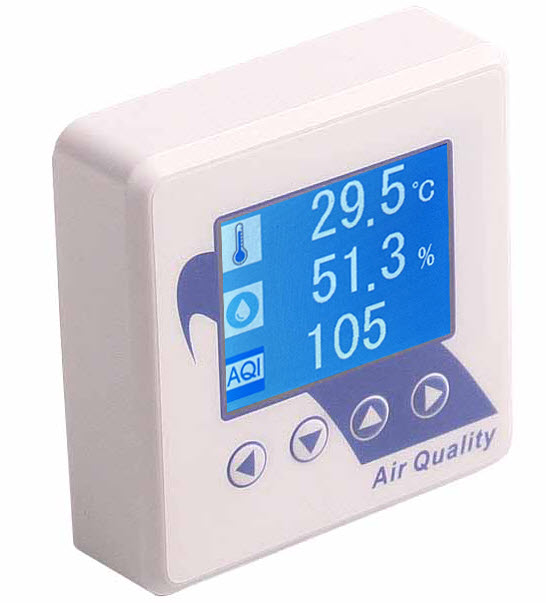
Smart Environmental Sensor Monitoring Example
Why Environmental Monitoring Matters
Protecting property, health, and energy costs through intelligent environmental control
Environmental Sensor Benefits & ROI
Energy Savings
HVAC optimization: 15-30% utility reduction
Smart scheduling: Heat/cool only when needed
Zone control: Individual room management
Seasonal adjustment: Automatic setpoint changes
Annual savings: $300-800 for typical home
Property Protection
Freeze prevention: Avoid burst pipe disasters
Mold prevention: Control humidity levels
Wood protection: Prevent warping, cracking
Equipment monitoring: HVAC system health
Cost avoidance: $5,000-50,000 in damage
Health & Comfort
Air quality monitoring: VOCs, CO2, particles
Allergy management: Humidity control
Sleep optimization: Ideal bedroom conditions
Respiratory health: Pollution alerts
Comfort zones: Perfect temperature/humidity
Environmental Sensor Types & Pricing
Complete breakdown of monitoring options from basic to professional grade
Complete Environmental Sensor Comparison
| Sensor Type | Price Range | Key Measurements | Accuracy | Battery Life | Best Brands |
|---|---|---|---|---|---|
| Temperature Only | $15 – $50 | °F/°C, min/max | ±1-2°F | 1-3 years | AcuRite, ThermoPro |
| Temp + Humidity | $25 – $80 | Temperature, RH% | ±3% RH | 6-18 months | SensorPush, Govee |
| Multi-Sensor Basic | $50 – $120 | Temp, humidity, pressure | ±1°F, ±2% RH | 6-12 months | Ecobee, Honeywell |
| Air Quality Monitor | $80 – $250 | CO2, VOC, PM2.5, temp, RH | ±50ppm CO2 | 3-12 months | Awair, IQAir |
| Professional Grade | $150 – $400 | All parameters + calibration | ±0.5°F, ±1% RH | 1-2 years | Vaisala, Sensirion |
| Smart Integrated | $100 – $300 | Full suite + automation | ±1°F, ±2% RH | 6-18 months | Nest, Ecobee, SmartThings |
Accuracy vs Price Reality
Consumer grade: ±3-5°F and ±5% RH typical – fine for general monitoring. Professional grade: ±0.5°F and ±1% RH – necessary for critical applications. Calibration matters: Sensors drift over time, annual calibration recommended for accuracy.
Temperature Monitoring Systems
Freeze protection, HVAC optimization, and comfort management
Temperature Sensor Applications & Costs
Freeze Protection
Critical locations:
• Basement/crawl spaces
• Garage areas
• Vacation homes
• Unheated areas with pipes
ROI: Prevents $5,000+ pipe burst damage
HVAC Optimization
Energy savings:
• 15-25% heating costs
• 10-20% cooling costs
• Zone control precision
• Occupancy-based adjustment
ROI: 6-18 month payback period
Data Logging
Business applications:
• Food service compliance
• Pharmaceutical storage
• Insurance documentation
• Energy auditing
Value: Compliance + optimization data
| Application | Ideal Range | Alert Thresholds | Sensor Placement | Typical Cost |
|---|---|---|---|---|
| Freeze Protection | 35-45°F monitoring | Below 40°F | Near pipes, exterior walls | $40-80 |
| Living Spaces | 68-76°F comfort | Outside 65-78°F | Central room locations | $60-120 |
| Storage Areas | 55-75°F stable | Below 50°F or above 80°F | Away from heat sources | $30-70 |
| Server Rooms | 65-75°F precise | Outside 60-78°F | Intake and exhaust areas | $100-250 |
| Wine Storage | 55-58°F constant | Outside 50-65°F | Multiple zones | $80-200 |
Humidity Monitoring & Control
Preventing mold, protecting materials, optimizing comfort and health
Humidity Sensor Benefits & Applications
Mold Prevention
High-risk areas:
• Bathrooms (post-shower)
• Basements
• Laundry rooms
• Attics
Damage prevention: $10,000+ mold remediation
Material Protection
Protects against:
• Wood warping/cracking
• Paper deterioration
• Metal corrosion
• Electronic damage
Value: Preserves valuable items
Health & Comfort
Health benefits:
• Reduced allergy symptoms
• Better sleep quality
• Fewer respiratory issues
• Skin comfort
ROI: Improved quality of life
Humidity Control Integration
Dehumidifiers: Smart models respond to sensor data automatically. Humidifiers: Winter essential in dry climates. HVAC integration: Whole-house systems most effective. Ventilation: Exhaust fans critical in high-moisture areas.
Air Quality Monitoring
VOCs, CO2, particulate matter, and indoor air pollution detection
Air Quality Parameters & Sensor Costs
| Air Quality Metric | Sensor Cost | Healthy Range | Health Impact | Common Sources |
|---|---|---|---|---|
| CO2 (Carbon Dioxide) | $80 – $200 | 400-1000 ppm | Cognitive function, drowsiness | Occupancy, poor ventilation |
| VOCs (Volatile Organic) | $100 – $250 | 0-300 ppb | Headaches, respiratory irritation | Paint, furniture, cleaners |
| PM2.5 (Fine Particles) | $120 – $300 | 0-12 μg/m³ | Lung/heart disease risk | Dust, smoke, pollen |
| PM10 (Coarse Particles) | $150 – $350 | 0-54 μg/m³ | Respiratory irritation | Dust, construction |
| Formaldehyde | $200 – $400 | 0-0.08 ppm | Carcinogenic, eye irritation | New furniture, flooring |
| All-in-One Monitor | $250 – $500 | Multiple parameters | Comprehensive health picture | Professional monitoring |
Health Impact Zones
Green (Good): Normal outdoor levels
Yellow (Moderate): Sensitive groups affected
Orange (Unhealthy): Everyone may experience effects
Red (Very Unhealthy): Serious health warnings
Real-time color-coded alerts for instant assessment
Indoor vs Outdoor Quality
Indoor often worse: 2-5x more polluted
Poor ventilation: Traps contaminants
Source control: Identify pollution sources
Ventilation timing: When to open windows
Smart integration with HVAC and air purifiers
Commercial Applications
Office productivity: CO2 affects performance
School environments: Learning optimization
Healthcare facilities: Infection control
Restaurants: Kitchen air management
Regulatory compliance and liability protection
Smart Home Integration
Connecting environmental sensors with automation and control systems
Smart Home Platform Compatibility
| Platform | Compatible Sensors | Automation Features | Setup Complexity | Monthly Cost |
|---|---|---|---|---|
| SmartThings | Z-Wave, Zigbee, WiFi | Advanced rules, scenes | Medium | $0 |
| Hubitat | Z-Wave, Zigbee, local | Complex automation, no cloud | Advanced | $0 |
| Home Assistant | Nearly everything | Unlimited customization | Expert | $0 |
| Alexa | Select brands | Voice control, routines | Easy | $0 |
| Google Home | Google ecosystem | Voice commands, schedules | Easy | $0 |
| Apple HomeKit | HomeKit certified only | Siri, automation scenes | Medium | $0 |
Automation Examples
High humidity detected: Turn on exhaust fans
Low temperature: Boost heat, alert phone
Poor air quality: Start air purifier
High CO2: Increase ventilation
Away mode: Energy-saving temperatures
Custom rules for every scenario
Notification Options
Push alerts: Instant phone notifications
Email reports: Daily/weekly summaries
SMS emergencies: Critical temperature alerts
Voice announcements: Smart speaker alerts
Dashboard display: Real-time status
Customize urgency levels per parameter
Data Analytics
Historical trends: Long-term pattern analysis
Energy correlation: Usage vs environmental data
Health insights: Comfort optimization
Maintenance alerts: HVAC system health
Export capability: Professional analysis
Transform data into actionable insights
Real Estate Investment Analysis
Environmental monitoring ROI for different property types
Primary Residence
Investment: $300-800 complete system
Energy savings: $300-800 annually
Essential sensors:
• Basement freeze protection ($50)
• Main floor humidity ($80)
• Bedroom air quality ($150)
• HVAC zone sensors ($200)
ROI: 12-18 months through energy savings
Bonus: Health benefits, comfort, peace of mind
Rental Properties
Strategic focus: Damage prevention
Investment: $150-400 per property
Critical monitoring:
• Freeze protection (prevent $5K+ damage)
• Humidity control (prevent mold)
• Temperature logging (tenant disputes)
• Remote monitoring (vacancy periods)
Tenant benefit: “Smart home” marketing
Insurance: May reduce premiums
Vacation Rentals
Guest experience: Optimal comfort
Investment: $400-800 system
Revenue protection:
• Perfect temperature on arrival
• Air quality for health-conscious guests
• Humidity control for comfort
• Remote monitoring between stays
5-star reviews: Comfort leads to ratings
Energy efficiency: Reduce operating costs
Installation & Calibration Guide
Optimal sensor placement, network setup, and accuracy maintenance
Installation Best Practices
Sensor Placement Strategy
Height: 4-6 feet for temperature/humidity
Air circulation: Avoid dead air spaces
Heat sources: 6+ feet from vents, windows
Accessibility: Easy battery replacement
Coverage: One sensor per 500-800 sq ft
Test placement before permanent mounting
Network Requirements
WiFi strength: -70 dBm minimum signal
Bandwidth: 10-50 KB/s per sensor
Latency: Under 500ms for alerts
Backup: Cellular or Z-Wave mesh
Security: WPA3 encryption preferred
Mesh networks ideal for large homes
Calibration Process
Initial setup: 24-hour stabilization
Reference check: Compare to known standards
Drift monitoring: Monthly accuracy checks
Professional calibration: Annual service
Replacement schedule: 3-5 years typical
Accuracy degrades over time without maintenance
Common Installation Mistakes
Too close to HVAC: Vents create false readings from direct airflow. Wrong height: Floor and ceiling readings don’t represent living zones. Poor WiFi: Weak signals cause missed alerts and data gaps. No calibration: Sensors drift without periodic accuracy checks.
Optimization & Troubleshooting
Maximizing accuracy, reducing false alerts, and maintaining sensor performance
Accuracy Optimization
Reference standards: Use NIST-traceable calibration
Environmental isolation: Shield from direct influences
Multi-sensor averaging: Use multiple sensors per zone
Drift compensation: Regular calibration checks
Professional accuracy requires professional maintenance
Power Management
Battery monitoring: Set 20% alerts
Power-saving modes: Reduce transmission frequency
Hardwired option: Best for critical sensors
Solar backup: Outdoor sensor solution
Plan replacement schedule to avoid gaps
Alert Management
Threshold tuning: Customize for your environment
Time delays: Avoid transient false alarms
Escalation rules: Multiple contact methods
Seasonal adjustment: Winter vs summer settings
Balance sensitivity with practicality
Connectivity Optimization
Signal strength: Use WiFi analyzers
Mesh networks: Better coverage than extenders
Redundant paths: Multiple communication methods
Local processing: Reduce cloud dependence
Reliable connectivity is critical for alerts
Data Analysis
Trend identification: Long-term pattern analysis
Correlation studies: Environmental vs energy data
Predictive maintenance: HVAC system health
Optimization insights: Efficiency improvements
Data is only valuable if analyzed and acted upon
Cost Optimization
Start essential: Freeze protection first
Expand gradually: Prove ROI before adding
Generic sensors: Same technology, lower cost
DIY installation: Save professional fees
Build system based on actual needs, not features
Environmental Sensors vs Traditional Methods
Comparing smart monitoring with basic thermostats and manual checking
Smart vs Traditional Monitoring
| Feature | Smart Environmental Sensors | Basic Thermostats | Manual Checking |
|---|---|---|---|
| Monitoring Coverage | Multi-room, 24/7 | Single location | Periodic, manual |
| Parameters Tracked | Temp, humidity, air quality | Temperature only | Whatever you check |
| Remote Monitoring | Worldwide access | Local only | Must be present |
| Historical Data | Years of trends | Limited memory | No records |
| Automation | Full integration | Basic scheduling | Manual adjustment |
| Alert Capability | Instant, worldwide | None | None |
| Energy Optimization | Advanced algorithms | Basic schedules | Manual only |
| Initial Cost | $200-800 | $50-200 | $10-50 |
Frequently Asked Questions
Expert answers to common environmental sensor questions
Build a Complete Smart Home Monitoring System
Environmental sensors work best as part of integrated home automation

Knowledge Quiz: Environmental Sensors
Open Quiz
5 quick questions - see how much you learned!
1) What is the typical cost range for multi-sensor environmental monitors (temperature + humidity + more)?
Answer: B
The “Environmental Sensor Cost Overview” lists multi-sensors at $80–$200, covering temperature, humidity, and additional parameters depending on the model.
2) CRITICAL: What is the typical alert threshold used for freeze protection to help prevent burst pipes?
Answer: C
The “Freeze Protection” section states an alert threshold of 40°F is typical, and highlights this prevents $5,000+ burst pipe damage when monitored near pipes and exterior walls.
3) Which humidity level is listed as the alert point for mold risk?
Answer: D
In the “Mold Prevention” section, the guide states the ideal humidity range is 30–50% RH, with alerts set above 60% RH and “critical” risk above 70% RH.
4) What HVAC energy savings range does the guide claim environmental monitoring can achieve?
Answer: A
The “Energy Savings” section lists HVAC optimization savings of 15–30%, with typical annual savings of $300–$800 for many homes.
5) According to the guide, what is the typical ROI timeline for environmental sensors from energy savings alone?
Answer: B
The guide’s “ROI Reality Check” states environmental sensors typically pay for themselves within 6–18 months through energy savings alone, before even counting property protection benefits.
🔒 More Home Security Guides
Explore our complete security system library
View All Security Guides (40+) ▼
👮 Professional Monitored Systems
📷 Security Cameras & Video
🔐 Smart Locks & Access Control
🚨 Sensors & Detectors
🔧 DIY & Self-Monitored
📱 Control & Monitoring
Last updated: Jan 2026
Sources: EPA Indoor Air Quality guidelines, ASHRAE standards, Energy Star specifications, NIST calibration standards, manufacturer specifications, Builds and Buys research team



