
💡 Under-Cabinet Lighting Cost Guide 2026
Transform your kitchen with task lighting – Complete pricing for LED strips, pucks, and professional installation
💰 Under-Cabinet Lighting Cost Overview
DIY LED Strips
Hardwired Basic
Premium System
Per Linear Foot
Under-Cabinet Lighting (LED Strips, Pucks, Hardwired vs Plug-In)
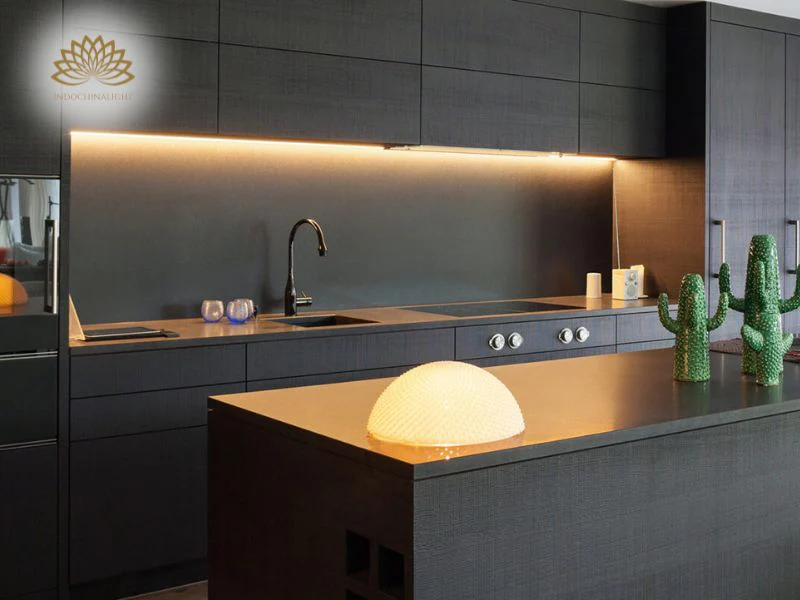
Under-Cabinet Lighting Types and Total Costs
Complete breakdown by lighting technology and installation method
Under-Cabinet Lighting Options – Materials + Installation
| Lighting Type | Unit Cost | Installation | Total Cost | Best For |
|---|---|---|---|---|
| LED Strip Lights (Plug-in) | $15 – $30/ft | DIY | $100 – $300 | Renters, budget option |
| LED Strips (Hardwired) | $20 – $40/ft | $200 – $400 | $300 – $800 | Seamless look, permanence |
| LED Light Bars | $30 – $60/bar | $150 – $300 | $300 – $900 | Even lighting, easy install |
| Puck Lights (Battery) | $10 – $25 each | DIY | $60 – $200 | No wiring needed |
| Puck Lights (Hardwired) | $25 – $50 each | $200 – $400 | $400 – $900 | Accent lighting |
| Xenon Light Bars | $40 – $80/bar | $200 – $400 | $500 – $1,200 | Warm light, dimmable |
| Smart LED System | $40 – $80/ft | $300 – $600 | $700 – $1,800 | Color changing, app control |
| Fluorescent (Outdated) | $20 – $40/fixture | $150 – $300 | $300 – $700 | Avoid – obsolete |
Installation Method Comparison
| Method | Cost | Pros | Cons | Best For |
|---|---|---|---|---|
| Plug-In | $0 labor | DIY friendly, moveable | Visible cords, outlets needed | Renters, quick fix |
| Direct Wire | $200 – $400 | Clean look, wall switch | Electrician required | Permanent homes |
| Battery | $0 labor | No wiring at all | Replace batteries, dimmer | Cabinets, closets |
| Transformer | $100 – $200 | Low voltage safe | Bulky transformer | LED systems |
| Smart/WiFi | $300 – $600 | App control, scheduling | Complex setup, cost | Tech lovers |
Light Output & Color Temperature
Getting the right brightness and color for your kitchen
Brightness (Lumens)
Recommended: 200-400 lumens/ft
Task lighting: 300+ lumens
Ambient only: 150-200 lumens
Adjustable/dimmable best
More light over prep areas
Color Temperature
2700K: Warm white (cozy)
3000K: Soft white (popular)
4000K: Cool white (modern)
5000K: Daylight (clinical)
Match existing fixtures!
Color Rendering (CRI)
90+ CRI: Best for kitchens
Shows true food colors
80 CRI minimum acceptable
Cheap LEDs often 70-75
Worth the extra cost
Electrical Requirements & Installation
What’s involved in hardwired under-cabinet lighting
Installation Components & Costs
| Component/Service | Cost | Required? | Notes |
|---|---|---|---|
| Wall Switch | $100 – $200 | Hardwired only | Often piggyback existing |
| Dimmer Switch | $150 – $300 | Recommended | LED-compatible required |
| Junction Box | $50 – $150 | Code requirement | Hidden above cabinets |
| New Circuit | $300 – $600 | If overloaded | Rarely needed |
| Wire Fishing | $200 – $500 | Finished walls | Avoid with plug-in |
| Transformer | $50 – $150 | Low voltage LED | Hide in cabinet |
| Wire Concealment | $100 – $300 | Aesthetic | Channel or conduit |
Common Wiring Challenges
• Granite backsplash = can’t hide wires easily (+$200-400)
• No wall switch nearby = new switch location (+$200-400)
• Finished ceiling below = complex wire routing (+$300-600)
• Old dimmer switches = won’t work with LED, replace (+$100-200)
• Metal cabinets = harder mounting, may need special clips
Planning Your Layout
Proper placement for optimal task lighting
Placement Rules
Position: Front 1/3 of cabinet
Hides fixture from view
Lights counter, not backsplash
2-4″ from cabinet face
Consistent height crucial
Continuous vs Sections
Continuous: Best look
No dark spots
Easier installation
Link multiple strips
Hide connections well
Areas to Skip
Over refrigerator
Above stove (range hood)
Where no counter below
Inside glass cabinets
Focus on work areas
Real Estate Investment Analysis
Under-cabinet lighting ROI for different property strategies
Single-Family Rental
Skip it or plug-in only
$100-200 plug-in maximum
Tenants don’t care
Another thing to break
Zero ROI impact
Fix & Flip
Always install: $400-700
Hardwired LED strips
Makes kitchen feel expensive
Great for photos/showings
$1,500+ perceived value
Short-Term Rental
Quality matters: $500-900
Dimmable essential
Creates ambiance
Night-time convenience
5-star review generator
DIY Installation Guide
How to install plug-in LED strips yourself
Measure Twice
Measure each cabinet section. Buy 10% extra for mistakes. Check outlet locations. Plan wire routing.
Prep Surface
Clean underside with alcohol. Let dry completely. Grease prevents adhesion. Mark placement line.
Power Planning
Use outlet above counter. Hide transformer in cabinet. Drill 1″ hole for wires. Use cord covers.
Cut Carefully
Cut ONLY at marked points. Every 1-3 inches typically. Use sharp scissors. Save extra pieces.
Connect Sections
Use manufacturer connectors. Solder for permanent. Test before final mount. Hide connections.
Mount Securely
Peel slowly, press firmly. Add clips every 12″. Aluminum channels best. Leave 2″ at ends.
Professional vs DIY Decision
When to hire an electrician for under-cabinet lighting
Installation Method Comparison
DIY Plug-In
Cost: $100-300
Time: 2-4 hours
Difficulty: Easy
Visible cords drawback
Good for renters
Move when needed
Professional Hardwired
Cost: $500-1,200
Time: 4-6 hours
Result: Premium
Hidden wiring
Wall switch control
Adds home value
Hybrid Approach
Cost: $300-600
Buy lights yourself
Hire for wiring only
Saves on markup
Professional result
Best value option
Popular Brands & Systems
Recommended products by budget and quality
Brand Comparison & Pricing
| Brand/Type | Price/Foot | Quality | Features | Best For |
|---|---|---|---|---|
| Philips Hue | $70 – $90 | Premium | Smart, color-changing | Tech enthusiasts |
| WAC Lighting | $40 – $80 | Professional | High CRI, reliable | High-end homes |
| Kichler | $35 – $60 | Excellent | Good warranty | Quality/value balance |
| GE Enbrighten | $25 – $40 | Good | Color selectable | DIY friendly |
| Wobane/Amazon | $15 – $25 | Budget | Basic function | Temporary solution |
| Commercial Electric | $20 – $35 | Decent | Home Depot brand | Budget conscious |
Avoid These Mistakes
• Super cheap Amazon strips – fail within year, poor light quality
• Mixing color temperatures – looks terrible
• Battery-powered for main lighting – constant replacement
• Xenon in enclosed spaces – too hot, energy waste
• Not buying extra connectors – always need more than included
Frequently Asked Questions
Expert answers about under-cabinet lighting selection and installation
💡 Ready to Brighten Your Kitchen?
Find qualified electricians or shop for DIY lighting solutions

Knowledge Quiz: Under Cabinet Lighting Cost Guide
Open Quiz
5 quick questions - see how much you learned!
1) What’s the typical installed cost per linear foot for under-cabinet lighting?
Answer: B
Your overview shows $20 – $60 per linear foot installed.
2) What lighting type is the best “winner” for most kitchens?
Answer: C
Your guide states LED strips dominate for lifespan, efficiency, and best overall value.
3) What brightness range is recommended for under-cabinet task lighting?
Answer: A
Your light output section recommends 200–400 lumens per linear foot.
4) Where should under-cabinet lights be positioned for best task lighting?
Answer: D
Your placement rules say front 1/3 of cabinet so the counter is lit (not the backsplash).
5) Which scenario typically adds extra cost because wires are harder to hide?
Answer: B
Your wiring challenges section notes granite backsplash makes wire hiding harder and can add cost.
⚡ More Electrical System Guides
Explore our complete electrical work library
View All Electrical Guides (20) ▼
⚡ Main Electrical Systems
🔌 Outlets & Switches
💡 Lighting Systems
🏠 Specialty & Smart Systems
Last updated: Jan 2026
Sources: National Kitchen & Bath Association, electrical contractor surveys, LED manufacturer specifications, Energy Star lighting guidelines, Builds and Buys research team



