
🏠 Whole House Repiping Cost Guide 2026
Complete pricing for replacing all plumbing pipes in your home
💰 Whole House Repiping Cost Overview
Small Home
Average Home
Large Home
Total Average
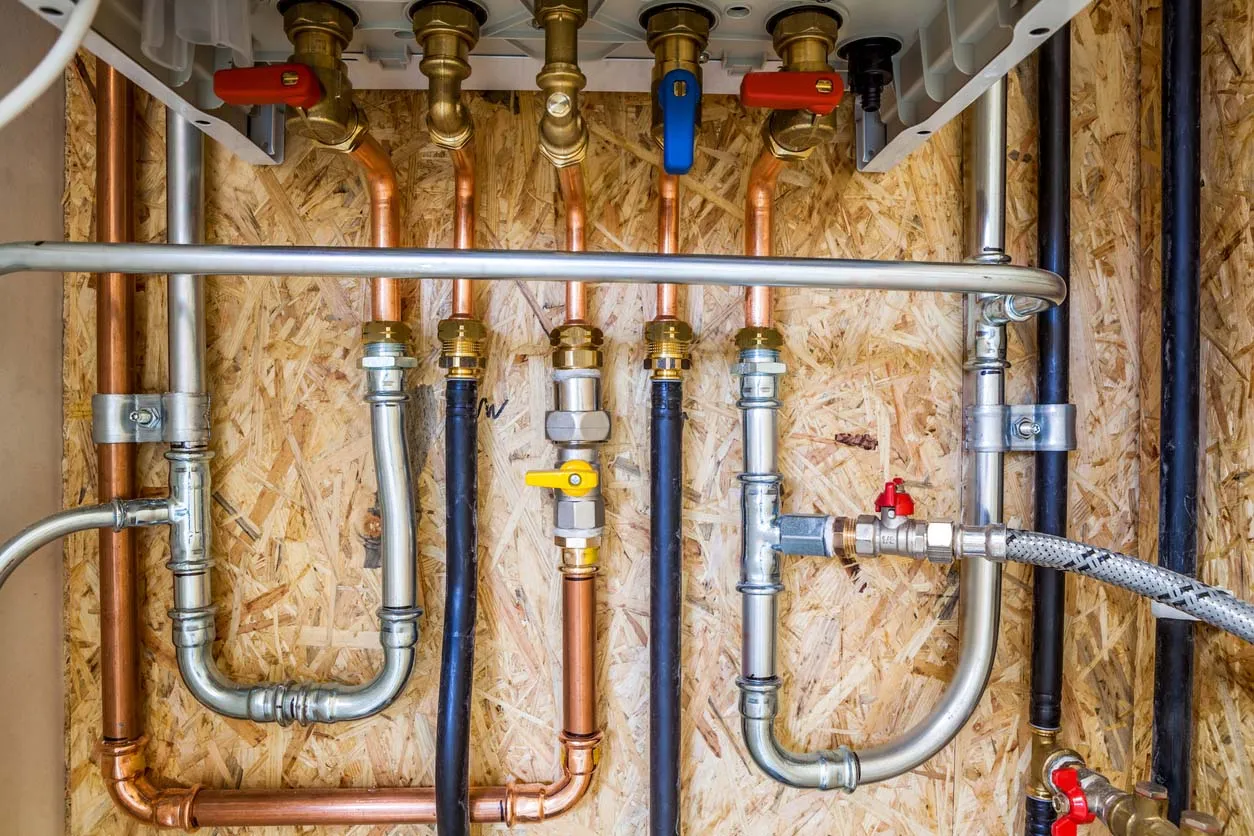
Professional Whole House Repiping Installation Example
Repiping Material Options & Complete Costs
Compare all pipe materials with installation pricing
Complete Repiping Material Comparison
| Pipe Material | Material Cost/ft | Labor Cost/ft | Total Cost/ft | Whole House Cost |
|---|---|---|---|---|
| PEX (CrossLinked Polyethylene) | $0.50 – $2 | $3 – $5 | $3.50 – $7 | $4,000 – $10,000 |
| CPVC (Chlorinated PVC) | $0.50 – $1 | $3 – $5 | $3.50 – $6 | $4,000 – $8,000 |
| Copper Type M | $2 – $4 | $5 – $8 | $7 – $12 | $8,000 – $15,000 |
| Copper Type L | $3 – $5 | $5 – $8 | $8 – $13 | $10,000 – $18,000 |
| PEX-A (Expansion) | $1 – $3 | $3 – $5 | $4 – $8 | $5,000 – $12,000 |
| PEX-B (Crimp) | $0.50 – $1.50 | $3 – $5 | $3.50 – $6.50 | $4,000 – $9,000 |
| Galvanized (Removal only) | N/A | $2 – $4 | $2 – $4 | Add to new pipe cost |
| Lead (Removal required) | N/A | $3 – $5 | $3 – $5 | Add to new pipe cost |
Critical Pipe Replacement Situations
Lead pipes: Must be replaced immediately – serious health hazard. Galvanized pipes: 40+ years old, rust internally, restrict flow, contaminate water. Polybutylene: Gray plastic pipes from 1978-1995, prone to sudden failure, uninsurable. Cast iron drain lines: Separate cost, add $3,000-$8,000 if needed.
Complete Cost Breakdown by Home Size
Detailed pricing based on square footage and fixtures
Repiping Costs by Home Configuration
| Home Type | PEX Cost | CPVC Cost | Copper Cost | Timeline |
|---|---|---|---|---|
| 1 Bath, 1000 sq ft | $3,500 – $5,000 | $3,000 – $4,500 | $7,000 – $10,000 | 2-3 days |
| 2 Bath, 1500 sq ft | $4,500 – $7,000 | $4,000 – $6,000 | $9,000 – $13,000 | 3-4 days |
| 2.5 Bath, 2000 sq ft | $6,000 – $9,000 | $5,500 – $8,000 | $11,000 – $15,000 | 4-5 days |
| 3 Bath, 2500 sq ft | $7,500 – $11,000 | $7,000 – $10,000 | $13,000 – $18,000 | 5-7 days |
| 4+ Bath, 3000+ sq ft | $10,000 – $15,000 | $9,000 – $13,000 | $16,000 – $25,000 | 7-10 days |
| Two-story add | +$1,000 – $2,000 | +$1,000 – $2,000 | +$2,000 – $3,000 | +1-2 days |
| Slab foundation add | +$500 – $1,500 | +$500 – $1,500 | +$1,000 – $2,500 | +1 day |
Additional Components & Costs
| Component | Cost Range | When Needed | Notes |
|---|---|---|---|
| Main water line | $2,000 – $5,000 | If deteriorated | Street to house |
| Shut-off valves | $100 – $200 each | Code requirement | Every fixture |
| Pressure regulator | $250 – $500 | High pressure areas | Protects new pipes |
| Hose bibs | $150 – $300 each | If replacing | Frost-proof recommended |
| Manifold system | $300 – $800 | PEX installations | Central control |
| Drywall repair | $2,000 – $5,000 | Always needed | 20-30% of job cost |
| Permits | $200 – $600 | Required | Varies by location |
PEX vs CPVC vs Copper: Complete Analysis
Choose the right material for your home and budget
Material Comparison Guide
PEX Piping
Cost: $4,000 – $10,000 total
Lifespan: 50+ years
Pros:
• Flexible, fewer fittings
• Freeze resistant
• Fast installation
• Quiet operation
Cons:
• UV sensitive
• Can’t use outside
• Some chemical concerns
CPVC Piping
Cost: $4,000 – $8,000 total
Lifespan: 50-75 years
Pros:
• Lowest cost option
• Easy DIY repairs
• Fire resistant
• Widely available
Cons:
• Brittle when cold
• Can split/crack
• Chemical taste possible
Copper Piping
Cost: $8,000 – $15,000 total
Lifespan: 70-100 years
Pros:
• Proven reliability
• Recyclable material
• UV resistant
• Biostatic properties
Cons:
• Expensive material
• Can freeze/burst
• Theft target
Installation Factors
PEX advantages:
• 50% faster install
• Minimal wall damage
• Home run system option
Copper challenges:
• Soldering required
• More wall openings
• Skilled labor needed
Signs You Need Repiping
Know when it’s time for complete pipe replacement
Warning Signs of Pipe Failure
Age Indicators
Galvanized: 40-50 years max
Copper: 70-100 years
CPVC: 50-75 years
Polybutylene: Replace now
Lead: Replace immediately
Check installation date
Factor material lifespan
Water Quality Issues
Discolored water
• Brown/rust colored
• Yellow tinting
• Particles in water
Taste/smell problems
• Metallic taste
• Chemical odor
Internal corrosion likely
Pressure Problems
Low water pressure
• Multiple fixtures affected
• Gradually worsening
• Inconsistent flow
Cause: Internal buildup
• Mineral deposits
• Corrosion blockage
Can’t be cleaned out
Visible Damage
Multiple leaks
• Pin hole leaks
• Joint failures
• Slab leaks
Pipe condition
• Visible corrosion
• Flaking/scaling
• Discoloration
Financial Indicators
Repair frequency
• Multiple repairs/year
• Increasing water bills
• Plumber on speed dial
Insurance issues
• Claims for water damage
• Premium increases
• Coverage threats
Specific Materials
Polybutylene (gray plastic)
• Failure imminent
• Uninsurable
Lead service lines
• Health emergency
• Required replacement
• May have subsidies
Repiping Process & What to Expect
Step-by-step timeline of whole house repiping
Typical Repiping Timeline
| Day/Phase | Activities | Homeowner Impact | Duration |
|---|---|---|---|
| Pre-Work | Permits, materials, planning | Sign contracts, clear access | 1-3 days before |
| Day 1 | Cut access holes, start main runs | Water off 4-6 hours, dust | 8-10 hours |
| Day 2-3 | Run supply lines, connect fixtures | Intermittent water, can stay | 8-10 hours/day |
| Day 4-5 | Finish connections, test system | Testing interruptions | 6-8 hours/day |
| Final Day | Inspection, final testing | Full water restored | 2-4 hours |
| Week 2 | Drywall repair, painting | Dust, paint fumes | 3-5 days |
Living Through Repiping
You CAN stay home: Water restored each evening, one bathroom usually kept functional. Prepare for: Noise, dust, workers throughout house, furniture moving. Minimize disruption: Clear paths to all plumbing, remove valuables, cover furniture. Water outages: Usually 4-6 hours at a time, plan accordingly.
Real Estate Investment Analysis
Repiping ROI for different property strategies
Primary Residence
ROI: Peace of mind
Value add: $5,000-$10,000
Insurance: Lower premiums
Benefits:
• No more leak anxiety
• Better water quality
• Improved pressure
• 50+ year solution
Rental Property
Critical if: Old pipes
Prevents: Emergency calls
Insurance: May require
Strategy:
• Do during vacancy
• PEX for durability
• Document everything
• Raise rent after
Fix & Flip
Must do if: Old pipes
Buyer concern: #1 issue
Marketing: “Completely repiped”
Returns: 70-80% of cost
• Prevents sale delays
• Inspection confidence
• Premium pricing
Hidden Costs & Surprises
Budget for these often-overlooked expenses
Additional Costs to Expect
Wall Repairs
Always required: 20-30% of total
Includes:
• Drywall patching
• Texture matching
• Interior painting
• Trim work
Cost: $2,000-$5,000
DIY possible to save
Fixture Updates
Often needed:
• Shut-off valves: $100-$200
• Angle stops: $50-$100
• Supply lines: $20-$40
• Shower valves: $150-$300
Why: Code compliance
Smart to update now
Access Issues
Slab foundations: +$1,000-$3,000
Finished basements: More demo
Cathedral ceilings: Difficult access
Tile walls: Expensive to match
Solution: Reroute when possible
Code Upgrades
Common requirements:
• Expansion tank: $300-$600
• Pressure regulator: $250-$500
• Bonding/grounding: $200-$400
• Access panels: $100-$200
Inspector may require
Drain Lines
Cast iron replacement:
• Often discovered during
• Add $3,000-$8,000
• Separate project
Vent stack work:
• Roof penetrations
• Add $500-$1,500
Living Expenses
If you move out:
• Hotel: $100-$150/night
• Eating out: $50-$100/day
• Storage: $100-$200
Staying saves: $500-$2,000
Most people stay home
Money-Saving Strategies
Reduce repiping costs without sacrificing quality
Time It Right
Combine with renovation to save 30-40%. Walls already open. Winter rates often lower. Avoid emergency situations.
Do Prep Work
Clear all access areas yourself. Remove belongings from work zones. Provide clear paths. Saves labor hours.
DIY Finishing
Handle drywall repair and painting yourself. Saves $2,000-$4,000. Plumbers patch holes, you finish.
Smart Material Choice
PEX saves 40-50% over copper. Equal performance for most homes. Faster installation = lower labor.
Partial Repipe?
Sometimes possible for problem areas only. Galvanized to water heater. Kitchen zone only. Assess carefully.
Multiple Quotes
Get 4-5 quotes for competition. Compare scope carefully. Beware too-low bids. Check references thoroughly.
Frequently Asked Questions
Expert answers to common repiping questions
🏠 Ready for Whole House Repiping?
Find qualified plumbers and protect your home

Knowledge Quiz: Whole House Repiping Cost Guide
Open Quiz
5 quick questions - see how much you learned!
1) What is the total average cost range for a complete whole house repipe?
Answer: D
The “Whole House Repiping Cost Overview” lists the Total Average: $4,000 – $15,000 for a complete repipe.
2) Which repiping material is shown as the most cost-effective whole-house option in the material comparison table?
Answer: A
The material table lists PEX at $4,000 – $10,000 for a whole house, and the selection guide states PEX is best for most homes due to durability and cost.
3) CRITICAL: Which pipe type is specifically identified as uninsurable and prone to sudden failure?
Answer: B
The “Critical Pipe Replacement Situations” section states polybutylene (gray plastic pipes from 1978–1995) is prone to sudden failure and is often uninsurable.
4) About what portion of a repipe job cost is typically drywall repair?
Answer: D
The guide states drywall repair is always needed and typically equals 20–30% of the job cost, with a common range of $2,000–$5,000.
5) CRITICAL: How long are typical daily water shutoffs during repiping when you stay in the home?
Answer: C
The timeline and “Living Through Repiping” sections state water is usually shut off for 4–6 hours at a time, with water typically restored each evening when staying in the home.
🔧 More Plumbing System Guides
Explore our complete plumbing work library
View All Plumbing Guides (25) ▼
🔥 Water Heating Systems
🏠 Main Plumbing Lines
💧 Drainage & Pump Systems
🚿 Water Treatment & Safety
🔧 Fixtures & Room Plumbing
Last updated: Jan 2026
Sources: National Association of Home Builders, Plumbing Manufacturers International, Professional Repiping Contractor Surveys, Builds and Buys Research Team



