
🎛️ Thermostat Upgrade Cost Guide 2026
Save 10-23% on energy bills with smart temperature control
💰 Thermostat Upgrade Cost Overview
Basic Programmable
Smart WiFi
Learning/AI
Installation
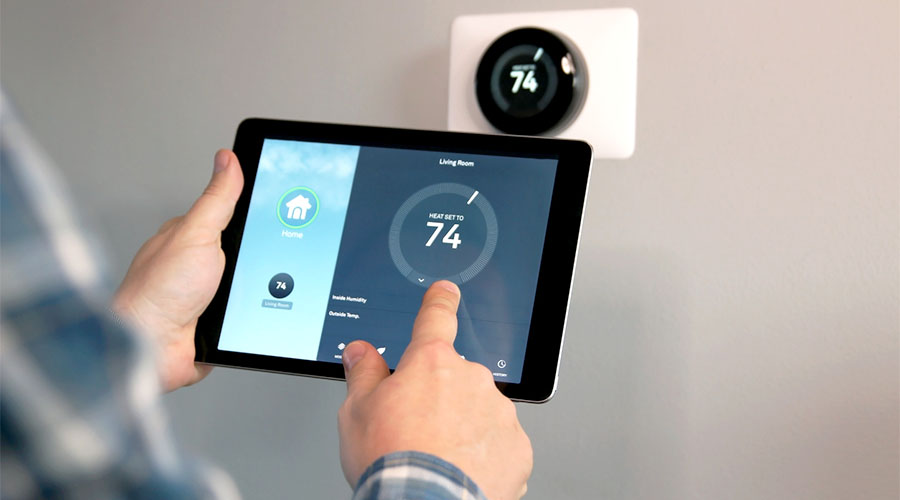
Professional Smart Thermostat Upgrade Example
Thermostat Types & Complete Costs
Find the perfect thermostat for your home and budget
Complete Thermostat Comparison
| Thermostat Type | Unit Cost | Install Cost | Annual Savings | Key Features |
|---|---|---|---|---|
| Manual (Non-Programmable) | $20 – $50 | $50 – $100 | $0 (baseline) | Basic temp control only |
| Basic Programmable | $40 – $100 | $75 – $150 | $130 – $180 | 5+2 or 7-day scheduling |
| WiFi Enabled | $100 – $200 | $100 – $200 | $150 – $250 | Remote control via app |
| Smart Thermostat | $200 – $300 | $100 – $200 | $180 – $300 | Energy reports, integrations |
| Learning Thermostat | $250 – $350 | $100 – $200 | $200 – $350 | Auto-scheduling, occupancy |
| Smart + Sensors | $300 – $500 | $150 – $250 | $250 – $400 | Room sensors, zoning |
| Commercial Grade | $400 – $800 | $200 – $400 | $300 – $600 | Advanced scheduling, BMS |
Compatibility Check Required
C-wire needed: Most smart thermostats require a common wire for power. No C-wire? Add $75-150 for adapter or new wire run. Heat pump systems: Need specific models with emergency heat controls. Verify: Take photo of current wiring before purchasing.
Top Smart Thermostat Models 2026
Detailed comparison of leading brands and features
Popular Smart Thermostat Models
Nest Learning (3rd Gen)
Price: $249 + $100 install
Savings: 10-12% heating, 15% cooling
Features:
• Auto-schedule learns habits
• Eco mode when away
• Works with most systems
• Farsight display
Best for: Set & forget users
Ecobee SmartThermostat
Price: $329 + $100 install
Savings: Up to 23% annually
Features:
• Includes room sensor
• Built-in Alexa
• Spotify streaming
• Advanced occupancy
Best for: Multi-zone comfort
Honeywell T9
Price: $199 + $100 install
Savings: Up to 20% annually
Features:
• Smart room sensors
• Multi-room focus
• Geofencing
• Works without C-wire
Best for: Budget smart option
Emerson Sensi Touch
Price: $169 + $100 install
Savings: Up to 23% annually
Features:
• Easy DIY install
• Works with most systems
• Privacy focused
• Flexible scheduling
Best for: Privacy conscious
Amazon Smart Thermostat
Price: $79 + $100 install
Savings: Up to 15% annually
Features:
• Budget-friendly
• Alexa built-in
• Energy reports
• Simple interface
Best for: Alexa ecosystem
Google Nest Thermostat
Price: $129 + $100 install
Savings: Up to 15% annually
Features:
• Simplified Nest
• Energy Star certified
• Mirror display
• Quick scheduling
Best for: Basic smart features
Energy Savings & ROI Analysis
Real numbers on thermostat upgrade payback
Savings by Home Size & Climate
| Home Size | Avg Annual Bill | Programmable Savings | Smart Savings | Payback Period |
|---|---|---|---|---|
| 1,000 sq ft | $1,200 | $120 – $180 | $180 – $276 | 6-18 months |
| 1,500 sq ft | $1,800 | $180 – $270 | $270 – $414 | 8-16 months |
| 2,000 sq ft | $2,400 | $240 – $360 | $360 – $552 | 7-14 months |
| 2,500 sq ft | $3,000 | $300 – $450 | $450 – $690 | 6-12 months |
| 3,000+ sq ft | $3,600+ | $360 – $540 | $540 – $828 | 5-10 months |
Installation Process & Requirements
DIY vs professional installation guide
Installation Complexity by System Type
Simple Installation (DIY)
Time: 30-45 minutes
Requirements:
• C-wire present
• Standard heating/cooling
• 4-5 wire setup
Process:
1. Turn off power
2. Photo old wiring
3. Label & transfer wires
4. Mount & configure
Moderate (Maybe DIY)
Time: 1-2 hours
Challenges:
• No C-wire (need adapter)
• Heat pump system
• Dual fuel setup
Solutions:
• C-wire adapter kit ($30)
• Power extender kit ($40)
• Careful wire mapping
Complex (Pro Required)
Cost: $150-300 labor
Situations:
• Multi-stage systems
• Zoned HVAC
• Incompatible voltage
• Proprietary systems
Why pro:
• Warranty protection
• System damage risk
Wiring Color Guide
• R (Red): 24V power • C (Blue/Black): Common • W (White): Heat • Y (Yellow): Cool • G (Green): Fan • O/B (Orange): Heat pump valve. IMPORTANT: Colors vary – always verify function, not color!
Smart Features That Save Money
Maximize your thermostat’s money-saving potential
Key Money-Saving Features Explained
Geofencing
Saves: 5-10% extra
How it works:
• Uses phone location
• Auto-adjusts when leaving
• Pre-heats/cools on return
• Multiple user support
Setup tip: 3-mile radius optimal
Occupancy Sensing
Saves: 8-12% extra
How it works:
• Motion detection
• Room-by-room sensing
• Smart averaging
• Sleep detection
Best with: Multiple sensors
Energy Reports
Saves: 3-5% via awareness
Shows you:
• Daily/monthly usage
• Comparison to similar homes
• Cost projections
• Efficiency tips
Action: Monthly review
AI Learning
Saves: 10-15% passive
Learns:
• Your schedule
• Temperature preferences
• Home thermal mass
• Weather response
Time: 1-2 weeks to optimize
Smart Recovery
Saves: 5-8% on bills
Function:
• Pre-heats/cools gradually
• Hits target temp on time
• Avoids energy spikes
• Weather adjusted
Benefit: Comfort + efficiency
Utility Integration
Saves: $50-200/year
Programs:
• Time-of-use rates
• Demand response
• Peak shifting
• Rebate qualification
Check: Local utility offers
Real Estate Investment Analysis
Smart thermostats as property value enhancers
Primary Residence
Best choice: Learning thermostat
Investment: $350-450 total
Benefits:
• Maximum comfort control
• 20-23% energy savings
• Increases home value $500+
• Smart home appeal
Rental Property
Best choice: Basic WiFi model
Investment: $200-300 total
Benefits:
• Remote temperature limits
• Prevent system abuse
• Monitor vacant units
• $25-50/mo rent premium
Fix & Flip
Best choice: Name brand basic
Investment: $150-250 total
Strategy:
• “Smart home ready” listing
• Appeals to millennials
• $1,000+ perceived value
• Quick install before showing
Common Problems & Solutions
Troubleshooting guide for thermostat issues
Frequent Thermostat Problems
Power Issues
Problem: Display flickering/dead
Causes:
• No C-wire connection
• Low battery (if applicable)
• Insufficient voltage
Fix: Install C-wire adapter
Cost: $30-75 DIY
WiFi Connection
Problem: Keeps disconnecting
Causes:
• Weak signal strength
• 5GHz only network
• Router compatibility
Fix: 2.4GHz network, extender
Cost: $30-50 extender
System Not Responding
Problem: Heat/AC won’t turn on
Causes:
• Wrong wiring config
• Incompatible system
• Blown fuse
Fix: Verify wiring, check fuse
Cost: $0-150 pro help
Temperature Variance
Problem: Actual ≠ Set temp
Causes:
• Poor placement
• Needs calibration
• Drafts/sun exposure
Fix: Relocate or add sensors
Cost: $40-70 per sensor
Schedule Not Working
Problem: Ignores programming
Causes:
• Manual overrides
• Learning conflicts
• Time zone issues
Fix: Reset schedule
Cost: $0 (settings fix)
Short Cycling
Problem: System turns on/off rapidly
Causes:
• Swing setting too tight
• Oversized HVAC
• Thermostat location
Fix: Adjust differential
Cost: $0-200 if relocation
Smart Money-Saving Strategies
Professional tips to maximize your investment
Use All Features
Most users only use 30% of features. Enable geofencing, set schedules, use eco mode. Each feature adds 3-5% savings. Total potential: 23% reduction in bills.
Utility Rebates
Check utility website before buying. Many offer $50-150 instant rebates on smart thermostats. Some have free installation programs. Stack with seasonal sales.
Best Buy Times
Black Friday: 40-50% off. Spring/Fall: Utility rebate seasons. Amazon Prime Day: Flash deals. Avoid summer – highest prices during AC season.
Optimal Settings
Winter: 68°F when home, 60°F away. Summer: 78°F home, 85°F away. Each degree saves 3%. Night setback: Additional 5-10% savings.
Room Sensors
Add $40-70 per sensor but worth it for 2+ story homes. Place in bedrooms and living areas. Avoid bathrooms, kitchens, near windows.
Integration Value
Works with Alexa/Google? Adds perceived value. Integrates with security system? Another selling point. Smart home ecosystem compatibility matters for resale.
Frequently Asked Questions
Expert answers to common thermostat questions
🌡️ Ready to Upgrade Your Thermostat?
Start saving energy and money with smart temperature control

Knowledge Quiz: Thermostat Upgrade Cost Guide
Open Quiz
5 quick questions - see how much you learned!
1) What is the typical cost range for a smart WiFi thermostat (unit cost only)?
Answer: B
The “Thermostat Upgrade Cost Overview” lists Smart WiFi thermostats at $200–$300 (app control), which is the typical unit price range.
2) What is the typical professional installation cost range for a thermostat upgrade?
Answer: C
The cost overview shows “Installation: $100–$200 (Professional),” which is the typical pro install range for most homes and systems.
3) CRITICAL: What extra cost range may apply if your system has no C-wire?
Answer: A
The “Compatibility Check Required” section warns that most smart thermostats need a C-wire, and if you don’t have one you may spend an extra $75–$150 for an adapter or running a new wire.
4) What is the maximum total energy savings potential stated when features are fully optimized?
Answer: D
The guide states “Save 10–23%” and breaks it down: programming (10%), geofencing (+5%), and sensors (+5–8%) for a total potential of about 23% if you actually use the features.
5) CRITICAL: Which wire terminal is the C-wire connected to on a thermostat?
Answer: B
The wiring guide defines “C” as the common wire providing continuous 24V power. Compatibility checks require verifying whether a wire is present in the C terminal before purchasing a smart thermostat.
🌡️ More HVAC & Climate Control Guides
Explore our complete HVAC system library
View All HVAC Guides (20) ▼
❄️ Cooling Systems
🔥 Heating Systems
💨 Ductwork & Ventilation
Last updated: Jan 2026
Sources: Energy Star, EPA, Department of Energy, Smart Thermostat Manufacturers, HVAC Contractors Association, Builds and Buys Research Team



