
🌡️ Sunroom Heating & Cooling Cost Guide 2026
Complete HVAC solutions for year-round sunroom comfort
💰 Sunroom HVAC Cost Overview
Space Heaters
Mini-Split System
HVAC Extension
Radiant + AC
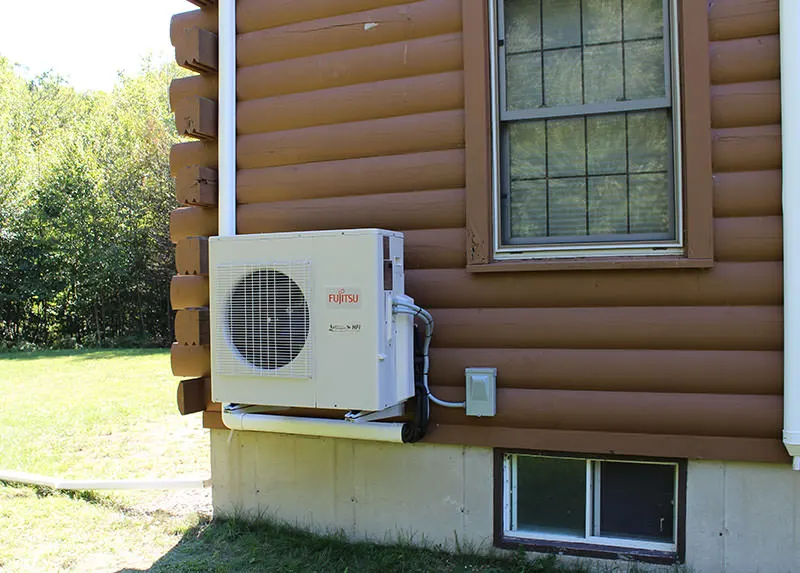
Professional Sunroom Heating & Cooling System Example
Sunroom HVAC Systems & Complete Pricing
Every heating and cooling option with installation costs
Complete HVAC System Pricing
| System Type | Coverage Area | Equipment Cost | Installation | Total Cost |
|---|---|---|---|---|
| Portable Heaters | 100-200 sq ft | $200-800 | DIY-$200 | $200-1,000 |
| Window AC Units | 150-300 sq ft | $300-800 | $100-300 | $400-1,100 |
| Baseboard Electric | 200-400 sq ft | $500-1,500 | $500-1,000 | $1,000-2,500 |
| Mini-Split Heat Pump | 200-500 sq ft | $1,200-3,000 | $800-2,000 | $2,000-5,000 |
| Ducted Extension | Any size | $1,500-3,500 | $1,500-3,500 | $3,000-7,000 |
| Radiant Floor Heat | Any size | $6-12/sq ft | $4-8/sq ft | $10-20/sq ft |
| Fireplace/Stove | 300-500 sq ft | $1,500-4,000 | $1,000-2,000 | $2,500-6,000 |
| Geothermal System | Whole home | $10,000-20,000 | $5,000-10,000 | $15,000-30,000 |
Critical Sunroom HVAC Warnings
Sunroom HVAC failures stem from treating them like regular rooms – glass walls create 3-5x higher heating/cooling loads requiring specialized solutions! Common mistake: extending existing home HVAC without load calculations causes system strain, uneven temperatures, and 30-50% higher energy bills. Sunrooms need 60-100 BTU per square foot versus 20-30 for regular rooms. Undersized systems never achieve comfort while oversized units cycle constantly creating humidity problems. Many contractors skip Manual J calculations essential for proper sizing – demand written load calculations before purchasing. Ductwork extensions often impossible without major renovations costing $5,000-10,000 extra. Building codes may prohibit certain heating types: many areas ban unvented gas heaters, portable units may not meet permanent heat source requirements for four-season classification. Condensation disasters common when heating/cooling imbalanced – cold surfaces meeting warm humid air creates mold conditions. Electric resistance heat seems cheap initially but operating costs can exceed $300-500 monthly in cold climates. Smart thermostats struggle with sunroom temperature swings – invest in systems with remote sensors. Warranty issues abound: many HVAC manufacturers void coverage for sunroom installations due to extreme conditions. Professional design essential – improper HVAC turns beautiful sunrooms into unusable spaces!
HVAC System Components & Features
Understanding what drives comfort and efficiency
System Component Breakdown
| Component/Feature | Cost Range | Purpose | Energy Impact | Notes |
|---|---|---|---|---|
| Heat Pump Technology | +$500-1,500 | Heating & cooling | 300% efficient | Best overall value |
| Variable Speed | +$300-800 | Comfort control | 30% savings | Reduces cycling |
| Zoning Controls | +$1,000-2,500 | Independent control | 20% savings | Essential for comfort |
| Smart Thermostat | +$200-500 | Automated control | 15% savings | Remote sensors key |
| Humidity Control | +$500-1,500 | Moisture management | Comfort++ | Prevents condensation |
| Air Purification | +$300-1,000 | Air quality | Minimal | Good for allergies |
| Backup Heat | +$500-1,000 | Extreme weather | Emergency only | Peace of mind |
| Ceiling Fans | $150-500 each | Air circulation | 5-10% helper | Not standalone |
System Efficiency Ratings
| System Type | Efficiency Rating | Annual Cost* | Comfort Level | Best Application |
|---|---|---|---|---|
| Electric Resistance | 100% AFUE | $1,200-2,400 | Fair | Mild climates only |
| Gas Fireplace | 70-85% AFUE | $600-1,200 | Good | Supplemental heat |
| Standard Heat Pump | 8-10 HSPF | $400-800 | Very Good | Most climates |
| High-Eff Heat Pump | 10-13 HSPF | $300-600 | Excellent | All climates |
| Mini-Split System | 20-30 SEER | $250-500 | Excellent | Best overall |
| Geothermal | 400% COP | $200-400 | Superior | Long-term value |
*Annual operating cost estimates for 300 sq ft sunroom in moderate climate
Factors Affecting HVAC Costs
Major variables impacting your heating/cooling investment
Primary Cost Drivers
Sunroom Size & Design
Small (100-200 sq ft):
• Single mini-split adequate
• 9,000-12,000 BTU
• $2,000-3,000 typical
Large (300-500 sq ft):
• Multi-zone needed
• 24,000-36,000 BTU
• $4,000-7,000 range
Glass & Insulation
High-performance glass:
• Reduces load 30-40%
• Smaller system OK
• Better comfort
Basic windows:
• Requires oversizing
• Higher operating costs
• Comfort challenges
Climate Zone
Moderate (Zones 3-4):
• Heat pump ideal
• Lower capacity OK
• Year-round use
Extreme (Zones 1-2, 6-7):
• Backup heat needed
• Higher capacity
• +30-50% costs
Existing Systems
Compatible HVAC:
• May extend ducts
• Check capacity first
• $3,000-5,000
Maxed out system:
• Needs independent
• Mini-split best
• Protects main HVAC
Electrical Service
Adequate power:
• Simple connection
• Standard install
• Normal costs
Panel upgrade needed:
• 240V circuits
• Service upgrade
• +$1,000-3,000
Control Complexity
Basic thermostat:
• Manual control
• Temperature swings
• Lower cost
Smart automation:
• Multi-sensor
• Learning capability
• +$500-1,500
Best HVAC Solutions by Situation
Matching heating/cooling systems to your specific needs
HVAC Recommendations by Use Case
| Situation | Best System | Why | Budget Range |
|---|---|---|---|
| Three-Season Use | Portable units | Occasional comfort boost | $500-1,500 |
| Four-Season Daily Use | Mini-split heat pump | Efficiency, zoning, quiet | $2,500-5,000 |
| Home Office | Mini-split + backup | Reliable comfort essential | $3,000-6,000 |
| Entertainment Space | Ducted + fireplace | Quick response, ambiance | $4,000-8,000 |
| Plant Room | Mini-split + humidifier | Precise control needed | $3,500-6,000 |
| Budget Constraint | Window AC + space heat | Adequate basic comfort | $800-2,000 |
| Luxury Build | Radiant floor + mini-split | Ultimate comfort | $8,000-15,000 |
| Eco-Conscious | Geothermal/solar assist | Lowest operating cost | $15,000-30,000 |
HVAC Investment Returns & Energy Savings
Long-term value of quality climate control
Operating Cost Reality
Annual costs by system:
• Electric baseboard: $1,200-2,400
• Window units: $600-1,200
• Mini-split: $300-600
• Geothermal: $200-400
5-year savings: $3,000-8,000
Property Value Impact
Four-season capability:
• Adds true living space
• 75% cost recovery
• Faster home sales
Three-season limits:
• Counts as porch
• 50% value add
Investment Strategy
Primary residence:
• Prioritize comfort
• Energy efficiency
• 7-10 year payback OK
Investment property:
• Balance cost/appeal
• 3-5 year payback
• Reliability crucial
DIY vs Professional HVAC Installation
Understanding complexity and safety requirements
Installation Method Comparison
DIY Possible
Limited to:
• Portable units only
• Window AC units
• Plug-in heaters
Saves: $200-500
Risks: Inadequate sizing
No warranties
Professional Required
All permanent systems:
• Mini-splits
• Ducted HVAC
• Radiant heating
• Gas appliances
Ensures: Proper sizing
Code compliance
DIY Dangers
• Refrigerant handling illegal
• Electrical hazards
• Gas connection risks
• Voided warranties
• Insurance issues
• Permit violations
Pro Benefits
• Load calculations
• Optimal placement
• Warranty protection
• Permit handling
• System commissioning
• Efficiency verification
Choosing Contractors
• NATE certification
• Brand authorization
• Load calc examples
• Sunroom experience
• License/insurance
• Warranty terms
Installation Timeline
Mini-split: 1-2 days
Ducted: 2-4 days
Radiant: 3-5 days
Complex: 1-2 weeks
• Permits add time
• Electrical may delay
Smart HVAC Cost-Saving Strategies
Maximize comfort while minimizing investment
Passive Solar First
Before adding HVAC, maximize free heating: thermal mass flooring, strategic shading, and operable windows reduce loads 30-40%. Smart design cuts equipment size and operating costs significantly.
Off-Season Installation
Schedule HVAC installation in spring/fall for 15-25% discounts. Contractors offer better pricing during slow periods. October-November and March-April ideal. Avoid summer AC rush and winter heating emergencies.
Dual-Purpose Systems
Choose heat pumps providing both heating and cooling versus separate systems. Single equipment cost, one installation, unified controls. Modern mini-splits heat efficiently down to -15°F.
Rebate Stacking
Combine utility rebates ($200-1,000), manufacturer promotions ($100-500), and tax credits (up to 30%) for major savings. Research before buying – some exclusive. Total savings can reach $2,000+.
Rough-In Now
During construction, install electrical/refrigerant lines for future HVAC even if not installing immediately. Adds $300-500 now, saves $1,000+ later. Allows phased investment.
Right-Size Systems
Oversizing wastes money and reduces comfort. Demand Manual J calculations – many contractors guess, adding 20-40% unnecessary capacity. Proper sizing saves thousands and improves efficiency.
Frequently Asked Questions
Expert answers about sunroom heating and cooling
🌡️ Ready to Climate Control Your Sunroom?
Find qualified HVAC specialists for your project

Knowledge Quiz: Sunroom Heating Cooling Cost Guide
Open Quiz
5 quick questions - see how much you learned!
1) What is the typical installed cost range for a mini-split heat pump system for a sunroom?
Answer: C
The HVAC overview and pricing table list Mini-Split Heat Pump totals at $2,000 – $5,000 installed (equipment + installation).
2) CRITICAL: About how many BTU per square foot do sunrooms typically need (vs regular rooms)?
Answer: B
The warnings state sunrooms have 3–5x higher loads and commonly need 60–100 BTU per sq ft, compared to 20–30 for regular rooms. This is why “guessing” system size causes comfort and humidity failures.
3) Which HVAC option is typically the most expensive (as listed) for sunroom conditioning?
Answer: D
The pricing table shows Geothermal as the highest-cost option at $15,000 – $30,000 (whole-home scale).
4) What is the typical installed cost range for extending ducted HVAC into a sunroom?
Answer: A
The HVAC overview and pricing table list HVAC Extension / Ducted Extension totals at $3,000 – $7,000.
5) CRITICAL: What’s the #1 must-have step before sizing or buying any permanent sunroom HVAC system?
Answer: C
The warnings explicitly say many contractors skip Manual J calculations, leading to undersized or oversized systems (humidity problems, high bills, uneven temps). You want written load calculations before buying anything.
☀️ More Sunroom Guides
Explore our complete sunroom addition library
View All Sunroom Guides (15+) ▼
☀️ Sunroom Types
Last updated: Jan 2026
Sources: Air Conditioning Contractors of America (ACCA), ASHRAE, Energy Star, North American Technician Excellence (NATE), Building Performance Institute, Builds and Buys Research Team



