
🪑 Sunroom Furniture Cost Guide 2026
Complete pricing for weather-resistant furnishings and décor
💰 Sunroom Furniture Cost Overview
Basic Set
Mid-Range
Premium
Luxury Custom
Sunroom Furniture (All-Weather Seating, Dining Sets, Storage & Décor)
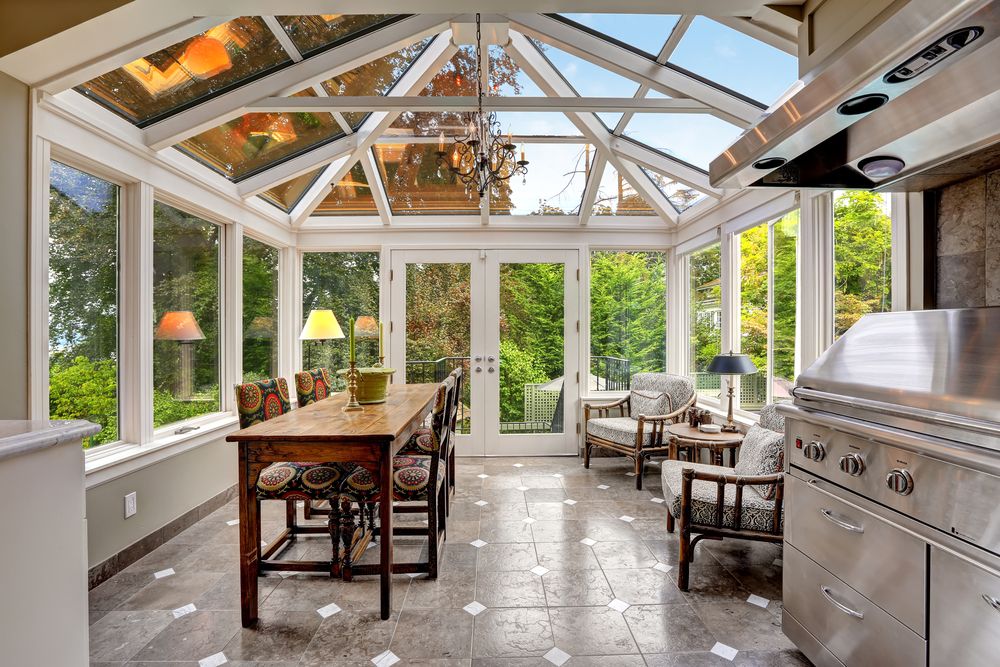
Furniture Types & Complete Pricing
Every furniture category for your sunroom space
Complete Sunroom Furniture Pricing
| Furniture Type | Budget Range | Mid-Range | Premium | Materials/Features |
|---|---|---|---|---|
| Sectional Sofa | $800-1,500 | $1,500-3,000 | $3,000-6,000 | Wicker, aluminum, teak |
| Loveseat | $400-800 | $800-1,500 | $1,500-3,000 | Weather-resistant cushions |
| Lounge Chairs (pair) | $300-600 | $600-1,200 | $1,200-2,500 | Reclining, swivel options |
| Dining Set (6 seats) | $600-1,200 | $1,200-2,500 | $2,500-5,000 | Expandable, glass/wood top |
| Coffee Table | $150-400 | $400-800 | $800-1,500 | Storage, lift-top options |
| Side Tables (pair) | $100-300 | $300-600 | $600-1,200 | Nesting, weather-resistant |
| Ottoman/Pouf | $100-250 | $250-500 | $500-1,000 | Storage, multi-function |
| Bar Cart/Console | $200-500 | $500-1,000 | $1,000-2,000 | Wheels, weather-proof |
| Daybed/Chaise | $500-1,000 | $1,000-2,000 | $2,000-4,000 | Adjustable, canopy option |
| Storage Cabinet | $300-700 | $700-1,500 | $1,500-3,000 | Marine-grade hardware |
Critical Sunroom Furniture Warnings
Using indoor furniture in sunrooms destroys it within months – temperature extremes, UV exposure, and humidity cause catastrophic failures costing thousands! Temperature swings from 20°F to 140°F cause wood furniture to crack, joints to fail, and veneers to peel. Standard upholstery fabrics fade to nothing in 6-12 months under intense UV exposure. Humidity fluctuations lead to mold, mildew, and fabric rot – especially in three-season rooms. Metal furniture rusts, leather cracks and peels, particle board swells and disintegrates. Common disasters: dining tables splitting down the middle, sofa frames collapsing from joint failure, cushions growing black mold, wicker unraveling from UV damage. Even “outdoor” furniture fails if not specifically rated for sunroom conditions – check for all-weather certification. Weight matters on older sunroom floors – heavy furniture can cause structural issues. Glass tables can shatter from thermal stress. Dark colors absorb heat reaching dangerous temperatures. Warranty void using indoor furniture in sunrooms – insurance may deny damage claims. Professional sunroom furniture costs more but lasts 10-15 years versus 1-2 years for indoor pieces. Budget replacements false economy – quality furniture cheaper long-term. Never use: particle board, MDF, standard fabrics, untreated wood, regular metal, or foam cushions without proper covers.
Material Durability & Performance
Understanding materials for extreme sunroom conditions
Sunroom Furniture Material Comparison
| Material | Heat Resistance | Moisture Resistance | UV Resistance | Lifespan | Maintenance |
|---|---|---|---|---|---|
| Aluminum Frame | Excellent | Excellent | Excellent | 15-20 years | Minimal |
| Resin Wicker | Very Good | Excellent | Very Good | 10-15 years | Low |
| Teak Wood | Good | Excellent | Good | 20-25 years | Annual oiling |
| Powder-Coated Steel | Good | Good | Very Good | 10-15 years | Rust prevention |
| Eucalyptus Wood | Fair | Good | Fair | 7-10 years | Regular sealing |
| Recycled Plastic | Excellent | Excellent | Good | 20+ years | Minimal |
| Natural Wicker | Poor | Poor | Poor | 3-5 years | High |
Cushion & Fabric Options
| Fabric Type | Cost/Yard | Fade Resistance | Water Resistance | Cleaning | Lifespan |
|---|---|---|---|---|---|
| Sunbrella | $40-80 | Excellent (5 yr warranty) | Excellent | Bleach cleanable | 8-10 years |
| Outdura | $25-50 | Very Good | Very Good | Soap & water | 6-8 years |
| Olefin | $15-35 | Good | Good | Spot clean | 4-6 years |
| Polyester (treated) | $20-40 | Good | Fair | Machine wash | 3-5 years |
| Quick-Dry Foam | $30-60/cu ft | N/A | Excellent | Hose off | 7-10 years |
| Indoor Fabric | $10-30 | Poor | Poor | Professional | 1-2 years* |
*In sunroom conditions
Factors Affecting Furniture Costs
Major variables impacting your furniture investment
Primary Cost Drivers
Sunroom Type
Four-season:
• More material options
• Can use some indoor pieces
• Standard pricing
Three-season:
• All-weather required
• Limited options
• +20-40% for durability
Room Size
Small (100-150 sq ft):
• Loveseat + chairs
• Compact dining
• $2,000-4,000 total
Large (250+ sq ft):
• Multiple seating areas
• Full dining set
• $6,000-12,000+
Quality Level
Budget brands:
• Big box stores
• 3-5 year lifespan
• Basic warranties
Premium brands:
• Designer collections
• 10-20 year lifespan
• Comprehensive warranties
Construction Quality
Basic construction:
• Screwed joints
• Thin materials
• Single weave
Premium build:
• Welded frames
• Thick gauges
• Double weaving
Climate Factors
Mild climate:
• Standard materials OK
• More options
• Lower costs
Extreme climate:
• Premium materials only
• Limited selection
• +30-50% costs
Delivery/Assembly
Standard delivery:
• Curbside drop
• DIY assembly
• $100-300
White glove:
• Room placement
• Full assembly
• $500-1,500
Furniture Layouts by Sunroom Style
Optimal furniture arrangements for different uses
Recommended Furniture Sets by Room Function
| Sunroom Use | Essential Pieces | Optional Additions | Total Budget |
|---|---|---|---|
| Living/Relaxation | Sectional, coffee table, side tables | Ottoman, floor lamp, plants | $3,000-7,000 |
| Dining Room | Dining set, buffet/sideboard | Bar cart, china cabinet | $2,500-6,000 |
| Home Office | Desk, ergonomic chair, storage | Bookshelf, filing cabinet | $1,500-4,000 |
| Entertainment | Sectional, TV stand, ottoman | Bar area, game table | $4,000-8,000 |
| Reading Nook | Lounge chairs, side table, lamp | Bookshelf, ottoman | $1,200-3,000 |
| Exercise/Yoga | Storage bench, equipment rack | Mirror, plant stands | $800-2,000 |
| Kids Playroom | Storage units, play table, seating | Reading corner, art station | $1,000-3,000 |
| Multi-Purpose | Modular seating, nesting tables | Storage ottomans, carts | $3,500-8,000 |
Furniture Impact on Property Value
How quality furnishings affect sunroom appeal
Staging Impact
Furnished sunroom:
• Shows room potential
• Photographs better
• Faster sales
Empty sunroom:
• Looks unfinished
• Purpose unclear
• Buyer confusion
Included vs Negotiable
Often included:
• Built-in seating
• Custom pieces
• Adds $2,000-5,000 value
Usually negotiable:
• Freestanding furniture
• Décor items
• Separate negotiation
Quality Perception
Premium furniture:
• Signals home care
• Luxury impression
• Higher offers
Cheap furniture:
• Devalues space
• Maintenance concerns
• Lower perception
Buying New vs Used Considerations
Comparing options for sunroom furniture acquisition
Furniture Sourcing Comparison
Buying New
Advantages:
• Full warranties
• Latest materials/tech
• Custom options
• Delivery/assembly
Disadvantages:
• Higher cost
• 8-12 week wait times
Buying Used
Advantages:
• 40-70% savings
• Immediate availability
• Unique finds
Disadvantages:
• No warranty
• Condition varies
• Limited selection
Used Furniture Warnings
• Check for mold/mildew
• Inspect frame integrity
• Test all mechanisms
• Verify outdoor rating
• Look for rust/rot
• Smell for mustiness
Best Sources
New:
• Specialty outdoor stores
• Direct from manufacturer
• Design centers
Used:
• Estate sales
• Consignment shops
• Online marketplaces
Retailer Comparison
Big box: Lower cost, limited selection
Specialty: Expert advice, quality
Online: Best prices, shipping costs
Custom: Perfect fit, highest cost
Best Buying Times
• End of summer: 40-60% off
• Black Friday deals
• January clearance
• Memorial Day sales
• Model home liquidations
• Store closings
Money-Saving Strategies
Smart ways to furnish your sunroom for less
Buy Sets, Not Pieces
Complete furniture sets typically save 20-30% versus buying individual pieces. Retailers offer package deals especially end-of-season. Look for sets including cushions and pillows – buying separately adds 15-20% to costs. Negotiate on floor models for additional 10-15% off.
Time Purchases Strategically
August-September clearances offer 40-60% off as retailers make room for holiday inventory. January sees additional markdowns on remaining stock. Sign up for retailer emails – exclusive sales often 48-hour windows. Stack coupons with sales for maximum savings.
Mix High and Low
Invest in quality frames (seating/tables) that last, save on accessories and décor. Premium cushions on budget frames often better than reverse. Focus spending on high-use pieces. Buy neutral basics, add personality with affordable pillows/throws changed seasonally.
Consider DIY Options
Build simple pieces like plant stands, side tables from weather-resistant materials. Reupholster existing frames with Sunbrella fabric – saves 60-70%. Paint/refinish solid wood pieces with marine-grade finishes. YouTube tutorials make complex projects manageable.
Check Alternative Sources
Hotel liquidators offer commercial-grade furniture at residential prices. Restaurant supply stores have durable tables/chairs. Marine suppliers carry weather-resistant options. Costco/Sam’s Club seasonal offerings excellent value for basic pieces.
Buy Off-Season Sizes
Slightly undersized or oversized pieces often deeply discounted. Apartment-sized furniture works well in smaller sunrooms. Commercial dimensions sometimes better value. Measure carefully – “close enough” isn’t for furniture. Custom cushions can adapt pieces.
Frequently Asked Questions
Expert answers about sunroom furniture selection
🪑 Ready to Furnish Your Perfect Sunroom?
Create your dream sunroom space with the right furniture

Knowledge Quiz: Sunroom Furniture Cost Guide
Open Quiz
5 quick questions - see how much you learned!
1) What’s the total budget range you list for a full “Basic Set” of sunroom furniture?
Answer: C
Your overview shows a Basic Set at $2,000–$4,000.
2) In your pricing table, what’s the mid-range price for a Dining Set (6 seats)?
Answer: B
You list the Dining Set (6 seats) mid-range as $1,200–$2,500.
3) Which frame material in your durability chart is rated “Excellent” for heat, moisture, and UV resistance?
Answer: A
Your chart shows Aluminum Frame as Excellent in heat, moisture, and UV resistance.
4) According to your fabric table, which fabric is listed with “Excellent” fade resistance and an 8–10 year lifespan?
Answer: D
You list Sunbrella as Excellent for fade resistance with an 8–10 year lifespan.
5) Which sourcing time do you list as a best buying period for major furniture discounts?
Answer: C
You call out August–September as a prime clearance window with major discounts.
☀️ More Sunroom Guides
Explore our complete sunroom addition library
View All Sunroom Guides (15+) ▼
☀️ Sunroom Types
Last updated: Jan 2026
Sources: International Casual Furnishings Association, American Home Furnishings Alliance, Outdoor Furniture Manufacturers Association, Sunbrella Performance Fabrics, Builds and Buys Research Team



