
🏛️ Post & Beam Installation Cost Guide 2026
Create open floor plans with structural posts and beams
💰 Post & Beam Installation Cost Overview
Basic System
Average Project
Complex System
Per Linear Foot
Professional Post & Beam Installation Example
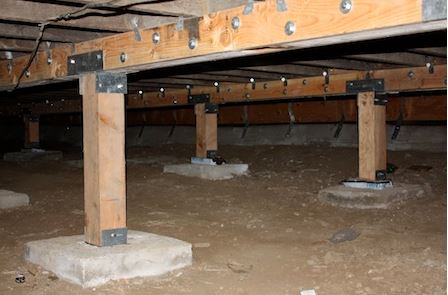
Post & Beam System Cost Breakdown
Complete pricing for structural post and beam installations
Post & Beam Material Options
| Material Type | Cost Range | Typical Sizes | Best Applications |
|---|---|---|---|
| Steel I-Beam | $150 – $300/ft | W8x18 to W12x26 | Long spans, heavy loads |
| LVL Beam | $50 – $200/ft | 1.75″ x 9.5″ to 14″ | Residential, moderate spans |
| Glulam Beam | $80 – $250/ft | 3.5″ x 9″ to 16″ | Exposed applications, curves |
| Solid Wood Beam | $100 – $400/ft | 6×6 to 12×12 | Traditional, exposed look |
| Steel Posts | $500 – $1,500 each | 3″ to 6″ diameter | Maximum strength, minimal size |
| Wood Posts | $300 – $800 each | 6×6 to 8×8 | Traditional look, adequate loads |
Complete Installation Cost Components
Critical Load Path Warning
Post and beam systems transfer massive loads through small points. Improper sizing or installation causes catastrophic failure. Professional engineering REQUIRED – no exceptions. Posts must have adequate footings to bedrock or engineered soil. Beam connections are life-safety critical. Building codes strictly enforced. DIY attempts have killed people when structures collapse.
| Component | Cost Range | Details | Necessity |
|---|---|---|---|
| Engineering | $1,500 – $3,500 | Load calculations, stamped plans | Required by code |
| Permits | $500 – $2,000 | Based on project value | Mandatory |
| Footings | $500 – $1,500/post | Concrete piers to frost line | Critical for posts |
| Installation Labor | $2,000 – $5,000 | Specialized crew required | Professional only |
| Temporary Shoring | $1,000 – $3,000 | Support during installation | Safety requirement |
| Finishing Work | $1,000 – $3,000 | Drywall, trim, paint | Aesthetic completion |
Span & Load Considerations
Critical factors determining beam and post sizing
| Span Length | Typical Beam Size | Material Cost | Total Installed Cost |
|---|---|---|---|
| 8-10 feet | 2×10 LVL or W8x18 | $400 – $1,000 | $2,000 – $4,000 |
| 12-14 feet | 2×12 LVL or W10x22 | $600 – $1,800 | $3,500 – $6,000 |
| 16-18 feet | 3.5×14 LVL or W12x26 | $1,000 – $3,000 | $5,000 – $8,000 |
| 20-24 feet | 5.25×16 Glulam or W14x30 | $1,500 – $4,500 | $7,000 – $12,000 |
| 25-30 feet | Steel required – W16x40+ | $3,000 – $7,500 | $10,000 – $18,000 |
| 30+ feet | Custom engineering | $5,000+ | $15,000 – $30,000+ |
Post & Beam Installation Process
Step-by-step professional installation
1. Engineering Design
Duration: 1-2 weeks
Cost: $1,500 – $3,500
• Load path analysis
• Beam sizing calculations
• Post spacing determination
• Connection details
• Stamped drawings
2. Footing Installation
Duration: 2-3 days
Cost: $500 – $1,500/post
• Excavate to frost line
• Form and pour piers
• Install post bases
• Cure time required
• Inspection before backfill
3. Temporary Support
Duration: 1 day
Cost: $1,000 – $3,000
• Install shoring walls
• Transfer loads safely
• Monitor for movement
• Protect work area
• Safety barriers
4. Post Installation
Duration: 1 day
Cost: Included above
• Set posts plumb
• Secure to footings
• Install post caps
• Check alignment
• Temporary bracing
5. Beam Placement
Duration: 1-2 days
Cost: Major expense
• Lift beam into place
• May need crane
• Secure connections
• Install hangers
• Remove shoring carefully
6. Finishing Work
Duration: 3-5 days
Cost: $1,000 – $3,000
• Wrap posts if desired
• Patch ceiling/walls
• Paint/stain exposed wood
• Final inspection
• Documentation
Real Estate Investment Analysis
Post & beam systems create valuable open floor plans
Open Concept Value
Cost: $5,000 – $15,000
Value add: $10,000 – $30,000
ROI: 50-100% in right markets
Key: Modern buyer preference
Space Efficiency
Gain: 50-150 sq ft usable
Value: $100-300/sq ft
Result: $5,000 – $45,000
Best: Small homes, condos
Market Positioning
Entry level: Skip it
Mid-market: Expected feature
Luxury: Exposed beams premium
Historic: Preserves character
Cost-Saving Strategies
Smart ways to reduce post and beam expenses
Optimal Post Placement
Strategic post locations can reduce beam size needs. Posts at 1/3 points vs center cut beam requirements in half. Work with engineer to find best positions.
Material Selection
LVL beams cost 50% less than steel for most residential spans. Only use steel when absolutely necessary. Glulam splits the difference for exposed applications.
Embrace Industrial Look
Skip expensive post wraps and beam covers. Painted steel posts and exposed beams are design features. Saves $2,000-5,000 on finishing.
Combine With Renovation
Install during kitchen remodel or other major work. Shared permits, single contractor mobilization, walls already open. Saves 20-30% on project management.
Flush vs Drop Beam
Flush beams hidden in ceiling cost more but maintain height. Drop beams cheaper but lose headroom. Choose based on ceiling height available.
Partial Spans
Don’t span entire width if not needed. Kitchen islands or partial walls can break up spans, reducing beam size and cost significantly.
Frequently Asked Questions
Expert answers about post and beam installations
🏛️ Ready to Open Up Your Floor Plan?
Get expert guidance and accurate estimates for your post and beam project

Knowledge Quiz: Post Beam Installation Cost Guide
Open Quiz
5 quick questions - see how much you learned!
1) What is the “Average Project” cost range shown for a post & beam installation?
Answer: B
The overview lists Average Project: $5,000 – $10,000 for multiple beams/posts.
2) Which component is explicitly listed as “Required by code”?
Answer: A
The “Complete Installation Cost Components” table lists Engineering as Required by code.
3) What is the typical cost range shown for footings per post?
Answer: C
The components table shows Footings: $500 – $1,500/post to frost line.
4) In the “Span & Load Considerations” table, which span range states “Steel required”?
Answer: D
The table lists 25–30 feet as Steel required – W16x40+.
5) What is the listed cost range for temporary shoring during post & beam installation?
Answer: B
The cost components list Temporary Shoring: $1,000 – $3,000 as a safety requirement.
🏗️ More Structural Modification Guides
Explore our complete structural changes resource library
View All Structural Types (15) ▼
🧱 Wall & Opening Modifications
🏗️ Foundation & Basement Modifications
🏠 Roof & Ceiling Structure Changes
Last updated: Jan 2026
Sources: American Institute of Steel Construction, APA Engineered Wood Association, International Building Code 2024, Structural Engineering Institute, Builds and Buys research team



