
⬆️ House Raising/Lifting Cost Guide 2026
Elevate your home for flood protection, new basements, or foundation repairs
💰 House Lifting Cost Overview
Single Story
Two Story
With New Foundation
Utility Disconnect
Professional House Lifting Example
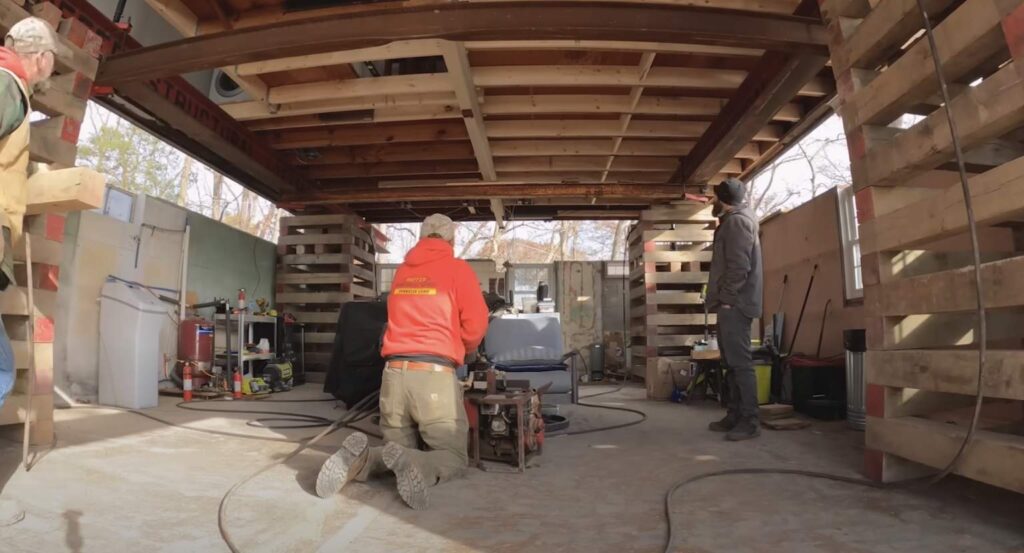
House Lifting Cost Breakdown
Complete pricing for elevating your home safely
Cost by House Size and Type
| House Type | Lifting Only | With New Foundation | Total Project Time |
|---|---|---|---|
| Small Ranch (1,000 sq ft) | $10,000 – $15,000 | $25,000 – $40,000 | 2-4 weeks |
| Average Home (1,500 sq ft) | $12,000 – $20,000 | $30,000 – $50,000 | 3-5 weeks |
| Large Home (2,500 sq ft) | $18,000 – $28,000 | $40,000 – $70,000 | 4-6 weeks |
| Two Story (any size) | $15,000 – $30,000 | $35,000 – $65,000 | 4-7 weeks |
| Brick/Stone House | $20,000 – $40,000 | $45,000 – $80,000 | 5-8 weeks |
| Historic Home | $25,000 – $50,000 | $50,000 – $100,000 | 6-12 weeks |
Cost by Lifting Height
Critical Safety Warning
House lifting is extremely dangerous. Only use specialized house lifting contractors with proper equipment and insurance. Improper lifting causes catastrophic collapse. All utilities must be disconnected by licensed professionals. Structural engineer required for lifting plan. Never remain in or under house during lifting. Most standard homeowner’s insurance void during lifting – get special coverage.
| Lift Height | Additional Cost | Common Purpose | Special Requirements |
|---|---|---|---|
| 1-2 feet | Base price | Foundation repair access | Minimal utility work |
| 3-4 feet | +$2,000 – $4,000 | Flood zone compliance | Stair modifications |
| 5-6 feet | +$4,000 – $8,000 | Crawlspace to basement | New stairs required |
| 7-8 feet | +$8,000 – $12,000 | Full basement addition | Major utility extensions |
| 9-10 feet | +$12,000 – $18,000 | Garage underneath | Engineering complexity |
| Over 10 feet | +$20,000+ | Multiple story addition | Special permits/equipment |
Reasons for House Lifting
Common scenarios requiring home elevation
| Lifting Purpose | Typical Height | Total Cost Range | ROI/Benefit |
|---|---|---|---|
| Flood Zone Compliance | 2-8 feet | $20,000 – $40,000 | Insurance savings $5-15K/year |
| Add Full Basement | 7-9 feet | $50,000 – $100,000 | Double living space |
| Foundation Replacement | 2-4 feet | $30,000 – $60,000 | Prevents total loss |
| Create Garage Space | 8-10 feet | $40,000 – $70,000 | Adds $20-40K value |
| Increase Ceiling Height | 1-2 feet | $15,000 – $25,000 | Modernizes basement |
| Move to New Location | Varies | $15,000 – $50,000 | Preserves historic home |
House Lifting Process & Timeline
Step-by-step elevation procedure
1. Engineering & Permits
Duration: 2-4 weeks
Cost: $2,000 – $5,000
• Structural assessment
• Lifting plan design
• Permit applications
• FEMA compliance docs
• Neighbor notifications
2. Utility Disconnection
Duration: 2-3 days
Cost: $2,000 – $5,000
• Electric service drop
• Gas line capping
• Water/sewer disconnect
• Cable/phone removal
• HVAC preparation
3. Steel Beam Installation
Duration: 1-2 days
Cost: Included
• Thread steel under house
• Position at lift points
• Install cribbing towers
• Place hydraulic jacks
• Safety system setup
4. Lifting Operation
Duration: 1 day
Cost: Main expense
• Unified hydraulic lifting
• 6-12 inches per hour
• Continuous monitoring
• Level adjustments
• Temporary supports
5. Foundation Work
Duration: 2-4 weeks
Cost: $15,000 – $30,000
• Build new foundation
• Extend existing walls
• Waterproofing
• Cure time required
• Inspection approvals
6. Lowering & Reconnection
Duration: 3-5 days
Cost: $3,000 – $8,000
• Lower onto foundation
• Secure attachments
• Reconnect utilities
• Test all systems
• Final inspections
Real Estate Investment Analysis
Strategic house lifting for flood zones and space creation
Flood Zone Economics
Insurance savings: $5-15K/year
Property value: +10-20%
Payback period: 3-5 years
Grants available: Up to 75%
Basement Addition ROI
Cost: $50-100K total
Added space: 1,000-2,500 sq ft
Value increase: $30-60K
Rental potential: $1,000-2,000/mo
Market Considerations
Coastal areas: High demand
Historic districts: Preservation
Urban lots: Max density
Resale impact: Positive
Cost-Saving Strategies
Smart ways to reduce house lifting expenses
Maximize Grants
FEMA Hazard Mitigation grants cover up to 75%. State/local programs add more. Apply before starting. ICC coverage in flood policy provides $30,000. Document all flood damage.
Combine Projects
While lifted, perfect time for: new foundation, basement dig out, major plumbing/electrical upgrades, termite treatment. Saves re-mobilization costs.
Right Height First Time
Lift to FEMA BFE + 2 feet for maximum insurance savings. Going higher later costs double. Consider future sea level rise in calculations.
Neighborhood Coordination
Multiple houses lifting together save 15-20% on equipment/crew costs. Share engineering expenses. Group permit applications faster.
Off-Season Timing
Winter lifting (where possible) saves 10-15%. Contractors less busy. Avoid hurricane season in coastal areas. Better equipment availability.
Temporary Housing
Plan to vacate 4-6 weeks. Short-term rentals or staying with family saves hotel costs. Some insurance covers additional living expenses.
Frequently Asked Questions
Expert answers about house lifting and raising
⬆️ Ready to Elevate Your Home?
Get expert guidance and accurate estimates for your house lifting project

Knowledge Quiz: House Raising Lifting Cost Guide
Open Quiz
5 quick questions - see how much you learned!
1) What is the typical cost range to lift a single-story home (lifting only)?
Answer: B
The “House Lifting Cost Overview” lists Single Story: $10,000 – $20,000 for a basic ranch/bungalow when lifting only.
2) What is the required additional cost range for utility disconnection?
Answer: C
The guide lists Utility Disconnect: $2,000 – $5,000 and warns all utilities must be disconnected by licensed professionals before lifting begins.
3) CRITICAL: What is the safety rule about being inside or under the home during lifting?
Answer: D
The safety warning is explicit: Never remain in or under the house during lifting. Lifting is high-risk and requires specialized crews, equipment, and monitoring.
4) What lift height range is commonly associated with adding a full basement?
Answer: B
In “Reasons for House Lifting,” the guide lists Add Full Basement: 7–9 feet as the typical lift height range for creating a full basement.
5) What is the typical payback period stated for lifting a home in a flood zone (due to insurance savings)?
Answer: C
The “Flood Zone Economics” section states a 3–5 year payback period based on insurance savings of $5K–$15K per year and property value increases.
🏗️ More Structural Modification Guides
Explore our complete structural changes resource library
View All Structural Types (15) ▼
🧱 Wall & Opening Modifications
🏗️ Foundation & Basement Modifications
🏠 Roof & Ceiling Structure Changes
Last updated: Jan 2026
Sources: International Association of Structural Movers, FEMA Flood Mitigation Assistance Program, Structural Engineering Institute, National Flood Insurance Program, Builds and Buys research team



