
🔥 Fireplace Installation Cost Guide 2026
Add warmth, ambiance, and value to your living room with a new fireplace
💰 Fireplace Installation Cost Overview
Electric
Gas Insert
Wood Burning
Full Masonry
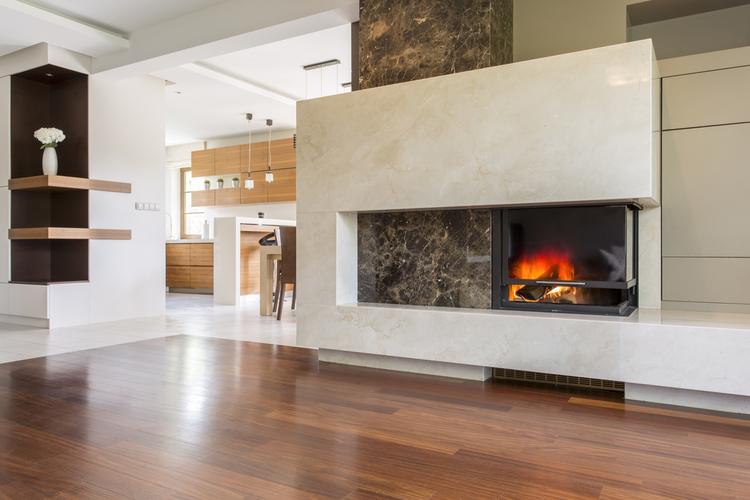
Professional Fireplace Installation Example
Fireplace Types & Pricing
Complete breakdown of fireplace options and installation costs
Fireplace Options & Total Costs
| Fireplace Type | Unit Cost | Installation | Total Cost | Key Features |
|---|---|---|---|---|
| Electric Fireplace | $500 – $2,000 | $500 – $1,500 | $1,000 – $3,500 | No venting, DIY possible |
| Gas Insert (Existing) | $1,500 – $3,500 | $1,000 – $2,500 | $2,500 – $6,000 | Uses existing chimney |
| Direct Vent Gas | $2,000 – $4,000 | $2,000 – $4,000 | $4,000 – $8,000 | No chimney needed |
| Wood Insert | $1,500 – $3,500 | $1,000 – $2,000 | $2,500 – $5,500 | Efficient wood heat |
| Zero-Clearance Wood | $3,000 – $6,000 | $2,500 – $5,000 | $5,500 – $11,000 | Built-in wood burning |
| Ethanol/Bioethanol | $500 – $3,000 | $300 – $1,000 | $800 – $4,000 | Ventless, portable |
| Masonry Fireplace | $5,000 – $10,000 | $5,000 – $10,000 | $10,000 – $20,000 | Custom, traditional |
Critical Fireplace Installation Warnings
Gas line installation requires licensed plumber! Never DIY gas connections – explosion risk. Building permits required for all types except plug-in electric. Chimney inspection mandatory before wood/gas insert installation ($200-500). Clearances to combustibles crucial – follow manufacturer specs exactly. Insurance notification required – premiums may increase. Carbon monoxide detectors mandatory with gas/wood. Existing chimney may need liner ($2,000-5,000). Structural support needed for heavy units. Local codes vary widely – check first. Professional installation preserves warranty. Annual inspection/cleaning required for wood ($150-300). Gas fireplaces need annual service ($150-250).
Installation Requirements & Costs
Understanding what your fireplace installation involves
Installation Components by Type
| Component | Electric | Gas | Wood | Cost Impact |
|---|---|---|---|---|
| Venting System | None needed | $500 – $2,000 | $1,500 – $5,000 | Major cost factor |
| Gas Line | N/A | $500 – $1,500 | N/A | Distance dependent |
| Electrical | $200 – $500 | $150 – $300 | Optional fan | Dedicated circuit |
| Framing/Support | $200 – $500 | $500 – $1,500 | $1,000 – $3,000 | Weight dependent |
| Finishing Work | $500 – $1,500 | $1,000 – $3,000 | $1,500 – $5,000 | Surround/mantel |
| Permits | Often none | $200 – $500 | $300 – $800 | Varies by location |
| Inspection | Rare | $150 – $300 | $200 – $400 | Code required |
Additional Cost Factors
| Factor | Cost Range | When Needed | Impact Level |
|---|---|---|---|
| Chimney Liner | $2,000 – $5,000 | Existing chimney conversion | Major |
| Structural Work | $1,000 – $5,000 | Wall modifications | Significant |
| Mantel/Surround | $500 – $5,000 | Aesthetic upgrade | Variable |
| Hearth Extension | $500 – $2,000 | Code compliance | Moderate |
| Wall Protection | $300 – $1,000 | Combustible walls | Safety critical |
| Remote Controls | $200 – $500 | Convenience feature | Optional |
Fireplace Features & Options
Modern features and design choices for every style
Fireplace Types Detailed Comparison
Electric Fireplaces
Easiest installation:
• Heat output: 4,000-9,000 BTU
• Operating cost: $0.08-0.15/hour
• Installation: 2-4 hours
• No venting required
• Zone heating capable
Best for: Condos, rentals
Downside: Not “real” fire
Gas Fireplaces
Most popular choice:
• Heat output: 20,000-40,000 BTU
• Operating cost: $0.50-1.00/hour
• Efficiency: 70-85%
• Instant on/off
• Natural or propane
Best for: Primary heat source
Maintenance: Annual service
Wood Burning
Traditional ambiance:
• Heat output: 20,000-80,000 BTU
• Operating cost: Wood dependent
• Efficiency: 60-80% (EPA)
• Real fire experience
• Backup heat source
Best for: Rural homes
Work: Wood storage/handling
Ethanol/Gel
Modern alternative:
• Heat output: 3,000-12,000 BTU
• Operating cost: $1.50-3.00/hour
• No venting needed
• Real flames
• Portable options
Best for: Ambiance only
Caution: Limited heat
Design Features
Popular upgrades:
• Glass doors: $300-1,000
• Blower fan: $200-400
• Remote control: $200-500
• Decorative logs: $100-500
• LED lighting: $150-300
Trend: Linear designs
Smart: WiFi controls
Surround Options
Finishing touches:
• Stone veneer: $1,000-3,000
• Tile: $500-2,000
• Wood mantel: $500-3,000
• Metal: $800-2,500
• Built-in TV above: +$1,000
Popular: Floor-to-ceiling
ROI: High visual impact
Installation Process & Timeline
What to expect during fireplace installation
Installation Timeline by Type
| Phase | Electric | Gas | Wood | Notes |
|---|---|---|---|---|
| Planning/Permits | 1-2 days | 1-2 weeks | 2-3 weeks | Varies by location |
| Site Preparation | 2-4 hours | 1-2 days | 2-3 days | Framing, protection |
| Rough-In Work | 2-4 hours | 1-2 days | 2-4 days | Gas, electric, venting |
| Unit Installation | 2-4 hours | 1 day | 1-2 days | Setting fireplace |
| Venting/Chimney | None | 1 day | 2-3 days | Major component |
| Finishing Work | 1 day | 2-3 days | 3-5 days | Surround, trim |
| Total Timeline | 1-2 days | 1-2 weeks | 2-3 weeks | Weather dependent |
Real Estate Investment Analysis
Fireplace ROI across different property strategies
Primary Residence
Excellent investment:
• 60-80% cost recovery
• Daily enjoyment value
• Energy bill offset
Best type: Gas or quality electric
Focus: Aesthetics matter
Rental Property
Consider carefully:
• Higher insurance
• Maintenance liability
• Tenant safety concerns
Best option: Electric only
Skip: Wood burning
Fix & Flip
High impact feature:
• 65-75% ROI average
• Major selling point
• Photos beautifully
Strategy: Gas insert in existing
Budget: $3,000-6,000 sweet spot
Operating Costs & Efficiency
Understanding ongoing costs and heating efficiency
Annual Operating Cost Comparison
Electric Operating Costs
Most predictable:
• Per hour: $0.08-0.15
• Monthly (4hr/day): $10-18
• Annual average: $50-150
• Efficiency: 99%
• Zone heating saves money
Maintenance: Minimal
Lifespan: 20+ years
Gas Fireplace Costs
Moderate operating:
• Per hour: $0.50-1.00
• Monthly (4hr/day): $60-120
• Annual average: $200-500
• Annual service: $150-250
• Efficiency: 70-85%
Pilot light: $8-10/month
Parts: Occasional
Wood Burning Costs
Variable costs:
• Cord of wood: $200-400
• Season needs: 2-4 cords
• Annual cleaning: $150-300
• Chimney cap: $150-300
• Annual total: $500-1,500
Labor: Splitting/stacking
Storage: Space needed
Ethanol Fuel Costs
Premium fuel:
• Per hour: $1.50-3.00
• Liter cost: $4-8
• Burns 4-8 hours/liter
• No maintenance costs
• No cleaning needed
Warning: Ongoing expense
Convenience: High
Home Heating Impact
Efficiency varies:
• Electric: Zone heating only
• Gas: Can heat 1,000 sq ft
• Wood: Whole house possible
• Reduces furnace use 20-40%
• Best as supplemental heat
Tip: Use ceiling fans
Savings: $100-500/year
Insurance Impact
Cost considerations:
• Electric: No impact
• Gas: +$50-100/year
• Wood: +$100-300/year
• Inspection required
• Some insurers refuse wood
Discounts: For safety features
Document: All work
Money-Saving Strategies
Smart ways to add a fireplace without breaking the budget
Use Existing Infrastructure
Gas insert in existing fireplace saves thousands vs new construction. Electric needs only outlet – no venting costs. Direct vent gas cheaper than traditional chimney. Consider ventless where permitted – saves $2,000-4,000 on venting.
Timing Your Purchase
Buy in summer – 20-30% off season discounts. End of model year clearances save 40%. Black Friday deals on electric units. Spring contractor discounts before busy season. Package with other work for better rates.
Smart Shopping
Previous year models function identically. Scratch-and-dent units for hidden installations. Builder supply stores beat retail. Online prices 20-30% less for electric. Check energy rebates for efficient models.
DIY Opportunities
Electric fireplaces truly DIY-friendly. Build your own surround – save $1,000-3,000. Demo old fireplace yourself. Paint existing brick instead of replacing. Handle permits yourself – save $200-400.
Design Savings
Corner installation uses less surround material. Wall-mount electric needs no built-in. Prefab mantels cheaper than custom. Simple tile beats elaborate stone. Skip unnecessary features like lighting.
Alternative Options
Electric fireplace TV stands $300-800. Portable units for testing locations. Outdoor fireplace might be cheaper. Pellet stoves efficient alternative. Gas logs in existing fireplace $500-1,500.
Frequently Asked Questions
Expert answers about fireplace installation
🔥 Ready to Add a Fireplace to Your Home?
Connect with qualified fireplace installers in your area

Knowledge Quiz: Fireplace Installation Cost Guide
Open Quiz
5 quick questions - see how much you learned!
1) What is the typical total installed cost range for an electric fireplace?
Answer: B
The cost overview and table list electric fireplaces at $1,000–$3,500 total installed (unit $500–$2,000 + installation $500–$1,500). No venting is needed and some models can be DIY.
2) What is the typical total installed cost range for the most popular option: a gas insert?
Answer: C
Your guide shows the gas insert as the most popular choice, with total costs of $2,500–$6,000 for an insert installed into an existing fireplace/chimney (unit $1,500–$3,500 + install $1,000–$2,500).
3) CRITICAL: Who must install a gas line for a fireplace?
Answer: A
The guide’s warning is explicit: gas line installation requires a licensed plumber and you should never DIY gas connections due to serious explosion risk. Professional installation also preserves warranties and meets code.
4) CRITICAL: What inspection is mandatory before installing a wood or gas insert into an existing chimney?
Answer: D
The "Critical Fireplace Installation Warnings" state a chimney inspection is mandatory before a wood or gas insert installation, typically costing $200–$500. Existing chimneys may also require a liner ($2,000–$5,000).
5) Which additional item can become a major cost when converting or using an existing chimney system?
Answer: B
The "Additional Cost Factors" list chimney liners as a major expense at $2,000–$5,000, often needed for existing chimney conversions to meet safety and code requirements.
🏠 More Living Room Improvement Guides
Explore our complete living room renovation library
View All Living Room Guides (20) ▼
🏠 Flooring & Surfaces
💡 Lighting & Electrical
🪟 Windows & Doors
🔥 Fireplace & Focal Points
📚 Built-Ins & Storage
🏛️ Architectural Features
Last updated: Jan 2026
Sources: National Fireplace Institute, Hearth & Home Magazine 2026, Gas Appliance Manufacturers Association, EPA Wood Heater Database, Professional Fireplace Installer Network, Insurance Institute Fireplace Safety Report, Builds and Buys Research Team



