🏠 Basement Ceiling Options & Cost Guide 2026
Complete pricing for drop ceilings, drywall, exposed, and creative basement ceiling solutions
💰 Basement Ceiling Cost Overview
Drop Ceiling
Drywall Ceiling
Exposed Painted
Average Project
Critical: Minimum Height Requirements!
Most building codes require 7 feet minimum ceiling height for living spaces. Measure carefully before choosing a ceiling type – drop ceilings reduce height by 3-4 inches. Areas under ducts/beams can be 6’8″ but can’t exceed 50% of room area. If your basement is under 7’4″, consider exposed or drywall ceilings to maximize height.
Professional Basement Ceiling Installation Example
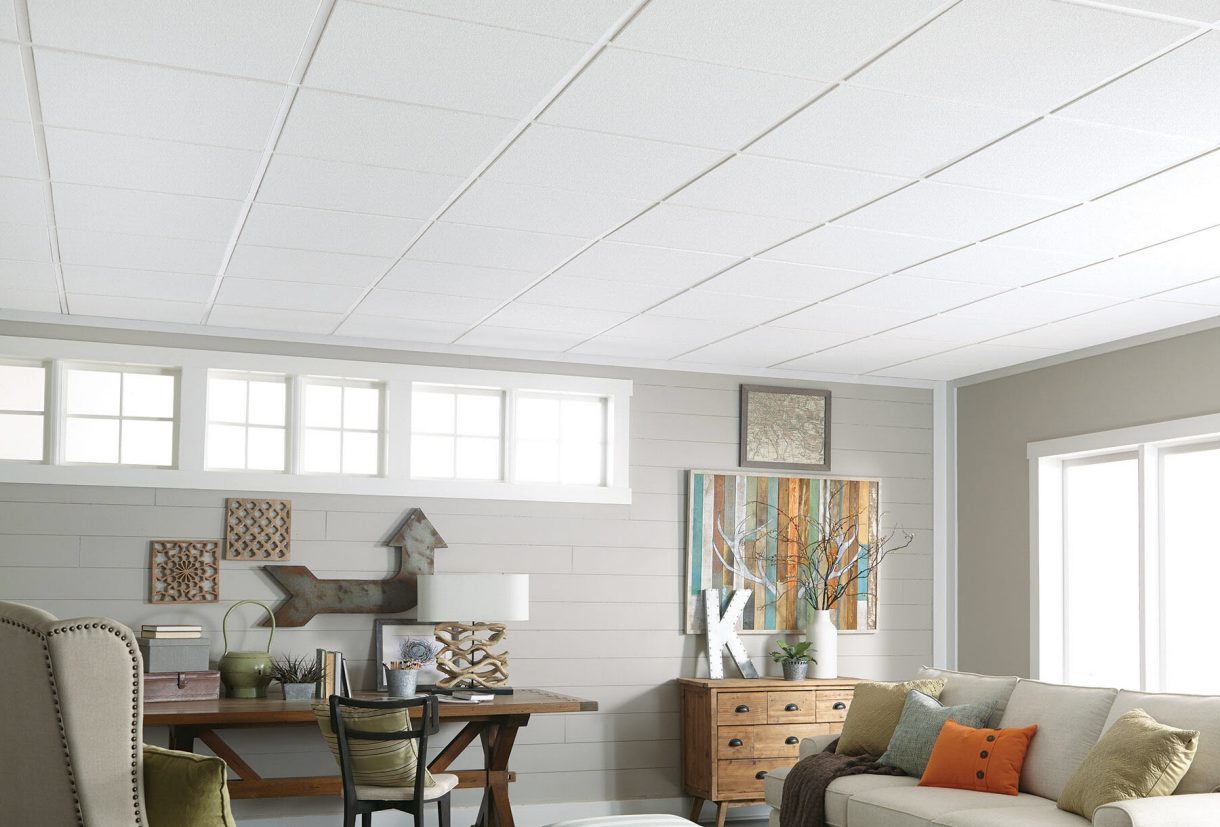
Ceiling Types & Installation Costs
Compare all basement ceiling options with pros and cons
Complete Ceiling Options Comparison
| Ceiling Type | Material Cost | Labor Cost | Total/Sq Ft | Height Loss | Access to Utilities |
|---|---|---|---|---|---|
| Drop/Suspended Ceiling | $0.75 – $2.50 | $1.25 – $2.50 | $2 – $5 | 3-4 inches | Excellent |
| Drywall (Direct Mount) | $0.50 – $1.50 | $2.50 – $4.50 | $3 – $6 | 1 inch | Poor (need access panels) |
| Exposed Painted | $0.25 – $0.75 | $0.75 – $2.25 | $1 – $3 | None | Excellent |
| Wood Planks | $3 – $8 | $2 – $4 | $5 – $12 | 2-3 inches | Poor |
| Acoustic Tiles (Glue-up) | $1 – $4 | $1 – $2 | $2 – $6 | 0.5 inch | Poor |
| Fabric Ceiling System | $1.50 – $3.50 | $2 – $3.50 | $3.50 – $7 | 2 inches | Good |
Drop Ceiling System Components
| Component | Cost per Sq Ft | Purpose | Options |
|---|---|---|---|
| Grid System | $0.50 – $1.50 | Support structure | 15/16″ or 9/16″ reveal |
| Ceiling Tiles | $0.50 – $4 | Visible surface | Basic, acoustic, decorative |
| Edge Molding | $0.15 – $0.50 | Perimeter support | L-shaped wall angle |
| Wire & Hardware | $0.10 – $0.25 | Suspension | 12-gauge wire standard |
| Light Panels | $25 – $100 each | Integrated lighting | LED panels recommended |
Height Considerations & Code Requirements
Critical measurements for basement ceiling planning
Minimum Heights by Room
Living spaces: 7 feet
Bathrooms: 6’8″
Under beams: 6’8″
Storage/utility: 6’4″
Hallways: 6’8″
Measure BEFORE flooring!
Working Around Obstacles
Ductwork: Box around or reroute
Beams: Can’t move – design around
Pipes: May be able to raise
Electrical: Usually flexible routing
Each obstacle adds $200-500
Lighting Integration
Recessed cans: Need 7″+ clearance
Low-profile LED: 3-4″ clearance
Drop-in panels: Replace tiles
Track lighting: Surface mount
Plan lighting with ceiling type
Creative Ceiling Solutions
Unique options for challenging basements
Painted Exposed Ceiling
Cost: $1-3/sq ft
• Paint everything flat black/white
• Industrial/loft aesthetic
• Maximum height retention
• Great for low basements
• Requires neat utility runs
Decorative Wood Beams
Cost: $8-15/sq ft
• Faux or real beams
• Covers some utilities
• Rustic/traditional look
• Works with any ceiling
• Adds architectural interest
Coffered Ceiling
Cost: $10-25/sq ft
• Grid of recessed panels
• Hides height variations
• Luxury appearance
• Needs 8’+ ceilings
• Limited utility access
Stretch Fabric System
Cost: $4-8/sq ft
• Tracks hold fabric panels
• Removable for access
• Acoustic benefits
• Modern appearance
• Hides imperfections
Hybrid Solutions
Mix and match:
• Drywall main areas
• Drop tiles over utilities
• Exposed in storage
• Saves money strategically
• Best of all worlds
Acoustic Solutions
Sound dampening:
• Acoustic tiles: +$1-3/sq ft
• Mass loaded vinyl: +$2-4/sq ft
• Insulation above: +$1-2/sq ft
• Resilient channels: +$1.50/sq ft
• Critical for rentals/theaters
Real Estate Investment Perspective
Ceiling choices that maximize property value and functionality
Primary Residence
Best choice: Drywall
• Looks most “finished”
• Adds home value
• Paint any color
• Sound insulation between floors
• ROI: 65-75%
Rental Property
Best choice: Drop ceiling
• Easy maintenance access
• Tenant can’t damage utilities
• Quick repairs
• Replace damaged tiles easily
• ROI: 80-100%
Legal Suite
Required: Fire-rated assembly
• 5/8″ Type X drywall
• Resilient channels
• Sound insulation critical
• Separate unit feel
• Adds $150-250/mo rent
Fix & Flip
Strategy: Match neighborhood
• Drywall in nice areas
• Drop ceiling acceptable mid-range
• Painted exposed for trendy areas
• Fresh and clean key
• ROI: 60-80%
Short-Term Rental
Instagram-worthy options:
• Exposed painted (industrial chic)
• Wood planks (cabin feel)
• Decorative tiles
• Unique = higher rates
• Character over practical
Value Engineering
Smart combinations:
• Drop ceiling utility areas only
• Drywall living spaces
• Leave storage unfinished
• Focus budget on main areas
• Save 30-40% total cost
Installation Considerations
Special factors for basement ceiling installation
Moisture Management
• Never install before waterproofing
• Use mold-resistant materials
• Maintain air circulation
• Vapor barriers above insulation
• Monitor humidity levels
Utility Access Planning
• Map all mechanicals first
• Install access panels for shutoffs
• Consider future modifications
• Label everything clearly
• Photo document before covering
Sound Control
• Insulation reduces noise 50%
• Resilient channels for drywall
• Acoustic tiles for drop ceilings
• Seal penetrations
• Critical for bedrooms above
Fire Safety
• Some areas require fire-rated
• Protect around furnace/heater
• Proper clearances critical
• Smoke detectors required
• Check local codes
Leveling Issues
• Basements rarely level
• Drop ceilings self-level
• Drywall shows imperfections
• Measure multiple points
• Plan for variations
Lighting Integration
• Plan before ceiling install
• Run wiring during framing
• Consider can light spacing
• LED panels for drop ceilings
• Dimmer compatibility
Cost-Saving Strategies
Smart ways to reduce ceiling installation costs
Strategic Selection
Savings: $1,000-3,000
Use drop ceiling only where needed. Drywall main living areas. Leave utility rooms exposed. Mix methods by room use.
Material Shopping
Savings: $500-1,500
Buy tiles in bulk online. Check building supply overstock. Standard 2×2 tiles cheapest. Avoid specialty sizes.
DIY Drop Ceiling
Savings: $1,000-2,500
Drop ceilings very DIY-friendly. Watch videos, rent laser level. Two-person job recommended. Drywall leave to pros.
Paint Instead
Savings: $2,000-4,000
Exposed painted ceiling trendy. Costs 70% less than finished. Spray everything one color. Great for low ceilings.
Simple Layouts
Savings: $500-1,000
Avoid complex patterns. Standard grid layouts fastest. Minimize cutting at edges. Square rooms cheaper than angles.
Right Timing
Savings: 15-20%
Install after HVAC/plumbing/electrical. Prevents re-work. Buy materials in advance. Winter = better prices.
Frequently Asked Questions
Expert answers about basement ceiling options
🏠 Ready to Choose Your Perfect Basement Ceiling?
Get expert guidance and connect with qualified ceiling contractors

Knowledge Quiz: Basement Ceiling Options Cost Guide
Open Quiz
5 quick questions - see how much you learned!
1) What is the average project cost for basement ceiling installation in a 1,000 sq ft basement?
Answer: C
The "Basement Ceiling Cost Overview" section clearly states "Average Project: $2,000 – $6,000" for a 1,000 sq ft basement ceiling installation.
2) How much height is lost when installing a drop ceiling in a basement?
Answer: B
The "Critical Warning" states: "Drop ceilings reduce height by 3-4 inches. If your basement is under 7'4″, consider exposed or drywall ceilings to maximize height." This is critical for meeting the 7-foot minimum code requirement.
3) What is the minimum ceiling height required by most building codes for basement living spaces?
Answer: A
The "Height Considerations & Code Requirements" section states "Living spaces: 7 feet" as the minimum requirement. Bathrooms can be 6'8″ and areas under beams can also be 6'8″, but standard living spaces need 7 feet minimum.
4) How much can DIY installation of a drop ceiling save in labor costs?
Answer: D
The FAQ section states: "Most DIYers complete 1,000 sq ft in a weekend, saving $1,000-2,500 in labor." The guide emphasizes that drop ceilings are "one of the most DIY-friendly ceiling options" requiring just a laser level, tin snips, and basic tools.
5) What percentage of sound can be reduced by adding R-19 insulation between floor joists?
Answer: C
The FAQ section on soundproofing states: "Add R-19 insulation between joists (reduces sound 50%)" as the first recommended method. For maximum soundproofing, combining multiple methods (insulation, 5/8″ drywall, resilient channels, acoustic tiles) adds $2-4/sq ft.
🏠 More Basement Renovation Guides
Explore our complete basement renovation library
View All Basement Guides (20) ▼
💧 Foundation & Structure
🎨 Finishes & Surfaces
⚡ Mechanical Systems
Last updated: Jan 2026
Sources: Ceiling & Interior Systems Construction Association, basement contractor surveys, Armstrong Ceiling Solutions, Builds and Buys research team