🎭 Window Treatments Cost Guide 2026
Complete pricing for bedroom privacy, light control, and style
💰 Window Treatment Cost Overview
Blinds
Curtains
Shades
Motorized
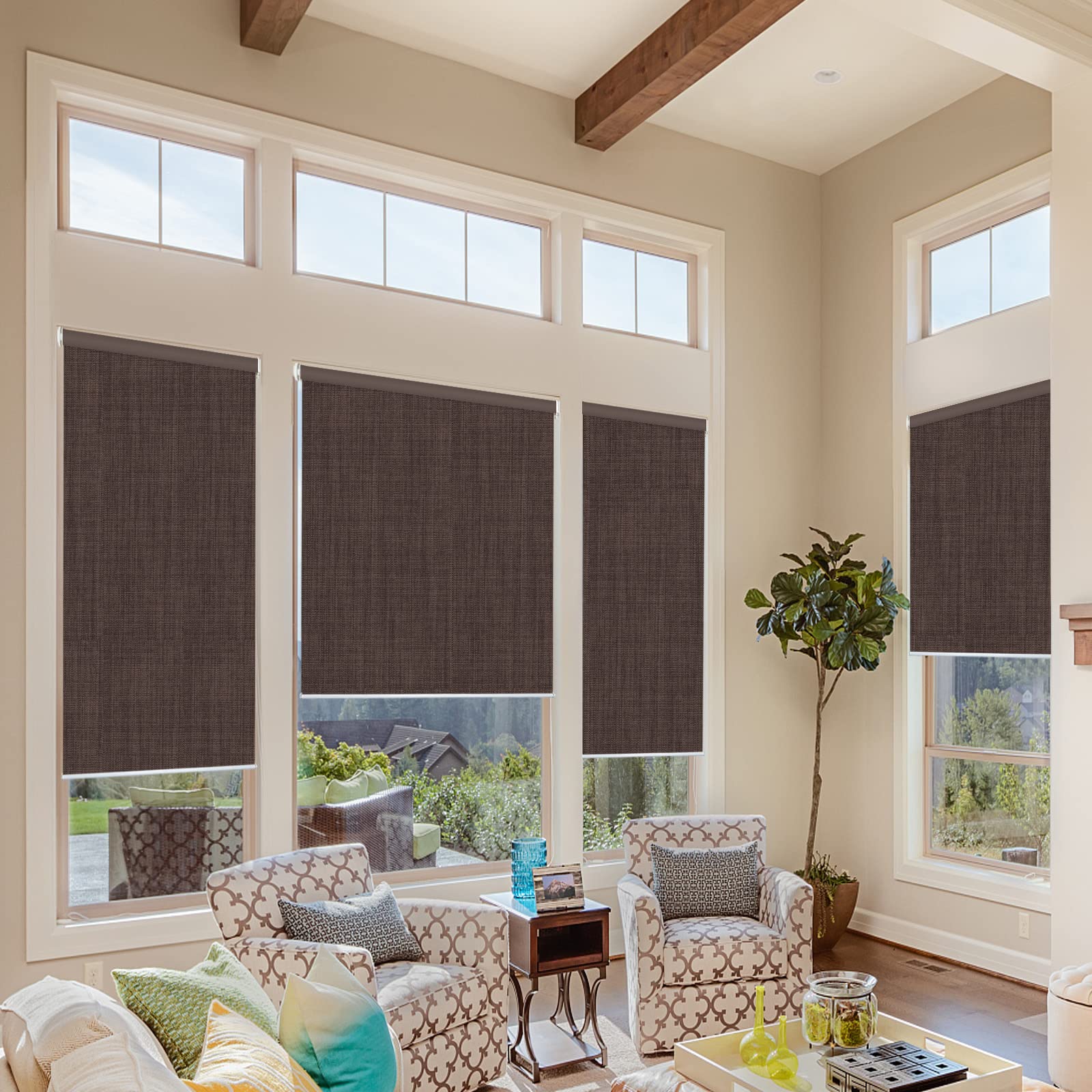
Professional Bedroom Window Treatments Example
Window Treatment Types & Costs
Every option for bedroom windows explained
Complete Window Treatment Options
| Treatment Type | Material Cost | Installation | Total Cost | Best For |
|---|---|---|---|---|
| Vinyl Blinds | $20 – $60 | $50 – $100 | $70 – $160 | Budget, rentals |
| Wood Blinds | $50 – $200 | $50 – $100 | $100 – $300 | Classic look |
| Faux Wood Blinds | $30 – $100 | $50 – $100 | $80 – $200 | Moisture areas |
| Cellular Shades | $50 – $300 | $75 – $150 | $125 – $450 | Energy efficiency |
| Roman Shades | $100 – $400 | $100 – $200 | $200 – $600 | Elegant bedrooms |
| Roller Shades | $30 – $150 | $50 – $100 | $80 – $250 | Modern, minimal |
| Curtain Panels | $50 – $300 | $100 – $200 | $150 – $500 | Soft, traditional |
| Motorized Blinds | $150 – $600 | $150 – $300 | $300 – $900 | Smart homes |
| Blackout Curtains | $75 – $250 | $100 – $200 | $175 – $450 | Light sleepers |
| Shutters | $200 – $500 | $200 – $400 | $400 – $900 | Permanent, luxury |
Critical Measurement Warning
Measure twice, order once! Window treatments are often non-returnable custom items. For inside mount, measure width at top, middle, and bottom – use the narrowest measurement. For outside mount, add 3-4 inches on each side. Height mistakes are the #1 reason for reorders. When in doubt, have a professional measure – the $50-100 fee saves costly mistakes.
Features & Functionality
Understanding bedroom-specific window treatment needs
Bedroom Window Treatment Features
| Feature | Cost Premium | Benefits | Worth It? |
|---|---|---|---|
| Blackout Lining | +$25 – $75 | 99% light blocking | Essential for bedrooms |
| Room Darkening | +$15 – $40 | 85-95% light block | Good compromise |
| Cordless Operation | +$30 – $80 | Child safety, clean look | Required by code |
| Top-Down/Bottom-Up | +$50 – $150 | Privacy + light | Great for bedrooms |
| Motorization | +$150 – $400 | Remote/app control | Luxury convenience |
| Thermal Backing | +$30 – $100 | Energy savings | Pays for itself |
| Noise Reduction | +$40 – $120 | Quieter sleep | Street-facing rooms |
| UV Protection | +$20 – $60 | Prevents fading | South/west windows |
Window Size Pricing Guide
| Window Size | Standard Blinds | Custom Shades | Curtains | Motorized |
|---|---|---|---|---|
| Small (24″x36″) | $50 – $120 | $100 – $250 | $80 – $200 | $250 – $400 |
| Standard (36″x60″) | $80 – $200 | $150 – $400 | $120 – $350 | $300 – $600 |
| Large (48″x72″) | $120 – $300 | $250 – $600 | $200 – $500 | $400 – $800 |
| Extra Large (72″x84″) | $200 – $500 | $400 – $900 | $300 – $750 | $600 – $1,200 |
| Sliding Door (72″x96″) | $300 – $700 | $500 – $1,200 | $400 – $1,000 | $800 – $1,500 |
Popular Bedroom Styles
Matching window treatments to your bedroom aesthetic
Style Guide & Recommendations
Traditional Bedroom
Best Options:
• Curtain panels with valance
• Wood blinds + sheers
• Roman shades
• Layered treatments
• Rich fabrics
• Classic hardware
Budget: $300-800/window
Modern Minimalist
Clean Lines:
• Roller shades
• Motorized blinds
• Simple panels
• Neutral colors
• Hidden hardware
• No frills
Budget: $200-500/window
Farmhouse Style
Cozy Choices:
• White wood blinds
• Linen curtains
• Woven shades
• Natural textures
• Rustic hardware
• Café curtains
Budget: $150-400/window
Coastal Bedroom
Breezy Options:
• Bamboo blinds
• Sheer curtains
• White shutters
• Light filtering
• Natural materials
• Rope details
Budget: $200-600/window
Hotel Luxury
Premium Feel:
• Blackout curtains
• Motorized shades
• Layered treatments
• Floor-to-ceiling
• Weighted hems
• Hidden tracks
Budget: $500-1,200/window
Kids’ Bedroom
Safety First:
• Cordless blinds
• Blackout shades
• Fun patterns
• Easy to clean
• Durable materials
• Room darkening
Budget: $100-300/window
Light Control Options
Achieving perfect bedroom lighting conditions
Light Filtering Levels Explained
| Light Level | Light Blocked | Privacy Level | Best Use | Cost Impact |
|---|---|---|---|---|
| Sheer | 5-20% | Minimal | Layering only | Base price |
| Light Filtering | 40-60% | Moderate day | Living areas | +$0-20 |
| Room Darkening | 85-95% | Full privacy | Most bedrooms | +$20-50 |
| Blackout | 99-100% | Complete | Master bedroom | +$30-75 |
| Solar Shades | 70-90% | Daytime only | UV protection | +$40-100 |
Real Estate Investment Returns
How window treatments impact property value
Primary Residence
ROI: 50-70%
Budget: $300-600/window
Best Choices:
• Quality matters here
• Motorized for master
• Energy efficient options
Rental Property
Strategy: Durability
Budget: $80-150/window
Smart Picks:
• Faux wood blinds
• Cordless for safety
• Skip curtains (maintenance)
Fix & Flip
Impact: High visual
Budget: $100-200/window
Quick Wins:
• White blinds throughout
• Consistent style
• Shows move-in ready
Installation & Hardware
Getting professional results
Installation Methods & Costs
Inside Mount
When Possible:
• 3″+ window depth
• Clean, built-in look
• Shows window trim
• Precise measurements critical
• Standard installation
• No extra hardware cost
Outside Mount
Benefits:
• Covers window frame
• Makes windows look larger
• Better light blocking
• Hides ugly frames
• More forgiving fit
• Needs wall anchors
DIY vs Professional
DIY Save: $50-200/window
Pro Benefits:
• Perfect measurements
• Warranty on install
• Level guarantee
• No tool purchase
• Multi-window discounts
Hardware Options
Curtain Rods: $20-200
• Standard: $20-50
• Decorative: $50-150
• Motorized track: $200-500
• Double rods: +$30-80
• Ceiling mount: +$20-40
Smart Integration
Automation Costs:
• Basic motor: $150-250
• Smart hub: $50-150
• Professional setup: $100-200
• Voice control ready
• Schedule programming
• Energy savings
Common Challenges
Extra Costs:
• Bay windows: +40-60%
• Arched tops: +$200-500
• Corner windows: Special rods
• Skylights: Limited options
• French doors: Specific mounts
• Old plaster walls: Anchors
Money-Saving Strategies
Designer looks without designer prices
Buy Direct Online
Skip retail markup of 40-100%. Online blind companies offer same quality for half the price. Free samples available. Just measure carefully!
Standard Sizes Save
Windows within 1/2″ of standard sizes can use off-shelf options. Common sizes (36″, 48″, 60″ wide) cost 50% less than custom.
Layer Creatively
Inexpensive blinds + decorative curtains looks high-end. $50 blinds for function, $100 curtains for style beats $400 custom shades.
IKEA Solutions
Quality basics at 60-70% less than custom. Their blackout cellular shades rival $400 options for under $100. Limited sizes but excellent value.
End of Season Sales
January and July clearances save 30-50%. Manufacturers introduce new styles twice yearly. Last year’s colors work perfectly.
Install Yourself
Basic blinds and curtains are DIY-friendly. Watch manufacturer videos. Save $50-150 per window. Only need drill and level.
Frequently Asked Questions
Common questions about bedroom window treatments
🎭 Ready to Upgrade Your Window Treatments?
Find professional installers and transform your bedroom windows

Knowledge Quiz: Window Treatments Cost Guide
Open Quiz
5 quick questions - see how much you learned!
1) What is the typical total cost range shown for motorized bedroom window treatments?
Answer: C
The “Complete Window Treatment Options” table lists Motorized Blinds with a total installed cost of $300–$900, and the overview notes motorized/smart options commonly fall in the $300–$1,000 range.
2) CRITICAL: For an inside-mount treatment, how should you choose the window width measurement?
Answer: B
The “Critical Measurement Warning” states for inside mount you must measure width at the top, middle, and bottom and use the narrowest measurement to avoid ordering treatments that won’t fit.
3) Which light-control level blocks 99–100% of light according to the guide?
Answer: D
The “Light Filtering Levels Explained” table shows Blackout treatments block 99–100% of light for complete bedroom darkness.
4) What is the listed cost premium for adding blackout lining?
Answer: A
In “Bedroom Window Treatment Features,” Blackout Lining is listed at +$25–$75, and marked as essential for bedrooms needing strong light control.
5) When installing outside-mount window treatments, how much width should you add on each side for better coverage?
Answer: C
The “Critical Measurement Warning” specifies that for outside mount you typically add 3–4 inches on each side to improve privacy and light blocking and to make windows look larger.
🏠 More Bedroom Renovation Guides
Explore our complete bedroom improvement library
View All Bedroom Guides (20) ▼
🛏️ Bedroom Basics
👔 Closets & Storage
Last updated: Jan 2026
Sources: Window Covering Manufacturers Association, Hunter Douglas Installation Guide, Home Depot Window Treatment Guide, Consumer Reports 2025, Builds and Buys Research Team