
🚪 Open Floor Plan Conversion Cost Guide 2026
Complete pricing for removing walls and creating modern open spaces
💰 Open Floor Plan Conversion Cost Overview
Non-Load Wall
Load-Bearing Wall
Full Conversion
Per Linear Foot
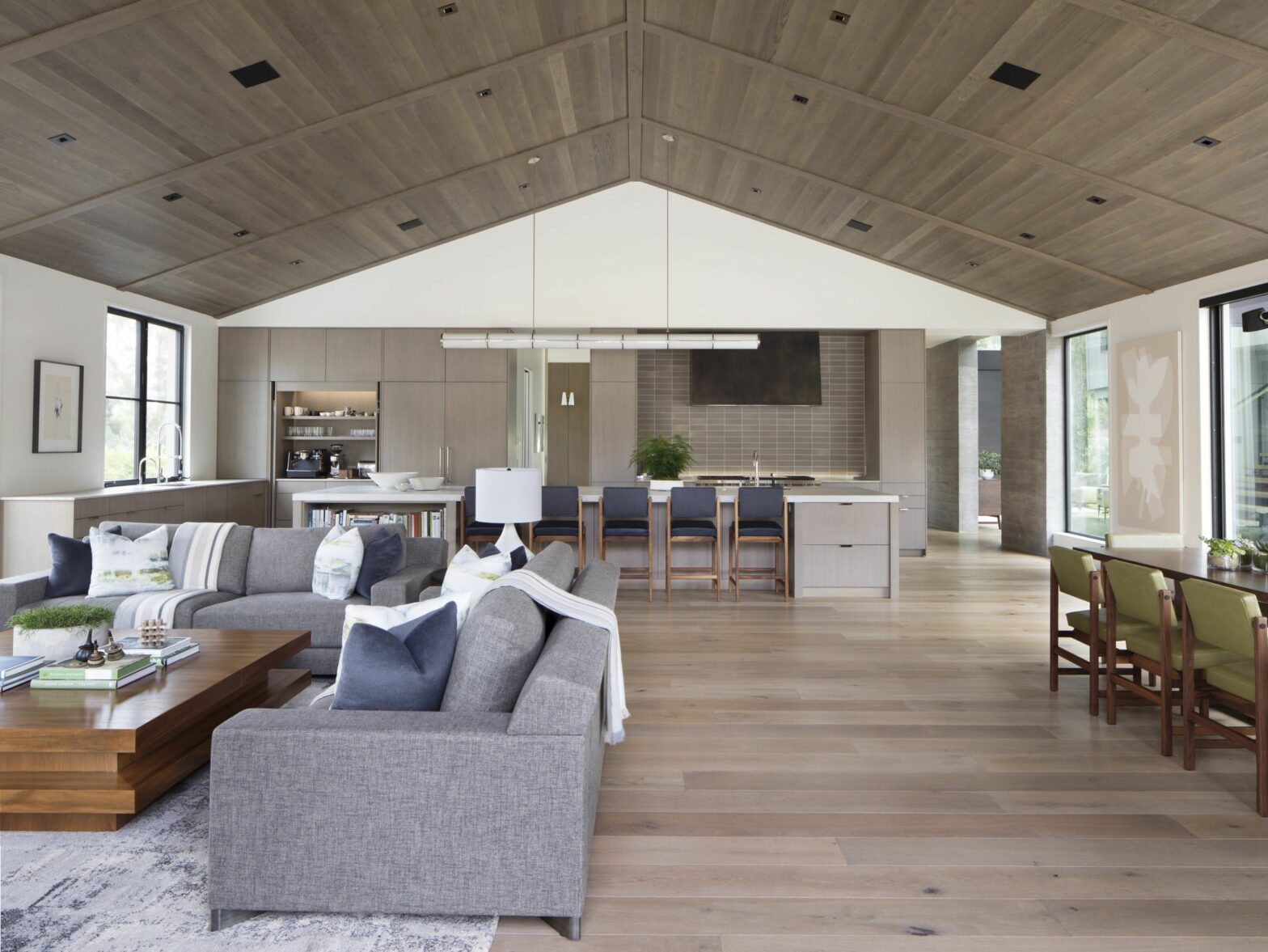
Professional Open Floor Plan Conversion Example
Open Floor Plan Costs by Project Scope
Transform compartmentalized homes into flowing modern spaces
Wall Removal Cost by Type and Complexity
| Wall Type | Average Length | Basic Cost | With Complications |
|---|---|---|---|
| Non-Load Bearing Wall | 10-15 feet | $300 – $500/ft | $500 – $800/ft |
| Load-Bearing Wall | 10-15 feet | $1,500 – $2,500/ft | $2,500 – $4,000/ft |
| Kitchen-Living Combo | 12-20 feet | $10,000 – $20,000 | $20,000 – $35,000 |
| Kitchen-Dining Open | 8-12 feet | $8,000 – $15,000 | $15,000 – $25,000 |
| Living-Dining Merge | 10-15 feet | $7,000 – $12,000 | $12,000 – $20,000 |
| Great Room Creation | Multiple walls | $20,000 – $40,000 | $40,000 – $70,000 |
Detailed Cost Breakdown by Component
Load-Bearing Wall Critical Factors
Never remove walls without structural engineer evaluation ($500-$1,500). Load-bearing walls require steel beam/LVL installation ($150-$300/ft). Beam size depends on span and load. Posts/columns needed at ends. Permits mandatory – fines for unpermitted work can reach $10,000+.
| Component | Cost Range | % of Budget | Details |
|---|---|---|---|
| Structural Engineer | $500 – $1,500 | 5-10% | Load analysis, beam sizing |
| Permits | $500 – $2,000 | 3-5% | Structural work permits |
| Wall Demolition | $1,000 – $3,000 | 10-15% | Careful removal, disposal |
| Beam Installation | $3,000 – $10,000 | 30-40% | Steel beam or LVL |
| Support Posts | $1,000 – $3,000 | 10-15% | Columns, footings if needed |
| Electrical Rerouting | $1,000 – $3,000 | 10-15% | Relocate outlets, switches |
| HVAC Modifications | $500 – $2,000 | 5-10% | Ductwork rerouting |
| Finishing Work | $2,000 – $5,000 | 15-20% | Patch, paint, flooring |
Beam Options and Specifications
Understanding support requirements for open spans
| Beam Type | Cost per Foot | Max Span | Best Use |
|---|---|---|---|
| Steel I-Beam | $150 – $300 | 20-30 feet | Heavy loads, long spans |
| LVL (Laminated) | $50 – $100 | 15-20 feet | Most residential uses |
| Glulam Beam | $75 – $150 | 15-25 feet | Exposed beam aesthetic |
| Steel Box Beam | $200 – $400 | 25-35 feet | Minimal depth needed |
| Flitch Plate | $100 – $200 | 12-18 feet | Tight spaces |
Common Open Floor Plan Configurations
Popular layouts and their unique requirements
Kitchen-Living Room
Most popular: #1 conversion
Typical span: 12-20 feet
Cost: $10,000-$25,000
Challenge: Usually load-bearing
Benefit: Entertainment flow
Kitchen-Dining Merge
Easier project: Often non-load
Typical span: 8-12 feet
Cost: $5,000-$15,000
Island option: Define spaces
Value add: Modern feel
Great Room Concept
Scope: 2-3 walls removed
Area: 400-600 sq ft
Cost: $25,000-$50,000
Impact: Total transformation
Timeline: 4-6 weeks
Living-Dining Combo
Common: 1960s-70s homes
Typical span: 10-15 feet
Cost: $7,000-$15,000
Flooring: Unify materials
Lighting: Zone control key
Entry-Living Open
Impact: Spacious entry
Typical wall: 6-10 feet
Cost: $3,000-$8,000
Often: Non-load bearing
Benefit: Wow factor
Half-Wall Solution
Compromise: Partial open
Height: 36-42 inches
Cost: $2,000-$5,000
Maintains: Some definition
Popular: Kitchen peninsulas
Real Estate Investment Analysis
Open floor plans drive modern home values
Flip Strategy
ROI: 75-85% typical
Value add: $30,000-$50,000
Market demand: Very high
Buyer preference: 80% want open
Listing Impact
Photos: 3x more views
Showing flow: Better impression
Perceived size: 20% larger feel
Sale speed: 25% faster
Target Market
Millennials: #1 priority
Young families: Watch kids
Empty nesters: Entertaining
Work from home: Flexible space
Money-Saving Strategies
Create open flow while managing conversion costs
Start Small
Remove one wall first, see impact. Kitchen-dining wall often easiest. Can always remove more later. Phasing spreads cost over time.
Keep Some Structure
Leave decorative columns instead of full span. Reduces beam size/cost by 30-40%. Maintains some visual definition. Can be wrapped attractively.
Wider Openings vs Full Removal
6-8 foot opening often sufficient. Maintains some wall for furniture placement. Costs 50% less than full removal. Still creates flow.
DIY Demo (Carefully)
Remove drywall yourself after engineer approval. Save $1,000-$2,000 on labor. Stop at studs – let pros handle structural. Proper disposal important.
Bundle with Renovation
During kitchen remodel ideal time. Contractors already on-site. Mess already happening. Can share permits/inspections.
Visual Tricks First
Try removing upper cabinets for openness. Paint adjoining rooms same color. Use consistent flooring. May achieve goal without structural work.
Frequently Asked Questions
Expert answers to common open floor plan questions
🚪 Ready to Open Up Your Living Space?
Get expert guidance and accurate cost estimates for your open floor plan conversion

Knowledge Quiz: Open Floor Plan Conversion Cost Guide
Open Quiz
5 quick questions - see how much you learned!
1) What is the typical cost range to remove a non-load-bearing wall for an open floor plan conversion?
Answer: B
The “Open Floor Plan Conversion Cost Overview” lists Non-Load Wall: $3,000 – $8,000 for simple removal. The wall removal table supports this with $300–$500/ft for a typical 10–15 ft wall.
2) What is the typical cost range to remove a load-bearing wall (including beam installation)?
Answer: D
The cost overview lists Load-Bearing Wall: $10,000 – $20,000 including beam installation. The table also shows load-bearing wall costs of $1,500–$2,500/ft for a typical 10–15 ft span.
3) CRITICAL: What must be done before removing any load-bearing wall?
Answer: A
The “Load-Bearing Wall Critical Factors” warning states: “Never remove walls without structural engineer evaluation ($500–$1,500)”. The engineer determines whether the wall is load-bearing and specifies the correct beam size to prevent structural failure.
4) According to the guide, what is the typical installed cost range for a steel I-beam?
Answer: C
In “Beam Options and Specifications,” Steel I-Beam is listed at $150 – $300 per foot and is best for heavy loads and long spans (roughly 20–30 feet).
5) CRITICAL: What can unpermitted structural work fines reach, according to the guide?
Answer: D
The “Load-Bearing Wall Critical Factors” warning states: “Permits mandatory – fines for unpermitted work can reach $10,000+.” Structural work also creates liability issues when selling or insuring the home.
6) What is the typical cost premium open floor plans command over traditional layouts, according to the investment analysis?
Answer: B
The “Market Insight” section says open floor plans command a 7–10% premium over traditional layouts, especially in homes built 1950–1990 competing with newer construction.
7) How long does the guide say a simple non-load-bearing wall removal typically takes?
Answer: C
In the FAQ “How long does an open floor plan conversion take?” the guide states: Simple non-load-bearing wall: 3–5 days. Load-bearing wall with beam is typically 2–3 weeks, and multiple walls can take 4–6 weeks.
🏡 More Whole House Remodel Guides
Explore our complete home renovation resource library
View All Renovation Types (15) ▼
🏠 Full Interior Renovations
🏛️ Specialty & Historic Renovations
🌟 Modern Upgrades & Conversions
Last updated: Jan 2026
Sources: National Association of Home Builders, Structural Engineering Institute, American Institute of Architects, Builds and Buys research team



