
🏛️ Historic Home Renovation Cost Guide 2026
Complete pricing for restoring and modernizing historic properties
💰 Historic Home Renovation Cost Overview
Basic Update
Full Restoration
With Tax Credits
Typical Total
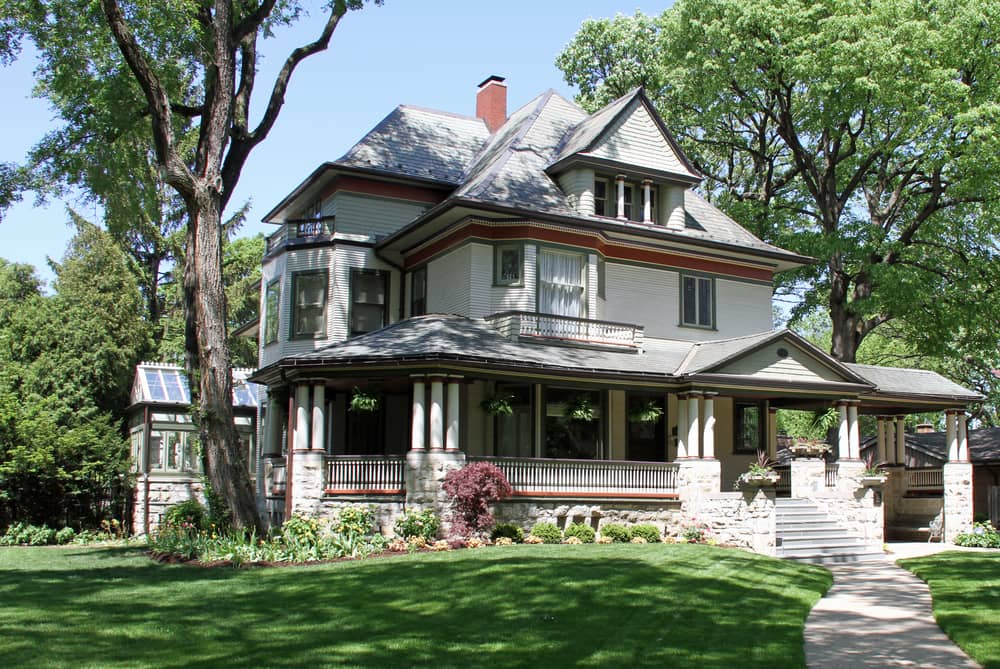
Professional Historic Home Renovation Example
Historic Renovation Costs by Era and Style
Specialized pricing for preserving architectural heritage
Renovation Costs by Historic Period
| Home Era/Style | Common Issues | Basic Renovation | Full Restoration |
|---|---|---|---|
| Victorian (1837-1901) | Lead paint, knob & tube, ornate details | $200 – $300/sq ft | $300 – $500/sq ft |
| Colonial Revival (1880-1955) | Foundation, outdated systems | $150 – $250/sq ft | $250 – $400/sq ft |
| Craftsman (1905-1930) | Wood rot, original windows | $125 – $225/sq ft | $225 – $350/sq ft |
| Tudor Revival (1910-1940) | Stucco repair, roof complexity | $175 – $275/sq ft | $275 – $425/sq ft |
| Art Deco (1920-1940) | Custom materials, steel windows | $150 – $250/sq ft | $250 – $400/sq ft |
| Pre-Civil War (Pre-1860) | Everything original, fragile | $250 – $350/sq ft | $350 – $600/sq ft |
Historic-Specific Work Cost Breakdown
Historic District Requirements
Properties in historic districts must follow strict guidelines: exterior changes need approval (2-6 months), specific materials required (20-50% cost premium), certified contractors often mandatory. Tax credits available but require detailed documentation. Lead/asbestos abatement almost always necessary in pre-1978 homes.
| Component | Standard Cost | Historic Premium | Special Considerations |
|---|---|---|---|
| Window Restoration | $500 – $800/window | $1,000 – $2,500/window | Must match original profiles |
| Exterior Restoration | $50,000 – $100,000 | $100,000 – $250,000 | Period materials required |
| Plaster Repair | $8 – $12/sq ft | $15 – $25/sq ft | Three-coat process |
| Wood Floor Restoration | $5 – $8/sq ft | $10 – $20/sq ft | Match species/pattern |
| Millwork Replication | $50 – $100/ft | $100 – $300/ft | Custom milling required |
| Foundation Work | $20,000 – $40,000 | $40,000 – $80,000 | Stone/brick preservation |
| Lead/Asbestos | N/A | $10,000 – $30,000 | EPA RRP certification required |
| Systems Update | $30,000 – $50,000 | $50,000 – $100,000 | Hidden routing challenges |
Historic Tax Credits and Incentives
Financial benefits for preserving historic properties
| Incentive Type | Benefit Amount | Requirements | Application Process |
|---|---|---|---|
| Federal Tax Credit | 20% of renovation cost | National Register property | Before/after documentation |
| State Tax Credits | 10-35% additional | Varies by state | State historic office |
| Property Tax Freeze | 5-10 year freeze | Local landmark status | Municipal application |
| Facade Easement | 10-15% property value | Perpetual preservation | Qualified organization |
| Grant Programs | $5,000 – $50,000 | Specific projects | Competitive application |
Common Historic Home Challenges
Unique issues requiring specialized solutions
Original Windows
Issue: Single-pane, lead paint
Solution: Restoration + storms
Cost: $1,000-$2,000 each
Alternative: Interior storms
Benefit: Maintains character
Knob & Tube Wiring
Issue: Fire hazard, ungrounded
Solution: Complete rewire
Cost: $15,000-$30,000
Challenge: Plaster walls
Timeline: 2-3 weeks
Lead Paint
Issue: Health hazard
Solution: EPA RRP protocol
Cost: $8-$15/sq ft
Options: Encapsulation vs removal
Required: Certified contractor
Foundation Issues
Issue: Stone/brick deterioration
Solution: Repointing, stabilization
Cost: $30,000-$75,000
Critical: Proper mortar match
Timeline: 4-8 weeks
Outdated Plumbing
Issue: Galvanized/lead pipes
Solution: Full replacement
Cost: $15,000-$30,000
Complexity: Minimal wall damage
Upgrade: PEX recommended
Ornate Details
Issue: Damaged millwork
Solution: Custom replication
Cost: $100-$300/linear ft
Specialists: Master craftsmen
Lead time: 8-12 weeks
Real Estate Investment Analysis
Historic properties offer unique investment opportunities
Historic District Premium
Value increase: 15-25% above market
Appreciation: 2x neighborhood rate
Buyer pool: Affluent, educated
Key: Authenticity matters
Tax Credit Strategy
Net cost: 50-60% after credits
Example: $400K reno = $240K net
Requirements: Follow standards
Timeline: Credits in year 2
Boutique Rental
Premium: 50-100% nightly rate
Market: Historic tourism
Features: Period details sell
Revenue: $300-500/night
Money-Saving Strategies
Preserve character while managing historic renovation costs
Phase for Tax Credits
Structure project to maximize credits. Complete shell/systems first year, interiors second. Spreads cost, optimizes credit timing. Document everything meticulously.
Restore vs Replace
Window restoration ($1,000) often cheaper than historic-approved replacement ($3,000). Original materials have better quality than reproductions. Maintains tax credit eligibility.
Salvage Materials
Source period materials from architectural salvage. Saves 50-70% versus custom fabrication. Check other demolitions in area. Create salvage pile during demo.
Strategic Compromise
Focus authenticity on public spaces. Use period-appropriate but not original in private areas. Maintain street facade perfectly. Modern kitchen/baths acceptable inside.
Find Specialist Subs
Historic specialists often cost same as regular contractors who struggle with old homes. Experience prevents costly mistakes. Check preservation organization lists.
Document for Credits
Professional photos before/during/after essential. Keep every receipt and specification. Hire preservation consultant early. Poor documentation loses credits.
Frequently Asked Questions
Expert answers to common historic renovation questions
🏛️ Ready to Restore Your Historic Home?
Get expert guidance and accurate cost estimates for your historic renovation

Knowledge Quiz: Historic Home Renovation Cost Guide
Open Quiz
5 quick questions - see how much you learned!
1) What is the typical per-square-foot cost range for a basic historic home update that preserves character?
Answer: C
The “Historic Home Renovation Cost Overview” lists Basic Update: $150 – $250 per sq ft to preserve character while modernizing essential components.
2) What is the typical total cost range shown for renovating a 2,000 sq ft historic home?
Answer: B
The overview shows: Typical Total: $200,000 – $600,000 for a 2,000 sq ft home, reflecting both specialized labor and historic material requirements.
3) CRITICAL: What approval timeline does the guide list for exterior changes in historic districts?
Answer: D
The “Historic District Requirements” warning states that exterior changes need approval and that the review process can take 2–6 months, which affects planning, scheduling, and carrying costs.
4) Which historic component has a listed premium cost of $1,000 – $2,500 per window?
Answer: A
In the “Historic-Specific Work Cost Breakdown,” Window Restoration shows a standard cost of $500–$800/window and a historic premium of $1,000–$2,500/window because windows must match original profiles.
5) What cost range does the guide list for lead/asbestos abatement in historic renovations?
Answer: C
The component table lists Lead/Asbestos: $10,000 – $30,000 and notes that EPA RRP certification is required. The warning also states abatement is “almost always necessary” in pre-1978 homes.
6) CRITICAL: Which standards must be followed to qualify for historic tax credits?
Answer: B
The “Credit Strategy” section states that to qualify for credits you must follow the Secretary of the Interior Standards and document the project carefully. It also recommends hiring a preservation consultant ($5,000–$10,000) to stay compliant.
7) How much can federal and state historic tax credits combine to reduce renovation costs, according to the guide?
Answer: D
The “Credit Strategy” states that federal and state credits can combine for 30–55% cost reduction, assuming the project meets standards and documentation requirements. Credits are typically received the year after completion.
🏡 More Whole House Remodel Guides
Explore our complete home renovation resource library
View All Renovation Types (15) ▼
🏠 Full Interior Renovations
🏛️ Specialty & Historic Renovations
🌟 Modern Upgrades & Conversions
Last updated: Jan 2026
Sources: National Trust for Historic Preservation, National Park Service, State Historic Preservation Offices, Builds and Buys research team



