
Northeast Los Angeles Real Estate Investment Guide For 2026
A comprehensive resource for investors targeting Los Angeles’s most dynamic gentrification corridor — where Highland Park, Eagle Rock, Atwater Village, Glassell Park, and the surrounding NELA neighborhoods combine craftsman bungalow character, Metro A Line transit access, proximity to downtown LA, and a stratified gentrification timeline that creates both mature appreciation plays and compelling early-stage opportunities for investors who understand the neighborhood sequence in 2026
Quick answers: Top 5 most searched Northeast LA investment questions ▼
Tenant demand: Who’s renting in Northeast LA ▼
1. Northeast Los Angeles Market Overview
Market Fundamentals
Northeast Los Angeles — the cluster of hillside neighborhoods stretching from Atwater Village and Frogtown in the west to Eagle Rock and El Sereno in the east — is Los Angeles’s most documented and studied gentrification corridor. What happened in Highland Park between 2010 and 2020 is one of the most dramatic urban neighborhood transformations in modern American real estate: a historically Latino working-class community with median home prices of $350,000–$500,000 transformed into a nationally recognized arts and creative class destination with medians now approaching $900,000.
For investors in 2026, NELA is a stratified market. The mature segments (Eagle Rock, Atwater Village, Highland Park core) offer Silver Lake-caliber appreciation at slightly lower prices. The mid-cycle segments (Glassell Park, Cypress Park, Frogtown) are where Highland Park was in 2014–2016. The early-stage segments (El Sereno, Lincoln Heights, Hermon) are where Echo Park was in 2010–2012. Understanding where each neighborhood sits on this timeline is the entire investment thesis.
- Key Neighborhoods: Highland Park, Eagle Rock, Atwater Village, Frogtown/Elysian Valley, Glassell Park, Cypress Park, Hermon, Montecito Heights, El Sereno, Lincoln Heights, Mt. Washington
- Metro Access: A Line (Gold Line) — multiple stations throughout NELA connecting to downtown LA and Pasadena
- Occidental College: Eagle Rock — 2,000+ students and faculty creating academic housing demand
- Los Angeles River Corridor: Frogtown and Atwater Village — LA River revitalization adding green infrastructure and desirability
- Proximity: Downtown LA 3–8 miles; Pasadena 5–10 miles; Silver Lake/Echo Park 2–4 miles
- Housing Stock: Craftsman bungalows (1910–1940), Spanish colonial revival, California cottage — distinctive period architecture driving premium rents
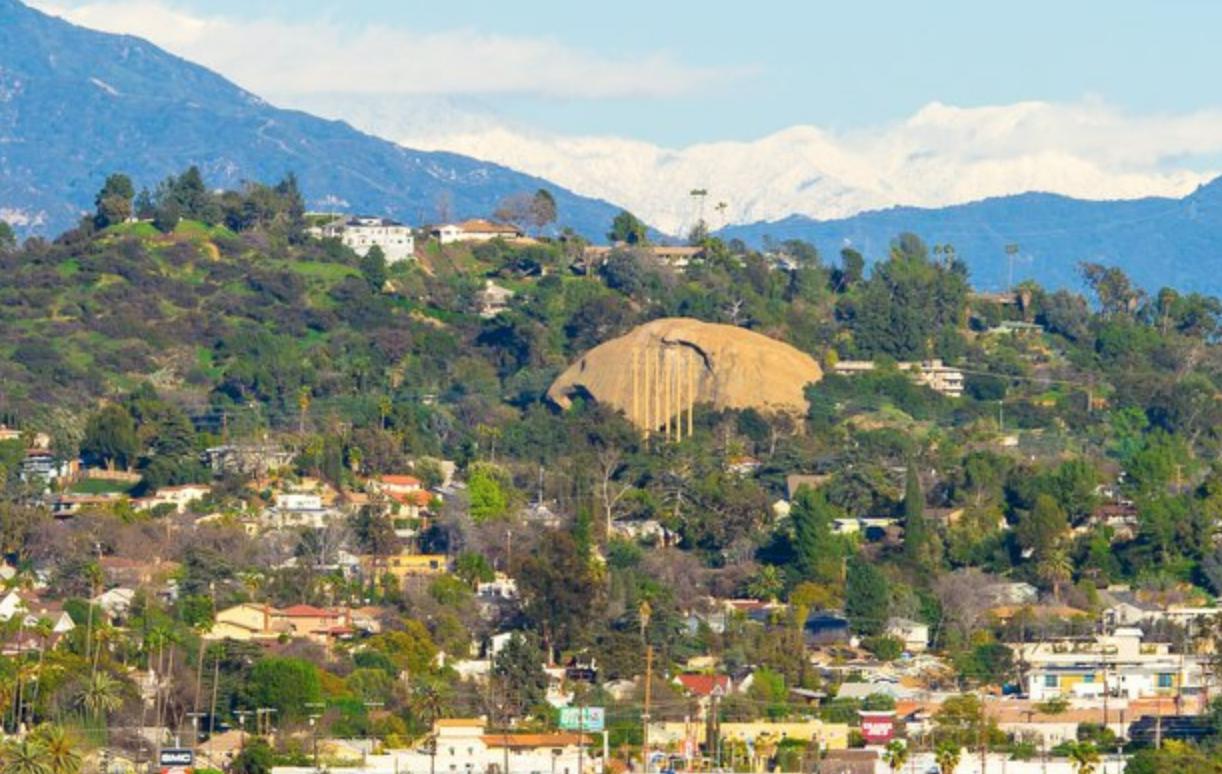
Northeast LA — LA’s most dynamic gentrification corridor, from the Los Angeles River to the Eagle Rock hills
2026 Market Dynamics
- Frogtown / LA River corridor revitalization adding green amenities
- El Sereno and Glassell Park mid-cycle appreciation accelerating
- Atwater Village reaching Silver Lake pricing parity
- ADU development very active throughout NELA
- Occidental College enrollment stable — Eagle Rock faculty demand steady
- Lincoln Heights healthcare corridor growing with county hospital investment
The NELA Gentrification Cycle — Understanding the Timeline
Northeast LA’s neighborhoods have gentrified in a sequential wave pattern starting from the west (Atwater Village, closest to Silver Lake) and moving east and uphill (Highland Park, Eagle Rock, and now into El Sereno and Glassell Park). Understanding this wave is the fundamental investment insight:
- Mature / Fully Gentrified (2026): Atwater Village ($1.1M–$1.5M), Eagle Rock ($850K–$1.2M), Highland Park core ($800K–$1.1M), Mt. Washington ($900K–$1.3M) — stable appreciation, no more compression premium, essentially tracking Silver Lake/Echo Park pricing
- Mid-Cycle (2026): Glassell Park ($720K–$970K), Cypress Park ($680K–$900K), Frogtown/Elysian Valley ($900K–$1.4M) — active appreciation with some remaining compression gap to fully gentrified neighbors; 4–6 more years of above-average appreciation likely
- Early Stage (2026): El Sereno ($620K–$850K), Lincoln Heights ($680K–$900K), Hermon ($700K–$920K) — where Highland Park was in 2012–2015; strongest remaining compression opportunity; higher execution risk than mature neighborhoods
Historical Performance
| Period | Driver | Appreciation | Key Event |
|---|---|---|---|
| 2010–2014 | Silver Lake / Echo Park overflow, first creative class migration to NELA | 8–14% | Artists, musicians, and designers priced out of Silver Lake discover Highland Park; York Blvd restaurants open |
| 2015–2019 | Metro A Line, tech worker migration, media coverage, restaurant corridor maturation | 12–20% | Highland Park declared “hottest neighborhood in America” by multiple publications; home prices double from 2010 lows |
| 2020–2022 | Pandemic space premium, remote work, LA exodus from denser neighborhoods | 18–28% | Highland Park median surpasses $900K; Eagle Rock and Atwater Village follow; Glassell Park and El Sereno begin accelerating |
| 2023–2024 | Rate normalization, stabilization | 1–5% | Prices hold; El Sereno and Glassell Park continue mid-cycle appreciation while mature NELA stabilizes |
| 2025–2026 | Rate stabilization, ongoing gentrification wave eastward | 5–9% (projected) | El Sereno mid-cycle; Frogtown LA River premium maturing; ADU construction adding rental supply |
What Drives Northeast LA Demand
- Creative Class Culture: NELA has the highest concentration of working artists, musicians, filmmakers, and designers of any LA neighborhood cluster outside of Silver Lake. This demographic creates the restaurant scenes, galleries, music venues, and community character that makes NELA desirable to a much broader population — including tech workers who want creative community proximity without creative-class salaries
- Metro A Line Connectivity: Multiple stations through NELA connecting directly to downtown LA (15–20 minutes) and Pasadena (10–15 minutes) create genuine transit premium for commuters. Highland Park station and Chinatown station are the most valuable proximity anchors in the market
- Proximity to Downtown LA: NELA sits 3–8 miles from downtown LA — closer than Silver Lake or Echo Park to the Dodger Stadium / downtown core. Downtown LA’s ongoing commercial and residential growth drives eastward price pressure into NELA
- Occidental College: Eagle Rock’s liberal arts college creates faculty housing demand and a campus cultural anchor that supports Eagle Rock’s premium pricing within the NELA corridor
- Los Angeles River Revitalization: The LA River corridor through Frogtown and Atwater Village has received significant public investment in trails, parks, and green infrastructure. The “Frogtown” artistic community identity along the river corridor has made this LA’s most talked-about emerging neighborhood
- Supply Constraint: NELA’s hillside topography and built-out urban grid severely limit new construction. New units are almost exclusively ADU additions to existing properties. The supply constraint permanently supports values once the gentrification wave arrives
📚 New to real estate investing? Master the fundamentals with our professional course Learn more →
2. Neighborhood Hotspots
Northeast LA Investment Map
Core Investment Neighborhoods
NELA Neighborhood Cycle Position (2026)
| Neighborhood | Cycle Stage | Price Range | Cap Rate | Best Strategy |
|---|---|---|---|---|
| Atwater Village | Mature / Premium | $950K–$1.5M | 3.5–4.5% | Long-hold, LA River premium |
| Eagle Rock | Mature | $850K–$1.2M | 3.8–4.8% | Long-hold, Occidental College anchor |
| Highland Park | Mature | $800K–$1.1M | 3.8–5.0% | Long-hold, ADU, craftsman restoration |
| Mt. Washington | Mature | $900K–$1.3M | 3.5–4.5% | Long-hold, hillside premium |
| Glassell Park | Mid-Cycle ← Best Value | $720K–$970K | 4.0–5.5% | Compression appreciation, ADU |
| Cypress Park | Mid-Cycle | $650K–$890K | 4.5–5.8% | Metro A Line premium, earlier stage |
| El Sereno | Early Stage ← Highest Upside | $620K–$850K | 4.5–6.0% | Early-stage compression, long hold |
| Lincoln Heights | Early Stage | $600K–$850K | 4.8–6.2% | Healthcare workforce, most affordable |
Expert Insight: “The NELA cycle has been one of the most consistent patterns in LA real estate for 15 years. Neighborhoods that look ‘too expensive now’ from the outside are almost always followed by ones that look ‘still affordable’ — and those affordable ones systematically converge over 5–10 years. I bought in Highland Park in 2013 when people were telling me I was overpaying at $450,000. I bought in Glassell Park in 2019 when people said I missed it. I’m looking at El Sereno right now for the same reason. The cycle doesn’t stop — it just moves east.” — Marco Sandoval, Investor and NELA Real Estate Specialist, 15 years in the market
3. Property Types
Our Complete Renovation & Remodeling Cost Guide covers 400+ pages of real contractor pricing ranges — including historical restoration, structural work, and ADU-specific cost guides.
4. Cost Analysis
Sample Cash Flow Analysis: Glassell Park 3BR Craftsman SFH
| Item | Monthly | Annual | Notes |
|---|---|---|---|
| Gross Rent | $3,600 | $43,200 | 3BR craftsman Glassell Park, creative professional tenant, restored home |
| Less Vacancy (5%) | -$180 | -$2,160 | NELA vacancy is tight; creative tenants often stay 2–4+ years in desirable homes |
| Property Taxes | -$731 | -$8,770 | ~1.05% of $835K purchase; includes LA special assessments |
| Insurance | -$225 | -$2,700 | LA insurance market tightened; get quotes before close; FAIR Plan may be needed in some areas |
| Property Management (9%) | -$324 | -$3,888 | NELA-experienced PM recommended; RSO compliance knowledge essential |
| Maintenance + CapEx (8%) | -$288 | -$3,456 | Pre-1940 craftsman homes need higher maintenance budget; older systems, original plumbing |
| Net Operating Income | $1,852 | $22,226 | Before mortgage; solid NOI for NELA |
| Mortgage ($835K, 25% down, 6.75%, 30yr) | -$4,059 | -$48,708 | $626,250 loan; Glassell Park may be at the conforming limit — verify before assuming jumbo needed |
| NET CASH FLOW | -$2,207 | -$26,484 | Meaningful negative carry — typical for this market; requires capital reserves |
| Same Property + ADU ($1,500/mo) | -$707 | -$8,484 | ADU reduces negative carry from -$2,207 to -$707/month — much more sustainable |
| Total Return (8% appreciation) | ~21% | Mid-cycle compression appreciation + equity buildup on 25% down |
The Glassell Park ADU analysis shows the same pattern as Culver City: ADU income converts a challenging -$2,207/month into a manageable -$707/month. Given that Glassell Park is in mid-cycle appreciation (8%+ projected annually), the total return picture on a Glassell Park SFH+ADU — appreciation plus equity buildup plus reduced carry — is among the strongest available in LA’s mid-range market. El Sereno at $700,000 with 7–11% projected appreciation produces similarly compelling total returns at even lower entry capital.
Pre-1940 Home Capital Budget Warning: NELA’s craftsman and Spanish revival housing stock largely predates 1940. Pre-1940 homes commonly require: seismic bolting ($3,000–$8,000), knob-and-tube wiring replacement ($8,000–$25,000), galvanized or lead pipe replacement ($5,000–$25,000), sewer lateral replacement (required by LAMC 64.30: $4,000–$12,000), and roof replacement on original clay or wood shingles ($12,000–$28,000). Budget $40,000–$100,000 for initial capital improvements on any unrenovated pre-1940 NELA property. Investors who skip this budgeting get surprised.
5. Legal Framework
⚠️ LA RSO Pervasive Coverage in NELA
All Northeast LA neighborhoods are within the City of Los Angeles and subject to the LA RSO for units built on or before October 1, 1978. Because NELA’s housing stock is predominantly pre-1940 craftsman, Spanish revival, and older multifamily, the LA RSO covers the vast majority of rental units in the market. Assuming a property is exempt requires positive verification — not assumption. The LA Housing Department ZIMAS portal allows property-by-property RSO status lookup. Always verify before purchase.
Los Angeles RSO in NELA
- Coverage: Units in buildings with 2+ units built October 1, 1978 or before. Covers most NELA multifamily and many duplex properties. Single-family homes in LA City are generally not subject to RSO (covered by AB 1482 instead).
- Annual Rent Increase (RSO): 3–8% annually, tied to LA CPI. The LA Housing Department publishes the current allowable increase. As of recent years, 4% has been the common ceiling. Verify current year’s rate before issuing any increase notice.
- Just Cause Eviction: Required for covered units after initial lease period. Fault-based (non-payment, material violations, criminal activity) and no-fault (owner move-in, substantial rehabilitation, demolition) causes. No-fault evictions require relocation assistance.
- Relocation Assistance: For no-fault evictions, LA requires relocation payments varying by tenant income (low income vs. moderate/high) and household size. As of 2024, payments range from 1–3 months’ rent depending on circumstances. Budget for this before any owner move-in strategy.
- LAMC Section 64.30 Sewer Lateral: When a NELA property sells, the seller must provide a sewer lateral inspection report and certificate. Pre-1940 homes commonly have failing clay sewer laterals requiring replacement ($4,000–$12,000). Verify sewer lateral status during due diligence — failing laterals are a common negotiating point and capital risk in NELA acquisitions.
AB 1482 and NELA SFH
- Single-Family Homes: Individual-owned SFH are generally not subject to the LA RSO. They fall under AB 1482, which requires the landlord to serve the proper written exemption notice at each lease signing. Without this notice, SFH may inadvertently receive AB 1482 protection rather than the full exemption.
- AB 1482 Application: For SFH exempt from RSO, AB 1482 allows SFH exemption with proper notice. The notice must be served at every lease inception — not once at purchase. Establish a lease management system ensuring this is done consistently.
- New ADU Exemption: Newly constructed ADUs are exempt from the LA RSO regardless of when the main house was built. This is the ADU strategy’s key legal advantage — new ADU rents start at market rate and increase under AB 1482 rather than RSO caps.
- Tenant Habitability Plans (THPs): Major rehabilitation of RSO-covered units triggers THP requirements — the landlord must file a plan with the LA Housing Department and comply with tenant accommodation requirements. Significant renovations to covered buildings require this process.
- AB 12 Security Deposits: Maximum one month’s rent since 2024. Rigorous screening is essential.
Key Resources
- LA Housing Dept RSO Lookup: housing.lacity.gov
- ZIMAS Property Info: zimas.lacity.org
- Sewer Lateral LAMC 64.30: lacity.gov/publicworks
6. Step-by-Step NELA Investment Playbook
Choose Your NELA Cycle Position
Mature NELA (Highland Park / Eagle Rock)
Buy in established neighborhoods. Accept moderate negative carry. Target creative class and tech worker tenants at $3,400–$5,500/month. Hold 10–20 years. Low execution risk; Silver Lake-caliber appreciation.
Mid-Cycle (Glassell Park / Cypress Park)
Buy in mid-cycle neighborhoods at Highland Park 2014 pricing. Accept moderate negative carry. Capture both steady appreciation and remaining compression gap. Best risk-adjusted entry in NELA 2026.
Early Stage (El Sereno / Lincoln Heights)
Buy where Highland Park was in 2012–2015. Higher execution risk; highest appreciation upside. Best suited for investors with long time horizon (10–15 years) who have studied the NELA cycle and are comfortable with early-stage market dynamics.
Craftsman Restoration + ADU
Buy distressed craftsman with ADU potential. Restore to period standard. Add detached ADU. Combined rent of main house + ADU approaches breakeven or positive carry while appreciation compounds. Requires most active involvement but delivers best total economics in the NELA market.
Craftsman Premium — What It Is and How to Capture It
The craftsman premium is the most unique investment factor in NELA. Creative class and tech worker tenants pay measurably more for period-appropriate character than for comparable-size modern or updated-but-generic homes. Here is what creates and captures the premium:
- What matters most to this tenant: Original hardwood floors (not LVP or laminate), craftsman exterior details (original or period-appropriate siding, porch columns, brackets), period-appropriate interior trim and built-ins, and natural light through original wood-framed windows. These elements are not expensive to maintain but are critical to position.
- What destroys the craftsman premium: Replacing original hardwood with tile or LVP; stuccoing over original wood siding; installing plastic or aluminum windows replacing wood frames; removing original built-ins or interior trim for an “open plan”; adding incompatible modern finishes that clash with the original character. These mistakes permanently damage the property’s premium positioning.
- Restoration ROI: Refinishing original hardwood floors ($3–$8/sq ft) generates $400–$800/month rent premium — one of the strongest ROI renovation activities available. Repainting exterior in period-appropriate colors ($3,000–$8,000 job) generates $200–$500/month premium. These are high-ROI, low-cost upgrades specifically for the craftsman market.
- Listing strategy: Photos must capture the craftsman character. Hire a real estate photographer who understands how to shoot older homes — warm lighting, detailed shots of original hardwood and built-ins, porch and exterior charm. Listings that lead with generic photos of a craftsman home significantly underperform listings that lead with character-forward photography.
Pre-Purchase Due Diligence — NELA-Specific Items
Physical
- Sewer lateral inspection and certificate (LAMC 64.30)
- Foundation — pre-1940 homes: bolting status; hillside: retaining wall condition
- Electrical — knob-and-tube wiring is common and requires full replacement for insurance
- Plumbing — galvanized pipe replacement timeline
- Roof condition on original clay tile or wood shingle
- HVAC — most older NELA homes have no central AC; budget for mini-split installation
Regulatory
- RSO status via ZIMAS — confirm covered vs. exempt, current lawful rent if occupied
- AB 1482 exemption status for SFH
- Any outstanding DWP or LADBS code violations
- Hillside grading permits for any prior additions
- ADU feasibility — lot size, setback, and existing structure assessment
- Current tenant lease terms and any outstanding tenant rights claims
7. Financing Options for Northeast LA
| Loan Type | Down Payment | Rate Premium | Best For | NELA Note |
|---|---|---|---|---|
| Conventional Investment | 25% | +0.5–0.75% | Glassell Park, El Sereno, Cypress Park | Many NELA properties — especially Glassell Park, El Sereno, and Lincoln Heights — may fall under the $806,500 conforming limit; verify each property to avoid unnecessary jumbo premium |
| Jumbo Investment | 25–30% | +0.75–1.25% | Highland Park, Eagle Rock, Atwater Village | Most mature NELA markets now regularly exceed $806,500; jumbo required in established neighborhoods |
| Portfolio Loan | 20–25% | +1–2% | Multiple NELA properties; complex income | LA-area community banks and private lenders familiar with NELA market; useful for building a multi-property NELA portfolio |
| ADU Construction / RenoFi | Based on equity | +1.5–3% | ADU development on existing property | RenoFi loans, HELOC, or cash-out refinance are the primary ADU funding vehicles; NELA ADU value uplift ($250K–$450K) typically exceeds build cost |
| Hard Money (Bridge) | 25–35% | 8–12% | Craftsman restoration; distressed acquisitions | LA hard money market is very active; use for craftsman restoration acquisitions; refinance to conventional after renovation and seasoning |
The Conforming Limit Opportunity in NELA: Unlike Culver City or Santa Monica where virtually every SFH requires jumbo financing, NELA’s pricing diversity means many properties — particularly in Glassell Park ($720K–$850K), El Sereno ($620K–$840K), Lincoln Heights ($600K–$820K), and Cypress Park ($650K–$870K) — can still be financed at conventional rates below the $806,500 limit. On a $750,000 property with 25% down ($187,500), a conventional vs. jumbo rate difference of 0.75% saves $84/month in interest — $30,000 over 30 years. In a market where every dollar of carry matters, targeting sub-conforming-limit properties in mid-cycle NELA neighborhoods is a genuine financing advantage.
8. Frequently Asked Questions

Knowledge Quiz: Northeast LA Investment
Open Quiz
5 questions on what you just learned about NELA investing
1) The guide identifies NELA’s gentrification as a sequential “wave” pattern. Which neighborhoods does it identify as the best current risk-adjusted entry in 2026?
Answer: B
The guide’s neighborhood cycle table identifies Glassell Park and Cypress Park as mid-cycle — where Highland Park was in 2014–2016 — with the best current risk-adjusted position. These markets have a meaningful compression gap remaining to close versus mature NELA neighbors, without the early-stage execution risks of El Sereno and Lincoln Heights. The guide notes that El Sereno offers the highest upside but requires the highest risk tolerance and longest time horizon.
2) What is the “craftsman premium” and why does it matter for NELA investors?
Answer: D
The craftsman premium is NELA’s most unique investment dynamic. The guide documents a $800–$1,500/month rent premium for well-restored craftsman homes versus comparable-size plain stucco or generic homes. Original hardwood floors, period-appropriate exterior details, and craftsman trim are what create this premium — and destroying them (replacing hardwood with tile, stuccoing original siding) permanently damages the premium positioning. The guide also notes that craftsman restoration activities like refinishing original hardwood ($3–$8/sq ft) can generate $400–$800/month rent premium — one of the strongest renovation ROIs available in any California market.
3) What specific pre-1940 home capital items must NELA investors budget for that newer-home investors typically don’t face?
Answer: C
The guide’s “Pre-1940 Home Capital Budget Warning” details specific capital items common in NELA’s craftsman stock: seismic bolting ($3,000–$8,000); knob-and-tube wiring replacement ($8,000–$25,000); galvanized/lead pipe replacement ($5,000–$25,000); LAMC Section 64.30 sewer lateral replacement ($4,000–$12,000, required by code at time of sale); and roof replacement ($12,000–$28,000). Total unrenovated budget: $40,000–$100,000. The guide warns that investors who skip this budgeting “get surprised.” Unrenovated NELA properties must be underwritten with these capital requirements explicitly in the model.
4) How should an investor approach buying a NELA property with existing long-tenanted RSO-covered tenants paying below-market rents?
Answer: A
The guide’s FAQ on RSO properties with existing tenants specifies the exact process: request rent history, verify lawful rent ceiling, consult an attorney, and underwrite with current in-place rents. The investment thesis for below-market RSO units is “buy the future vacancy” — hold through natural turnover, achieve market rents on vacated units, and capture long-term appreciation. The guide explicitly warns against trying to accelerate this through improper rent increases (not permissible under RSO) and notes that owner move-in requires adherence to strict LA Housing Department procedures plus relocation assistance payments.
5) What structural argument does the guide make for why NELA appreciation will continue even after the initial gentrification wave?
Answer: C
The guide’s FAQ on NELA’s appreciation future makes a specific structural argument: Silver Lake and Echo Park are fully priced. NELA is the only adjacent area offering similar character (craftsman homes, arts community, Metro access) at lower prices. As long as Silver Lake prices rise — which LA’s supply constraint guarantees — NELA prices will be pulled upward. This dynamic has been operating since 2008 and extends through the entire neighborhood cascade — from Atwater Village through Highland Park to Glassell Park to El Sereno. The geographic and cultural proximity to Silver Lake/Echo Park creates a permanent upward price pull that independent demand drivers alone cannot fully explain.
Work With a Local Expert in Northeast LA
We are building a verified network of real estate professionals across every market we cover.

Expert Network Services
- NELA gentrification cycle knowledge across all neighborhoods
- LA RSO compliance and existing-tenant acquisition strategy
- Craftsman restoration contractors and ADU development specialists
- Pre-1940 home due diligence — sewer lateral, electrical, structural
- Creative class tenant marketing and positioning strategy
- Metro A Line transit premium analysis by station proximity
Get Connected or Join Our Network
Contact us at support@buildsandbuys.com
Find Specialized Northeast LA Real Estate Professionals
Ready to Invest in Northeast Los Angeles?
Northeast Los Angeles offers something LA’s westside markets cannot: a stratified gentrification timeline that allows investors to choose their position on the cycle — from mature neighborhoods offering Silver Lake-caliber appreciation with proven demand, to mid-cycle neighborhoods with meaningful compression gap remaining, to early-stage neighborhoods where the Highland Park story is actively rerunning at lower prices. The craftsman bungalow premium, Metro A Line transit infrastructure, proximity to downtown LA and Pasadena, and the structural pull of Silver Lake prices create durable, multi-decade appreciation dynamics. The investor’s job in NELA is to understand where on the cycle each neighborhood sits and buy accordingly — not to chase the neighborhoods that have already completed their runs, but to position ahead of the next wave while accepting the realities of each stage.
Continue Your Research
For further guidance, explore our State-by-State Investor guides, browse our expert articles, or follow our Step-by-Step Investment Guide.



