
Yuba City and Marysville Real Estate Investment Guide For 2026
A comprehensive resource for investors targeting the Sacramento Valley’s most overlooked cash-flow market — where Beale Air Force Base’s BAH-backed military demand, one of California’s richest agricultural belts, Sacramento commuter affordability, and median home prices under $400,000 create some of Northern California’s strongest cap rates just 40 miles from the state capital in 2026
Quick answers: Top 5 most searched Yuba City/Marysville investment questions ▼
Migration data: Where people are moving from to the Yuba-Sutter area ▼
In This Guide
Click on any section to navigate directly to that content
1. Yuba City and Marysville Market Overview
Market Fundamentals
The Yuba-Sutter area — the twin cities of Yuba City (Sutter County) and Marysville (Yuba County) anchored by Beale Air Force Base — is the Sacramento Valley’s most consistently overlooked cash-flow investment market. Located 40 miles north of Sacramento on the convergence of the Feather River and Yuba River, this agricultural crossroads combines Beale AFB’s permanent military BAH demand, Sacramento’s affordability overflow, one of California’s richest farming belts, and median home prices that remain 25–35% below comparable Sacramento Valley markets.
Yuba City has been one of Northern California’s quietly growing cities for decades — steady population growth, expanding healthcare infrastructure, and consistent demand from multiple economic anchors. Marysville, older and smaller, offers the area’s highest yields but requires more active management. The surrounding communities of Linda, Olivehurst, Plumas Lake, and Wheatland round out the investment geography.
- Population: ~72,000 Yuba City; ~12,500 Marysville; ~175,000 Yuba-Sutter metro
- Beale AFB: 4,000+ active duty, 10,000+ total personnel (military, contractors, dependents)
- Major Employers: Beale AFB, Adventist Health Rideout, Fremont Medical Center, Sutter County government, agriculture
- Agriculture: Top California producers of peaches, prunes, rice, almonds, kiwifruit, and walnuts
- Sacramento Commute: 40 miles on Highway 99 — approximately 40–55 minutes
- Notable: Large South Asian / Sikh community — one of California’s most prominent outside the Bay Area
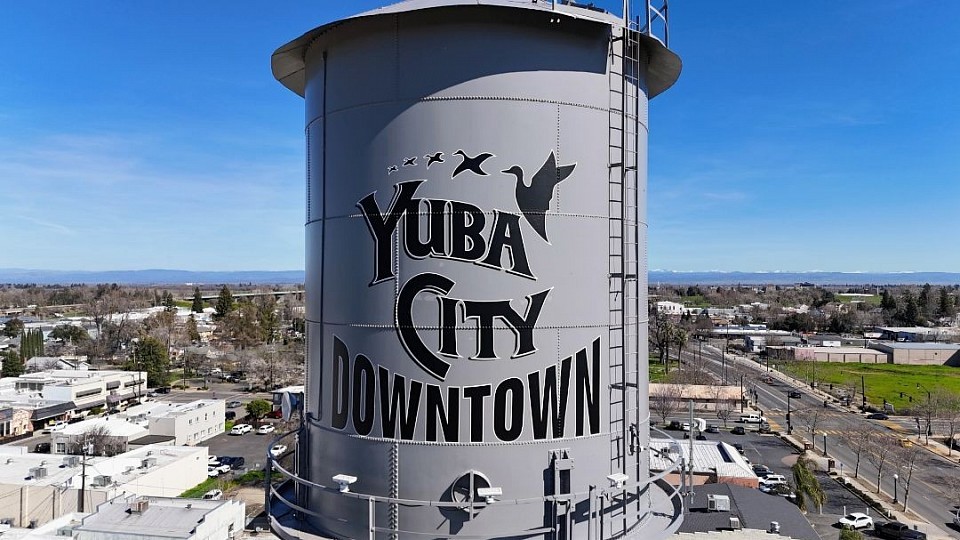
The Yuba-Sutter area — Sacramento Valley’s most overlooked cash-flow market, anchored by Beale AFB and California’s richest farming valley
2026 Economic Outlook
- Beale AFB U-2 and Global Hawk missions stable — no BRAC threat
- Adventist Health Rideout hospital expansion underway
- Plumas Lake master-planned community continuing to expand
- Sacramento commuter demand growing as Sacramento prices rise
- Agricultural technology investment (precision farming) expanding local ag-tech employment
- Highway 65 corridor development connecting Yuba City to Lincoln/Roseville
Yuba City vs. Marysville vs. Linda/Olivehurst: The Investor’s Map
Yuba City
The growth market. Newer residential development, better schools, Adventist Health campus, and commercial growth. Best for passive investors and appreciation. Cap rates 5.8–7.0%.
- Newer construction available
- Healthcare employment anchor
- Stronger long-term appreciation
- Sacramento commuter appeal
Linda / Olivehurst
The military market. Unincorporated Yuba County communities adjacent to Beale AFB. Highest military BAH-backed demand. Best yields in the metro. Cap rates 6.5–8.5%.
- Closest to Beale AFB
- Strongest military BAH demand
- Highest yields in the area
- Active management required
Marysville
The historic downtown market. Older Gold Rush-era city with value-add opportunity. Lowest prices in the metro ($280,000–$350,000). Highest gross yields but most active management. Cap rates 7.0–9.0%.
- Lowest entry prices
- Gold Rush historic character
- Value-add opportunity
- Highest management intensity
Historical Performance
| Period | Market Driver | Avg Annual Appreciation | Key Event |
|---|---|---|---|
| 2010–2015 | Post-foreclosure recovery; Beale AFB and ag stability | 4–7% | Yuba-Sutter recovers from 2008 flood and foreclosure cycle; Beale mission secures |
| 2016–2019 | Sacramento overflow, Beale expansion, Plumas Lake growth | 6–9% | Sacramento prices rise; Yuba City captures commuter demand; Plumas Lake development accelerates |
| 2020–2022 | Remote work, Sacramento migration, Beale stable | 18–24% | Yuba City median rises from ~$270K to ~$385K; Sacramento Valley-wide demand surge |
| 2023–2024 | Rate normalization, stabilization | 1–4% | Prices hold well; rental market tight; Beale BAH rates adjusted upward |
| 2025–2026 | Beale stable, Sacramento overflow, hospital expansion | 5–7% (projected) | Adventist Health Rideout expansion; Plumas Lake Phase 3; Sacramento commuter demand growing |
The Flood Risk Question — Addressed Directly
Every investor asks about flooding. Here is the honest answer: The Yuba-Sutter area sits at the confluence of the Feather River and Yuba River, and the region experienced devastating floods in 1997 and has flood history going back to the Gold Rush era. The 1997 New Year’s Day flood caused hundreds of millions in damage in Linda, Olivehurst, and surrounding areas.
What has changed: The Army Corps of Engineers and local reclamation districts have invested heavily in levee improvements since 2008. Many previously flood-prone areas have been reclassified from Zone AE (high risk) to Zone X (minimal risk) following levee certification. The risk is real but manageable with proper due diligence.
What every investor must do: Pull the FEMA flood zone map for every specific property before making an offer. Zone X = minimal risk, no flood insurance required. Zone AE = high risk, flood insurance required ($800–$2,500+/year). Zone X-shaded = moderate risk. The flood zone designation profoundly affects both insurance costs and resale value. Never skip this step in the Yuba-Sutter market.
📚 New to real estate investing? Master the fundamentals with our professional course Learn more →
2. Neighborhood Hotspots
Yuba City and Marysville Investment Map
Interactive map of Yuba-Sutter investment neighborhoods. Green stars show top hotspots, blue circles mark established markets, and orange circles highlight emerging areas.
Core Investment Neighborhoods
Detailed Submarket Analysis
| Submarket | Price Range | Cap Rate | Primary Driver | Flood Zone Note |
|---|---|---|---|---|
| North Yuba City | $380K–$510K | 5.8–6.8% | Professional, healthcare, commuters | Mostly Zone X — verify by parcel |
| Central Yuba City | $325K–$460K | 6.0–7.0% | Healthcare, established neighborhoods | Mix of X and AE — verify by parcel |
| Linda | $290K–$400K | 6.5–8.5% | Beale AFB military BAH | Post-levee improvement: verify Zone X vs. AE |
| Olivehurst | $265K–$380K | 7.0–9.0% | Workforce, military overflow, value-add | Has historically flood-prone areas — verify carefully |
| Plumas Lake | $400K–$555K | 5.5–6.8% | Sacramento commuters, family growth | Newer development; verify levee-protected status |
| Marysville | $255K–$360K | 7.0–9.0% | Historic, value-add, workforce | Protected by levees; verify Zone designation |
| Wheatland | $330K–$470K | 5.5–7.0% | Beale proximity, small-town character | Mostly Zone X — less flood-prone than river areas |
Expert Insight: “The Beale AFB market is the most underappreciated military rental opportunity in Northern California. Investors who understand PCS cycles and properly register with the Beale Housing Office maintain sub-2% vacancy on their Linda properties year after year. The base’s U-2 and Global Hawk missions are classified strategic assets — there is zero realistic BRAC threat. Meanwhile, the properties themselves are $300,000–$380,000 — which is where you need to be if you want military BAH to actually cover your rent ask and still leave positive cash flow on the table.” — Mike Castillo, Property Manager, Yuba-Sutter Rental Associates
3. Property Types
Don’t guess the costs. Our Complete Renovation & Remodeling Cost Guide covers 400+ pages of project-by-project breakdowns with real contractor pricing ranges.
4. Cost Analysis
Acquisition Cost Breakdown (Yuba-Sutter Area)
| Expense Item | Typical Cost | Example ($360,000 Property) | Notes |
|---|---|---|---|
| Down Payment | 25% | $90,000 | All Yuba-Sutter properties well under conforming limit; lowest capital requirements of any California guide market |
| Closing Costs | 2–3% | $7,200–$10,800 | Title, escrow, lender fees; Yuba and Sutter County transfer taxes apply |
| Flood Zone Check + Insurance Quote | $0 (FEMA map lookup) | $0 | MANDATORY before making any offer — if Zone AE, get flood insurance quote ($800–$2,500+/yr) and include in financial model |
| Home Inspection | $400–$550 | $475 | Standard; include HVAC assessment — Sacramento Valley hot summers stress cooling systems |
| Initial Renovation | 0–7% of price | $0–$25,200 | Linda/Marysville older stock often needs updating; north Yuba City newer stock needs minimal |
| Reserves | $8,000–$15,000 | $10,000 | HVAC replacement primary capital risk; Sacramento Valley summers are hot — AC failure is an emergency |
| TOTAL MINIMUM ENTRY | ~30–38% of value | $107,675–$145,975 | Lowest entry capital of any market in this California city guide series |
Sample Cash Flow Analysis: Linda Military BAH 3BR SFH
| Item | Monthly | Annual | Notes |
|---|---|---|---|
| Gross Rent | $2,000 | $24,000 | 3BR Linda near Beale AFB, military BAH tenant, Zone X property |
| Less Vacancy (3%) | -$60 | -$720 | Near zero with Beale PCS cycling; 3% is conservative estimate |
| Property Taxes | -$315 | -$3,780 | ~1.05% of $360K purchase price |
| Insurance | -$120 | -$1,440 | Zone X — no flood insurance required; standard landlord policy |
| Property Management (9%) | -$180 | -$2,160 | Yuba-Sutter PM firms; recommend Beale-experienced management |
| Maintenance + CapEx (7%) | -$140 | -$1,680 | HVAC is primary capital risk in Sacramento Valley heat; budget accordingly |
| Net Operating Income | $1,185 | $14,220 | Before mortgage; strong NOI for California inland market at this price tier |
| Mortgage ($360K, 25% down, 6.5%, 30yr) | -$1,711 | -$20,532 | $270K loan; conventional — lowest monthly payment of any California guide market |
| NET CASH FLOW | -$526 | -$6,312 | Best negative carry ratio of any California guide market; approaching positive cash flow |
| Linda Duplex ($540K, 2 units at $1,750 ea) | +$540 | +$6,480 | Genuine positive cash flow available in Linda duplex market |
| Cap Rate (SFH) | 3.95% | NOI / Purchase; strongest cap rate of any California coastal or near-coastal market | |
| Total Return (5.5% appreciation) | ~20% | Including equity, appreciation, principal paydown on Linda SFH |
The Linda duplex analysis demonstrates why the Yuba-Sutter area offers what few California markets can: actual positive cash flow at current interest rates on conventionally-financed investment property. A Linda duplex at $540,000 with two units renting to military and workforce tenants at $1,750 each generates approximately +$540/month after all expenses including professional management. This is genuine California cash-flow territory — and the reason experienced Sacramento Valley investors disproportionately hold Yuba-Sutter properties in their portfolios.
Flood Zone Insurance Impact: Zone AE properties (high risk) require flood insurance adding $800–$2,500+/year to expenses. On a $2,000/month rental generating $24,000/year gross income, $1,500/year flood insurance = 6.25% of gross income. This materially affects cash flow on Zone AE properties and often makes Zone X properties significantly more attractive even at slightly higher purchase prices. Always model Zone AE properties with full flood insurance cost included.
5. Legal Framework
⚠️ California Landlord-Tenant Law Notice
Yuba City and Marysville are governed by California statewide landlord-tenant law (AB 1482). As of 2026, neither Yuba City nor Marysville has enacted additional local rent control beyond California state law — a significant advantage over many California markets. This makes the Yuba-Sutter area one of the more landlord-friendly environments in the state within the AB 1482 framework. Always consult a California-licensed real estate attorney before acquiring rental properties.
California AB 1482 in Yuba-Sutter
- Rent Caps: 5% plus local CPI or 10% maximum annually for covered units. Yuba/Sutter CPI typically 3–4%, so effective caps run 8–9% for covered units.
- Just Cause Eviction: Required after 12 months of tenancy for qualifying properties. Non-payment, material violations, criminal activity, owner move-in, substantial renovation are acceptable causes.
- SFH Exemption: Individual-owned SFH and condos exempt from AB 1482 if proper written notice is served at each lease signing and renewal. Essential for repositioning rents at market rate after tenancy changes.
- New Construction Exemption: Properties built within 15 years exempt. Many Plumas Lake and newer Yuba City homes qualify.
- No Additional Local Control: Yuba City and Marysville follow AB 1482 only — no stricter local ordinances. More landlord-friendly than most California cities.
- Military SCRA: All leases with Beale AFB military tenants must include SCRA addendum — required by federal law allowing lease termination on PCS orders. Include in every military tenant lease from day one.
Yuba-Sutter Specific Considerations
- Flood Zone Disclosure: California law requires sellers to disclose material facts about flood risk. As an investor, independently verify FEMA flood zone status for every property — do not rely solely on seller disclosure. Pull the FEMA FIRM map using the parcel’s address at msc.fema.gov.
- Natural Hazard Disclosure (NHD): California requires a Natural Hazard Disclosure report on every real estate transaction. In the Yuba-Sutter area, the NHD typically covers flood zones and dam inundation areas. Review carefully — dam inundation zones from Bullard Bar Dam (Yuba River) and Oroville Dam (Feather River) affect portions of the region.
- AB 12 Security Deposits: Maximum one month’s rent (2024). Rigorous tenant screening is more important than ever.
- HVAC Habitability: California Civil Code requires habitable temperatures. Sacramento Valley summers regularly exceed 105°F — functional AC is a legal habitability requirement, not optional. HVAC failures must be addressed as emergency maintenance.
- Agricultural Buffer Disclosures: Properties adjacent to active farmland in Sutter/Yuba County agricultural areas may require Right to Farm disclosures and pesticide application notifications.
Key Resources
- City of Yuba City: yubacity.com
- City of Marysville: cityofmarysville.org
- FEMA Flood Map: msc.fema.gov
- Yuba County: co.yuba.ca.us
| Regulation | Requirement | Investor Impact | Strategy Response |
|---|---|---|---|
| AB 1482 Rent Cap | 5%+CPI / 10% max covered units | Limits increases on qualifying older rentals | Serve SFH exemption notices; target newer construction (15-year exemption) |
| Military SCRA | Lease termination rights on PCS orders | Military tenants can break leases legally | Include SCRA addendum; PCS departures mean next tenant arrives soon — embrace military market |
| Flood Zone Disclosure | Must disclose material flood risk | Zone AE properties require flood insurance; affects cash flow | Verify FEMA zone independently; model Zone AE with full flood insurance cost before purchase |
| Dam Inundation Zone | NHD disclosure required | Some areas in Bullard Bar or Oroville inundation zones | Review NHD report; avoid properties in primary dam inundation zones if possible |
| AB 12 Deposits | Max 1 month rent | Less upfront protection | Rigorous screening; military tenants are inherently low-risk; healthcare and government workers also reliable |
6. Step-by-Step Yuba-Sutter Investment Playbook
Choose Your Yuba-Sutter Strategy
Beale Military BAH (Linda)
Buy Zone X SFH within 15 minutes of Beale AFB main gate. Register with Beale Housing Office. Near-zero vacancy with PCS cycling. Positive or near-positive cash flow at current rates — rare in California.
North Yuba City Passive
Buy newer SFH in north Yuba City. Target healthcare professionals and Sacramento commuters. Low management intensity; 2–4 year average tenancies. Accept slightly lower yield for cleaner passive ownership experience.
Duplex / Multifamily Cash Flow
Buy duplex or small multifamily in Linda, Olivehurst, or central Yuba City. Target military, healthcare, and workforce tenants. Genuine positive cash flow available. Best cash-on-cash returns in the Sacramento Valley.
Plumas Lake Growth Play
Buy in Plumas Lake’s growing master-planned community. Target Sacramento commuters and Beale families. Highest appreciation trajectory in the metro as community fills in. Best for longer hold periods (7–10+ years).
Flood Zone Verification — Mandatory First Step for Every Property
Before making any offer on any Yuba-Sutter property, complete this verification sequence:
- Pull FEMA Flood Map: Go to msc.fema.gov and enter the property address. Identify the flood zone designation: Zone X (minimal risk — preferred), Zone AE (high risk — requires flood insurance), Zone X-shaded (moderate risk), or other designations.
- Get flood insurance quote if Zone AE: Contact your insurance broker for a flood insurance quote through the National Flood Insurance Program (NFIP) or private flood insurers. Zone AE quotes typically run $800–$2,500+/year. Include this exact annual cost in your financial model before making an offer.
- Check levee protection status: Many previously Zone AE areas have been reclassified to Zone X after levee improvements. Verify whether the property is in a FEMA-certified levee-protected area by checking Sutter-Yuba Levee reclamation district information and local city documentation.
- Review NHD report: The Natural Hazard Disclosure report shows dam inundation zones in addition to flood zones. Properties within the Oroville Dam or Bullard Bar Dam inundation zones have additional risk that is separate from standard flood zone designation.
- Never skip this step: The flood zone status of a specific parcel can vary street-by-street in the Yuba-Sutter area. Adjacent properties can be in different zones. Do not assume based on neighborhood reputation — verify each parcel independently.
Marketing to Beale AFB Military Tenants
- Register with Beale Housing Office: The Beale AFB Housing Referral Office maintains a list of local landlords for incoming personnel. Registration is free and puts your property directly in front of families receiving their Beale assignment orders. This is the single most effective marketing step for any Linda or Wheatland rental.
- List on Military By Owner (MBO) and AHRN: Military-specific housing platforms where BAH-funded searches happen. Include commute time to Beale main gate, BAH adequacy (show that rent is within BAH), and garage/storage capacity — military families move with vehicles and equipment.
- Know Beale’s wings and tenants: The 9th Reconnaissance Wing operates U-2 and RQ-4 Global Hawk aircraft. Assignments are 2–4 years for most active duty. Officers (typically senior NCO to O-4) have higher BAH and prefer 3–4BR homes. Junior enlisted prefer 2–3BR homes or share larger properties. Understanding this breakdown helps right-size your property for the target BAH tier.
- Include SCRA addendum from day one: Military tenants will always ask. Having the SCRA addendum ready signals that you understand military housing. It builds immediate trust and positions your property above landlords who are unfamiliar with military lease requirements.
- PCS gap management: When a military tenant receives PCS orders, you typically get 30 days’ notice. Immediately list on MBO and notify Beale Housing Office — a replacement tenant is almost always identifiable from incoming unit assignments. The Beale Housing Office can often connect you with incoming families before your current tenant vacates.
Build Your Yuba-Sutter Team
- Yuba-Sutter Investment Agent: Must understand the flood zone landscape submarket-by-submarket, Beale AFB housing demand patterns, and the Plumas Lake development timeline. Local knowledge is more important in a smaller market.
- Beale-Experienced Property Manager: Strongly recommended for any military-focused property. The PM should have an existing relationship with Beale Housing Office, understand SCRA requirements, and know how to manage PCS gap periods.
- HVAC Contractor: Sacramento Valley summers regularly hit 105–115°F. AC failure during peak summer is a habitability emergency. Establish a relationship with a local HVAC contractor before purchasing — emergency summer calls can be expensive without a pre-established relationship.
- California Real Estate Attorney: For AB 1482 SFH exemption notices, SCRA addendums, and any lease or eviction matters through Yuba or Sutter County Superior Court.
- Local Lender: Tri Counties Bank, Bank of Commerce (Redding-based but Northern California focused), and National Western Financial (Yuba City area) understand the local market and can assist with investment property financing and DSCR products for this market.
7. Financing Options for Yuba-Sutter
| Loan Type | Down Payment | Rate Premium | Best For | Yuba-Sutter Note |
|---|---|---|---|---|
| Conventional Investment | 25% | +0.5–0.75% | Strong income, good credit | All Yuba-Sutter properties well under conforming limit — conventional rates everywhere; lowest mortgage payments of any California guide market |
| DSCR Loan | 25–30% | +1.5–2.5% | Self-employed, no income verification | Linda duplexes and multifamily typically qualify at 1.0–1.2x DSCR — one of the best DSCR markets in California. Military BAH rents are very DSCR-friendly at these price points |
| FHA (House Hacking) | 3.5% | Standard + MIP | First-time investors, owner-occupants | Lowest-capital California investment entry: 3.5% on a $320K Olivehurst duplex = ~$11,200 out of pocket — exceptional entry point |
| VA Loan (Military) | 0% | Below market | Beale AFB veterans and active duty | Beale personnel who want to owner-occupy near the base; common strategy — buy with VA, later convert to investment when PCS’d |
| Portfolio Loan | 20–25% | +1–2% | Multiple properties, complex income | Tri Counties Bank and Plumas Bank offer portfolio products with Northern California market knowledge |
| Hard Money (Bridge) | 25–30% | 8–12% | Value-add Olivehurst / Marysville | Sacramento Valley hard money market is active; use for value-add acquisition; refi to conventional after renovation and seasoning |
The DSCR Advantage: The Yuba-Sutter area is one of the few California markets where DSCR financing genuinely works on standard investment properties. At $360,000 purchase price generating $2,000/month rent, the DSCR ratio (rent / principal+interest+taxes+insurance+HOA) approaches or exceeds 1.0x — the qualification threshold for most DSCR lenders. Contrast with Monterey, Santa Barbara, or any coastal market where $700,000–$1,000,000 properties generating $2,800–$3,500/month rent produce DSCR ratios well below 1.0x. For self-employed investors or those with complex income, Yuba-Sutter’s price-to-rent ratio is one of the rare California environments where DSCR financing is genuinely viable without exceptional BAH premiums.
8. Frequently Asked Questions

Knowledge Quiz: Yuba City and Marysville Investment
Open Quiz
5 quick questions on what you just learned about Yuba-Sutter investing
1) What makes the Beale AFB military rental market in Linda unique compared to most civilian rental markets?
Answer: C
The defining characteristic of military rental markets is PCS (Permanent Change of Station) cycling. When Beale personnel receive PCS orders and must move, the departing family is replaced by an incoming family from the next unit rotation. The Beale Housing Office facilitates these connections. Well-positioned Linda properties maintain near-zero vacancy not because individual tenants never leave, but because the continuous flow of incoming military personnel creates essentially perpetual demand — departures and arrivals are synchronized through the military assignment cycle.
2) Why is flood zone verification the mandatory first step before any Yuba-Sutter property purchase?
Answer: A
The guide identifies flood zone verification as mandatory because: (1) Zone AE flood insurance can add $800–$2,500+/year to investment expenses, materially affecting cash flow; (2) flood zone status varies parcel-by-parcel in the Yuba-Sutter area — adjacent properties can be in different zones; (3) many previously Zone AE areas have been reclassified to Zone X following levee improvements, making current FEMA FIRM map lookup essential rather than relying on historical neighborhood reputation. Zone X properties have no flood insurance requirement; Zone AE properties must include this cost in the financial model before purchase.
3) What is the primary maintenance risk unique to Sacramento Valley markets like Yuba City?
Answer: D
HVAC is the primary capital risk in any Sacramento Valley market. Yuba City regularly experiences summer temperatures of 105–115°F, which puts extreme stress on air conditioning systems and accelerates their degradation. California law requires habitable temperatures — functional AC in a 108°F summer is a legal obligation, not optional. The guide recommends: establishing a contractor relationship before purchase; budgeting 10% CapEx/maintenance annually (vs. 7–9% in moderate climates); and planning for HVAC replacement at 10–12 year intervals rather than the 15-year cycle normal in cooler markets.
4) Why is Yuba-Sutter one of the few California markets where DSCR loan financing works well?
Answer: B
DSCR loans qualify based on the ratio of rental income to principal + interest + taxes + insurance + HOA. In coastal California markets, high purchase prices mean mortgage payments dwarf rental income — a $700,000 Monterey property at $2,800/month rent produces a DSCR well below 1.0x. In Yuba-Sutter, a $360,000 Linda property at $2,000/month rent produces a DSCR approaching 1.0x. Linda duplexes at $540,000 with $3,500 total monthly rent often exceed 1.0x DSCR — qualifying for DSCR financing that a comparable coastal investment cannot access. This makes Yuba-Sutter particularly attractive for self-employed investors who struggle with traditional income documentation requirements.
5) What is the key reason Beale AFB has minimal BRAC (base closure) risk compared to many other military installations?
Answer: C
The guide identifies two concrete evidence-based reasons for Beale’s security: (1) Mission irreplaceability — the U-2 and Global Hawk intelligence platforms are classified strategic assets with specific infrastructure requirements that cannot simply be transferred to an existing base; (2) Continued capital investment — the military does not invest in facilities it plans to close. Beale has received hangar and runway improvements in recent years, signaling long-term mission commitment. While no base is 100% closure-proof, Beale’s combination of classified strategic mission, capital investment history, and 80+ year operational record makes it among the most secure military installations in California.
Work With a Local Expert in the Yuba-Sutter Area
We are building a verified network of real estate professionals across every market we cover.

About Our Expert Network
We are finalizing partnerships with verified real estate professionals across every market on Builds and Buys. Each expert is selected for hands-on investment experience, local market knowledge, and commitment to helping investors make sound decisions.
- Experience with Yuba City, Marysville, Linda, and Plumas Lake investment properties
- Beale AFB military tenant strategy and Housing Office relationships
- Flood zone verification and FEMA map expertise
- DSCR and military property financing knowledge
- Sacramento Valley value-add renovation guidance
- HVAC and Sacramento Valley maintenance contractor referrals
Services Covered
- Property sourcing and acquisition
- Investment analysis and underwriting
- Buyer representation
- Military tenant strategy
- Flood zone analysis
- Value-add renovation guidance
- Legal and title referrals
- Property management referrals
- Insurance referrals
- Contractor referrals (HVAC)
- DSCR financing guidance
- Exit strategy planning
Get Connected or Join Our Network
Looking for a local expert for your Yuba-Sutter investment? We will connect you with the right professional.
Contact us at support@buildsandbuys.com
Find Specialized Yuba-Sutter Real Estate Professionals
Ready to Invest in the Yuba-Sutter Area?
Yuba City and the surrounding Yuba-Sutter area represent Northern California’s most compelling cash-flow investment case. Beale AFB’s permanent intelligence mission creates BAH-backed military demand that is as reliable as any rental driver in the state. Sacramento’s continued price growth pushes buyers and renters north to the last accessible market on the Highway 99 corridor. California’s richest farming valley creates year-round agricultural employment that anchors the local economy. Healthcare expansion at Adventist Health Rideout adds stable professional employment. And everywhere in this market, home prices remain 35–45% below comparable Sacramento Valley suburbs — creating cap rates, DSCR ratios, and cash-flow dynamics that coastal California investors can only envy. For investors who respect the flood zone verification requirement and invest in proper local management, the Yuba-Sutter area delivers what the rest of California cannot.
Continue Your Research
For further guidance, explore our State-by-State Investor guides, browse our expert articles, or follow our Step-by-Step Investment Guide.



