
HVAC Installation Tasks
This section guides you through the essential steps of installing a heating, ventilation, and air conditioning (HVAC) system. Proper HVAC installation ensures optimal indoor comfort, energy efficiency, and long-term performance.
- Track Your Progress: Check off each phase of HVAC installation to stay on schedule.
- Stay Notified: Receive alerts for necessary permits, inspections, and maintenance reminders.
- Step-by-Step Guidance: Follow detailed instructions for ductwork, unit installation, thermostat setup, and ventilation.
- Prevent Costly Issues: Learn how to avoid common mistakes that can lead to inefficiency, poor airflow, or equipment failure.
Whether you’re installing a central HVAC system, ductless mini-splits, or smart climate controls, this section provides the guidance needed to ensure a well-balanced, energy-efficient home environment.

System Design and Planning
Proper HVAC system design and planning ensures efficient heating, cooling, and ventilation for the entire building. This section covers equipment selection, airflow optimization, and energy efficiency.
Who to Hire:
HVAC Engineer, Mechanical Contractor, General Contractor
Cost-Saving Tips:
- Use free online HVAC calculators to estimate heating and cooling loads.
- Choose Energy Star-rated HVAC systems to reduce long-term energy costs.
- Optimize ductwork placement to minimize air resistance and improve efficiency.
Calculate Heating and Cooling Loads for Each Room
Use industry standards to calculate heating and cooling loads for each room.
Why It Matters: Ensuring proper load calculations prevents oversizing or undersizing the HVAC system, improving efficiency and comfort.
Who to Talk To: HVAC Engineer, Energy Consultant.
Contact Information (E.G. People involved with Task)
Select Energy-Efficient HVAC Units Suitable for the Building’s Size and Climate
Select HVAC units based on the building’s size and climate needs.
Why It Matters: Choosing the right HVAC system reduces energy costs and ensures consistent indoor temperatures.
Who to Talk To: HVAC Specialist, Energy Consultant.
Contact Information (E.G. People involved with Task)
Plan Ductwork, Vent Placements, and Thermostat Locations
Plan out the ductwork and locations for vents and thermostats.
Why It Matters: Proper planning improves system efficiency and prevents temperature imbalances.
Who to Talk To: HVAC Engineer, Mechanical Contractor.
Contact Information (E.G. People involved with Task)
Ductwork Installation
Install ducts to distribute air efficiently throughout the building. Proper ductwork installation ensures balanced airflow, energy efficiency, and optimal heating and cooling performanc.
Who to Hire:
HVAC Contractor, Skilled Laborers
Cost-Saving Tips:
- Use pre-insulated flexible ducts to save on insulation costs.
- Plan duct runs efficiently to minimize material usage and improve airflow.
- Seal duct joints properly with HVAC mastic instead of standard duct tape for durability.
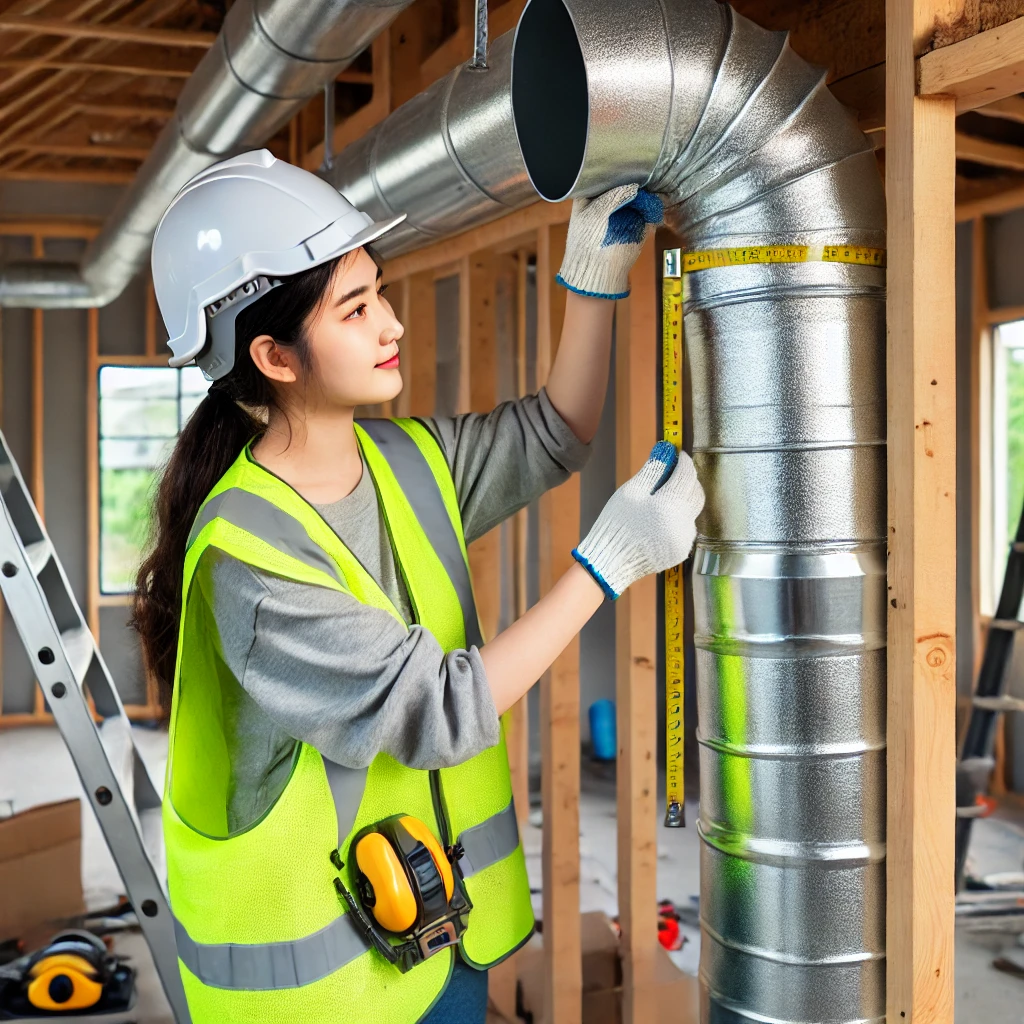
Measure and Cut Ducts to Fit the Planned Layout
Measure and cut ducts to the correct size as per the layout.
Why It Matters: Proper duct sizing ensures efficient airflow and reduces energy loss.
Who to Talk To: HVAC Engineer, General Contractor.
Contact Information (E.G. People involved with Task)
Secure Ducts Using Hangers and Seal Joints with Duct Tape or Mastic
Secure the ducts using proper hangers and seal joints to avoid leaks.
Why It Matters: Secured and sealed ducts improve airflow efficiency and prevent energy loss.
Who to Talk To: HVAC Technician, Mechanical Contractor.
Contact Information (E.G. People involved with Task)
Install Return Air Ducts for Proper Air Circulation
Install return air ducts to ensure proper circulation and balance of airflow.
Why It Matters: Return ducts help maintain consistent temperature distribution and improve HVAC efficiency.
Who to Talk To: HVAC Contractor, Energy Consultant.
Contact Information (E.G. People involved with Task)
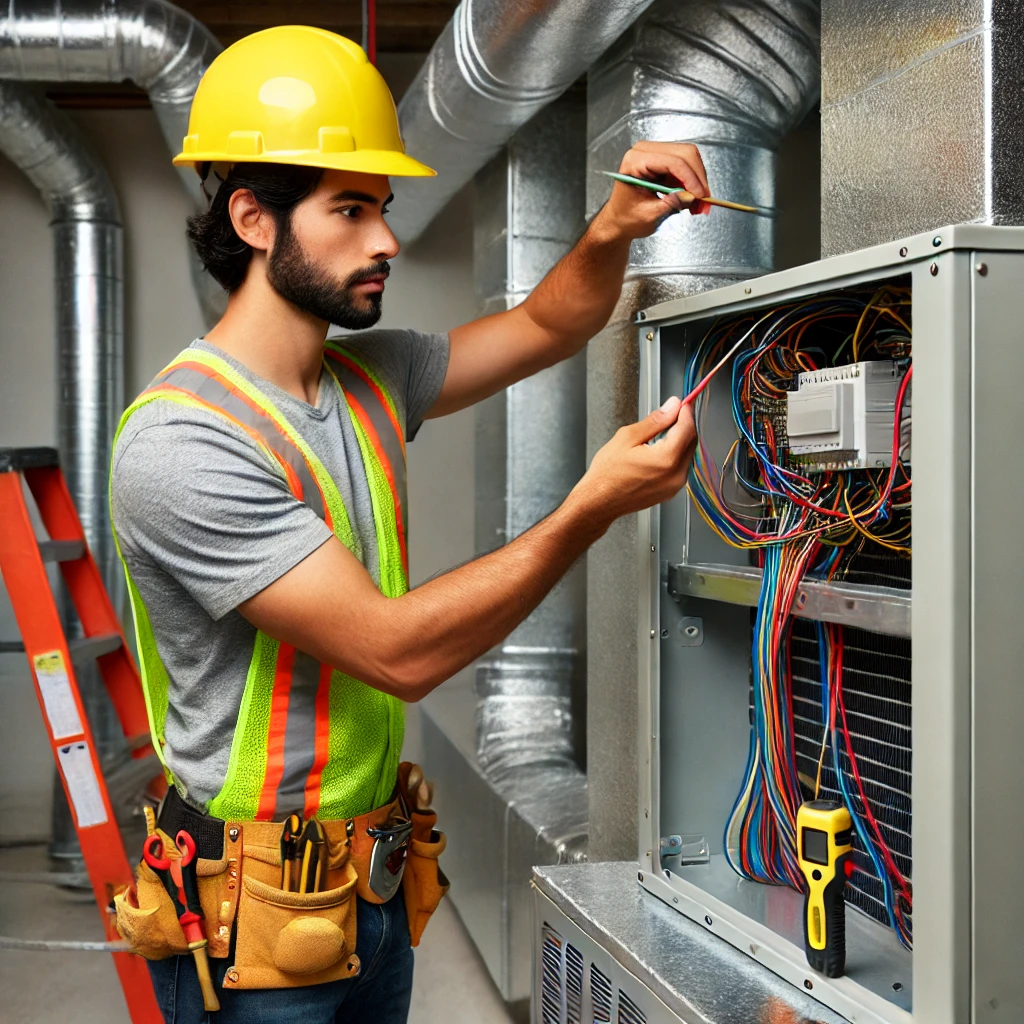
HVAC Unit Installation
Install the main heating and cooling unit to complete the HVAC system. Proper installation ensures efficient performance, optimal airflow, and long-term reliability.
Who to Hire:
HVAC Contractor, HVAC Specialist
Cost-Saving Tips:
- Purchase units during seasonal sales for discounts.
- Choose a unit with a high SEER rating for long-term energy savings.
- Ensure proper insulation around ductwork to reduce energy loss and improve efficiency.
Position the HVAC Unit as Per the Planned Layout
Position the HVAC unit as per the planned design layout.
Why It Matters: Proper positioning improves efficiency, airflow, and accessibility for servicing.
Who to Talk To: HVAC Contractor, Site Supervisor.
Contact Information (E.G. People involved with Task)
Connect the Unit to Ductwork and Electrical Power
Connect the HVAC unit to the pre-installed ductwork and power supply.
Why It Matters: Ensures proper heating, cooling, and air circulation throughout the building.
Who to Talk To: HVAC Specialist, Electrician.
Contact Information (E.G. People involved with Task)
Ensure Proper Drainage for Condensate
Ensure that the HVAC unit is connected to proper drainage for condensate removal.
Why It Matters: Prevents water buildup, mold growth, and damage to HVAC components.
Who to Talk To: HVAC Contractor, Plumber.
Contact Information (E.G. People involved with Task)
Thermostat Installation
Install and configure the thermostat to control the HVAC system efficiently. Proper thermostat installation ensures accurate temperature regulation, energy efficiency, and long-term system reliability.
Who to Hire:
HVAC Specialist, Electrician
Cost-Saving Tips:
- Opt for smart thermostats for remote control and energy monitoring.
- Check for utility company rebates on energy-efficient thermostats.
- Install thermostats in pre-wired locations to reduce installation time and costs.
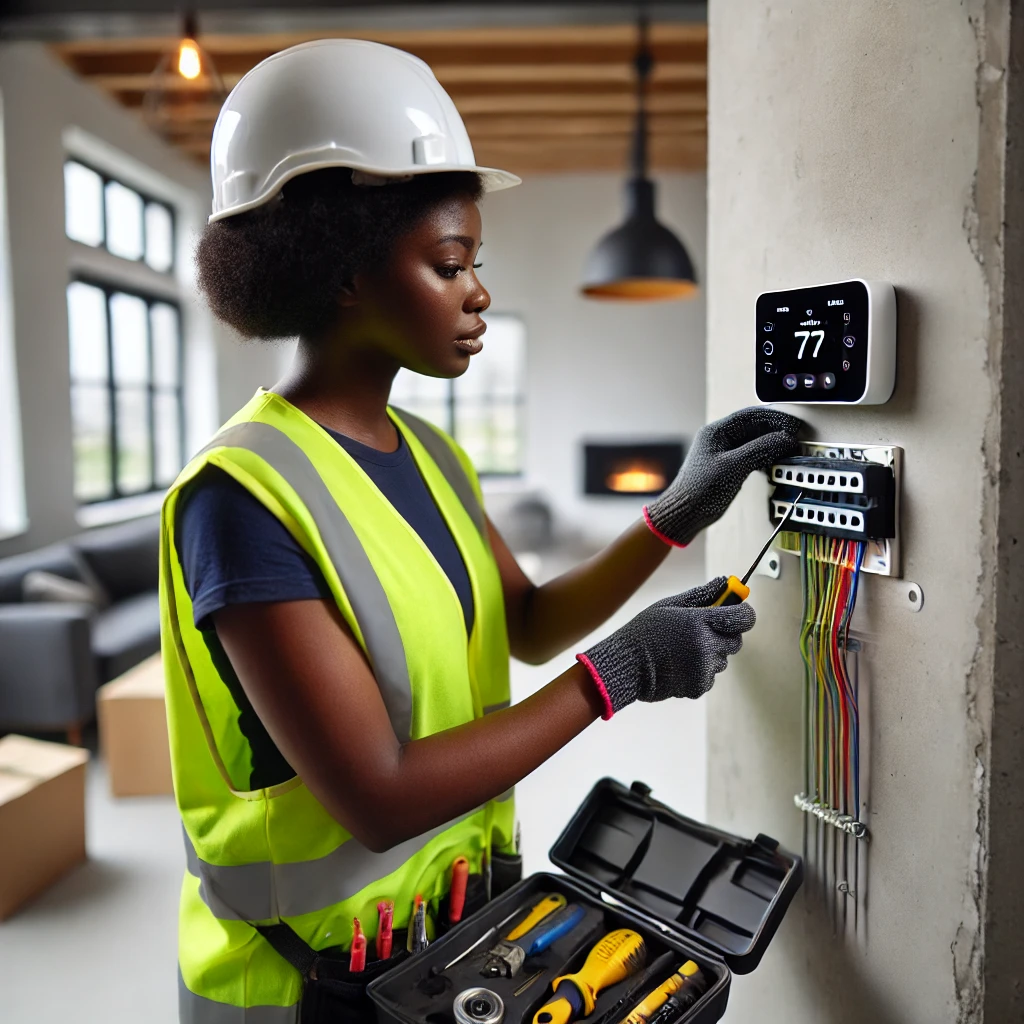
Mount the Thermostat on an Interior Wall Away from Direct Sunlight
Install the thermostat on an interior wall that is not exposed to direct sunlight.
Why It Matters: Ensures accurate temperature regulation and prevents HVAC inefficiency.
Who to Talk To: HVAC Specialist, Electrician.
Contact Information (E.G. People involved with Task)
Program the Thermostat for Optimal Temperature Settings
Program the thermostat to maintain desired temperature settings for energy efficiency.
Why It Matters: Proper programming reduces energy waste and extends HVAC system life.
Who to Talk To: HVAC Contractor, Energy Consultant.
Contact Information (E.G. People involved with Task)
Program the Thermostat for Optimal Temperature Settings
Program the thermostat to maintain desired temperature settings for energy efficiency.
Why It Matters: Proper programming reduces energy waste and extends HVAC system life.
Who to Talk To: HVAC Contractor, Energy Consultant.
Contact Information (E.G. People involved with Task)
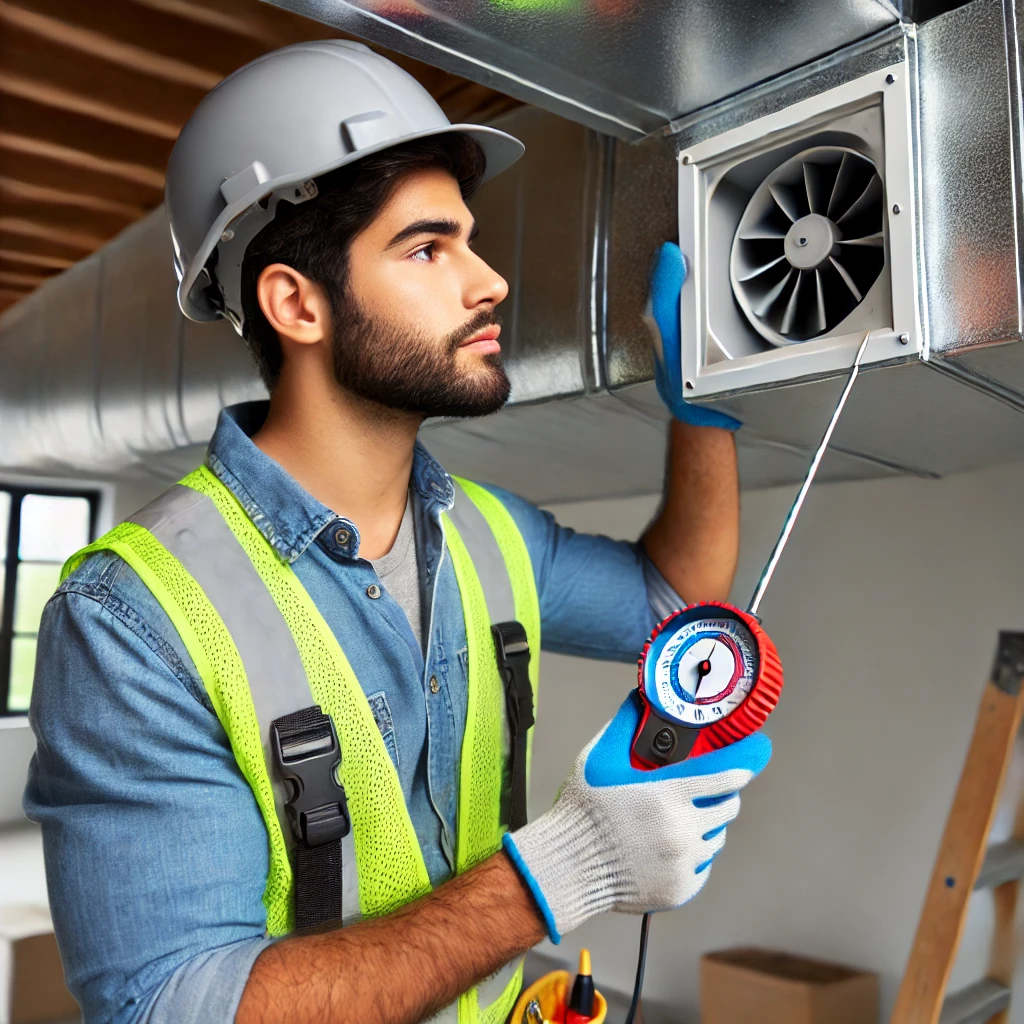
Airflow Balancing
Adjust the HVAC system to ensure even airflow and temperature distribution throughout the building. Proper airflow balancing helps maintain comfort, energy efficiency, and system longevity.
Who to Hire:
HVAC Specialist
Cost-Saving Tips:
- Use DIY airflow measuring tools for initial balancing to save on contractor costs.
- Seal ducts properly to prevent air leaks and improve energy efficiency.
- Install smart thermostats with zoning capabilities to optimize airflow control.
Measure Airflow at Vents Using a Flow Hood or Anemometer
Measure airflow at each vent using a flow hood or anemometer for accuracy.
Why It Matters: Ensuring balanced airflow prevents hot and cold spots, improving HVAC efficiency and comfort.
Who to Talk To: HVAC Technician, Energy Consultant.
Contact Information (E.G. People involved with Task)
Adjust Dampers in Ducts to Balance Airflow Across Rooms
Adjust the dampers in ducts to balance airflow and ensure efficient heating and cooling.
Why It Matters: Properly adjusted dampers improve comfort and reduce energy waste.
Who to Talk To: HVAC Specialist, Building Engineer.
Contact Information (E.G. People involved with Task)
Test System Performance and Make Necessary Adjustments
Test the performance of the system and make any necessary adjustments for optimal airflow.
Why It Matters: Ensures the system is operating at peak efficiency and delivering consistent airflow.
Who to Talk To: HVAC Contractor, Energy Auditor.
Contact Information (E.G. People involved with Task)
HVAC Inspection and Testing
Verify the HVAC system complies with safety standards and operates efficiently. Proper inspection and testing ensure optimal airflow, energy efficiency, and long-term system reliability.
Who to Hire:
Local Building Inspector, HVAC Specialist
Cost-Saving Tips:
- Conduct pre-inspection tests to avoid reinspection costs.
- Use diagnostic tools like infrared cameras to detect potential leaks or inefficiencies.
- Perform filter and vent cleaning before inspection to ensure optimal performance.
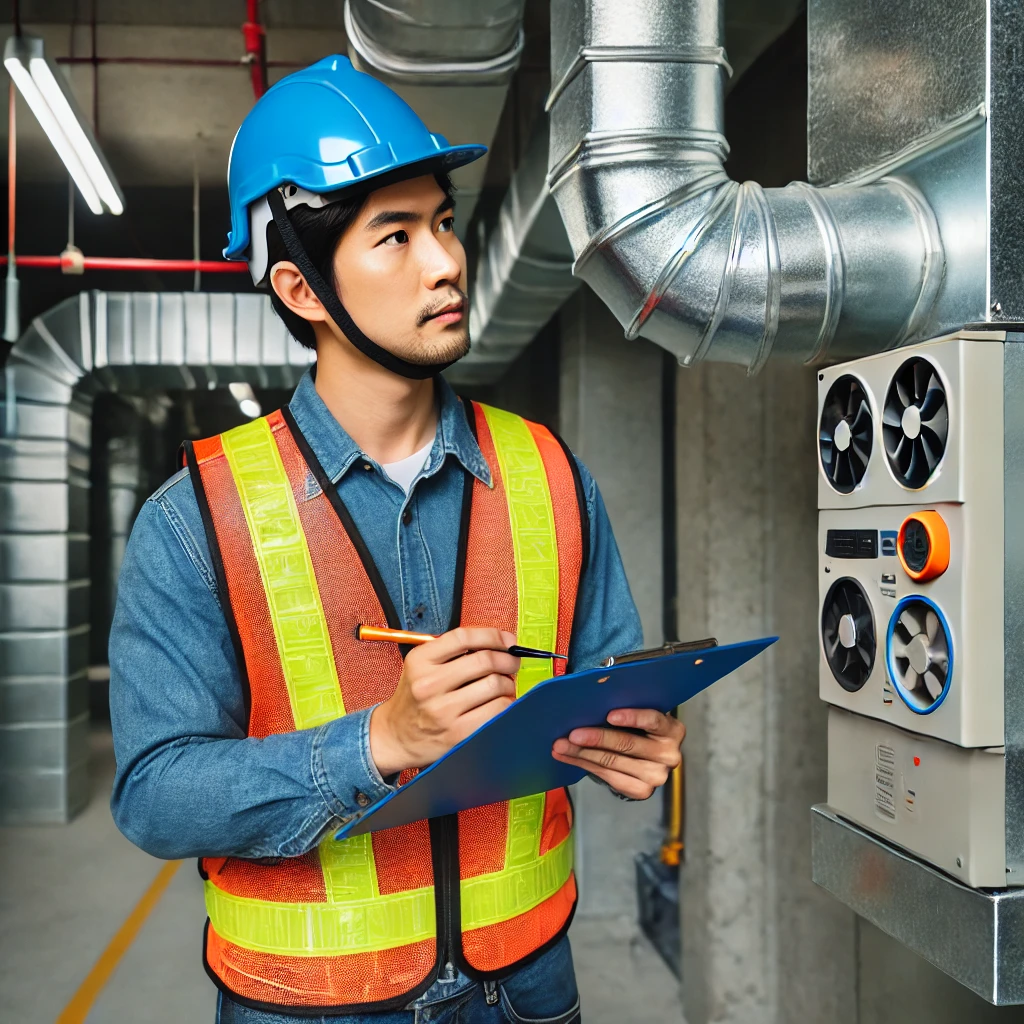
Inspect for Proper Installation of Ducts, Units, and Electrical Connections
Inspect all components of the HVAC system to ensure proper installation.
Why It Matters: A properly installed system prevents airflow inefficiencies, electrical hazards, and future breakdowns.
Who to Talk To: HVAC Specialist, Electrical Inspector.
Contact Information (E.G. People involved with Task)
Test Heating, Cooling, and Ventilation Functionality
Test the system for heating, cooling, and ventilation functionality to ensure efficiency.
Why It Matters: Ensuring proper functionality prevents uneven heating/cooling and reduces energy waste.
Who to Talk To: HVAC Technician, Energy Auditor.
Contact Information (E.G. People involved with Task)
Obtain Certifications and Approvals from Local Authorities
Obtain necessary certifications and approvals for the HVAC installation.
Why It Matters: Certification ensures that the HVAC system meets building codes and safety standards.
Who to Talk To: Local Building Inspector, HVAC Specialist.



