
💨 Pool Pump Replacement Cost Guide 2026
Variable speed vs single speed pumps, energy savings, and installation costs
💰 Pool Pump Replacement Cost Overview
Single Speed
Variable Speed
Labor Only
Annual Savings
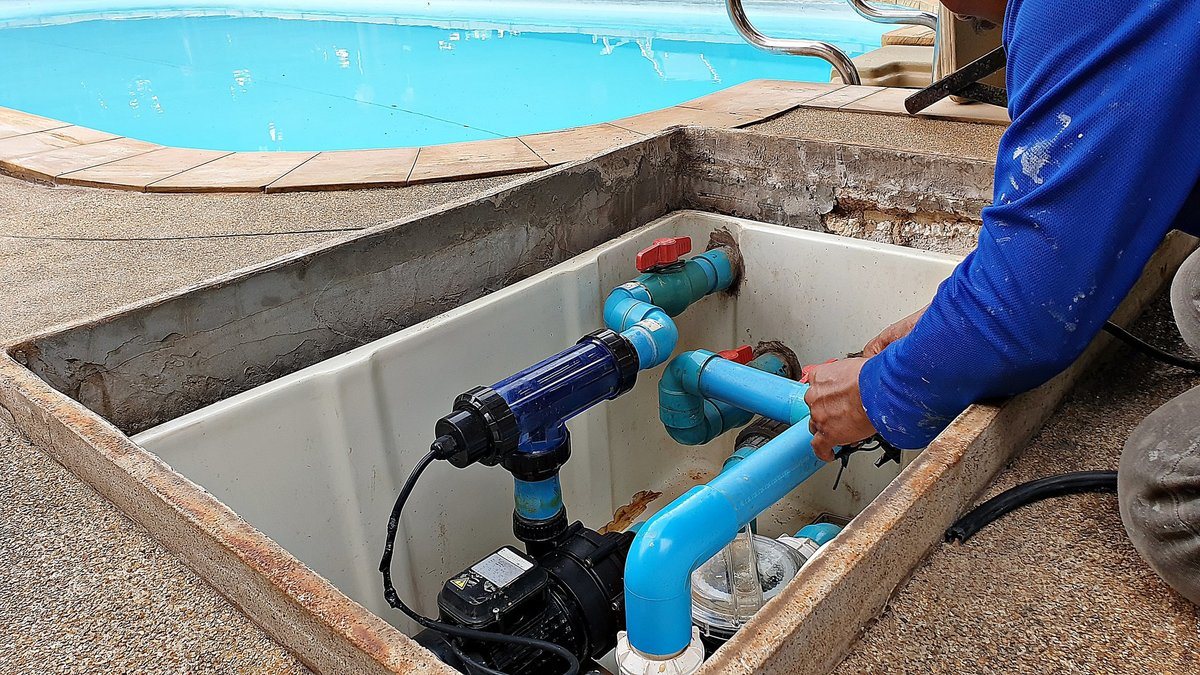
Professional Pool Pump Replacement Example
Pool Pump Types & Complete Costs
Energy efficiency and total cost comparison
Complete Pool Pump Options
| Pump Type | Pump Cost | Installation | Total Cost | Annual Operating Cost |
|---|---|---|---|---|
| Single Speed 1 HP | $400 – $600 | $200 – $300 | $600 – $900 | $800 – $1,200 |
| Single Speed 1.5 HP | $500 – $700 | $200 – $300 | $700 – $1,000 | $1,000 – $1,500 |
| Variable Speed 1 HP | $800 – $1,200 | $200 – $400 | $1,000 – $1,600 | $300 – $600 |
| Variable Speed 1.5 HP | $900 – $1,300 | $250 – $400 | $1,150 – $1,700 | $400 – $700 |
| Variable Speed 2 HP | $1,000 – $1,500 | $300 – $450 | $1,300 – $1,950 | $500 – $800 |
| Commercial Grade | $1,200 – $2,000 | $400 – $600 | $1,600 – $2,600 | $600 – $1,000 |
Energy Efficiency Requirements
California, Arizona, Washington: Variable speed pumps required by law for new installations. Federal rebates: Up to $300 available for variable speed upgrades. Pool size matching: Oversized pumps waste energy – proper sizing critical. Most single speed pumps run 30-50% more than needed.
Energy Savings & ROI Analysis
Real-world costs and payback periods
Variable Speed vs Single Speed Comparison
| Comparison Factor | Single Speed | Variable Speed | Savings/Difference |
|---|---|---|---|
| Initial Cost | $700 – $1,000 | $1,000 – $1,500 | $300 – $500 more |
| Annual Energy Cost | $800 – $1,500 | $300 – $700 | $300 – $800/year saved |
| Payback Period | N/A | 1-2 years | Quick ROI |
| 10-Year Operating Cost | $8,000 – $15,000 | $3,000 – $7,000 | $5,000 – $8,000 saved |
| Noise Level | 65-75 dB | 45-55 dB | Much quieter operation |
| Lifespan | 8-12 years | 12-15 years | 3+ years longer |
Regional Energy Cost Impact
| Region | Avg. Electric Rate | Single Speed Annual | Variable Speed Annual | Annual Savings |
|---|---|---|---|---|
| California | $0.22/kWh | $1,400 – $1,800 | $500 – $700 | $900 – $1,100 |
| Northeast | $0.18/kWh | $1,100 – $1,400 | $400 – $600 | $700 – $800 |
| Southeast | $0.12/kWh | $800 – $1,000 | $300 – $400 | $500 – $600 |
| Southwest | $0.15/kWh | $1,000 – $1,200 | $350 – $500 | $650 – $700 |
| Midwest | $0.13/kWh | $850 – $1,100 | $300 – $450 | $550 – $650 |
| Mountain States | $0.11/kWh | $750 – $950 | $280 – $400 | $470 – $550 |
Installation Process & Requirements
What’s involved in professional pump replacement
Professional Installation Steps
Step 1: Power Disconnection
Timeline: 15 minutes
Safety first: Breaker shutdown
Water system: Pump isolation
Equipment check: Existing connections
Tools required: Electrical testing
• Verify power is completely off
• Test with electrical meter
Step 2: Old Pump Removal
Timeline: 30-45 minutes
Plumbing disconnect: Union fittings
Electrical removal: Wire nuts/connections
Mounting bolts: Pad or bracket
Disposal: Old pump removal
• Drain remaining water
• Label existing wires
Step 3: New Pump Installation
Timeline: 45-60 minutes
Mounting: Secure to pad
Plumbing: Union connections
Electrical: Wire connections
Priming: Fill pump housing
• Variable speed wiring more complex
• GFCI protection required
Step 4: Testing & Programming
Timeline: 30-45 minutes
Startup test: Initial operation
Speed programming: Variable speed setup
Flow verification: Proper circulation
Leak check: All connections
• Program optimal speeds
• Customer training included
Pump Sizing & Selection Guide
Choosing the right pump for your pool system
Proper Pump Sizing Factors
Pool Volume Calculation
Formula needed: Length × Width × Depth
Shape factors: Kidney, oval adjustments
Gallons matter: Turnover rate basis
Common sizes:
• 16×32 pool = 15,000 gallons
• 18×36 pool = 19,000 gallons
• 20×40 pool = 25,000 gallons
• Above ground = 10,000-15,000
Turnover Rate Requirements
Standard rate: 8-12 hours complete turnover
Flow calculation: Gallons ÷ hours
Example: 20,000 gal ÷ 8 hrs = 42 GPM
Features impact:
• Spa attached: +20% flow
• Waterfall: +10-15% flow
• Solar heating: +25% flow
• Salt system: Standard flow OK
System Resistance (Head)
Pipe diameter: 2″ vs 1.5″ major impact
Pipe length: Equipment distance
Fittings: Elbows, valves add resistance
Filter type: Sand, cartridge, DE
Typical head:
• Simple system: 25-35 feet
• Complex system: 40-60 feet
• Poor plumbing: 60+ feet
Pump Curve Matching
Manufacturer curves: GPM vs Head
Sweet spot: Efficient operation zone
Oversizing penalty: Wasted energy
Undersizing issues: Poor circulation
Variable speed advantage:
• Adjusts to optimal point
• Multiple speed programs
• Automatic optimization
Pump Selection by Pool Size
| Pool Size | Pool Volume | Required GPM | Single Speed HP | Variable Speed HP |
|---|---|---|---|---|
| Small (12×24) | 8,000-12,000 gal | 15-25 GPM | 0.75-1 HP | 0.75-1 HP |
| Medium (16×32) | 15,000-20,000 gal | 25-35 GPM | 1-1.5 HP | 1-1.5 HP |
| Large (20×40) | 25,000-30,000 gal | 35-50 GPM | 1.5-2 HP | 1.5-2 HP |
| Extra Large (24×48) | 35,000+ gal | 50+ GPM | 2-3 HP | 2-2.5 HP |
| Above Ground | 5,000-15,000 gal | 10-25 GPM | 0.5-1 HP | 0.75-1 HP |
| Spa Only | 300-500 gal | 20-40 GPM | 1-1.5 HP | 1-1.5 HP |
Top Pool Pump Brands & Models
Manufacturer comparison and reliability ratings
Leading Pool Pump Manufacturers
Pentair
Market leader: Premium quality
Top models: IntelliFlo, SuperFlo
Price range: $800-1,500
Warranty: 3-5 years
Pros: Excellent reliability
Cons: Higher initial cost
• Best variable speed technology
• Extensive dealer network
Hayward
Popular choice: Good value
Top models: TriStar, MaxFlo
Price range: $600-1,200
Warranty: 2-3 years
Pros: Wide availability
Cons: Variable quality
• Solid mid-range performance
• Easy service and parts
Jandy
Budget friendly: Basic reliability
Top models: FloPro, PlusHP
Price range: $500-1,000
Warranty: 1-2 years
Pros: Lower cost
Cons: Shorter lifespan
• Good for basic applications
• Adequate performance
Sta-Rite
Commercial grade: Heavy duty
Top models: IntelliPro, Dyna-Pro
Price range: $700-1,400
Warranty: 3-4 years
Pros: Durable construction
Cons: Limited features
• Excellent for high-use pools
• Professional installation focus
Real Estate Investment Analysis
Pool pump efficiency impact on property operations
Primary Residence
Best choice: Variable speed premium
Investment: $1,200-1,500
Annual savings: $400-800
Benefits:
• Lower monthly utility bills
• Quieter operation
• Longer equipment life
• Environmental benefits
• 2-3 year payback typical
Vacation Rental
Best choice: Variable speed reliable
Investment: $1,000-1,400
Operating benefit: $500-900/year
Advantages:
• Reduced maintenance calls
• Lower operating costs
• Guest satisfaction (quiet)
• Professional appearance
• Faster ROI with high usage
Fix & Flip
Strategy: Upgrade if failing
Investment: $800-1,200
Value consideration: Functional necessity
Approach:
• Replace only if needed
• Mid-range variable speed
• Highlight energy efficiency
• Show operating cost savings
• Include in marketing materials
Common Mistakes & How to Avoid Them
Costly pump replacement errors to prevent
Top Pool Pump Replacement Pitfalls
Oversizing the Pump
Mistake: “Bigger is better” thinking
Reality: Wastes energy and money
Fix: Proper flow calculations
Cost of mistake: $300-600/year extra
• Most pools over-pumped by 50%
• Creates excessive pressure
• Shortens equipment life
Electrical Code Violations
Mistake: DIY electrical connections
Reality: Safety and code issues
Fix: Licensed electrician
Cost of mistake: Insurance claims denied
• GFCI protection required
• Proper grounding essential
• Permits often required
Ignoring Plumbing Compatibility
Mistake: Wrong inlet/outlet size
Reality: Reduces efficiency dramatically
Fix: Match existing plumbing
Cost of mistake: Replumbing needed
• 1.5″ vs 2″ pipe major impact
• Union fitting compatibility
• Proper flow direction
Skipping Programming Setup
Mistake: Running variable speed at one speed
Reality: Loses all efficiency benefits
Fix: Proper speed programming
Cost of mistake: No energy savings
• Multiple speeds optimize efficiency
• Timer integration important
• Seasonal adjustments needed
Cheap Component Selection
Mistake: Lowest price focus
Reality: Higher lifetime costs
Fix: Quality vs price balance
Cost of mistake: Early replacement
• Motor quality varies greatly
• Warranty length matters
• Service availability critical
Poor Timing of Replacement
Mistake: Emergency replacement
Reality: Limited options, higher cost
Fix: Plan replacement in advance
Cost of mistake: 30-50% price premium
• Monitor pump performance
• Stock availability issues
• Rush installation charges
Smart Replacement Strategies
Professional tips for optimal pump selection
Calculate Your Current Costs
Monitor electric bill for 3 months to establish baseline. Pool pump typically 60-80% of summer electric increase. Accurate data helps justify upgrade costs.
Professional Energy Audit
Many utilities offer free pool energy audits. Professional analysis identifies optimal pump size and programming for maximum savings.
Rebate Research
Federal tax credits up to $300 for variable speed pumps. Many utilities offer additional rebates $100-500. Apply before installation in most cases.
Off-Season Installation
Fall/winter replacement saves 10-20% on labor costs. Equipment prices more stable. Contractors less rushed, better attention to detail.
System-Wide Evaluation
Replace pump when filter also needs service. Coordinate with pool opening/closing. Address all equipment at once for efficiency gains.
Smart Integration
Variable speed pumps integrate with pool automation systems. WiFi-enabled models allow remote monitoring and adjustment. Plan for future automation.
Frequently Asked Questions
Expert answers to common pool pump questions
💨 Ready for Professional Pool Pump Replacement?
Get expert installation and energy-efficient upgrade for your pool

Knowledge Quiz: Pool Pump Replacement Cost Guide
Open Quiz
5 quick questions - see how much you learned!
1) What’s the typical total cost range for a 1 HP variable speed pool pump replacement (pump + installation)?
Answer: C
Your “Complete Pool Pump Options” table lists Variable Speed 1 HP as $800–$1,200 for the pump plus $200–$400 installation, totaling $1,000–$1,600.
2) About how much can a variable speed pump save per year in electricity compared to a single speed pump?
Answer: B
Your guide states annual savings of about $300–$800 for variable speed pumps (and shows lower annual operating cost ranges vs single speed).
3) Which option best describes the typical payback period for upgrading to a variable speed pump?
Answer: D
The ROI section shows variable speed pumps typically pay back in about 1–2 years due to $300–$800/year energy savings.
4) What’s one of the biggest mistakes that eliminates most of the efficiency benefit of a variable speed pump?
Answer: A
Your “Top Pump Replacement Pitfalls” calls out skipping programming and running a variable speed pump at one speed as a common mistake that removes the savings.
5) According to the pump sizing guidance, what is the basic formula for required flow rate (GPM) based on turnover?
Answer: C
Your turnover section shows the flow calculation as gallons ÷ hours (example: 20,000 gal ÷ 8 hrs = ~42 GPM).
🏊 More Swimming Pools & Hot Tubs Project Guides
Explore our complete pool & spa renovation cost guide library
View All Swimming Pools & Hot Tubs Guides (20) ▼
🏊 Pool Installation Types
⚙️ Pool Equipment & Systems
Last updated: Jan 2026
Sources: Department of Energy Pool Pump Efficiency Standards, Pool & Hot Tub Alliance, National Swimming Pool Foundation, Equipment Manufacturer Data, Builds and Buys Research Team



