
Napa and Sonoma Real Estate Investment Guide For 2026
A comprehensive resource for investors looking to capitalize on California’s premier wine country markets, where short-term rental income, luxury appreciation, and lifestyle demand create a uniquely compelling investment case in 2026
Quick answers: Top 5 most searched Napa and Sonoma investment questions ▼
Migration data: Where people are moving from to Napa and Sonoma ▼
In This Guide
Click on any section to navigate directly to that content
1. Napa and Sonoma Market Overview
Market Fundamentals
Napa and Sonoma represent one of California’s most distinctive real estate investment environments. Unlike most metro markets where employment drives demand, wine country combines three powerful demand engines: lifestyle migration from the Bay Area, a global tourism economy generating STR income, and trophy-asset appreciation driven by the worldwide recognition of the Napa Valley brand. The result is a market that can produce exceptional returns for investors who understand its unique mechanics.
Key economic and demographic indicators:
- Napa County Population: 140,000+, with extremely limited land available for new development
- Sonoma County Population: 490,000+ across a diverse range of communities and price points
- Major Employers: Wine industry (1,000+ producers), healthcare (Queen of the Valley, Sutter), tourism, government, agriculture
- Tourism Volume: 3.5 million visitors annually to Napa Valley alone, generating $2.2B in economic activity
- Median Household Income: $88,000 (Napa County), $82,000 (Sonoma County)
- Bay Area Commute Range: 45 to 90 minutes to San Francisco, making both counties viable for remote and hybrid workers
- Vacancy Rate: Under 4% for long-term rentals in most submarkets
The agricultural preservation zoning that protects Napa Valley’s vineyards also creates a structural supply constraint that no other California market can replicate. New housing development in the valley floor is essentially prohibited, making existing residential inventory exceptionally scarce relative to demand.
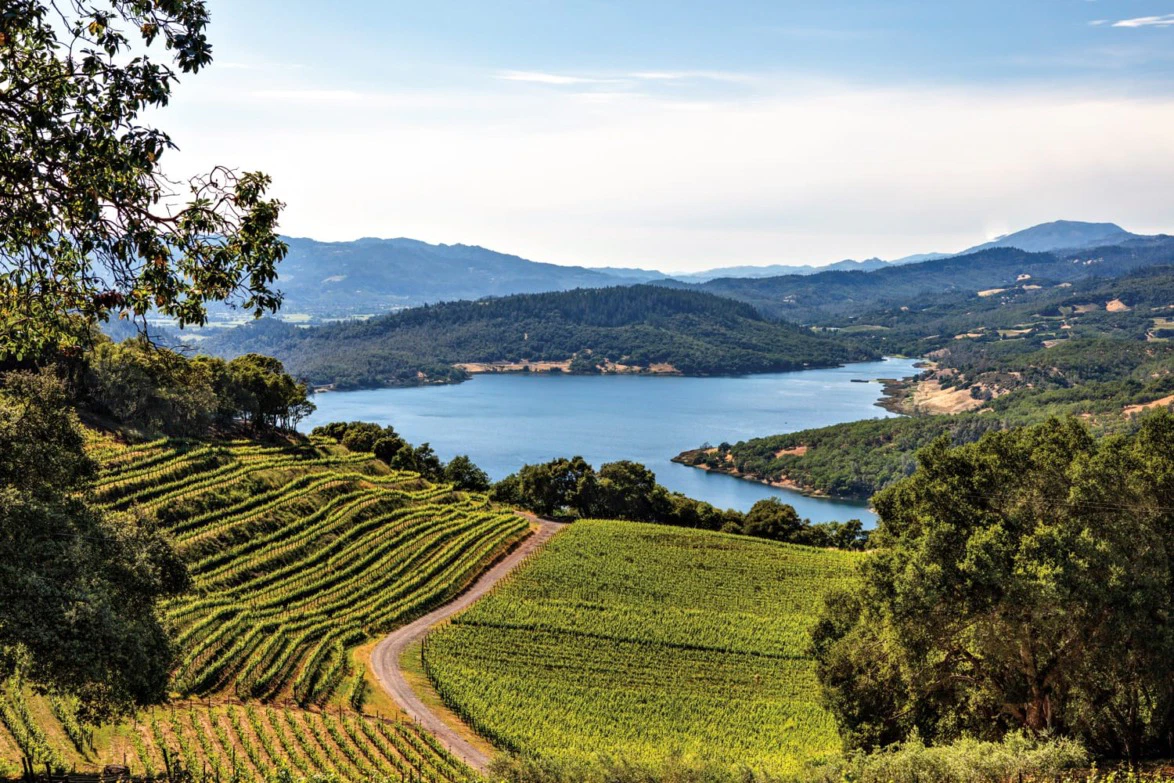
Napa Valley’s combination of world-class wine, agricultural land preservation, and Bay Area proximity creates an irreplicable investment environment
2026 Economic Outlook
- Post-pandemic remote work permanently shifting Bay Area professionals to wine country
- Wine tourism recovery driving STR demand back to and above 2019 levels
- Agricultural land protection laws strengthening as California tightens development rules
- Luxury hospitality expansion (new hotels and resorts) increasing tourism infrastructure and visitor numbers
- Sonoma County transit improvements reducing commute friction to Bay Area
Investment Climate
Napa and Sonoma present a bifurcated investment environment. The Napa Valley corridor from American Canyon through Calistoga is a genuine trophy market where STR income potential and appreciation drive returns rather than conventional rental yields. Sonoma County offers a broader range of strategies from value-add residential in Santa Rosa to luxury STR in Healdsburg to affordable buy-and-hold in Cloverdale.
- STR-first orientation in unincorporated Napa Valley and Sonoma wine country, where vacation rental income dramatically outperforms LTR scenarios
- Permit verification before purchase is non-negotiable given constantly evolving STR regulations across jurisdictions
- Wildfire underwriting is a core competency requirement, including insurance cost modeling and defensible space assessment
- Agricultural land premium means properties with vineyard views or rural settings command significant premiums that must be factored into appreciation modeling
- California tenant protection laws apply to long-term rentals, requiring landlord compliance with AB 1482 rent caps and just cause eviction rules for covered properties
Wine country real estate has historically demonstrated remarkable resilience to national market downturns. During the 2008 financial crisis, Napa Valley’s core corridor declined less than most California markets and recovered faster, driven by the inelastic demand from global wine tourism and the inability to build new competing inventory.
Historical Performance
| Period | Market Driver | Avg Annual Appreciation | Key Event |
|---|---|---|---|
| 2010-2014 | Wine tourism recovery, Bay Area tech boom spillover | 5-8% | Napa recognized globally as a culinary and hospitality destination |
| 2015-2019 | Bay Area wealth effect, Airbnb STR premium discovered | 8-12% | STR investors from Bay Area began systematically acquiring wine country properties |
| 2017-2018 | Wildfire disruption and recovery | -5% to +3% | Tubbs and Atlas fires destroyed homes; core Napa Valley recovered within 18 months |
| 2020-2022 | Remote work migration, lifestyle premium surge | 15-22% | Bay Area professionals relocated permanently; inventory hit historic lows |
| 2023-2024 | Rate adjustment, normalization | 2-5% | Volume slowed but price floor held due to severe inventory constraints |
| 2025-2026 | Rate stabilization, tourism recovery, STR premiums | 6-10% (projected) | STR income recovering, lifestyle migration continuing from Bay Area |
Napa Valley’s 20-year track record shows average annual appreciation of 7 to 9%, broadly consistent with San Francisco but with a dramatically different income profile when STR potential is included. A $700,000 Napa Valley property purchased in 2005 would be worth approximately $1.8 to $2.2 million today, representing one of the strongest long-term appreciation stories in California real estate.
Demand Drivers
- Global Wine Tourism – Napa Valley alone draws 3.5 million visitors annually, with Sonoma County adding another 2+ million. This creates structural STR demand that no amount of new supply can fully satisfy.
- Bay Area Remote Work Shift – Post-pandemic normalization of remote work has made wine country a viable primary residence for Bay Area professionals, permanently expanding the buyer pool.
- Agricultural Preservation Zoning – Napa County’s Williamson Act protections and ag-zoning restrictions prevent virtually all new residential development in the most desirable areas, creating a permanent supply constraint.
- Culinary and Hospitality Draw – The concentration of Michelin-starred restaurants, world-class spas, and luxury hotels (French Laundry, Meadowood, Auberge du Soleil) creates year-round draw beyond just wine tasting.
- Second-Home and Trophy Demand – High-net-worth buyers treat core Napa Valley properties as trophy assets, creating a price floor independent of conventional investment metrics.
- Climate Premium – Mediterranean climate with reliable summers is increasingly valued by buyers relocating from hotter inland or rainier northern markets.
📚 New to real estate investing? Master the fundamentals with our professional course Learn more →
2. Neighborhood Hotspots
Napa and Sonoma Investment Neighborhood Map
Interactive map of Napa and Sonoma investment areas. Green stars show top hotspots, blue circles mark established markets, and orange circles highlight emerging opportunities.
Core Investment Neighborhoods
Detailed Submarket Analysis: Napa and Sonoma
| Area | Price Range (SFH) | Cap Rate | Growth Drivers | Best Strategy |
|---|---|---|---|---|
| Yountville / Oakville | $1.5M-$5M+ | 8-14% STR | World-class dining, tasting rooms, ultra-limited supply | Premium STR, trophy hold |
| St. Helena | $1.8M-$6M+ | 9-14% STR | Prestige mid-valley location, limited supply, premium hospitality | Premium STR, long-term appreciation |
| Napa Downtown | $750K-$1.3M | 4.0-5.5% LTR | Oxbow District, walkability, Bay Area commuters | LTR buy-and-hold, value-add |
| Calistoga | $700K-$1.5M | 6-9% STR | Spa tourism, hot springs, lower entry than mid-valley | STR, wellness tourism focus |
| American Canyon | $550K-$800K | 5.0-6.5% LTR | Napa County affordability, workforce housing demand | Value-add, workforce LTR, best Napa County entry |
| Healdsburg | $1.2M-$4M+ | 7-12% STR | Luxury Sonoma wine country, Dry Creek and Alexander Valley access | Premium STR, trophy Sonoma acquisition |
| Sonoma Plaza / Town | $900K-$2M | 6-10% STR | Historic Mission, year-round events, Sonoma Valley wine access | STR, boutique LTR |
| Petaluma | $650K-$1.1M | 4.5-6.0% LTR | SMART rail, Victorian character, Bay Area spillover | LTR buy-and-hold, Victorian value-add |
| Santa Rosa | $550K-$1M | 5.0-7.0% LTR | Largest Sonoma city, diverse employment, SRJC rental demand | Multi-family, LTR, balanced returns |
| Cloverdale | $450K-$700K | 5.5-7.5% LTR | Most affordable Sonoma County, emerging wine trail, long runway | Best cash flow in the county, patient appreciation play |
Expert Insight: “The most compelling opportunity in wine country right now is the Calistoga to American Canyon corridor in south and north Napa. American Canyon offers Napa County addresses at prices 30 to 40% below mid-valley with strong workforce rental demand from the wine industry. Calistoga has the lowest entry of any permitting Napa Valley STR jurisdiction with year-round spa tourism demand that most investors overlook. Both are significantly undervalued relative to where they will trade in five years.” – Jennifer Lau, Principal, Napa Valley Investment Properties
3. Property Types
| Investment Goal | Best Property Type | Best Locations | Minimum Capital |
|---|---|---|---|
| Maximum STR Income | SFH or rural with pool and vineyard views | Yountville, St. Helena, Healdsburg | $400,000+ |
| Best LTR Cash Flow | Small multi-family or SFH in workforce areas | Petaluma, Cloverdale, American Canyon, Santa Rosa | $140,000+ |
| Balanced Returns | Value-add SFH near wine corridor | Napa city, Calistoga, Sonoma town, Windsor | $200,000+ |
| Lowest Maintenance | New townhome or condo with HOA | Napa city, Santa Rosa, Windsor | $120,000+ |
Don’t guess the costs. Our Complete Renovation & Remodeling Cost Guide covers 400+ pages of project-by-project breakdowns with real contractor pricing ranges.
4. Cost Analysis
Acquisition Cost Breakdown (Napa and Sonoma)
| Expense Item | Typical Cost | Example ($875,000 Property) | Notes |
|---|---|---|---|
| Down Payment | 25% (investment) | $218,750 | Standard for investment properties in California |
| Closing Costs | 2-3% of price | $17,500-$26,250 | Title, escrow, lender fees; California escrow costs run higher than national average |
| Wildfire Inspection and Hardening | $500-$3,000+ assessment; $5,000-$50,000+ hardening | Varies significantly by location | Properties in High or Very High Fire Hazard Severity Zones require defensible space compliance |
| Hazard Insurance (Annual) | $5,000-$20,000+/year | $8,000-$15,000 typical for rural/WUI properties | California’s wildfire insurance crisis has driven premiums 3 to 5x higher than 2018 levels for many properties |
| General Inspection | $500-$900 | $650 | Septic inspection mandatory for rural properties; well test required if on well water |
| STR Permit Application | $500-$2,500 | $1,000-$2,000 | If purchasing for STR; fees vary by jurisdiction and may require safety inspections |
| Initial Furnishing (STR) | $25,000-$80,000 | $40,000-$60,000 for wine country quality | Wine country STR guests expect premium furnishings and outdoor amenities; quality pays |
| Reserves (6 months) | 6 months expenses | $20,000-$35,000 | Larger reserves needed due to seasonal STR income variability |
| TOTAL MINIMUM ENTRY (STR) | ~32-38% of value | $280,000-$335,000 | Higher than average due to furnishing, insurance, and permit costs |
Sample Cash Flow Analysis: Napa City Single-Family (LTR) vs. STR
| Item | LTR Monthly | LTR Annual | STR Annual (Est.) |
|---|---|---|---|
| Gross Rental Income | $3,200 | $38,400 | $95,000 (STR at 70% occ.) |
| Less Vacancy / Platform Fees | -$160 | -$1,920 (5%) | -$9,500 (10% platform) |
| Property Taxes | -$730 | -$8,750 (~1% of $875K) | -$8,750 |
| Insurance (Wildfire-rated) | -$1,000 | -$12,000 | -$12,000 |
| Property Management | -$320 | -$3,840 (10%) | -$19,000 (20% STR mgmt) |
| Maintenance + CapEx + Supplies | -$320 | -$3,840 | -$9,500 (supplies, linens, cleaning) |
| Net Operating Income | $670 | $8,050 | $36,250 |
| Mortgage ($875K, 25% down, 6.75%, 30yr) | -$4,292 | -$51,504 | -$51,504 |
| CASH FLOW | -$3,622 | -$43,454 (LTR) | -$15,254 (STR) |
| Cap Rate | 0.92% (LTR) | 4.14% (STR) | |
| Total Return (8% appreciation) | ~19% total return | ~26% total return |
This comparison illustrates the dramatic income difference between LTR and STR for the same Napa property. The STR scenario shows $28,200 less negative carry annually ($2,350/month better cash flow), a dramatic improvement that justifies the additional operational complexity. For properties in the valley’s premium corridors with stronger STR rates, the STR scenario can actually achieve positive cash flow.
Expert Insight: “The insurance underwriting conversation is now as important as the financing conversation for Napa and Sonoma investors. We have seen properties that pencil beautifully on the financial model become unprofitable once realistic wildfire insurance costs are factored in. Before making an offer on any rural or hillside wine country property, get actual insurance quotes from at least three carriers. The FAIR Plan exists as a last resort but it is expensive and limited. This is a non-negotiable due diligence step.” – Marco Reyes, Real Estate Investment Advisor, North Bay Capital Advisors
5. Legal Framework
⚠️ Critical California and Local Compliance Notice
Napa and Sonoma investors navigate multiple overlapping regulatory frameworks: California state tenant protection laws, county STR regulations, city-level ordinances, and fire safety requirements that vary by zone. STR regulations in particular change frequently and differ significantly between Napa city, unincorporated Napa County, Sonoma city, unincorporated Sonoma County, and individual Sonoma cities. Always consult a California-licensed real estate attorney with specific Napa or Sonoma experience before acquiring any rental property, and verify current STR permit availability directly with the relevant planning department for any property you plan to operate as a vacation rental.
California State Laws Affecting Landlords
- AB 1482 (Tenant Protection Act): Caps annual rent increases at 5% plus local CPI (maximum 10% combined) for most residential properties 15+ years old. Applies to single-family homes not owned by individual landlords with proper notice. Requires just cause for eviction of tenants in place 12+ months.
- Just Cause Eviction: After 12 months of tenancy, landlords must have specific just cause to evict. Causes include non-payment, material lease violation, criminal activity, owner move-in, or demolition. No-cause evictions are prohibited for covered tenants.
- Security Deposit Limits (AB 12, 2024): Security deposits now capped at one month’s rent for unfurnished units (previously two months). This is a significant change affecting how investors protect against tenant damage.
- California Disclosure Requirements: Sellers and landlords must disclose natural hazard zones including fire hazard severity zones, flood zones, seismic zones, and prior natural disaster history. Non-disclosure carries significant liability.
- RUBS Limitations: Ratio utility billing systems for water and trash are regulated and subject to specific disclosure and billing requirements.
- Source of Income Protection: Landlords generally cannot refuse tenants based on legal source of income, including Section 8 vouchers.
STR Regulations by Jurisdiction
STR rules are the most complex and consequential regulatory issue for wine country investors. Key distinctions:
- Napa City: Permit required, capped total citywide STRs, owner-occupancy requirements in some zones. Contact Community Development at 707-257-9530 for current permit availability.
- Unincorporated Napa County: Historically more permissive but increasingly regulated. Agricultural land STR rules differ from residential. Permit required with annual renewal and transient occupancy tax registration.
- Sonoma County (Unincorporated): Permit required, good neighbor policy, annual renewal, TOT registration. Some fire-hazard zones have additional restrictions.
- Sonoma City: STR permit program with annual caps. Competitive permit availability varies year to year.
- Healdsburg, Petaluma, Santa Rosa: Each has distinct STR ordinances. Healdsburg is more permissive; Santa Rosa more restrictive.
- Cloverdale and Windsor: Currently among the most permissive jurisdictions in Sonoma County for STR permits.
Key STR Resources
- Napa County Planning: countyofnapa.org/planning
- Sonoma County Permit and Resource Management: sonomacounty.ca.gov/prmd
- Napa City Community Development: 707-257-9530
- California FAIR Plan (wildfire insurance): cfpnet.com
| Regulation | Napa / Sonoma Requirement | California State Baseline | Investor Impact |
|---|---|---|---|
| Eviction | Just cause required for covered tenants (12+ months) | AB 1482 statewide just cause requirement | Cannot remove established tenants without documented cause |
| Rent Increases | 5% + CPI (max 10%) for covered properties | AB 1482 statewide cap | Limits ability to raise rents significantly at renewal |
| Security Deposits | 1 month maximum (AB 12, 2024) | 1 month statewide (AB 12) | Significantly reduced protection against tenant damage |
| STR Operation | Permit required; caps vary by jurisdiction | Local jurisdiction authority | Must verify permit availability before purchase; caps create waitlists |
| TOT (Transient Occupancy Tax) | 12-14% in Napa; 9-12% in Sonoma jurisdictions | Locally set | Platforms collect and remit in most cases; verify registration requirement |
| Fire Safety | Defensible space, ember-resistant vents, fire-resistant landscaping required in HFHSZ | CAL FIRE standards statewide | Non-compliant properties face fines and insurance non-renewal |
6. Step-by-Step Napa and Sonoma Investment Playbook
Define Your Wine Country Strategy
Wine country is not one market. Before buying, define which of these strategies aligns with your capital, time, and involvement level:
Premium STR Play
Buy a well-located property with STR permit in the Napa Valley or Sonoma wine country corridor. Invest in premium furnishings and landscaping. Operate as a vacation rental targeting the wine tourism market. Accept active management requirements in exchange for superior income.
LTR Appreciation Play
Buy a well-located SFH or small multi-family in Napa city, Petaluma, or Santa Rosa. Rent to wine industry or Bay Area commuter tenants. Accept modest cash flow in exchange for long-term appreciation and a simpler management model than STR.
Value-Add Wine Country
Buy a dated property in an STR-eligible location. Renovate to wine country aesthetic standards (clean lines, local art, outdoor living focus). Dramatically improve both STR rates and property value. Refinance equity and repeat.
Affordable Sonoma Buy-and-Hold
Buy single-family or small multi-family in Cloverdale, Windsor, or Rohnert Park. Rent to long-term tenants at the best cap rates available in Sonoma County. Patient appreciation play with positive or near-positive cash flow.
Verify STR Permit Status Before Any Offer
For any property intended as a vacation rental, permit verification is not an optional step. It is the first step. Here is what to check:
- Identify the jurisdiction: Is the parcel in an incorporated city, unincorporated county, or a special district? Each has different rules.
- Contact the planning department directly: Ask specifically whether new STR permits are being issued, whether there is a waitlist, and whether the specific parcel is eligible (zoning, fire zone, and distance restrictions apply).
- Verify any existing permit transfers: In some jurisdictions, existing STR permits transfer with the property. In others they do not. This distinction can add or remove $100,000+ of investment value.
- Check for pending ordinance changes: Napa and Sonoma jurisdictions regularly revisit STR rules. Ask about any pending changes that could affect permitting after purchase.
- Review TOT registration requirements: Transient occupancy tax registration is separate from the STR permit in some jurisdictions and must be completed before operating.
Expert Tip: Never purchase a wine country property with STR income factored into your return model without a written confirmation from the relevant planning department that a permit is available or transferable for that specific parcel. Verbal assurances from sellers or agents are not sufficient. Multiple investors have purchased properties in Napa and Sonoma assuming STR operation was possible, only to discover the parcel was ineligible or on a multi-year waitlist.
Wine Country-Specific Due Diligence
Standard California due diligence items plus these wine country-critical checks:
Physical Due Diligence
- Fire Hazard Severity Zone verification (CAL FIRE map)
- Defensible space assessment by licensed contractor
- Septic inspection if not on municipal sewer (common in rural areas)
- Well water quality and flow rate test if on private well
- Roof condition and ember-resistance compliance
- Seismic assessment for properties near Napa fault zone
- Pool and outdoor structure permits if STR-relevant
- Insurance quotes from minimum three carriers before making an offer
Regulatory and Financial Due Diligence
- STR permit status and transferability (see Step 2)
- Existing TOT registration and compliance history
- AB 1482 applicability analysis for LTR properties
- Existing tenant lease terms, rent amounts, and dispute history
- Agricultural easements or Williamson Act contracts on rural parcels
- HOA rules if applicable, specifically any STR prohibitions
- Neighborhood notification requirements for STR operation
- Verify any unpermitted structures (very common in rural wine country)
Build Your Wine Country Team
Wine country investments require specialists, not generalists. Your non-negotiable team members:
- Wine Country Investment Agent: Must understand STR permit mechanics, agricultural zoning, fire zone implications, and how to evaluate vacation rental income potential. Interview by asking about their experience with STR-intended purchases specifically.
- California Real Estate Attorney: For entity structure, lease compliance with AB 1482, and STR regulatory guidance. Should have wine country familiarity.
- STR Management Company with Napa/Sonoma Experience: Local operators understand seasonal pricing, the wine tourism calendar, and the specific quality expectations of wine country guests. National platforms without local teams underperform significantly.
- Wildfire-Specialist Insurance Broker: Standard insurance brokers cannot navigate California’s current wildfire insurance market. Use a specialist who works regularly with Napa and Sonoma properties and has relationships with admitted carriers and surplus lines options.
- Local General Contractor: For renovation and fire hardening. Contractors experienced with wine country aesthetic and familiar with local permit offices are essential for timeline and cost management.
Optimize Your STR Operation
Wine country STR success is heavily dependent on positioning and management quality. Strategies that separate top performers from average operators:
Pricing and Positioning
- Invest in professional photography and drone footage showing vineyard views and outdoor spaces
- Use dynamic pricing tools (PriceLabs, Beyond) calibrated to Napa/Sonoma event calendars including harvest, Bottlerock, and Marathon de Napa
- Price higher than you think for peak season (September harvest and summer weekends); compete on reviews rather than discounting
- Offer curated local experience recommendations (tasting room partnerships, restaurant reservations)
- Invest in outdoor amenities: fire pit, hot tub, bocce court, wine bar setup. These amenities yield outsized rate premiums in the wine country market
Typical Napa/Sonoma STR Management Fees
- Full service STR management: 18-28% of gross revenue
- Hybrid model (owner handles bookings, manager handles operations): 12-18%
- Cleaning per turnover: $150-$350 depending on property size
- Linen services: $75-$200 per stay
- TOT remittance: typically handled through platform or manager
7. Financing Options for Napa and Sonoma
| Loan Type | Down Payment | Rate Premium | Best For | Wine Country Note |
|---|---|---|---|---|
| Conventional Investment | 25% | +0.5-0.75% | Strong W-2 income, good credit, LTR properties | Most Napa and Sonoma properties require jumbo loans above $806,500 |
| Jumbo Investment | 25-30% | +0.75-1.25% | $800K-$3M properties | Standard for most core Napa Valley and Healdsburg acquisitions |
| Second Home Loan | 10-20% | +0.25-0.5% | Properties used personally and rented | If you use the property 14+ days annually, second home financing is available at better rates than pure investment; STR income can be factored in lender permitting |
| DSCR (STR Income) | 25-30% | +1.5-2.5% | STR investors who want income-based qualification | Some DSCR lenders now use STR income projections from AirDNA or similar tools; wine country STR yields can qualify properties that LTR cap rates would not |
| Portfolio Loan | 20-30% | +1-2% | Self-employed investors, rural properties | Community banks in Napa and Sonoma (Exchange Bank, Westamerica) understand local markets and may lend on rural properties that national lenders decline |
| House Hacking (FHA) | 3.5% | Standard + MIP | Owner-occupying one unit of 2-4 unit property | Best entry point for investors in Santa Rosa, Napa city, or Petaluma; requires owner-occupancy for 1 year |
| Hard Money (Bridge) | 15-25% | 8-12% rate | Value-add acquisitions, fast competitive offers | Several Bay Area hard money lenders active in wine country; useful for renovation acquisitions where conventional appraisals undershoot renovation potential |
Wine Country Financing Reality: The second home loan structure is frequently the most attractive financing path for wine country investors who plan to use the property personally. If you use the property for personal enjoyment at least 14 days per year and also rent it out, second home financing is available at rates significantly better than pure investment financing, with lower down payment requirements. The property can still generate substantial STR income. Work with a mortgage broker experienced in this specific structure as qualification requirements are nuanced.
8. Frequently Asked Questions

Knowledge Quiz: Napa and Sonoma Real Estate Investment
Open Quiz
5 quick questions on what you just learned about Napa and Sonoma investing
1) What is the most critical due diligence step before buying a wine country property for STR purposes?
Answer: B
The guide emphasizes that STR permit verification must happen before making an offer and must be confirmed in writing from the relevant planning department. Verbal assurances from sellers or agents are not sufficient. Multiple investors have purchased wine country properties assuming STR was possible only to find the parcel ineligible or on a multi-year waitlist.
2) What does the guide identify as the primary supply constraint keeping Napa Valley property values supported long-term?
Answer: C
Napa County’s Williamson Act protections and agricultural zoning restrictions prevent virtually all new residential development in the most desirable areas. This structural supply constraint is the primary reason Napa Valley property has historically outperformed most California markets during downturns and appreciated strongly during growth periods.
3) According to the guide’s cash flow analysis, how much better is annual cash flow for an STR versus LTR on the same $875,000 Napa property?
Answer: D
The guide’s cash flow table shows the LTR scenario at -$43,454 annually and the STR scenario at -$15,254 annually for the same property, a difference of $28,200 per year (approximately $2,350 per month). This dramatic difference in carrying cost is why sophisticated wine country investors prioritize STR-eligible properties.
4) Which Sonoma County market does the guide recommend for the best long-term rental cash flow?
Answer: A
The guide identifies Cloverdale and Rohnert Park as offering the highest cap rates for LTR in Sonoma County, with entry prices 30 to 40% below the county median. Cloverdale in particular is called out as undervalued given emerging wine trail development. Both offer 5.5 to 7.5% LTR cap rates, significantly above county norms.
5) What does the guide say about California’s AB 12 security deposit law and its impact on wine country investors?
Answer: C
California’s AB 12 (effective 2024) capped security deposits at one month’s rent for unfurnished units, down from the previous two months. The guide flags this as a significant change that reduces how much protection landlords have against tenant damage, making thorough tenant screening even more important for California rental properties.
Work With a Local Expert in Napa and Sonoma
We are building a verified network of real estate professionals across every market we cover.

About Our Expert Network
We are finalizing partnerships with verified real estate professionals across every market featured on Builds and Buys. Each expert in our network is selected for their hands-on investment experience, local market knowledge, and commitment to helping buyers and investors make sound decisions.
Our local specialists offer:
- Proven experience with investment and income-producing properties
- Deep knowledge of local pricing, rental yields, and neighborhood dynamics
- Guidance on financing, legal structure, and due diligence
- Access to off-market and pre-market opportunities
- Full transaction support from search through closing
- Ongoing portfolio and property management referrals
Services Covered
- Property sourcing and acquisition
- STR permit guidance and strategy
- Buyer representation
- Market comparables and valuations
- Short-term and long-term rental strategy
- Value-add and renovation guidance
- Legal and title referrals
- Financing and lender connections
- Property management referrals
- Insurance and wildfire specialist referrals
- 1031 exchange coordination
- Exit strategy planning
Get Connected or Join Our Network
Looking for a local expert to help with your investment? Reach out and we will connect you with the right professional for your market and strategy.
Are you a real estate professional with a track record working with investors in Napa or Sonoma? We are always expanding our network of verified local experts.
Contact us at support@buildsandbuys.com
Find Specialized Napa and Sonoma Real Estate Professionals
Ready to Invest in Napa and Sonoma?
Napa and Sonoma are not easy markets. Wildfire insurance complexity, evolving STR regulations, California tenant protections, and high entry costs create meaningful barriers for unprepared investors. But for those who do the work, verify permit eligibility before purchasing, build the right local team, and understand whether their strategy is STR income, long-term appreciation, or balanced returns, wine country has consistently delivered some of the strongest total returns in California real estate. The combination of agricultural land preservation, global wine tourism, Bay Area proximity, and lifestyle premium creates a structural investment case that is genuinely unique on the North American continent.
Continue Your Research
California State Guide
See how Napa and Sonoma compare to Los Angeles, San Diego, Sacramento, and other California markets.
Step-by-Step Invest
Complete framework for building a real estate investment strategy from scratch.
144-Lesson Course
University-level real estate education covering financing, law, strategy, and management.
For further guidance, explore our State-by-State Investor guides, browse our expert articles, or follow our Step-by-Step Investment Guide.



