
💨 Kitchen Ventilation & Range Hood Installation Cost Guide 2026
Complete pricing for range hoods, ductwork, CFM requirements, and professional installation
💰 Range Hood Installation Cost Overview
Under-Cabinet
Wall-Mount
Island Hood
Installation Only
Professional Range Hood Installation Example
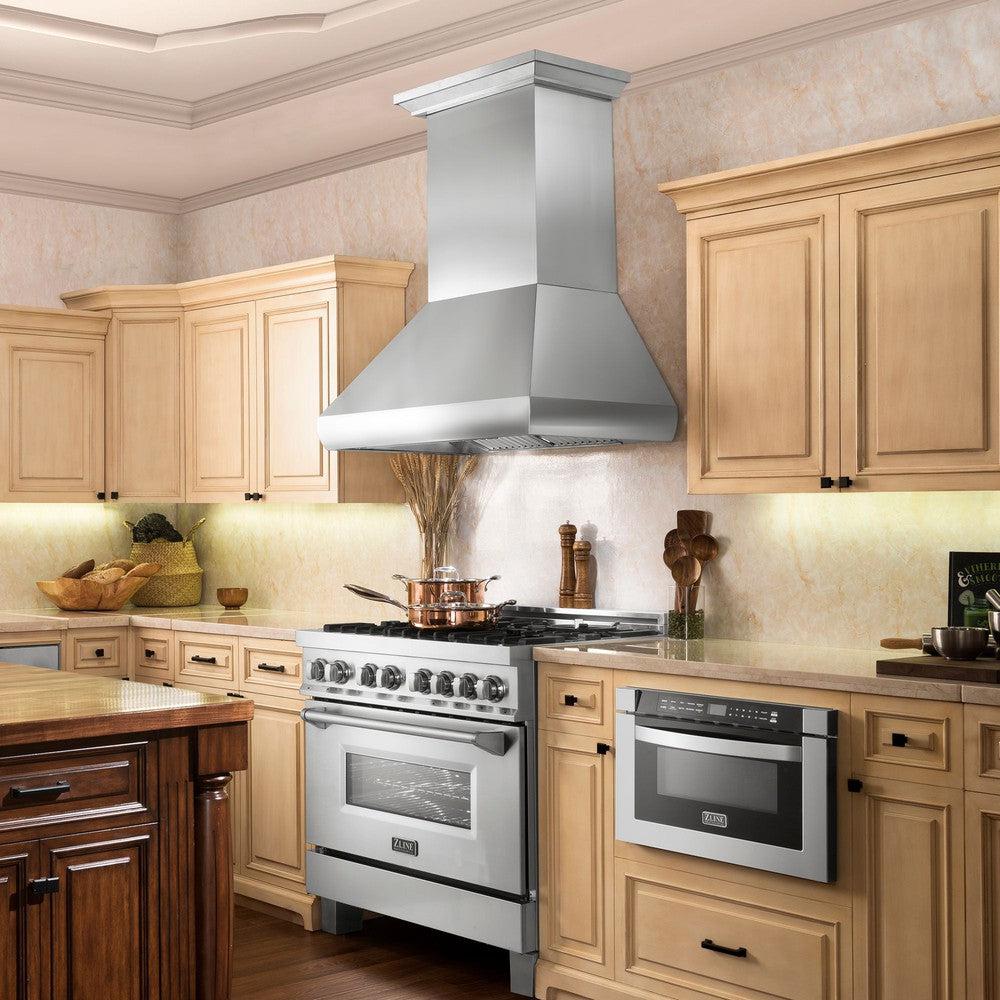
Range Hood Types and Total Installed Costs
Complete breakdown by hood style, features, and installation complexity
Kitchen Range Hood Options – Unit + Installation
| Hood Type | Unit Cost | Installation | Total Cost | Best For |
|---|---|---|---|---|
| Ductless/Recirculating | $100 – $300 | $150 – $300 | $250 – $600 | Apartments, no duct access |
| Under-Cabinet Ducted | $200 – $600 | $300 – $400 | $500 – $1,000 | Standard kitchens, existing ducts |
| Wall-Mount Chimney | $300 – $900 | $400 – $600 | $700 – $1,500 | No upper cabinets, style focus |
| Island Mount | $500 – $1,500 | $700 – $1,500 | $1,200 – $3,000 | Kitchen islands, statement piece |
| Cabinet Insert | $400 – $1,000 | $500 – $800 | $900 – $1,800 | Built-in look, custom cabinets |
| Downdraft System | $1,000 – $2,500 | $800 – $1,500 | $1,800 – $4,000 | Islands, minimalist design |
| Professional/Commercial | $1,500 – $5,000 | $1,000 – $2,500 | $2,500 – $7,500 | High-BTU ranges, serious cooks |
| Custom Designer Hood | $2,000 – $10,000 | $1,500 – $3,000 | $3,500 – $13,000 | Luxury kitchens, focal point |
CFM Requirements & Sizing Guide
Critical Sizing Formula
Gas Ranges: Total BTUs ÷ 100 = Minimum CFM needed
Electric Ranges: Range width (inches) × 10 = Minimum CFM
Kitchen Volume: (L × W × H) ÷ 4 = Additional CFM consideration
Always use the HIGHEST calculated number!
| Range Type/Size | BTU Output | Min CFM Required | Recommended CFM |
|---|---|---|---|
| 30″ Electric Range | N/A | 300 CFM | 400-600 CFM |
| 30″ Gas (4 burners) | 40,000 BTU | 400 CFM | 600-800 CFM |
| 36″ Gas (5 burners) | 50,000-60,000 BTU | 500-600 CFM | 700-900 CFM |
| 48″ Pro Range | 80,000-100,000 BTU | 800-1,000 CFM | 1,200-1,500 CFM |
| 60″ Commercial Style | 120,000+ BTU | 1,200+ CFM | 1,500-2,000 CFM |
| Wok Burner (single) | 25,000-35,000 BTU | +250-350 CFM | +400-500 CFM |
Installation Components & Labor Costs
Understanding what drives installation complexity and pricing
Installation Services Breakdown
| Service Component | Cost Range | Time Required | Notes |
|---|---|---|---|
| Basic Hood Installation | $300 – $500 | 2-3 hours | Existing outlet & ductwork |
| Electrical Work (New Circuit) | $250 – $500 | 2-4 hours | Dedicated 20-amp circuit |
| Ductwork (New Install) | $500 – $1,500 | 4-8 hours | Through wall or roof |
| Duct Modification | $200 – $600 | 2-3 hours | Resize or reroute existing |
| Roof Venting | $300 – $900 | 3-5 hours | More complex than wall |
| Make-up Air System | $300 – $1,200 | 4-6 hours | Required for 400+ CFM |
| Cabinet Modification | $200 – $500 | 2-3 hours | Cut for hood or duct |
| Old Hood Removal | $100 – $200 | 1 hour | Disposal included |
Ducting Requirements & Costs
Critical information for proper ventilation performance
| Duct Size | CFM Capacity | Material Cost/ft | Best Applications |
|---|---|---|---|
| 4″ Round | Up to 200 CFM | $8 – $15 | Small ductless conversions |
| 6″ Round | 200 – 400 CFM | $10 – $20 | Standard residential |
| 8″ Round | 400 – 600 CFM | $15 – $25 | Larger residential |
| 10″ Round | 600 – 1000 CFM | $20 – $35 | Professional ranges |
| 3.25″ x 10″ Rect | 200 – 300 CFM | $12 – $22 | Tight spaces |
| 3.25″ x 14″ Rect | 300 – 500 CFM | $15 – $28 | Between joists |
Ductwork Performance Factors
Length Impact
Add 1 CFM per foot
20 feet of duct = +20 CFM needed
Keep runs under 30 feet
Shorter = better performance
Elbow Penalties
Add 25 CFM per turn
Each 90° elbow restricts flow
Use 45° turns when possible
Maximum 3 elbows recommended
Termination Caps
Add 40 CFM for roof cap
Wall caps: Less restriction
Roof caps: More weatherproof
Must have backdraft damper
Hood Features & Upgrades
Modern features that impact cost and performance
Noise Levels (Sones)
1-3 sones: Ultra quiet ($$$)
4-6 sones: Normal conversation
7-10 sones: Noticeable but OK
10+ sones: Very loud
Remote blowers = quieter
Lighting Options
LED strips: +$100-300
Halogen spots: +$50-150
Color changing: +$200-400
Heat lamps: +$150-300
Dimmable recommended
Smart Features
Auto-sensing: +$200-500
App control: +$150-400
Voice activation: +$100-300
Filter alerts: +$50-150
Variable speed standard
Real Estate Investment Analysis
Strategic ventilation choices for different property types
Single-Family Rental
Best Option: Basic ducted under-cabinet
Target: $500-800 total
CFM: 300-400 adequate
Skip: Smart features, designer looks
ROI: Required for code, no rent premium
Fix & Flip
Sweet Spot: Stainless chimney style
Budget: $700-1,200
Focus: Visual impact + proper CFM
Worth it: LED lighting, quiet operation
Impact: Kitchen feels complete
Short-Term Rental
Go Big: Statement hood matters
Budget: $1,500-3,000
Features: Ultra-quiet, great lighting
Style: Match high-end appliances
Benefit: Prevents smoke complaints
Money-Saving Strategies
Smart ways to reduce costs without sacrificing performance
Ductless If Possible
Save $500-1,500 on ductwork. Modern charcoal filters work well for light cooking. Replace filters every 3-6 months ($20-40 each).
Right-Size Your CFM
Don’t overbuy – 600 CFM handles most home cooking. Higher CFM = more noise, higher cost, makeup air requirements.
Keep Existing Ductwork
If current duct is 6″+8″, it likely works for new hood. Cleaning existing ducts ($150) beats new installation ($500-1,500).
Use Existing Electric
Most hoods run on standard outlet. Only high-CFM models need dedicated circuit. Saves $250-500 on electrical work.
Buy During Sales
Black Friday/Memorial Day = 30-50% off. Buy hood only, install later. Restaurant supply stores have deals on pro models.
Convertible Models
Ducted/ductless convertible gives flexibility. Start ductless, add ducting later during renovation. Same hood, staged investment.
Building Codes & Requirements
Critical compliance information for legal installation
Code Requirements by Range Type
| Requirement | Gas Ranges | Electric Ranges | Notes |
|---|---|---|---|
| Ventilation Required? | YES – Most codes | Recommended only | Check local codes |
| Minimum CFM | 100 CFM or BTU÷100 | 100 CFM if required | Whichever is higher |
| Duct Material | Smooth metal only | Smooth metal only | No flex duct allowed |
| Duct Termination | Outside only | Outside only | Never into attic |
| Make-up Air | 400+ CFM | 400+ CFM | Prevents backdraft |
| Height Above Cooktop | 24″-30″ | 24″-30″ | Check manufacturer |
Permit Requirements
Usually need permits for: New electrical circuits, ductwork through walls/roof, make-up air systems
Permit costs: $50-250 depending on scope
Inspection required: Electrical and mechanical finals
Frequently Asked Questions
Expert answers about range hood selection and installation
💨 Ready to Install Your Range Hood?
Connect with qualified HVAC contractors and kitchen specialists for professional installation

Knowledge Quiz: Kitchen Ventilation Range Hood Installation Cost Guide
Open Quiz
5 quick questions - see how much you learned!
1) How do you calculate the minimum CFM required for a gas range?
Answer: B
The "CFM Requirements & Sizing Guide" section states the critical formula: "Gas Ranges: Total BTUs ÷ 100 = Minimum CFM needed."
2) Why do island range hoods cost significantly more to install than wall-mount hoods?
Answer: C
The FAQ section explains: "Island hoods require: (1) Running ductwork through the ceiling (complex), (2) Structural support from ceiling/attic, (3) Longer duct runs reducing efficiency... Labor alone is often $1,000+ vs $300 for wall-mount."
3) At what CFM rating is make-up air typically required by building code?
Answer: A
The FAQ section states: "Make-up air replaces air exhausted by your range hood, required by code for hoods over 400 CFM."
4) What is the typical total installed cost range for a wall-mount chimney range hood?
Answer: B
The "Kitchen Range Hood Options – Unit + Installation" table shows "Wall-Mount Chimney" with a "Total Cost" of $700 – $1,500.
5) How much CFM do you add per 90-degree elbow in your ductwork?
Answer: C
The "Ductwork Performance Factors" section states under "Elbow Penalties": "Add 25 CFM per turn - Each 90° elbow restricts flow."
🍳 More Kitchen Renovation Guides
Explore our complete kitchen renovation library
View All Kitchen Guides (25) ▼
🗄️ Cabinets & Storage
🪨 Surfaces & Finishes
🔌 Appliances
🚿 Plumbing & Fixtures
💡 Lighting & Electrical
Last updated: Jan 2026
Sources: International Residential Code 2026, ASHRAE ventilation standards, manufacturer specifications, contractor surveys, Builds and Buys research team



