Fallon Real Estate Investment Guide For 2026
A comprehensive resource for investors targeting Nevada’s premier military market, where NAS Fallon’s Top Gun school anchors federal employment that never cycles with commodity prices, Basic Allowance for Housing sets a guaranteed rent floor, and an agricultural valley 60 miles from Reno delivers some of the most predictable rental returns in the state
Quick answers: Top 5 most searched Fallon investment questions ▼
Migration data: Where people are moving from to Fallon ▼
In This Guide
Click on any section to navigate directly to that content
1. Fallon Market Overview
Market Fundamentals
Fallon sits in Churchill County’s Lahontan Valley, 60 miles east of Reno on US Highway 50, and it occupies a position in the Nevada investment landscape that no other community in this series can match: a market anchored by the United States federal government’s military apparatus rather than commodity prices, private industry cycles, or real estate sentiment. Naval Air Station Fallon is home to the Naval Strike and Air Warfare Center, the training program commonly known as Top Gun, and it represents one of the most strategically irreplaceable installations in the US military’s infrastructure.
Key fundamentals defining Fallon’s investment case:
- Primary Employer: Naval Air Station Fallon, approximately 4,500 military and civilian personnel
- Military Training: Home of the Strike Fighter Tactics Instructor Program (Top Gun) and the Naval Strike and Air Warfare Center
- BAH System: Basic Allowance for Housing guarantees military tenants have housing funds regardless of personal financial circumstances
- Agriculture: Lahontan Valley is the United States’ premier cantaloupe-producing region, with significant alfalfa and dairy operations fed by Lahontan Reservoir water rights
- Reno Access: 60 miles west on US-50, enabling a commuter population and broader economic connection
- Stability: Federal employment eliminates commodity cycle risk entirely
Fallon’s investment thesis is fundamentally different from every other market in this series. You are not betting on gold prices, logistics growth, or California migration. You are betting on the permanence of the US Navy’s commitment to one of its most strategically essential training installations, and on the agricultural valley economy that has sustained the community for over a century independent of any single industry cycle.
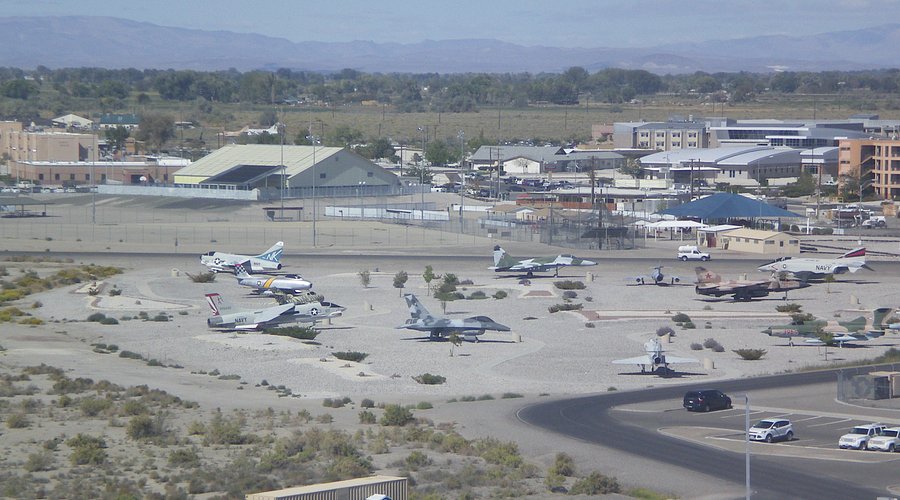
Fallon’s Lahontan Valley combines Top Gun’s NAS Fallon military anchor with Nevada’s premier agricultural economy for the most stable rental market in rural northern Nevada
2026 Economic Outlook
- NAS Fallon continued investment in training capabilities and infrastructure
- BAH rate adjustments maintaining pace with local rental market
- Agricultural economy stable with Lahontan water rights supporting production
- Reno’s growth increasing commuter demand for Fallon affordability
- Churchill County government investment in community infrastructure
The BAH Advantage: Understanding Military Housing Allowances
Basic Allowance for Housing (BAH) is the central mechanism that makes Fallon’s rental market uniquely predictable, and most civilian investors do not fully understand how it works:
- How BAH is calculated: The Department of Defense surveys local rental markets annually and sets BAH rates designed to cover median local rent at each military pay grade. In Fallon, BAH for a married E-5 (petty officer) with dependents is set to cover a 3-bedroom home at market rates.
- How military tenants pay rent: BAH is paid directly to the servicemember as part of their paycheck. They use that money to pay rent. Unlike civilian tenants whose income can drop due to layoffs or business setbacks, a servicemember’s BAH continues as long as they are in the military, period.
- BAH rate implications: Because BAH is set based on actual local market rents, it provides both a price floor and a feedback mechanism. When local rents rise, BAH rates eventually adjust upward. Military tenants can always afford the local market because the government explicitly funds their ability to do so.
- The practical result for investors: Military tenants in Fallon have essentially guaranteed income for their housing. They rarely miss rent. They maintain properties reasonably well because military culture emphasizes orderliness. And they leave voluntarily at predictable points (end of tour, typically 2 to 3 years) rather than being evicted, making tenant transitions manageable rather than disruptive.
Historical Performance
| Period | Market Driver | Avg Annual Appreciation | Key Event |
|---|---|---|---|
| 2010-2014 | Military stability during national housing downturn | 3-5% | Fallon outperforms comparable non-military rural markets during recession |
| 2015-2018 | Steady NAS Fallon operations, BAH adjustments | 4-6% | Consistent appreciation while Elko and Winnemucca decline with gold prices |
| 2019-2022 | Military expansion, Reno growth, pandemic stability | 7-12% | NAS Fallon investment increases, Reno overflow begins affecting Fallon |
| 2023-2024 | Rate normalization, stable military demand | 4-7% | Market stabilizes with consistent military tenant demand floor |
| 2025-2026 | Continued NAS Fallon operations, Reno overflow | 5-8% (projected) | BAH adjustments supporting rent growth, agricultural valley stability |
Fallon’s most notable historical characteristic is what does not happen: it does not crash during commodity downturns because its economy is not tied to commodities. During the 2015 to 2018 gold price decline that hurt Elko and Winnemucca, Fallon’s rental market and property values continued their steady upward trajectory. The military keeps flying, the farmers keep growing melons, and the rental demand stays consistent. That consistency commands a premium in the investor community once they understand it.
Demographic Trends Driving Demand
- NAS Fallon Permanent Party – Sailors and officers assigned for 2 to 3 year tours represent the core rental tenant pool. They arrive needing housing quickly, leave on predictable schedules, and pay reliably via BAH throughout their tour.
- Civilian Defense Workers – NAS Fallon’s civilian workforce of contractors and government employees represents a permanent, stable tenant population that does not rotate on military tour schedules. These tenants often become long-term Fallon residents and buyers.
- Agricultural Community – Multi-generational farming families and agricultural workers in the Lahontan Valley represent the deepest-rooted community sector, with housing demand independent of any military or economic cycle.
- Reno Commuter Growth – As Reno’s housing costs rise, Fallon’s 60-mile US-50 corridor increasingly draws workers who choose a rural lifestyle and Nevada affordability over Reno’s urban premium. Remote work has accelerated this trend.
- Military Veterans Returning – Officers and enlisted personnel who were stationed at NAS Fallon earlier in their careers frequently return to retire here, having developed community ties during their active duty tour. This creates a base of veteran owner-occupants and occasionally long-term renters.
📚 New to real estate investing? Master the fundamentals with our professional course Learn more →
2. Neighborhood Hotspots
Fallon Investment Neighborhood Map
Interactive map of Fallon’s investment neighborhoods relative to NAS Fallon. Green stars show top hotspots, blue circles mark established markets, and orange circles highlight emerging areas.
Core Investment Neighborhoods
Detailed Submarket Analysis
| Area | Price Range | Cap Rate | Primary Tenant | Best Strategy |
|---|---|---|---|---|
| Central Fallon | $270K-$330K | 7.5-8.5% | Military + civilian mix | Balanced hold, diverse demand |
| South / Newer Subdivisions | $290K-$370K | 7.0-8.0% | Officers, civilian professionals | Quality officer hold, passive investors |
| East / Base Access | $255K-$305K | 8.0-9.5% | Enlisted military, base proximity focus | Maximum cash flow, enlisted hold |
| North / Agricultural Buffer | $260K-$320K | 7.5-9.0% | Families, agricultural community | Long-term family rental |
| West Established | $265K-$320K | 7.5-8.5% | Families, healthcare, government | Stable family hold |
| Rural Lahontan Valley | $280K-$420K | 6.5-8.0% | Agricultural, rural lifestyle seekers | Acreage hold, water rights value |
Expert Insight: “The thing that most investors miss about Fallon is the BAH rate’s role as a government-guaranteed market rent. The DoD surveys the local market, determines what rent costs, and then pays military families exactly that amount. When I have a military tenant, I essentially have the federal government co-signing the lease. They get a paycheck from Uncle Sam with a housing line item on it. That money goes to my mortgage. In twenty years of investing I have never had a military tenant miss rent in Fallon. Not once.” – Long-term Fallon property owner with NAS Fallon focus
3. Property Types
| Investment Goal | Best Property Type | Best Area | Minimum Capital |
|---|---|---|---|
| Most Stable Income | Military-optimized 3BR SFH | Central Fallon, South Fallon | $75,000+ |
| Maximum Cash Flow | Value-add or East Fallon SFH | East Fallon, Central older stock | $68,000+ |
| Best Tenant Quality | Newer South Fallon SFH targeting officers | South Fallon subdivisions | $80,000+ |
| Most Unique Income Stream | TDY military furnished rental | Near base access route | $75,000+ plus furnishing |
Don’t guess the costs. Our Complete Renovation & Remodeling Cost Guide covers 400+ pages of project-by-project breakdowns with real contractor pricing ranges.
4. Cost Analysis
Acquisition Cost Breakdown (Fallon)
| Expense Item | Typical Cost | Example ($295,000 Property) | Notes |
|---|---|---|---|
| Down Payment | 25% | $73,750 | Standard for investment property conventional financing |
| Closing Costs | 2-3% | $5,900-$8,850 | Nevada closing costs. Fallon title companies experienced with rural and military transactions. |
| General Inspection | $350-$500 | $400 | HVAC critical. Desert heat and cold nights require reliable systems. Military tenants expect functioning HVAC. |
| Military-Specific Upgrades | $3,000-$8,000 | $5,000 | Fencing, storage, minor updates to make property BAH-tier competitive. Optional but high ROI. |
| Initial Repairs | 0-6% | $0-$17,700 | Older homes typically need HVAC, paint, or flooring to compete for military tenants |
| Reserves (6 months) | 6 months expenses | $7,500-$10,000 | HVAC and desert climate maintenance the primary reserve concern. Military tenants reduce default risk significantly. |
| TOTAL MINIMUM ENTRY | ~28-32% of value | $92,550-$120,700 | Comparable to Elko entry; better risk profile due to military stability |
Sample Cash Flow Analysis: Central Fallon 3-Bedroom SFH (Military Tenant)
| Item | Monthly | Annual | Notes |
|---|---|---|---|
| Gross Rent | $1,475 | $17,700 | 3BR, Central Fallon, NAS Fallon military tenant, BAH-aligned rent |
| Less Vacancy (3%) | -$44 | -$531 | Very low. Military tenant transitions are predictable and properties re-let quickly to incoming personnel. |
| Property Taxes | -$221 | -$2,655 | ~0.9% of $295K. Churchill County rate. |
| Insurance | -$105 | -$1,260 | Nevada rates moderate. Military tenants typically carry renters insurance, reducing landlord liability risk. |
| Property Management (9%) | -$133 | -$1,593 | Fallon has property management options experienced with military tenants. |
| Maintenance + CapEx (8%) | -$118 | -$1,416 | Military tenants typically maintain properties well. Lower CapEx risk than typical rental demographic. |
| Net Operating Income | $854 | $10,245 | Before mortgage. Strong NOI relative to purchase price. |
| Mortgage ($295K, 25% down, 6.75%, 30yr) | -$572 | -$6,864 | P&I on $221,250 loan |
| MONTHLY CASH FLOW | +$282 | +$3,381 | Positive cash flow with military-grade payment reliability |
| Cap Rate | 3.47% | NOI / Purchase Price | |
| Cash-on-Cash Return | 4.6% | Annual cash flow / ~$73,750 down payment | |
| Total Return (6% appreciation) | ~30% | Including equity, appreciation, principal paydown, cash flow on ~$74K invested |
Fallon’s cash flow numbers sit between Elko ($273/month) and Winnemucca ($282/month) on the dollar level but come with meaningfully lower risk. The 3% vacancy assumption reflects the predictability of military tenant transitions and the speed at which incoming personnel fill vacancies. The 8% maintenance assumption reflects military tenants’ tendency to maintain properties better than average civilian tenants. The combination produces a total risk-adjusted return that experienced investors often find more compelling than the higher absolute yields of Elko or Winnemucca.
Expert Insight: “When people ask me how I sleep at night with properties 60 miles from Reno, I tell them I sleep fine because a Lieutenant Commander at Top Gun school is making my mortgage payment out of a federal housing allotment. The DoD calculated exactly what rent should cost in Fallon, set his housing allowance to match, and he is contractually obligated to report to NAS Fallon for another 18 months. That is not a tenant, that is a government-backed income annuity on a real estate asset that appreciates. I’ll take that all day.” – Veteran Fallon investor with 12 units near NAS Fallon
5. Legal Framework
✅ Nevada’s Landlord-Friendly Environment Plus Military-Specific Federal Protections
Fallon operates under Nevada state landlord-tenant law with Churchill County administrative requirements. No local rent control, no additional tenant protections, and no city-specific compliance requirements. Additionally, military landlords must understand and comply with the Servicemembers Civil Relief Act (SCRA), a federal law that provides specific protections to active-duty military tenants. Understanding SCRA is essential and actually works in landlords’ favor in many scenarios.
Nevada State Law Key Points
- Summary Eviction: 7-day notice for non-payment. File with Churchill County Justice Court. Uncontested cases resolve in 3 to 4 weeks. Note: SCRA may affect eviction of active military tenants (see right column).
- No Rent Control: Nevada preempts all local rent control. Churchill County has none. Full rent adjustment flexibility.
- Rent Increase Notice: 45 days written notice for periodic tenancies.
- Security Deposit: Maximum 3 months’ rent. Return within 30 days with itemized statement.
- No Just Cause Required: 30-day notice sufficient to end month-to-month tenancy.
- No State Income Tax: Nevada’s full advantage applies.
Servicemembers Civil Relief Act (SCRA)
The SCRA is federal law providing specific protections to active military tenants. Landlords renting to military personnel in Fallon must understand these provisions:
- Early lease termination: A servicemember may terminate a lease early if they receive deployment orders or a permanent change of station (PCS) orders to a new duty location. They must provide written notice and a copy of the orders. Termination takes effect 30 days after the next rent payment due date.
- Rate cap: For obligations entered before entering active duty, SCRA caps interest at 6%. This applies to debts, not to rent agreements entered during active service.
- Eviction protection: SCRA does not prevent eviction for non-payment, but courts must take military service into account and can stay proceedings if military service materially affects the case.
- Practical impact for landlords: The early termination right is the most relevant provision. Build it into your vacancy planning. Military tenants in Fallon typically receive 30 to 60 days notice of PCS orders, giving you reasonable time to begin finding a replacement tenant.
Useful Fallon Resources
- City of Fallon: fallonnevada.gov
- Churchill County: churchillcounty.org
- NAS Fallon Housing Office: Direct contact for military tenant connections
- SCRA info: servicemembers.gov
| Regulation | Nevada / Fallon | California Comparison | Investor Impact |
|---|---|---|---|
| Eviction Timeline | 7-day notice, 3-4 weeks uncontested | 60-120+ days minimum | Much faster, though SCRA applies for active duty military |
| SCRA Early Termination | Federal law allows 30-day notice with PCS orders | Same federal law applies | Plan for predictable transitions; rarely catches landlords off guard if understood |
| Rent Control | None statewide or locally | AB 1482 plus many local ordinances | Full rent flexibility; BAH adjustments track local market |
| BAH Guarantee | Federal housing allowance covers local market rent | No equivalent mechanism | Military tenants have government-backed income for housing; default risk essentially zero |
| State Income Tax | None | Up to 13.3% | All positive cash flow taxed at federal level only |
6. Step-by-Step Fallon Investment Playbook
Define Your Fallon Strategy
Fallon offers several distinct approaches based on which military and civilian tenant segment you target:
BAH-Aligned Military Hold
Buy 3BR SFH in Central Fallon or near base access. Target families of active duty personnel. Match your rental to the BAH rate for the primary NAS Fallon rank bracket. Lowest risk, most predictable, ideal for stability-focused investors.
Officer Premium Hold
Buy newer South Fallon construction. Target officers (O-3 through O-5) who receive higher BAH rates and expect higher-quality housing. Lowest turnover and maintenance in the market. Best strategy for passive remote investors.
TDY/Top Gun Furnished
Buy quality Central or South Fallon home. Furnish to corporate standard. Market to TDY military personnel including Top Gun students on 6 to 8 week training rotations. Premium monthly income with consistent institutional demand from the Navy.
Value-Add BAH Positioning
Buy dated Fallon homes that do not currently attract military tenants. Renovate to meet military family preferences (fencing, storage, updated systems). After renovation, market directly to NAS Fallon housing referral network for BAH-paying tenants.
Build Your Fallon Team with Military Market Knowledge
Fallon’s military market requires team members who understand both Nevada real estate and military tenant dynamics:
- Fallon-Based Property Manager with Military Experience: Essential. Your manager must understand BAH tiers, SCRA early termination procedures, and how to market effectively to incoming NAS Fallon personnel. Ask specifically: do you have a relationship with the NAS Fallon housing office? That relationship is worth more than any other single factor in keeping your properties occupied.
- NAS Fallon Housing Office Relationship: The NAS Fallon housing office maintains a referral list of off-base civilian rental properties for incoming personnel who cannot be accommodated in on-base housing. Getting your property on that referral list is the most effective marketing channel in Fallon. Your manager should have this connection, or you should establish it yourself before purchase.
- Fallon Real Estate Agent with Military Transaction Experience: Must understand BAH tier alignment, military family preferences, and how to price for the military tenant demographic. Ask how many of their recent investment transactions involved military buyers or tenants.
- SCRA-Familiar Real Estate Attorney: For lease agreement review. Your standard Nevada lease form should be adapted to address SCRA provisions clearly, including the early termination notice process. A one-time attorney review of your lease template saves complications later.
- Military-Familiar General Contractor: For value-add projects, understand what military families value in home improvements. A contractor who knows that a fenced yard is worth $4,000 in rent premium but an elaborate master bath renovation is not will save you renovation dollars.
Fallon-Specific Due Diligence
Physical Due Diligence
- HVAC inspection essential. Hot desert summers and cold nights mean both cooling and heating systems must work reliably. Military tenants will request repairs promptly.
- Fencing condition and completeness. Military families with children and pets prioritize this. A complete fence adds rental value immediately.
- Electrical capacity. Older Fallon homes sometimes need panel upgrades to handle modern appliances.
- Water heater age and condition. Hard desert water accelerates water heater wear.
- Roof condition. Desert UV exposure and occasional hail events affect roofing longevity.
- Storage and garage condition. Military families accumulate equipment and vehicles. Functional storage is a significant selling point.
Military Market Due Diligence
- Current BAH rates for NAS Fallon by pay grade and dependent status. Look up the DoD BAH calculator for the property’s zip code to understand your target rent ceiling.
- NAS Fallon base housing availability and wait times. If base housing is nearly always full, civilian rental demand is stronger. If base housing has vacancies, civilian demand may be softer.
- Current NAS Fallon tenant force size and any known changes to military population.
- Proximity to main gate and commute time to NAS Fallon. Military tenants prioritize this more than most civilian tenants.
- School district assignment. Military families with school-age children research schools carefully before committing to off-base housing locations.
- Rental comparable verification from local management. Military BAH rates set the ceiling; verify actual market rates are at or below that ceiling.
Marketing to Military Tenants Effectively
Military tenant acquisition in Fallon follows channels and criteria that differ from civilian markets:
- NAS Fallon housing office referral list: The single most effective channel. Incoming personnel are directed to this list immediately upon receiving orders to NAS Fallon. Contact the housing office directly to understand requirements for inclusion. This is free, direct, and reaches exactly the right population.
- Military-specific listing platforms: Sites like MilitaryByOwner.com, Homes for Heroes, and related platforms specifically serve military families searching for rental housing. Listing on these alongside standard platforms reaches a broader military audience.
- BAH-aligned pricing: Price your 3-bedroom rental to match or be slightly below BAH for an E-5 or E-6 with dependents. Military tenants are trained to seek housing at or below their BAH rate so they pocket the difference. Properties priced above BAH get passed over for those at or below the allotment.
- PCS season awareness: Military PCS (Permanent Change of Station) moves concentrate around June and July when the school year ends and families prefer to move. Market aggressively in April and May for summer move-in. Properties listed in the spring get the strongest military family applicant pool.
- Pet-friendly policy: Military families have high pet ownership rates. A pet-friendly policy with appropriate deposits opens your property to a dramatically larger military tenant pool. The premium for pet-friendly in a military market can be $50 to $100 per month.
7. Financing Options for Fallon
| Loan Type | Down Payment | Rate Premium | Best For | Fallon Note |
|---|---|---|---|---|
| Conventional Investment | 25% | +0.5-0.75% | W-2 income, good credit | All Fallon properties within conforming limits. Standard and cleanest product for most investors. |
| DSCR Loan | 20-25% | +1.0-2.0% | Self-employed, multiple properties | Fallon’s 7 to 9% cap rates qualify reliably. Better than Carson Valley markets, comparable to Elko. |
| VA Loan (for qualifying investors) | 0% | Below market | Veterans and active duty investors buying primary residence | VA loans for investment only work if you house-hack or convert primary. Common for veterans relocating to Fallon who plan to convert to rental after initial occupancy. |
| Portfolio Loan | 20-30% | +1-2% | Multiple Fallon properties, blanket financing | Local Nevada lenders familiar with military market dynamics. Good for building a Fallon portfolio. |
| Hard Money (Bridge) | 15-25% | 9-13% | Value-add BRRRR acquisitions | Reno-based hard money lenders active at 60-mile distance. BRRRR works given sub-$300K entry prices. |
| Owner-Occupied then Convert | 5-10% | Standard rate | Investors moving to Fallon or working at NAS Fallon | Very common path for veterans, defense contractors, and civilian NAS workers who move to Fallon and buy a home that becomes a rental when they relocate. |
Fallon Financing Reality: Fallon’s financing landscape is straightforward relative to the rest of the Nevada series. Properties are well within conforming loan limits, cap rates support DSCR qualification, and the military market’s predictable income makes lenders comfortable with the market. One unique consideration: veteran investors using VA entitlement can purchase a Fallon home as a primary residence at zero down, live in it for a year, then convert to a rental while buying their next primary elsewhere. This is the lowest-capital entry path available and has been used effectively by veterans who understand the entitlement rules.
8. Frequently Asked Questions

Knowledge Quiz: Fallon Real Estate Investment
Open Quiz
5 quick questions on what you just learned about Fallon investing
1) What makes NAS Fallon’s Top Gun program particularly significant for Fallon real estate investors?
Answer: C
The guide explains that NAS Fallon controls the Fallon Range Training Complex, approximately 12,000 square miles of restricted airspace that constitutes the largest contiguous military airspace in the United States. This airspace cannot be replicated elsewhere and is the reason NAS Fallon cannot be closed without catastrophic impact to Navy tactical training. The guide states NAS Fallon has not appeared on any BRAC closure list for its primary training mission and that the Navy has consistently made capital investments in the installation’s capabilities.
2) How does the BAH system create a “government-guaranteed” rent floor for Fallon landlords?
Answer: A
The guide’s market overview section explains the BAH mechanism in detail: the DoD surveys local rental markets annually, sets BAH rates designed to cover median local rent at each pay grade, pays that amount directly to the servicemember as part of their paycheck, and the servicemember uses it to pay rent. Unlike civilian tenants who can lose their income through layoffs or business failures, a servicemember’s BAH continues for as long as they serve in the military. The guide quotes a veteran Fallon investor describing military tenants as “a government-backed income annuity.”
3) What does the SCRA early termination provision require from military tenants who need to break their lease in Fallon?
Answer: D
The guide’s legal framework section explains the SCRA early termination process specifically: the tenant provides written notice plus a copy of their PCS or deployment orders, and termination takes effect 30 days after the next rent payment due date following notice delivery. The guide notes landlords always receive at least 30 days additional rent after notice and that the process is defined and predictable rather than arbitrary. The guide also notes that experienced Fallon landlords report this is manageable because military transitions are predictable and incoming personnel fill vacancies quickly.
4) Why does the guide recommend pricing Fallon military rentals slightly below the applicable BAH rate rather than at it?
Answer: B
The guide’s BAH pricing section explains that because BAH is paid directly to the servicemember, they effectively earn the difference between their BAH and their actual rent as additional monthly income. A property priced $50 to $100 below the applicable BAH rate is highly attractive because the tenant benefits financially. The guide states properties priced at or just below BAH for E-5 or E-6 with dependents typically rent fastest. Properties above BAH get passed over for properties at or below the allotment level.
5) According to the guide, what is the most important marketing channel for renting to NAS Fallon military tenants?
Answer: C
The guide’s marketing section identifies the NAS Fallon housing office referral list as “the single most effective channel” for military tenant acquisition. The guide explains that incoming personnel are directed to this list immediately upon receiving orders to NAS Fallon. Getting a property on this referral list is free, direct, and reaches exactly the right population at the moment they are actively seeking housing. The guide instructs investors to contact the housing office directly and notes that a property manager with an existing housing office relationship is highly valuable in this market.
Work With a Local Expert in Fallon
We are building a verified network of real estate professionals across every market we cover.

About Our Expert Network
We are finalizing partnerships with verified real estate professionals across every market featured on Builds and Buys. Each expert is selected for hands-on investment experience, local market knowledge, and commitment to helping investors make sound decisions. In military markets like Fallon, we specifically seek experts with NAS Fallon housing and BAH system experience.
- Proven experience with investment and income-producing properties
- Military market expertise including BAH alignment and SCRA compliance
- Guidance on financing, legal structure, and due diligence
- NAS Fallon housing office relationships for tenant pipeline access
- Full transaction support from search through closing
- Military-experienced property management referrals
Services Covered
- Property sourcing and acquisition
- BAH-tier investment analysis
- Buyer representation
- Market comparables and valuations
- Military and civilian rental strategy
- Value-add and military-optimization guidance
- SCRA-compliant lease drafting
- Financing and lender connections
- Military-experienced property management
- Insurance and inspection referrals
- 1031 exchange coordination
- Exit strategy planning
Get Connected or Join Our Network
Looking for a local expert in Fallon’s military market? We will connect you with the right professional for NAS Fallon-focused investment strategy.
Are you a real estate professional with NAS Fallon and Churchill County experience? We are expanding our military market network.
Contact us at support@buildsandbuys.com
Find Specialized Fallon Real Estate Professionals
Ready to Invest in Fallon?
Fallon is Nevada’s answer to the investor who asks what the safest rural investment in the state looks like. Federal employment does not cycle. BAH guarantees tenant payment capacity. NAS Fallon’s irreplaceable airspace and strategic mission make closure practically inconceivable. The agricultural valley provides a second economic layer that has sustained the community for over a century. For the investor whose priority is predictable income, reliable tenants, and steady appreciation without commodity cycle exposure, Fallon is the cleanest answer in northern Nevada’s entire investment landscape.
Continue Your Research
Nevada State Guide
See how Fallon compares to Las Vegas, Reno, Elko, and other Nevada markets statewide.
Step-by-Step Invest
Complete framework for building a real estate investment strategy from scratch.
144-Lesson Course
University-level real estate education covering financing, law, strategy, and management.
For further guidance, explore our State-by-State Investor guides, browse our expert articles, or follow our Step-by-Step Investment Guide.