
Broken Arrow Real Estate Investment Guide For 2026
A comprehensive resource for investors looking to capitalize on Tulsa’s largest and fastest-growing suburb, defined by top-ranked schools, rapid new construction, and consistent family rental demand in 2026
Quick answers: Top 5 most searched Broken Arrow investment questions ▼
Migration data: Where people are moving from to Broken Arrow ▼
In This Guide
Click on any section to navigate directly to that content
1. Broken Arrow Market Overview
Market Fundamentals
Broken Arrow has grown into Tulsa’s largest and most dynamic suburb, driven by a top-ranked public school system, an active new construction pipeline, and a revitalized downtown Rose District that has added genuine walkable, urban-style amenities to a traditionally suburban market. For investors, Broken Arrow offers the rare combination of Oklahoma affordability with sustained, broad-based population growth.
Key economic indicators that define Broken Arrow’s investment case:
- Population: 115,000+, the largest suburb in the Tulsa metro
- Major Employers: Broken Arrow Public Schools, a diverse base of manufacturing and healthcare employers, and easy commuting access to Tulsa’s core employers
- Median Household Income: $75,000+, above the Oklahoma state average
- Job Growth: Steady, benefiting from Tulsa metro diversification and local commercial development
- State Income Tax: Oklahoma’s top marginal rate is 4.75%
- Vacancy Rate: Under 5% citywide
Broken Arrow’s growth has been remarkably consistent over the past two decades, with the city adding new subdivisions and commercial corridors steadily rather than in the boom-bust pattern seen in some Sun Belt markets, giving investors a comparatively predictable long-term growth trajectory.
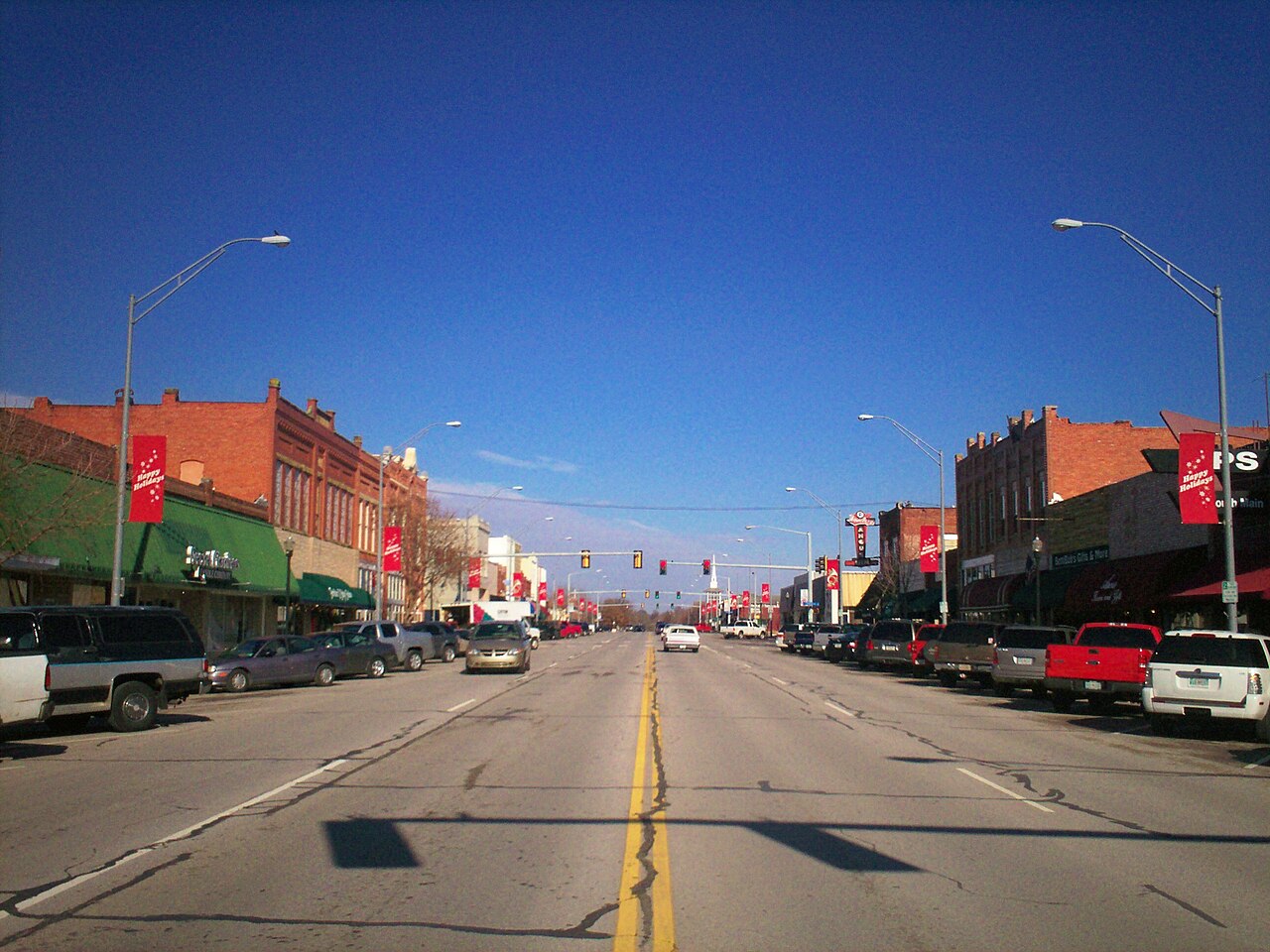
Broken Arrow’s Rose District revitalization has added walkable urban amenities to Tulsa’s largest suburb
2026 Economic Outlook
- Continued build-out of Forest Ridge and Aspen Creek subdivisions
- Rose District commercial expansion adding restaurants and retail
- School enrollment growth supporting continued new construction
- Improved highway access easing commutes to Tulsa employment centers
- Sustained in-migration from both Tulsa proper and out of state
Investment Climate
Broken Arrow supports a broader range of viable investment strategies than most premium suburbs, because its price points span from affordable established homes to premium new construction. Successful Broken Arrow investors tend to share these characteristics:
- School-zone awareness understanding which elementary zones anchor the strongest and most consistent tenant demand
- New construction fluency tracking active subdivisions and builder incentive programs
- Balanced return expectations Broken Arrow rewards both cash-flow and appreciation-oriented strategies depending on submarket
- Landlord-friendly execution leveraging Oklahoma’s straightforward eviction and lease laws
- Family-tenant focus single-family homes with 3-4 bedrooms consistently outperform smaller unit types
Broken Arrow’s zoning has supported continuous, orderly growth without the severe oversupply issues that have hit some fast-growing Sun Belt suburbs, and school enrollment growth has consistently outpaced new supply, keeping rental demand tight.
Historical Performance
| Period | Market Driver | Avg Annual Appreciation | Key Event |
|---|---|---|---|
| 2010-2014 | Steady suburban growth, school reputation building | 3-5% | Broken Arrow surpasses other Tulsa suburbs in population |
| 2015-2019 | New subdivision development, Rose District planning | 4-6% | Downtown Rose District redevelopment begins |
| 2020-2022 | Pandemic migration, remote work relocations | 9-12% | Out-of-state buyers discover Tulsa metro affordability |
| 2023-2024 | Rate normalization, continued new construction | 5-6% | Forest Ridge and Aspen Creek development accelerates |
| 2025-2026 | Continued family demand, Rose District expansion | 6-8% (projected) | School enrollment growth outpacing new supply |
Broken Arrow’s 15-year track record shows average annual appreciation of 5-7%, tracking closely with the broader Tulsa metro but with a consistent premium tied to school district demand. A $220,000 Broken Arrow property purchased in 2015 is worth approximately $340,000-$380,000 today.
Demographic Trends Driving Demand
- School District Migration – Families relocating from Tulsa and surrounding suburbs specifically for Broken Arrow Public Schools
- New Construction Buyers – Move-up families choosing new subdivisions over older Tulsa metro housing stock
- Out-of-State Relocation – Texas, Kansas, and Missouri buyers drawn by affordability relative to their home markets
- Rose District Renters – Young professionals and downsizing empty-nesters drawn to the walkable downtown corridor
- Manufacturing and Healthcare Employment – Local employers supporting a stable workforce tenant base
- Commuter Demand – Improved highway access making Broken Arrow viable for Tulsa-employed commuters
📚 New to real estate investing? Master the fundamentals with our professional course Learn more →
2. Neighborhood Hotspots
Broken Arrow Investment Neighborhood Map
Interactive map of Broken Arrow’s investment neighborhoods. Green stars show top hotspots, blue circles mark established markets, and orange circles highlight emerging areas.
Core Investment Neighborhoods
Detailed Submarket Analysis: All Broken Arrow Neighborhoods
| Neighborhood | Price Range (SFH) | Cap Rate | Growth Drivers | Best Strategy |
|---|---|---|---|---|
| Rose District | $250K-$425K | 5.5-6.5% | Walkability, revitalized downtown, mixed tenant pool | Small multi-family, urban-style rentals |
| Forest Ridge | $375K-$500K | 4.5-5.5% | New construction, top schools | Appreciation hold, executive family rentals |
| Aspen Creek | $325K-$475K | 5.0-5.5% | Active development, multiple builders | Balanced new construction hold |
| Kenosha Corridor | $250K-$375K | 5.5-6.5% | Central location, reliable demand | Buy-and-hold, balanced cash flow |
| Stone Creek | $300K-$425K | 5.0-6.0% | Growth corridor, value vs. Forest Ridge | Balanced returns, family rental |
| Elm Creek | $275K-$400K | 5.0-6.0% | Established character, family demand | Reliable buy-and-hold |
| Indian Springs | $225K-$350K | 5.5-6.5% | Tulsa commute access, mixed pricing | Cash flow focus, commuter rental |
| Highland Park | $200K-$300K | 6.0-7.0% | Best relative value, value-add upside | Highest yield in Broken Arrow, value-add |
Expert Insight: “Broken Arrow gives investors a choice most single-suburb markets don’t: you can chase appreciation in Forest Ridge with new construction, or you can chase yield in the Kenosha corridor and Highland Park with established housing at a real discount. Both strategies work because the school district demand underpins the entire city, not just the premium pockets. That flexibility is what keeps out-of-state capital flowing here.” – James Whitfield, Broker, Green Country Investment Realty
3. Property Types
| Investment Goal | Best Property Type | Best Neighborhoods | Minimum Capital |
|---|---|---|---|
| Maximum Appreciation | New construction SFH | Forest Ridge, Aspen Creek | $80,000+ (25% down) |
| Best Cash Flow | Value-add SFH or small multi-family | Highland Park, Indian Springs, Rose District | $50,000+ |
| Balanced Returns | Established SFH, buy-and-hold | Kenosha Corridor, Elm Creek | $65,000+ |
| Lowest Management | Townhome, new construction | Aspen Creek, Rose District | $60,000+ |
Don’t guess the costs. Our Complete Renovation & Remodeling Cost Guide covers 400+ pages of project-by-project breakdowns with real contractor pricing ranges.
4. Cost Analysis
Acquisition Cost Breakdown (Broken Arrow)
| Expense Item | Typical Cost | Example ($340,000 Property) | Notes |
|---|---|---|---|
| Down Payment | 25% (investment) | $85,000 | Standard for investment properties in Broken Arrow |
| Closing Costs | 2-3% of price | $6,800-$10,200 | Title, escrow, lender fees, recording |
| General Inspection | $350-$550 | $450 | Standard for Broken Arrow housing stock |
| Foundation Inspection | $300-$500 | $400 | Recommended given Oklahoma’s expansive clay soils |
| Roof Certification | $150-$250 | $200 | Insurers often require given hail exposure |
| Initial Repairs | 0-6% of price | $0-$20,400 | Varies significantly between new construction and value-add pockets |
| Reserves (6 months) | 6 months expenses | $7,500-$10,500 | Emergency fund for vacancy and repairs |
| TOTAL MINIMUM ENTRY | ~29-32% of value | $99,300-$106,800 | Accessible entry point for a top-ranked school district market |
Sample Cash Flow Analysis: Kenosha Corridor Single-Family Home
| Item | Monthly | Annual | Notes |
|---|---|---|---|
| Gross Rent | $1,650 | $19,800 | 3BR, Kenosha Corridor, established stock |
| Less Vacancy (5%) | -$83 | -$990 | Conservative estimate |
| Property Taxes | -$225 | -$2,700 | ~0.95% effective rate on $285K assessed value |
| Insurance | -$115 | -$1,380 | Landlord policy; reflects Oklahoma hail/wind risk |
| Property Management (9%) | -$149 | -$1,782 | Standard Tulsa metro rate |
| Maintenance + CapEx | -$132 | -$1,584 | 8% of rent for established housing stock |
| Net Operating Income | $946 | $11,364 | Before mortgage |
| Mortgage ($285K price, 25% down, 6.5%, 30yr) | -$1,350 | -$16,200 | Principal and interest only |
| CASH FLOW | -$404 | -$4,836 | Modest negative carry at 25% down; near break-even at 30%+ down |
| Cap Rate | 3.99% | NOI / Purchase Price | |
| Total Return (7% appreciation) | ~19-22% | Including equity, appreciation, principal paydown |
Highland Park and Indian Springs properties, purchased below $300,000, typically achieve positive cash flow at the same 25% down payment level given their more favorable rent-to-price ratios, at the cost of somewhat higher management intensity and a less-established tenant profile.
Expert Insight: “The mistake I see out-of-state investors make in Broken Arrow is buying only in Forest Ridge because it’s the shiniest option. The Kenosha corridor and Elm Creek deliver nearly identical school access with a meaningfully better cap rate. If cash flow matters to your underwriting, don’t overlook the established neighborhoods just because the new construction gets all the marketing attention.” – Melissa Grant, Investment Property Specialist, Tulsa Metro Realty
5. Legal Framework
✅ Landlord-Friendly Market
Broken Arrow operates under Oklahoma’s statewide landlord-friendly legal framework, with no city-specific tenant protection ordinances layered on top. There is no rent control, no just-cause eviction requirement, and a comparatively fast eviction process. Always consult an Oklahoma-licensed real estate attorney before acquiring rental properties.
Oklahoma Landlord-Tenant Law
Broken Arrow operates under the Oklahoma Residential Landlord and Tenant Act:
- No Just Cause Requirement: Landlords may decline to renew a lease for any lawful reason at the end of the lease term with proper notice.
- Non-Payment Notice: 5-day notice to pay or vacate before filing for eviction.
- No-Cause Termination (Month-to-Month): 30-day written notice required from either party.
- Security Deposits: No statutory maximum amount. Must be returned within 30 days of move-out (45 days if itemized deductions require additional documentation).
- No Rent Control: Oklahoma law preempts any local rent control ordinances statewide.
- No Source of Income Protection: Landlords may decline Section 8 vouchers unless they choose to participate.
- Habitability Standards: Landlords must maintain plumbing, heating, and structural safety.
Compliance Best Practices
- Written Lease Agreements: Use Oklahoma-specific lease templates covering pets, late fees, and maintenance responsibilities clearly.
- Documented Move-In Condition: Photograph and document condition at move-in to support security deposit deductions.
- Fair Housing Compliance: Federal Fair Housing Act protections apply regardless of state landlord-friendliness.
- Timely Deposit Return: Strict 30/45-day compliance avoids statutory penalty exposure.
- HOA Review: Many Forest Ridge and Aspen Creek communities have active HOAs; confirm rental restrictions before purchase.
- Professional Management: Recommended for out-of-state investors, though Broken Arrow’s straightforward legal environment makes self-management feasible for local investors.
Useful Broken Arrow Resources
- City of Broken Arrow: brokenarrowok.gov
- Oklahoma Real Estate Commission: orec.ok.gov
- Tulsa Real Estate Investors Association: local chapter resources
- Tulsa County Court Clerk (evictions): oscn.net
| Regulation | Oklahoma / Broken Arrow Requirement | Comparison Market (Seattle) | Investor Impact |
|---|---|---|---|
| Eviction | No just cause required; 30-45 day realistic timeline | Just cause required always; 90-180+ days | Significantly faster resolution of problem tenants |
| Rent Increases | No statutory cap or advance notice requirement beyond lease terms | 180 days notice for CPI-exceeding increases | Full flexibility to adjust rents to market at renewal |
| Tenant Screening | Landlord discretion within fair housing law | First-in-time rule | Can select the most qualified applicant from a pool |
| Registration | No rental registration program | RRIO required with rolling inspections | Lower administrative burden |
6. Step-by-Step Broken Arrow Investment Playbook
Match Your Strategy to Your Submarket
Broken Arrow’s breadth of price points means investors should pick a strategy first, then let it dictate the submarket, rather than the other way around.
Appreciation Strategy
Buy new construction in Forest Ridge or Aspen Creek. Accept a lower cap rate and modest negative carry in exchange for the strongest appreciation trajectory and lowest maintenance costs.
Cash Flow Strategy
Target Highland Park or Indian Springs for the best cap rates in the city while still capturing meaningful Broken Arrow school-zone value at resale.
Build Your Broken Arrow Team
- Broken Arrow-Focused Agent: Should know school zone boundaries and have direct experience with both new construction and resale investor transactions.
- Local Property Manager: Confirm familiarity with HOA requirements in the newer subdivisions.
- Foundation-Experienced Inspector: Oklahoma’s expansive clay soils make foundation evaluation a priority.
- Insurance Broker with Oklahoma Hail/Wind Experience: Shop coverage carefully given local storm risk.
- Builder Relationships: If pursuing new construction, direct builder relationships in Forest Ridge and Aspen Creek can unlock investor-friendly terms.
Broken Arrow-Specific Due Diligence
Physical Due Diligence
- Foundation inspection given expansive clay soil conditions
- Roof age and hail damage history (request insurance claim history)
- HVAC condition given temperature extremes
- Storm shelter presence, a meaningful rental amenity
- Drainage assessment for newer subdivisions built on formerly agricultural land
Regulatory Due Diligence
- Confirm exact elementary and middle school zone assignment
- Review HOA covenants for rental restrictions or lease-length minimums
- Verify property tax assessment history
- Check for special assessment districts in newer development areas
- Confirm builder warranty status and transferability for new construction
Competing and Managing in Broken Arrow
- Pre-approval with local lenders: Local Oklahoma lenders often close faster than national retail banks, strengthening offers in competitive new-construction phases.
- Off-market sourcing: Build relationships with Broken Arrow-focused agents who track pocket listings in established neighborhoods.
- Builder incentive tracking: Builders in Forest Ridge and Aspen Creek periodically offer rate buydowns or closing cost assistance to investors buying multiple units.
- Tenant screening: Oklahoma’s landlord discretion allows selecting the strongest applicant from a pool; use consistent, documented criteria to stay fair-housing compliant.
- Typical Broken Arrow management fees: 8-10% of monthly rent for single-family management, with leasing fees of 50-100% of one month’s rent.
7. Financing Options for Broken Arrow
| Loan Type | Down Payment | Rate Premium | Best For | Broken Arrow Note |
|---|---|---|---|---|
| Conventional Investment | 20-25% | +0.5-0.75% | Strong W-2 income, good credit | Most Broken Arrow properties fall well under conforming loan limits |
| DSCR Loan | 20-25% | +1-2% | Investors who want no income verification | Strong candidate market given healthy rent-to-price ratios, especially in Kenosha and Highland Park |
| Portfolio Loan | 20-25% | +0.75-1.5% | Multiple properties, self-employed | Local Tulsa metro banks and credit unions active in this space |
| House Hacking (FHA) | 3.5% | Standard + MIP | Owner-occupying one unit of a 2-4 unit property | Limited multi-family inventory; more available near Rose District |
| New Construction Loan | 20-25% | Standard to +0.5% | Buying directly from Forest Ridge/Aspen Creek builders | Some builders offer preferred lender incentives on rate buydowns |
Broken Arrow Financing Reality: Broken Arrow’s rent-to-price ratios support DSCR loan qualification more consistently than premium coastal or Sun Belt suburbs, particularly for properties purchased in the $250,000-$350,000 range in Kenosha Corridor, Elm Creek, and Highland Park. New construction purchases at higher price points may require a larger down payment or full income documentation to comfortably hit 1.0x coverage.
8. Frequently Asked Questions

Knowledge Quiz: Broken Arrow Real Estate Investment
Open Quiz
5 quick questions on what you just learned about Broken Arrow investing
1) What is Broken Arrow’s status within the Tulsa metro?
Answer: C
Broken Arrow is Tulsa’s largest and fastest-growing suburb, with a population of 115,000+.
2) Which neighborhood does the guide identify as having the strongest appreciation trajectory in Broken Arrow?
Answer: B
Forest Ridge, the premier new-construction subdivision with top school zoning, shows the strongest year-over-year appreciation at 7-9% annually.
3) Which neighborhood offers the best cap rate for cash-flow-focused investors?
Answer: D
Highland Park offers cap rates of 6.0-7.0%, the highest in the city, at the lowest entry prices.
4) How does Oklahoma’s landlord-tenant law treat rent increases?
Answer: A
Oklahoma has no statutory rent increase cap or special advance notice requirement beyond standard lease terms, giving landlords full flexibility at renewal.
5) What physical due diligence item does the guide flag as an Oklahoma-specific priority?
Answer: C
Oklahoma’s expansive clay soils make foundation inspection a priority; the guide also flags roof/hail history and storm shelter presence as Oklahoma-specific considerations.
Work With a Local Expert in Broken Arrow
We are building a verified network of real estate professionals across every market we cover.

About Our Expert Network
We are finalizing partnerships with verified real estate professionals across every market featured on Builds and Buys. Each expert in our network is selected for their hands-on investment experience, local market knowledge, and commitment to helping buyers and investors make sound decisions.
Our local specialists offer:
- Proven experience with investment and income-producing properties
- Deep knowledge of local pricing, rental yields, and neighborhood dynamics
- Guidance on financing, legal structure, and due diligence
- Access to off-market and pre-market opportunities
- Full transaction support from search through closing
- Ongoing portfolio and property management referrals
Services Covered
- Property sourcing and acquisition
- Investment analysis and underwriting
- Buyer representation
- Market comparables and valuations
- Rental strategy consulting
- Value-add and renovation guidance
- Legal and title referrals
- Financing and lender connections
- Property management referrals
- Insurance and inspection referrals
- 1031 exchange coordination
- Exit strategy planning
Get Connected or Join Our Network
Looking for a local expert to help with your investment? Reach out and we will connect you with the right professional for your market and strategy.
Are you a real estate professional with a track record working with investors? We are always expanding our network of verified local experts.
Contact us at support@buildsandbuys.com
Find Specialized Broken Arrow Real Estate Professionals
Ready to Invest in Broken Arrow?
Broken Arrow gives investors the rare combination of top-ranked schools, an active new construction pipeline, and Oklahoma’s landlord-friendly legal environment across a genuinely wide range of price points. Whether you’re chasing appreciation in Forest Ridge, balanced returns in the Kenosha Corridor, or the strongest cash flow in the city in Highland Park, Broken Arrow’s deep and consistent family rental demand has made it Tulsa’s most reliable suburban investment market.
Continue Your Research
Oklahoma State Guide
See how Broken Arrow compares to Owasso, Bixby, Jenks, and other Tulsa metro suburbs.
Tulsa Metro Guide
Explore the full Tulsa metro market that Broken Arrow anchors from the southeast.
144-Lesson Course
University-level real estate education covering financing, law, strategy, and management.
For further guidance, explore our State-by-State Investor guides, browse our expert articles, or follow our Step-by-Step Investment Guide.



