
Environmental Considerations (2026)
Real estate environmental concerns can have a significant impact on the usability, value, and future of a property. This comprehensive guide walks you through key checks to ensure the property isn’t affected by issues such as soil contamination, flood risks, hazardous materials, or other environmental hazards that could impact your investment.

Essential Environmental Checks
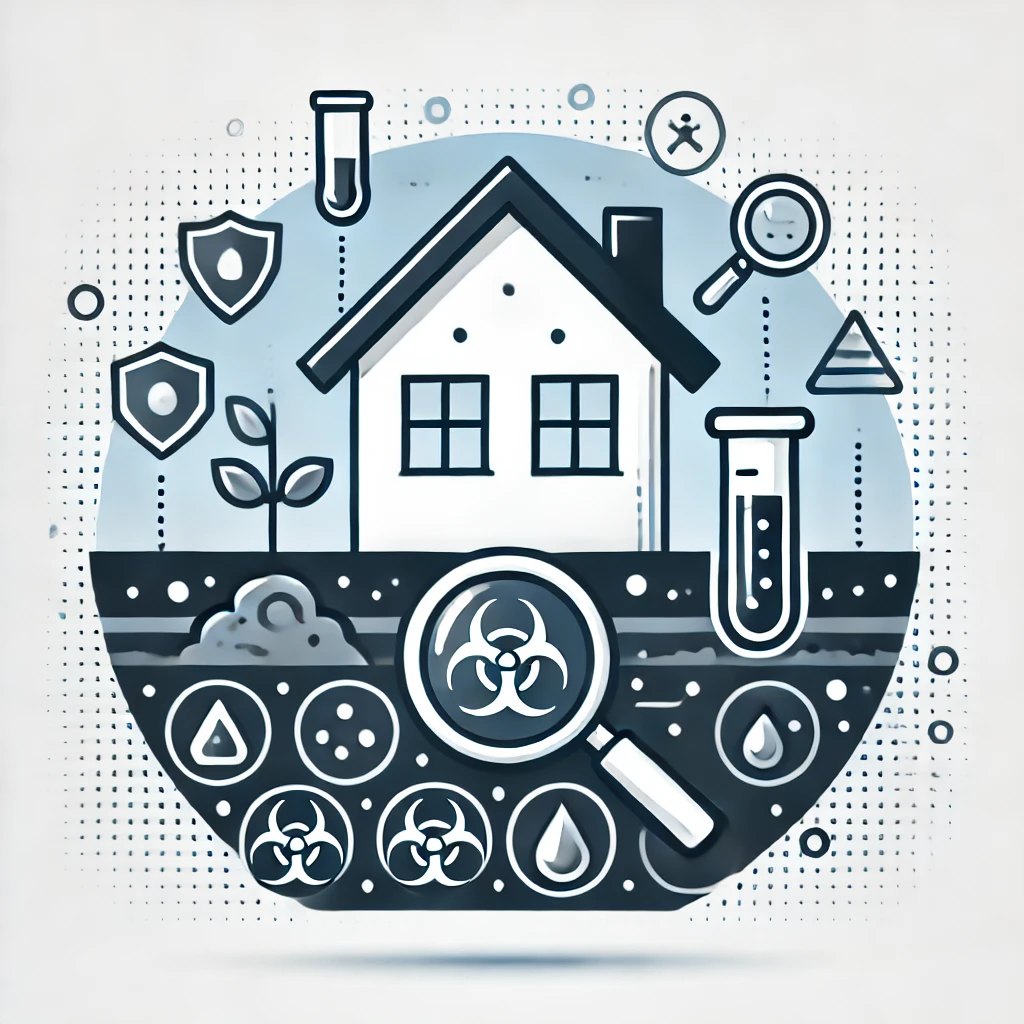
Soil Contamination Checks
Confirm that the soil is free of hazardous materials such as heavy metals, chemicals, or industrial pollutants.

Flood Risk Assessment
Determine if the property lies in a flood zone or has a history of flooding that could impact safety and insurance.

Check for Other Environmental Hazards
Test for radon, asbestos, lead-based paint, mold, or pollution from nearby industrial facilities.
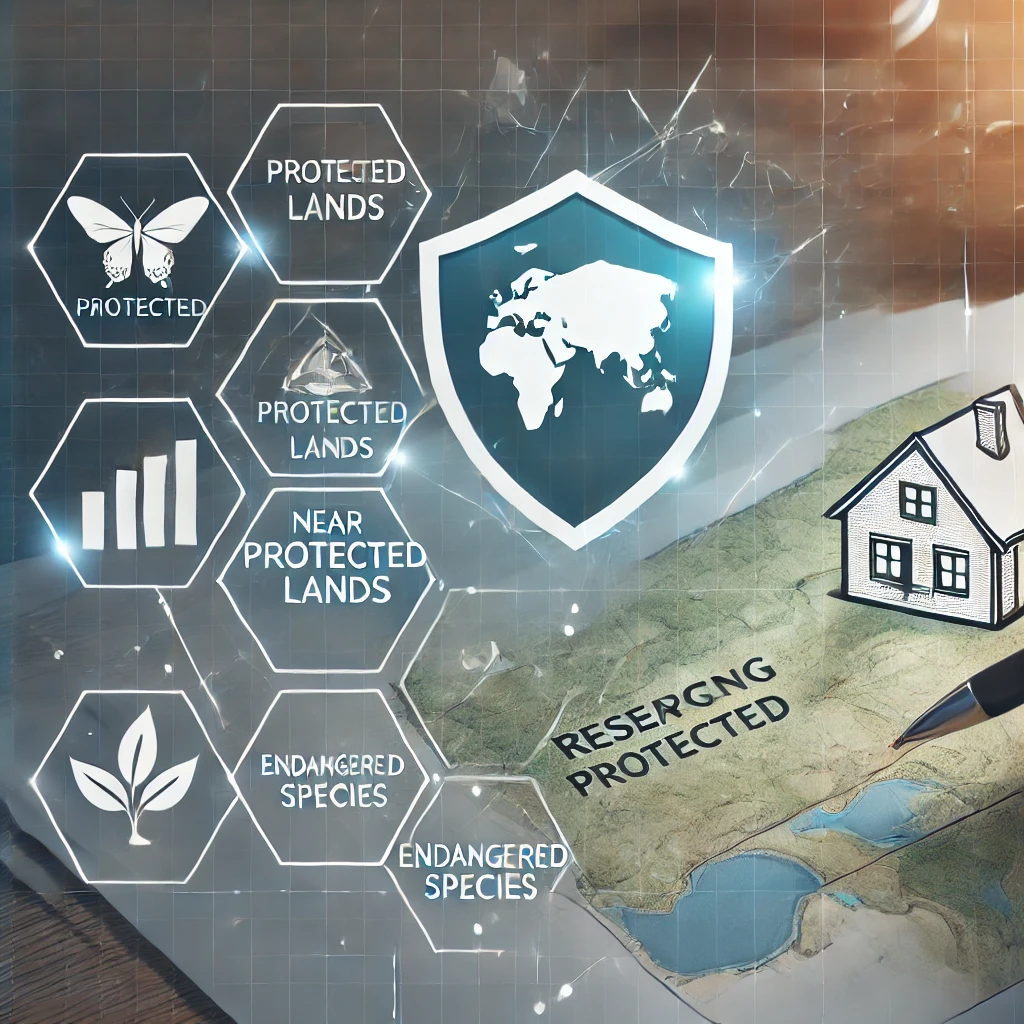
Research Protected Lands or Endangered Species
Check if the property is subject to environmental restrictions or located near special habitats for endangered species.
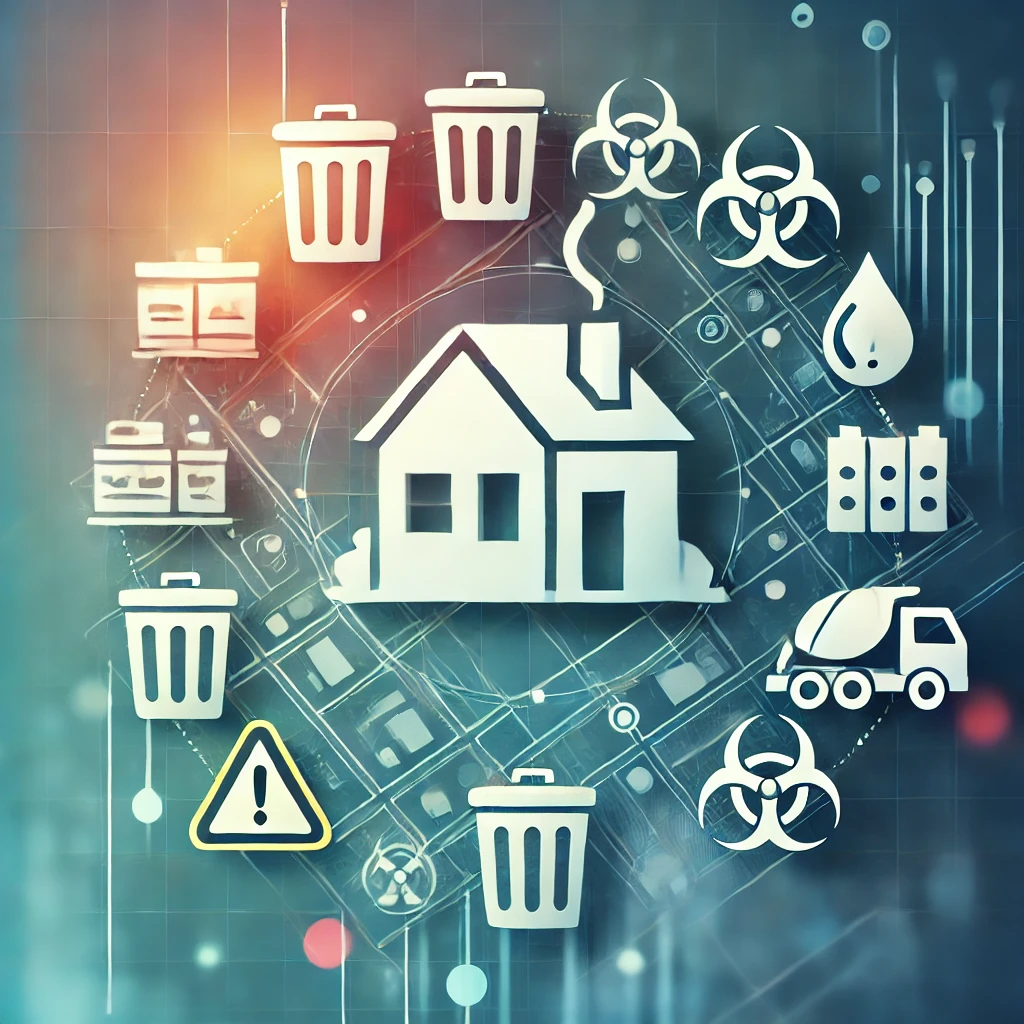
Waste Management & Hazardous Waste Sites
Find out if the property is near landfills or hazardous waste facilities that could affect its value and livability.

Knowledge Quiz: Environmental Considerations
Open Quiz
5 quick questions - see how much you learned!
1) What’s the main goal of a soil contamination check?
Answer: A
Contamination reduces value and may require expensive remediation—test first.
2) Which resource is recommended to assess flood risk on this page?
Answer: B
FEMA Flood Maps show whether the parcel lies in a flood zone or high-risk area.
3) Which set correctly lists other environmental hazards to check for?
Answer: D
These are the specific hazards called out that can affect health and liability.
4) What can proximity to protected lands or endangered species habitats mean for your plans?
Answer: C
The page notes protected areas can restrict building and land use.
5) Which resource is listed to research hazardous waste facilities near a property?
Answer: A
Use EPA Hazardous Waste Info to identify nearby landfills or hazardous sites.



