
Construction or Renovation Feasibility (2026)
Before starting a construction or renovation project in 2026, it’s crucial to ensure that your plans are both financially and legally feasible. This comprehensive guide walks you through understanding local construction costs, determining permit requirements, evaluating renovation versus new construction, considering environmental impacts, and consulting with structural engineers to ensure your project’s success.

Essential Feasibility Assessment Steps

Research Local Construction Costs
Investigate current market rates for construction services, materials, and labor in your specific area to build an accurate budget.

Verify Permit Requirements
Check with local authorities to see if your project requires building permits, zoning approvals, or special inspections.

Feasibility of Renovation vs. New Construction
Determine whether it’s more cost-effective to renovate the existing structure or demolish and build anew based on condition and goals.

Consider Environmental Impacts
Evaluate waste management, energy efficiency, sustainable materials, and environmental regulations when planning your project.
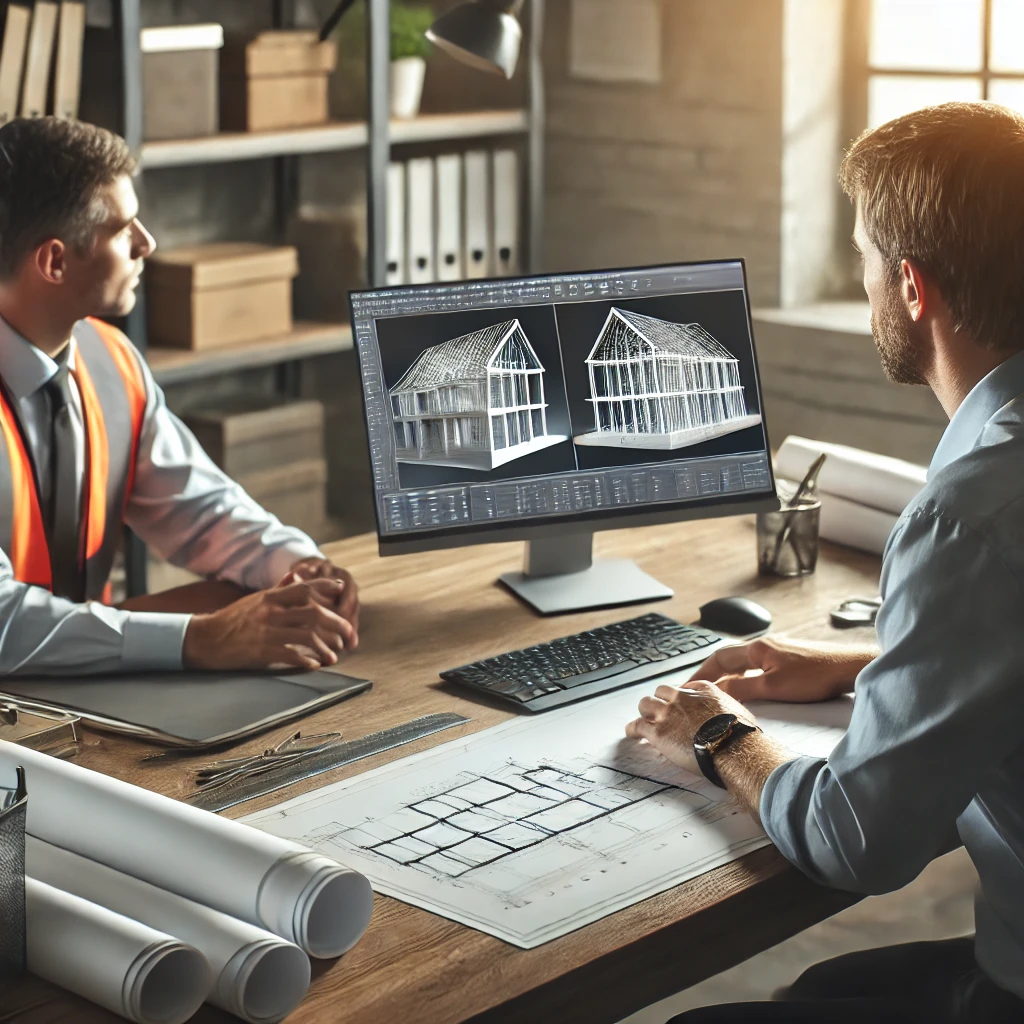
Consult a Structural Engineer
For major structural changes like removing walls, adding levels, or foundation work, get professional engineering assessment and approval.

Knowledge Quiz: Construction or Renovation Feasibility
Open Quiz
5 quick questions - see how much you learned!
1) What’s the best way to build a realistic construction/renovation budget?
Answer: B
The page advises using current local pricing and contractor input to keep budgets accurate.
2) Who should you contact to confirm whether your project needs permits or zoning approvals?
Answer: B
Permit requirements are confirmed with your local building department or planning commission.
3) What’s the recommended way to decide between renovating and building new?
Answer: D
The section advises a side-by-side feasibility check with pros to see which path is truly more cost-effective.
4) Which environmental planning choice can improve long-term project value and operating costs?
Answer: C
The page highlights energy efficiency, sustainability, and responsible waste management to reduce long-term costs.
5) When should you bring in a structural engineer?
Answer: A
The guidance recommends consulting a licensed structural engineer for significant structural work to ensure safety and feasibility.

Renovation & Remodeling Cost Guides
600+ step-by-step renovation & remodeling guides with real 2025 costs, ROI analysis, and contractor connections to help you budget and plan your project.
Open the Hub


