
Ongoing Maintenance and Management 2026
Below is a detailed, expanded breakdown of Ongoing Maintenance and Management, specifically designed to guide you through the post-construction phase of your residential or commercial build. This comprehensive approach ensures that your new property remains in top condition—protecting both its value and your peace of mind. We also have a dedicated Task Page to help you stay organized every step of the way!
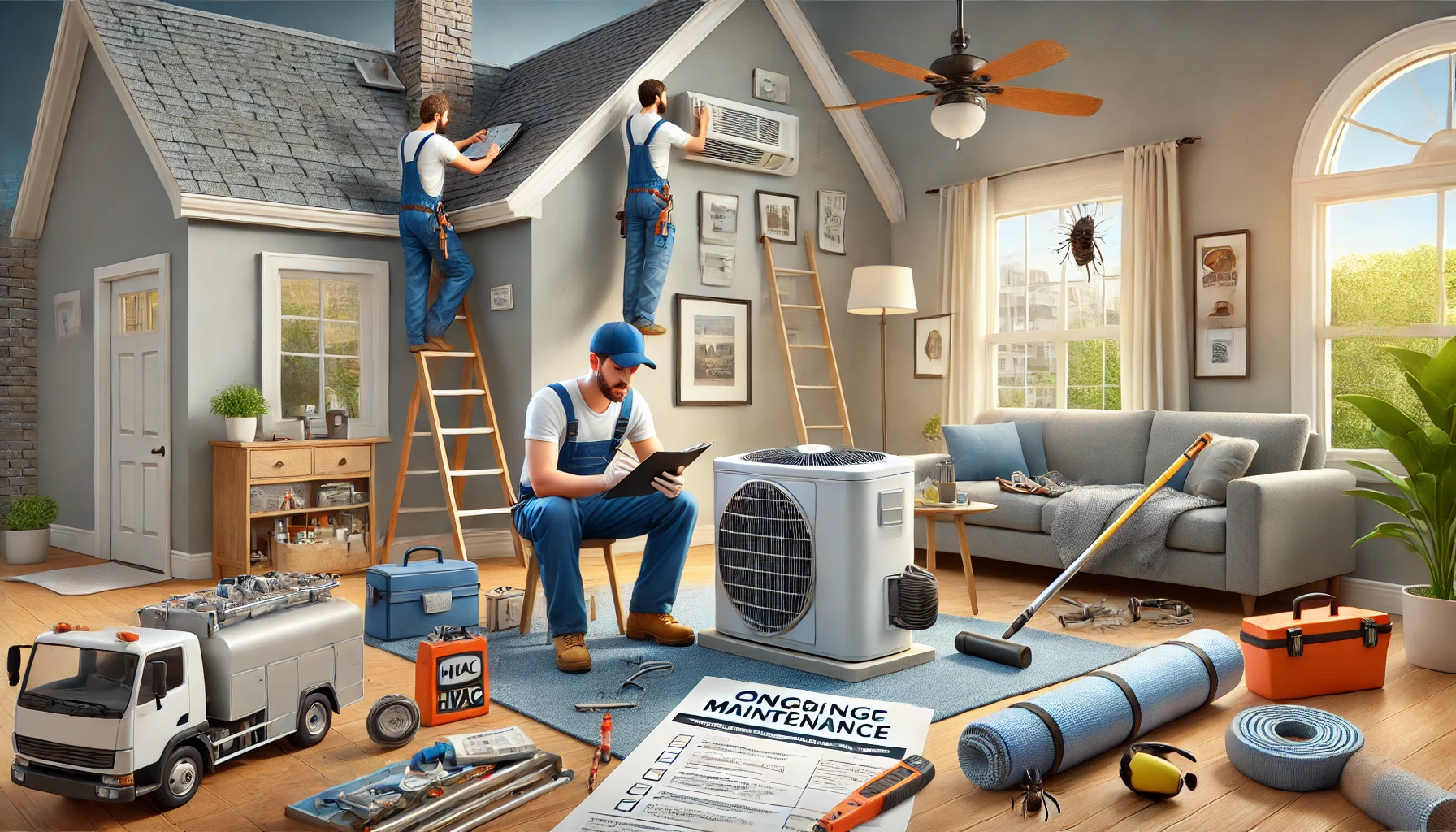
Set Up Maintenance Schedules
Residential Maintenance
Regular Inspections: Schedule monthly or quarterly walk-throughs to check for leaks (plumbing), drafts (windows/doors), or structural damage (foundation cracks).
HVAC Care: Change furnace/AC filters every 1–3 months (depending on usage), and schedule professional servicing at least once a year for optimal efficiency.
Roof & Gutter Checks: Inspect the roof for missing shingles or leaks, and clear gutters regularly to prevent water damage.
Plumbing: Look for dripping faucets, slow drains, and signs of mold/mildew that can indicate hidden leaks.
Commercial Maintenance
Elevators & Escalators: If applicable, arrange routine inspections and servicing with certified technicians—malfunctions can cause major liability issues.
HVAC & Fire Safety Systems: HVAC systems in commercial properties often run year-round. Service them biannually to maintain air quality and efficiency. Similarly, fire alarms, sprinkler systems, and extinguishers require regular testing and compliance checks.
Janitorial & Pest Control: Set a schedule for cleaning (daily, weekly, or monthly depending on traffic) and routine pest control visits to ensure a hygienic environment for tenants and customers.
Pro Tips: Regular maintenance ensures your property stays in excellent condition, minimizes costly repairs, and maintains a positive living or working environment.
Budget for Repairs and Upgrades
Long-Term Maintenance
Planning & Forecasting: Budgeting 1–3% of the property’s value per year is a common guideline, though older buildings or those in harsher climates may require more.
Upgrades vs. Repairs: Differentiate between necessary repairs (e.g., fixing a leaky roof) and optional upgrades (e.g., adding solar panels). Prioritize your budget accordingly.
Recurring Expenses
Landscaping: Lawns, gardens, and outdoor common areas need regular care—mowing, weeding, seasonal plantings, and irrigation maintenance.
Cleaning & Security: Residential properties might only need occasional housekeeping, while commercial spaces often require contract cleaning and security services.
Utilities: Keep track of water, electricity, gas, and internet bills. Monitor them for spikes that could indicate leaks or inefficiencies.
Pro Tips: Budgeting and maintaining regular upkeep can save you from large, unexpected costs and keep your investment in good shape for the long term.
Consider Professional Management
Residential Property Management
Rental Properties: If you have tenants, a property manager can handle rent collection, repair requests, and tenant screening.
Primary Residence: Not usually necessary unless you travel frequently or own multiple homes. Consider hiring cleaning or landscaping services for convenience.
Commercial Property Management
Tenant Relations: A property management company can handle leasing agreements, rent collection, and regulatory compliance (e.g., ADA requirements).
Maintenance Coordination: They coordinate with contractors for large-scale repairs, ensuring minimal disruption to business operations.
Pro Tips: Hiring a professional manager can reduce your workload and ensure your property is well-maintained, especially for large-scale or commercial properties.
Insurance Review
Residential Insurance
Switch from Builder’s Risk to Permanent Coverage: Once construction is complete, update your policy to a standard homeowner’s policy or landlord policy if it’s a rental property.
Commercial Insurance
Commercial Property Policy: Ensure you have coverage for liability, property damage, and potential business interruptions.
Liability Coverage: Protect tenants and customers against accidents (e.g., slip-and-fall incidents).
Pro Tips: Insurance is crucial for protecting your property from risks, and it’s important to review policies regularly to ensure they are adequate.
Action Items
1. Keep a Record of All Warranties and Service Agreements: Store copies of warranties and maintenance contracts in a digital folder for easy reference.
2. Schedule Periodic Inspections: Residential: Inspect roof, foundation, plumbing, and electrical systems.
3. Review Insurance Annually: Confirm your coverage levels and adjust for any new improvements or changes to your property.
4. Maintain a Reserve Fund: Set aside 1–2% of the property’s value annually for major repairs and replacements.
Conclusion
Ongoing maintenance and management ensure that your property remains in top condition, protecting both its value and your investment. Whether you handle it yourself or hire a professional, staying proactive about maintenance is key to long-term success.

Knowledge Quiz: Assess Your Financial Readiness for Buying a Property
Open Quiz
5 quick questions - see how much you learned!
1) How often should you change HVAC furnace/AC filters in residential properties according to the page?
Answer: C
The "Residential Maintenance" section under HVAC Care states to "Change furnace/AC filters every 1–3 months (depending on usage)."
2) What percentage of the property's value should typically be budgeted annually for long-term maintenance?
Answer: B
The "Budget for Repairs and Upgrades" section states that "Budgeting 1–3% of the property's value per year is a common guideline."
3) For commercial properties, how often should HVAC systems typically be serviced according to the page?
Answer: A
The "Commercial Maintenance" section states that "HVAC systems in commercial properties often run year-round. Service them biannually to maintain air quality and efficiency."
4) After construction is complete, what type of insurance should you switch to for residential properties?
Answer: D
The "Residential Insurance" section states to "Switch from Builder's Risk to Permanent Coverage: Once construction is complete, update your policy to a standard homeowner's policy or landlord policy if it's a rental property."
5) According to the Action Items section, how much should you set aside annually in a reserve fund for major repairs and replacements?
Answer: C
The "Action Items" section explicitly states to "Maintain a Reserve Fund: Set aside 1–2% of the property's value annually for major repairs and replacements."



