Logan Real Estate Investment Guide For 2026
A comprehensive resource for investors looking to capitalize on Cache Valley’s regional hub, where Utah State University enrollment, a diverse local economy, and scenic mountain surroundings combine to create a balanced, resilient investment market with some of the most attainable prices in northern Utah
Quick answers: Top 5 most searched Logan investment questions ▼
Migration data: Where buyers are coming from to Logan ▼
1. Logan Market Overview
Market Fundamentals
Logan serves as the regional hub of Cache Valley, situated in a broad agricultural valley between the Wasatch and Bear River mountain ranges approximately 80 miles north of Salt Lake City. As the home of Utah State University and the largest city in Cache County, Logan occupies a distinct position in Utah’s real estate landscape: a self-contained university market with a diversified local economy that functions independently from the broader Wasatch Front growth dynamics.
Key economic indicators defining Logan’s investment case:
- Population: Approximately 55,000 in the city, with the broader Cache Valley region approaching 135,000
- Utah State University: Approximately 27,000 students providing consistent rental demand independent of broader economic cycles
- Median Home Price: Approximately $450,000, meaningfully below comparable university cities on the Wasatch Front
- Employment Base: USU, Logan Regional Hospital, Cache County government, agriculture, and food processing
- Recreation Access: Logan Canyon, Bear Lake, and multiple ski areas within reasonable driving distance
- Housing Stock: A blend of historic campus-adjacent homes, mid-century residential neighborhoods, and newer development in North Logan and Providence
Logan’s investment case rests on two distinct pillars: the university’s stable enrollment-driven rental demand and the broader Cache Valley’s role as a regional economic center. These two drivers support a market that is more resilient to Wasatch Front economic cycles than most other Utah cities, though they also mean Logan’s appreciation tends to be steadier and more moderate rather than driven by Silicon Slopes-style employer surges.
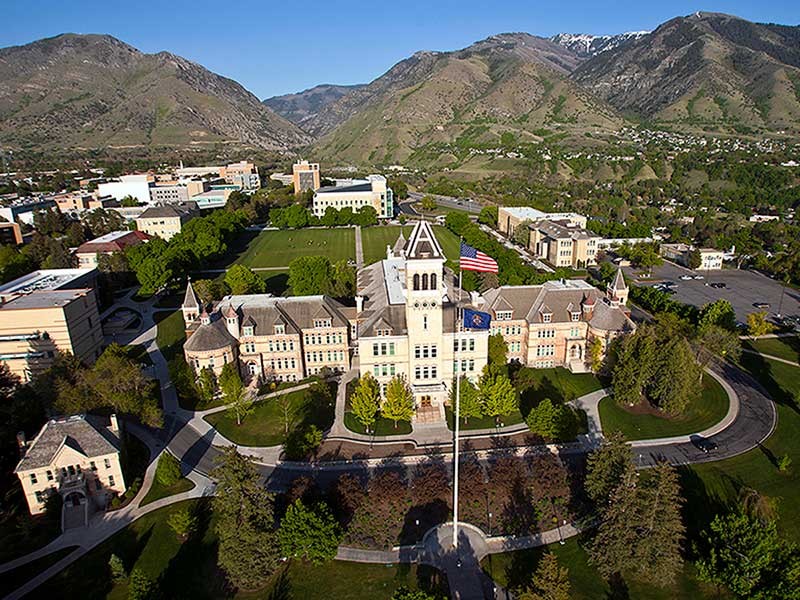
Logan’s combination of Utah State University enrollment, diversified regional employment, and Cache Valley scenery creates a stable, multi-faceted investment market
2026 Market Outlook
- USU enrollment trends continuing to support strong campus-area rental demand
- North Logan and Providence absorbing family-oriented growth at attainable prices
- Historic Downtown Logan offering ongoing renovation and value-add opportunities
- Logan Canyon and Bear Lake access supporting lifestyle-driven premium demand
- Cache Valley’s self-contained economy providing stability relative to Wasatch Front volatility
Why Logan’s University Anchor Matters for Investors
Utah State University’s enrollment of approximately 27,000 students creates a rental market dynamic that differs meaningfully from purely residential markets. Several characteristics are particularly important for investors:
- Counter-cyclical stability: University enrollment tends to be relatively stable or even increase during economic downturns, as more people pursue or extend education when job markets contract. This gives Logan’s rental market a degree of resilience that purely employment-driven markets lack.
- Per-bedroom pricing potential: Properties that can accommodate multiple roommates, particularly in the campus area, can generate rent on a per-bedroom basis that produces higher total income than single-family comparables in non-university markets at similar price points.
- Lease cycle management: Academic-year lease cycles require planning for summer occupancy, whether through short-term rentals, extended occupancy by remaining roommates, or proactive re-leasing to incoming students for the following year.
- Faculty and staff demand: Beyond undergraduate students, USU’s faculty and administrative staff create a professional-tier rental demand tier that is less seasonal and tends to support longer average tenancy.
📚 New to real estate investing? Master the fundamentals with our professional course Learn more →
2. Neighborhood Hotspots
Logan Investment Neighborhood Map
Interactive map of Logan’s investment areas. Green stars show top hotspots, blue circles mark established markets, and orange circles highlight emerging or value-oriented areas.
Core Investment Areas
Detailed Submarket Analysis
| Area | Price Range | Cap Rate | Growth Drivers | Best Strategy |
|---|---|---|---|---|
| USU Campus Area | $375K-$575K | 6.0-7.5% | 27,000 USU students, walkability | Student rental, room-by-room |
| SE Logan / Bonneville | $400K-$600K | 5.0-6.0% | Faculty, professionals, hospitals | Long-term professional rental |
| North Logan / Providence | $425K-$625K | 4.5-5.5% | Newer construction, family demand | Family rental, appreciation hold |
| Historic Downtown Logan | $375K-$550K | 5.0-6.0% | Walkability, character, arts scene | Value-add renovation |
| Canyon Road Corridor | $450K-$700K | 4.5-5.5% | Canyon access, lifestyle premium | Appreciation-focused hold |
| West Logan | $325K-$475K | 5.5-6.5% | Relative value, central access | Value-oriented cash flow |
| Smithfield / Hyde Park | $375K-$550K | 5.0-6.0% | Newer construction, space | Family rental, northern corridor |
Expert Insight: “Logan is one of the few markets in Utah where you can genuinely diversify your tenant strategy within a single city. In the campus area you’re running a student rental operation where per-room pricing drives your returns. A mile and a half away in Southeast Logan you’re renting to faculty and hospital staff on multi-year leases. In North Logan you’re competing for families who can’t quite afford to buy yet. For an investor building a small portfolio, that kind of within-market diversification is genuinely useful for smoothing out vacancy and turnover cycles.” – Thomas Erickson, Cache Valley Investment Properties
3. Property Types
| Investment Goal | Best Property Type | Best Areas | Minimum Capital |
|---|---|---|---|
| Maximum Cap Rate | Student rental multi-unit or room-by-room SFH | USU Campus Area | $75,000+ down |
| Stable Long-Term Tenancy | Professional-tier SFH | SE Logan, Bonneville, Canyon Road | $80,000+ down |
| Maximum Appreciation | New construction family home | North Logan, Providence | $85,000+ down |
| Renovation Upside | Historic Downtown value-add | Historic Downtown Logan | $70,000+ down plus renovation |
Our Complete Renovation & Remodeling Cost Guide covers 400+ pages of project-by-project breakdowns with real contractor pricing ranges.
4. Cost Analysis
Acquisition Cost Breakdown (Logan)
| Expense Item | Typical Cost | Example ($450,000 Property) | Notes |
|---|---|---|---|
| Down Payment | 20-25% | $90,000-$112,500 | Conventional investment financing |
| Closing Costs | 2-3% | $9,000-$13,500 | Title, escrow, lender fees |
| Inspection | $400-$650 | $500 | Thorough for older campus-area properties |
| Initial Repairs/Updates | 1-5% of price | $4,500-$22,500 | Higher for older campus-area student rentals |
| Reserves (6 months) | 6 months expenses | $10,000-$14,000 | Mortgage, taxes, insurance, maintenance |
| TOTAL MINIMUM ENTRY | ~25-33% | $114,000-$162,000 | Assumes conventional investment financing |
Sample Cash Flow Analysis: 4-Bedroom Campus-Area Home Rented by Room
| Item | Monthly | Annual | Notes |
|---|---|---|---|
| Gross Rental Income (4 rooms × $800) | $3,200 | $38,400 | Room-by-room USU campus area |
| Vacancy (10% — summer adjustment) | -$320 | -$3,840 | Higher than market average due to academic-year leases |
| Property Management (10%) | -$320 | -$3,840 | Higher than standard given student rental management |
| Property Taxes | -$188 | -$2,250 | Cache County rate |
| Insurance | -$95 | -$1,140 | Landlord policy |
| Maintenance Reserve (2%) | -$75 | -$900 | Higher for student properties given wear and tear |
| Net Operating Income | $2,202 | $26,430 | Before mortgage |
| Mortgage ($450K, 25% down, 6.75%, 30yr) | -$2,190 | -$26,280 | P&I on $337,500 loan |
| CASH FLOW | +$12 | +$150 | Essentially breakeven, rare for Utah County properties at comparable prices |
| Cap Rate | 5.87% | NOI / Total Cost | |
| Total Return (9% appreciation) | ~10-12% | Including appreciation and equity paydown |
This example illustrates one of Logan’s most distinctive characteristics: the per-room rental model near USU can produce near-breakeven or even modestly positive cash flow with standard financing, a rare outcome in Utah’s current market. The trade-off is the additional management complexity of student tenants and the need to manage summer occupancy. Professional-tier and family rentals in Southeast Logan or North Logan run modestly negative cash flow on standard financing, with returns driven primarily by appreciation and equity paydown.
5. Legal Framework
Utah Landlord-Tenant Basics
- Eviction Process: Utah allows a 3-day notice to pay or vacate, with a relatively efficient court process for uncontested cases, considered landlord-friendly.
- Security Deposits: No statutory cap; must be itemized and returned within 30 days of move-out.
- Lease Terms: Campus-area properties often use academic-year leases running August to July or May. Professional-tier properties typically use standard 12-month leases.
- Property Tax: Utah’s 45% primary residence exemption does not apply to investment properties, which are taxed on full assessed value.
Logan-Specific Considerations
- Occupancy Limits: Logan has ordinances governing the number of unrelated occupants in a dwelling. For room-by-room student rentals, verify the maximum permitted occupancy for the specific property and zoning designation before purchase.
- Student Lease Specifics: Academic-year lease cycles require planning for summer vacancy or subleasing. Many campus-area landlords use individual room leases rather than whole-property leases to reduce turnover risk.
- Canyon Road Properties: Properties near Logan Canyon may be subject to additional wildfire-related insurance requirements given proximity to wildland areas.
- Cache County Resources: Logan City (loganutah.org), Cache County Assessor (cachecounty.org), Cache School District (cachesd.org)
| Regulation | Logan / Cache County Requirement | Investor Impact |
|---|---|---|
| Eviction | Utah state process, 3-day notice | Favorable landlord framework |
| Occupancy Limits | Logan city ordinance on unrelated occupants | Verify before purchasing for room-by-room student use |
| Security Deposits | No local cap; return within 30 days | Flexible for landlords |
| Property Tax | Cache County assessment; lower effective rate than Utah County | Investment properties taxed on full assessed value |
6. Step-by-Step Logan Investment Playbook
Define Your Logan Strategy
Logan’s unique combination of university, professional, and family demand supports four distinct approaches:
Student Rental Maximum Yield
Buy a 4-5 bedroom home or multi-unit property near USU and rent by the room, achieving Logan’s highest cap rates through per-room pricing that exceeds whole-property comparables.
Faculty and Professional Stable Income
Target professional-tier tenants in Southeast Logan or Canyon Road with longer average tenancy, lower turnover, and more predictable lease cycles than the student market.
North Logan Family Appreciation
Purchase newer construction in North Logan or Providence targeting families, accepting lower current yield in exchange for the strongest appreciation potential in the market.
Historic Downtown Value-Add
Buy an older home in Downtown Logan, renovate for the walkability-seeking tenant segment, and target the intersection of student, professional, and lifestyle demand in a central location.
Build Your Logan Team
- Logan-Familiar Agent: Should understand the distinct dynamics of campus-area student rentals versus professional and family submarkets, as well as USU enrollment trends and their effect on demand.
- Property Manager with Student Rental Experience: Managing student rentals requires specific expertise in room-by-room leasing, academic-year cycles, and occupancy limit compliance. Verify the management company’s experience specifically with USU student properties.
- Contractor Familiar with Campus-Area Properties: Older campus-area homes often have deferred maintenance from years of student occupancy. Pre-purchase contractor assessments are essential before buying in this area.
- Utah Real Estate Attorney: For entity structuring and Logan City occupancy ordinance guidance for student rental configurations.
- Local Lender: Local Cache Valley lenders may offer better terms for investment properties in the Logan market given their familiarity with the area’s unique dynamics.
Expert Tip: Before purchasing any campus-area property for room-by-room student rental, verify Logan City’s current occupancy ordinance with a local attorney and confirm the specific property’s zoning and permitted occupancy. Requirements can vary by zone and property configuration, and exceeding permitted occupancy limits can expose landlords to code enforcement issues that undermine the per-room pricing model entirely.
Logan-Specific Due Diligence
Physical Due Diligence
- Thorough inspection of campus-area properties given years of student occupancy and potential deferred maintenance
- Electrical capacity assessment for older campus homes that may need updates to support modern student appliance and electronics loads
- Foundation and drainage assessment for properties in Logan’s foothills given the valley’s inversion and snowmelt patterns
- HVAC assessment for both heating efficiency (Logan winters are cold) and summer cooling
Regulatory and Zoning Due Diligence
- Logan City occupancy ordinance verification for any property intended for student room-by-room rental
- Zoning confirmation for the specific property and intended use
- For Canyon Road properties, wildfire insurance availability and cost assessment
- School boundary verification within Cache School District for family-targeted North Logan and Providence properties
Competing in Logan’s Market
- Campus-area competition: The strongest cap rate properties near USU draw competition from both local and out of state investors who understand the per-room model, so pre-approved financing and quick decision-making are valuable.
- Academic year timing: Campus-area properties listed in late spring or early summer, when lease cycles are turning over, offer both the most options and the most competition. Properties listed outside this window may offer more negotiating room.
- North Logan new construction: Multiple builders are active in North Logan and Providence, providing more accessible inventory than the more established campus and Southeast Logan submarkets.
- Self-contained market awareness: Logan’s distance from Salt Lake City means it is less affected by Wasatch Front market swings, but also means that local Cache Valley economic developments matter more. Monitoring USU enrollment trends and local employer news is important for long-term holders.
Property Management in Logan
- Student rental management requires experience with room-by-room leasing, academic-year turnover, and summer occupancy planning
- For professional and family rentals, standard 12-month lease management applies with typical Utah landlord-tenant processes
- Summer occupancy planning is critical for campus-area properties: proactive re-leasing for fall before spring semester ends minimizes summer vacancy
- Property managers covering Logan should be familiar with Logan City’s occupancy ordinance and maintain compliance documentation
Typical Logan Management Fees
- Student rental management: 10-12% of collected rent (higher given management complexity)
- Standard long-term rental: 8-10% of monthly rent
- Leasing fee: 50-100% of one month’s rent
- Lease renewal: $150-$300
7. Financing Options for Logan
| Loan Type | Down Payment | Rate Premium | Best For | Logan Note |
|---|---|---|---|---|
| Conventional Investment Loan | 20-25% | +0.5-0.75% | Most Logan SFH purchases | All Logan price points qualify for conventional terms |
| Small Multi-Unit Loan (2-4 units) | 20-25% | Slightly higher than SFH | Campus-area duplex or triplex | Multi-unit properties near USU can achieve strong debt-service coverage given per-unit rents |
| DSCR Loan | 20-25% | +0.5-1.0% | Self-employed investors or those qualifying on rental income | Campus-area room-by-room rents support strong DSCR ratios |
| FHA (Owner-Occupant House Hack) | 3.5% | Standard FHA | Buyers willing to occupy initially | A house hack near campus can be a highly effective entry point for new investors |
Logan Financing Note: Local Cache Valley lenders sometimes offer more competitive terms for Logan investment properties than national lenders, given familiarity with the market’s university-driven dynamics. It’s worth obtaining a quote from at least one local Cache Valley lender alongside any national or Wasatch Front lenders when financing in Logan.
8. Frequently Asked Questions

Knowledge Quiz: Logan Real Estate Investment
Open Quiz
5 quick questions on what you just learned about Logan investing
1) What is Logan’s primary rental demand anchor that provides market stability?
Answer: C
Utah State University’s approximately 27,000 students provide a consistent, counter-cyclical rental demand anchor independent of broader economic conditions.
2) What is the highest-yield investment strategy in Logan and what makes it work?
Answer: A
Room-by-room student rentals near USU achieve 6.0-7.5% cap rates, Logan’s highest, because per-room pricing generates more total income than whole-property leases at similar price points.
3) What is the primary operational challenge for campus-area student rentals in Logan?
Answer: B
Summer vacancy is the primary challenge for campus-area student rentals, as academic-year lease cycles leave properties underoccupied in summer. Proactive re-leasing and individual room leases are the main mitigation strategies.
4) How does Logan’s distance from Salt Lake City function as an investment characteristic?
Answer: D
Logan’s distance from Salt Lake City means it functions as a self-contained regional market driven by local employment, providing insulation from Wasatch Front volatility but also more moderate appreciation than tech-corridor cities.
5) What critical step should investors take before purchasing a campus-area property for room-by-room student rental?
Answer: B
Logan City has ordinances governing the number of unrelated occupants. Verifying permitted occupancy before purchase is essential, as exceeding limits can undermine the per-room pricing model.
Work With a Local Expert in Logan
We are building a verified network of real estate professionals across every market we cover.

About Our Expert Network
We are finalizing partnerships with verified real estate professionals across every market featured on Builds and Buys. Our local specialists offer hands-on investment experience, deep knowledge of local pricing and rental yields, guidance on financing and legal structure, and full transaction support from search through closing.
Services Covered
- Property sourcing and acquisition
- Investment analysis and underwriting
- Student rental strategy
- Market comparables and valuations
- Legal and title referrals
- Financing and lender connections
- Property management referrals
- 1031 exchange coordination
Get Connected or Join Our Network
Contact us at support@buildsandbuys.com
Find Specialized Logan Real Estate Professionals
Ready to Invest in Logan?
Logan offers a genuinely distinctive investment profile in Utah’s market: a self-contained university town with a diversified regional economy, where student rental yields near USU can approach breakeven or positive cash flow with standard financing, a rare characteristic in today’s Utah market. The combination of university-anchored demand stability, diversified professional employment across healthcare, agriculture, and government, and Cache Valley’s scenic quality of life makes Logan one of northern Utah’s most resilient long-term investment markets. Whether the strategy is maximum-yield student rentals near campus, stable professional tenancy in Southeast Logan, or appreciation-focused newer construction in North Logan and Providence, Logan offers multiple well-defined paths that all benefit from USU’s foundational demand anchor.
Continue Your Research
For further guidance, explore our State-by-State Investor guides, browse our expert articles, or follow our Step-by-Step Investment Guide.